Indonesia was a different country for about eight months, not the unitary republic we know today.
From December 27, 1949, to August 17, 1950, Indonesia officially existed as the Republic of the United States of Indonesia, or Republik Indonesia Serikat (RIS), a federal state made up of several constituent states and autonomous territories.
According to Indonesia's National Archives (ANRI), the main constituent states included the Republic of Indonesia, East Indonesia, Pasundan, East Java, East Sumatra, and Madura and South Sumatra.
Other territories, including Central Java, Bangka, Belitung, Riau, West Kalimantan, Greater Dayak, Banjar, Southeast Kalimantan, and East Kalimantan, had their own state like status within the federation.
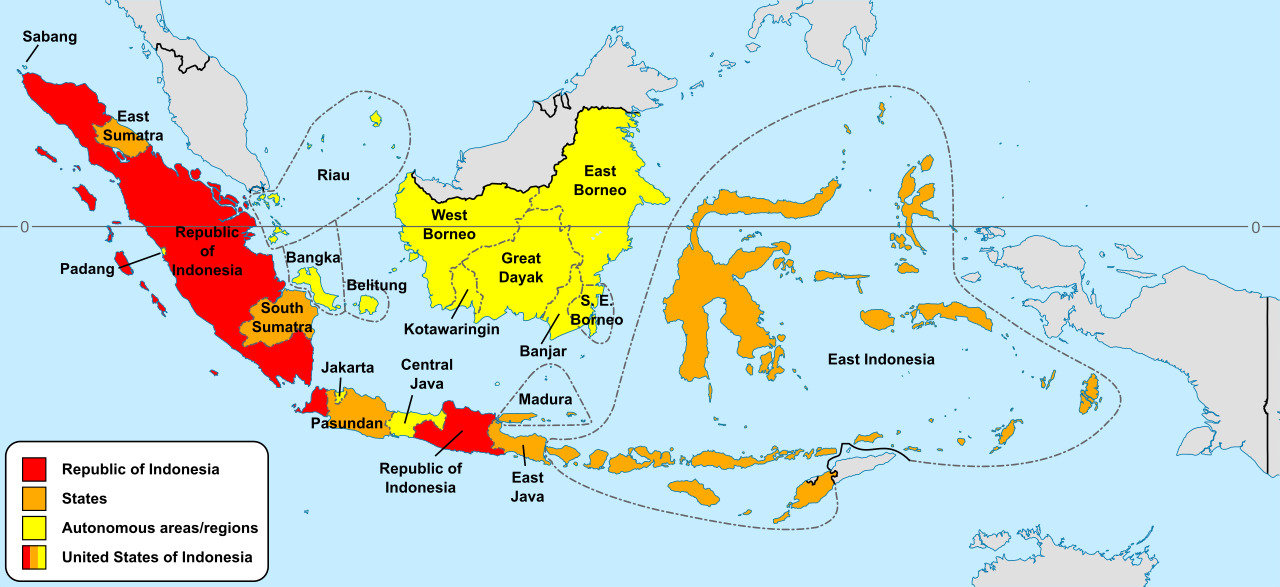
The Republic of Indonesia itself was therefore only one component of the federation, with its government still based in Yogyakarta. For a country that today has one central government and 38 provinces, this was a radically different political map.
So how did Indonesia, a country now so strongly associated with the unitary state, end up experimenting with federalism in the first place?
The Federation was Born From a Difficult Compromise
Indonesia declared independence in 1945, but the Netherlands refused to accept it.
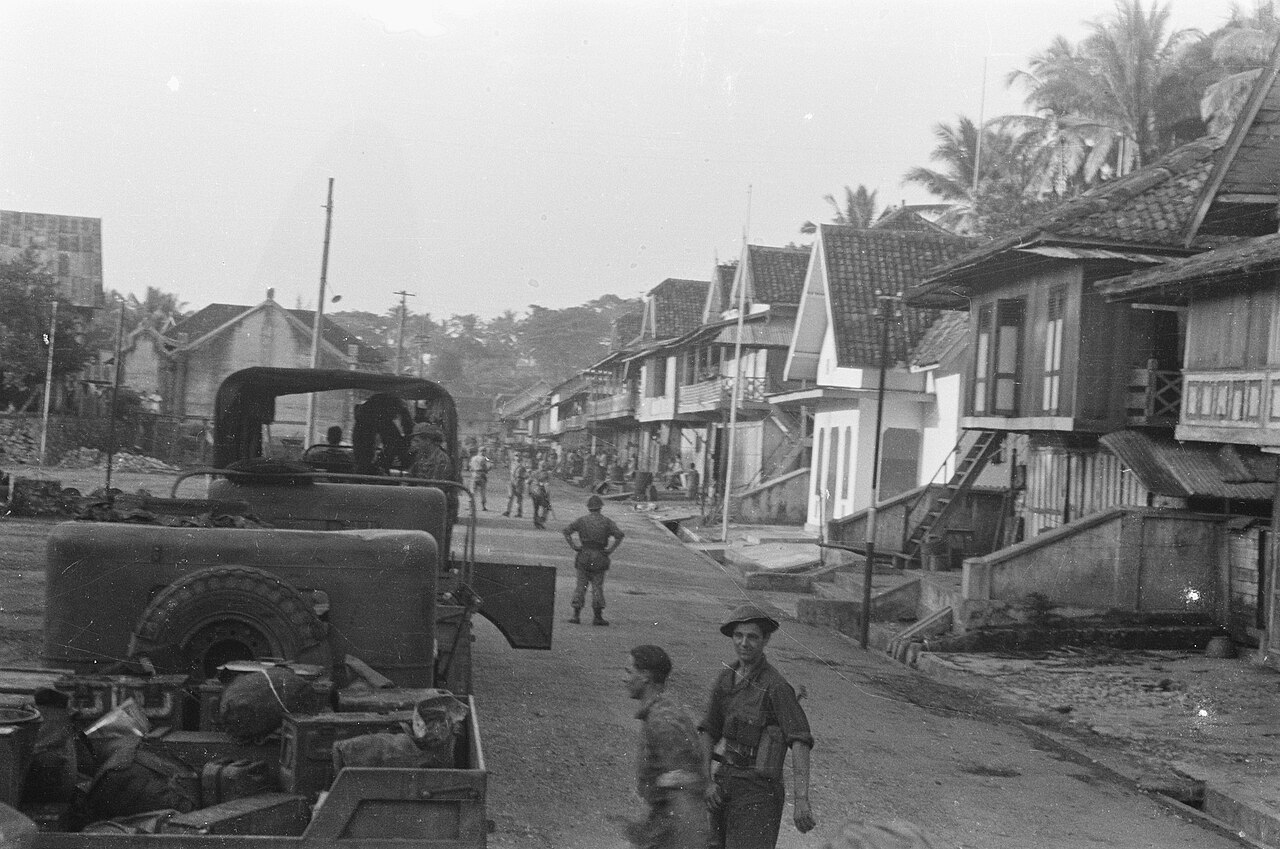
After returning to the archipelago following World War II, Dutch forces attempted to regain control, leading to four years of armed conflict and diplomacy. But the Dutch did not only fight the Republic militarily.
In territories they controlled, they helped establish a series of autonomous regions and federal states, including East Indonesia, Pasundan, East Sumatra and others. The idea was to create a federal Indonesia in which the Republic would be only one part of a larger political structure.
For Indonesian nationalists, this was deeply controversial. They feared the federal system would weaken the Republic and allow the Netherlands to retain influence over the new country. But by 1949, federalism had become part of the political reality that both sides had to negotiate.
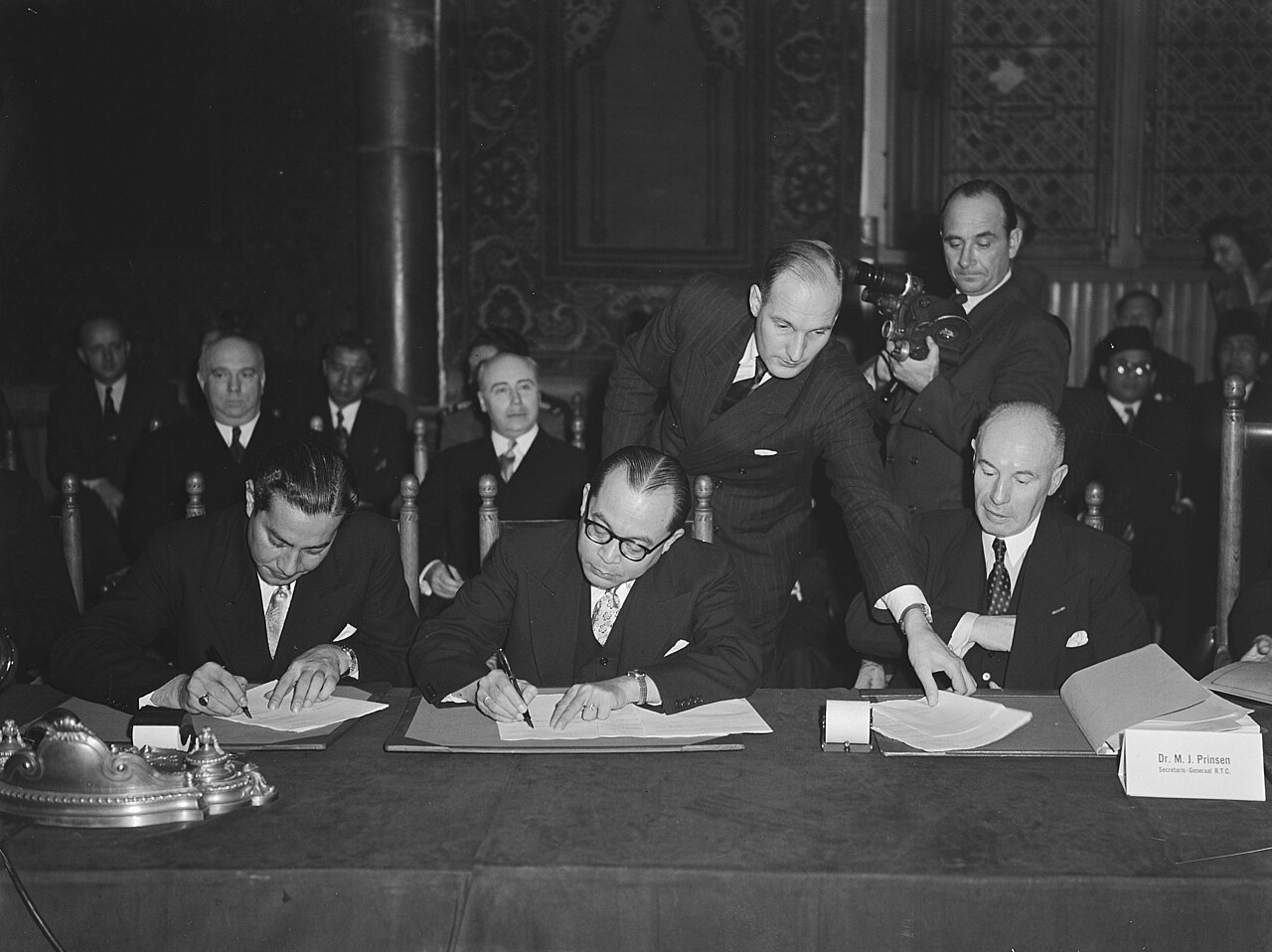
At the Dutch-Indonesian Round Table Conference in The Hague, known as Konferensi Meja Bundar, Indonesian representatives and the Netherlands agreed on a compromise. Dutch sovereignty would be transferred to a new federal state called the Republic of the United States of Indonesia.
On December 27, 1949, that transfer formally took place.
The States Started Disappearing
The federal system quickly faced a legitimacy problem.
Several of its states had been created with Dutch backing during the revolution, so many Indonesian nationalists saw federalism as part of the Netherlands' attempt to weaken the Republic through a divide and rule strategy.
For them, a united Indonesia had been the goal of the independence struggle, making the new federal structure difficult to accept.
But opposition was not limited to nationalists in Jakarta or Yogyakarta. Inside the federal states themselves, political movements and public demonstrations increasingly called for reunification with the Republic. In Pasundan, for example, support for the federal government weakened amid political instability.
ANRI similarly records that several states wanted to return to the unitary Republic because RIS was viewed as serving Dutch interests. The APRA rebellion in January 1950, led by former Dutch colonial officer Raymond Westerling, made the situation even worse and strengthened calls to abandon the federal arrangement.

The same pattern gradually appeared elsewhere. State governments that had initially formed part of RIS began negotiating their way back into the Republic.
By March 1950, only four major states remained:
- The Republic of Indonesia
- East Indonesia
- East Sumatra
- West Kalimantan.
The federation was disappearing because federalism was rapidly losing political support across the country.
A New Plan for a United Indonesia
The breakthrough came from Mohammad Natsir, an influential Indonesian politician who would later serve as Indonesia's prime minister, with a proposal to dissolve the remaining federal states and create a new unitary republic.
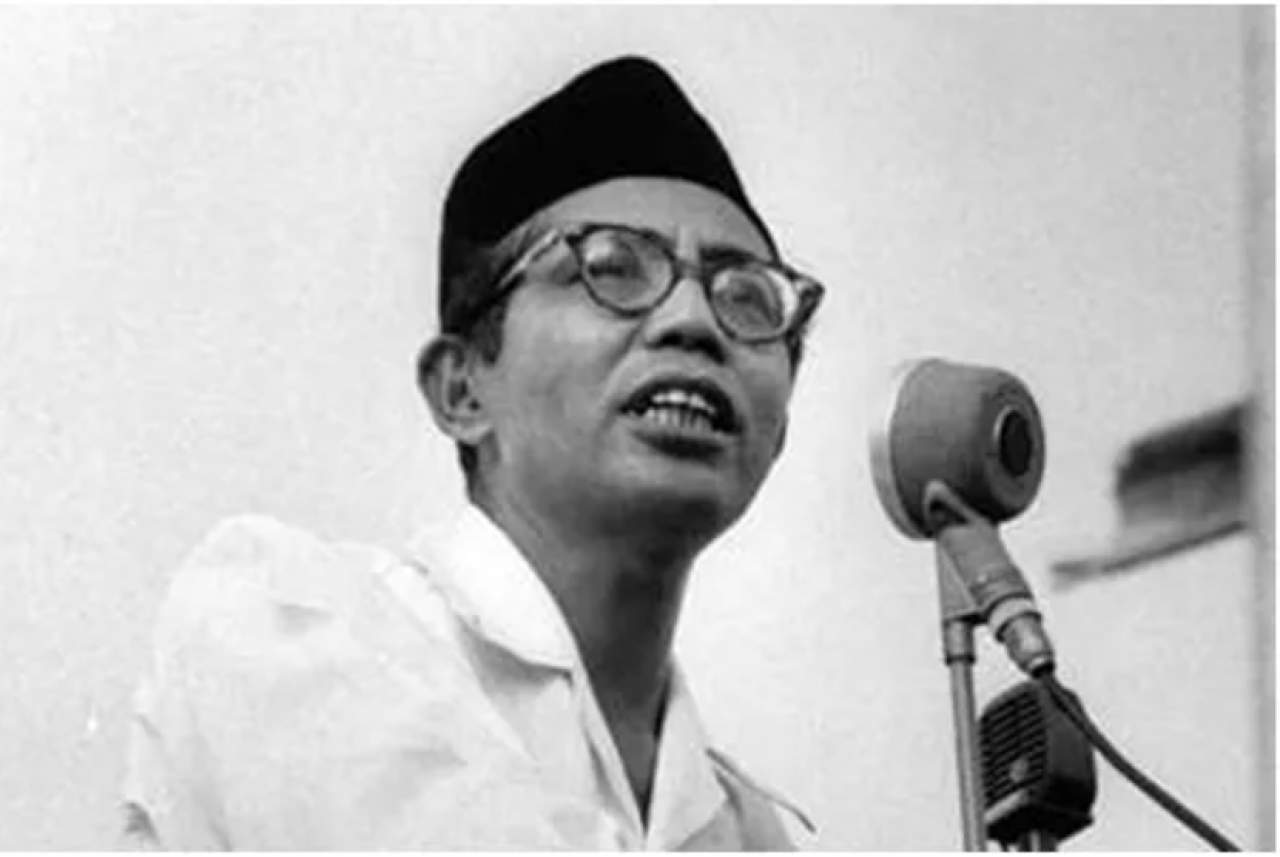
According to a 2024 study “Merajut Persatuan Indonesia Dalam Momentum Mosi Integral Mohammad Natsir” Natsir's Integral Motion, presented on April 3, 1950, called for Indonesia to return from the federal Republik Indonesia Serikat (RIS) to a unitary state. The motion became an important political step toward reunification.
Rather than having the remaining federal states simply be absorbed by the Republic, Natsir proposed that the constituent states, including the Republic itself, dissolve their separate political structures and create a new unitary republic together.
The proposal gained support across political factions and helped make reunification politically acceptable to both sides. On May 19, 1950, representatives of RIS, East Indonesia, East Sumatra and the Republic agreed to form a unitary state.
Three months later, the experiment was over.
On August 17, 1950, Indonesia officially returned to a unitary form of government through Federal Law No. 7 of 1950, replacing the RIS Constitution with the Provisional Constitution of 1950.
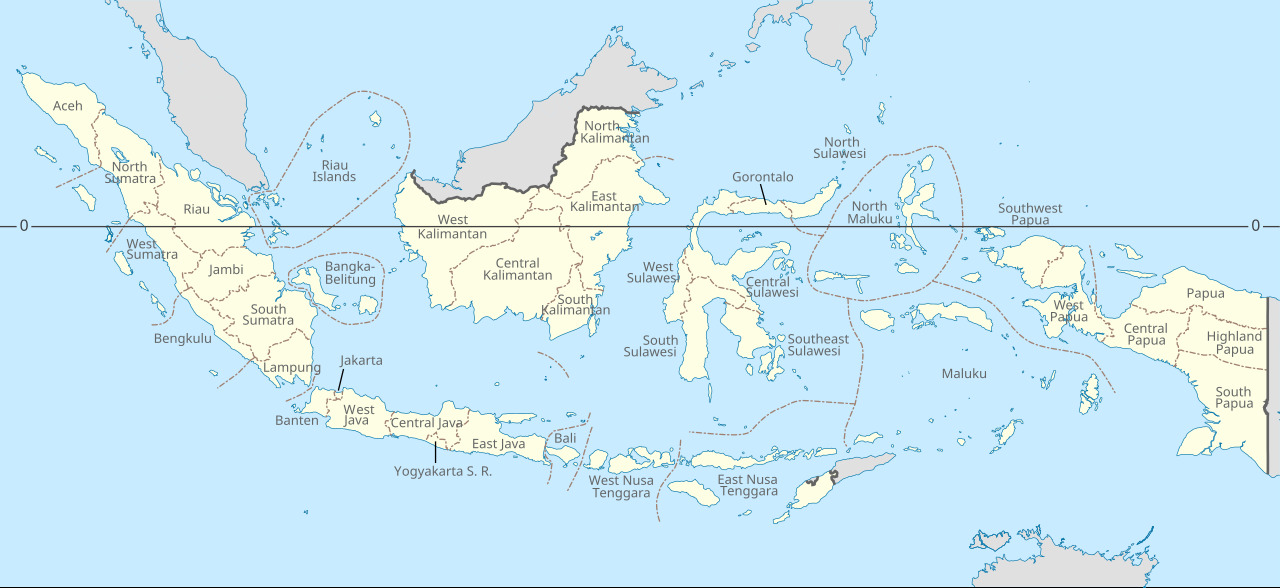
Indonesia's federal era had lasted less than a year. The country had briefly taken a different constitutional path, one that could have made Indonesia a federation rather than the unitary republic it became.