Singapore has a reputation for being clean, modern, and tightly planned skyscrapers, malls, parks that all look intentional.
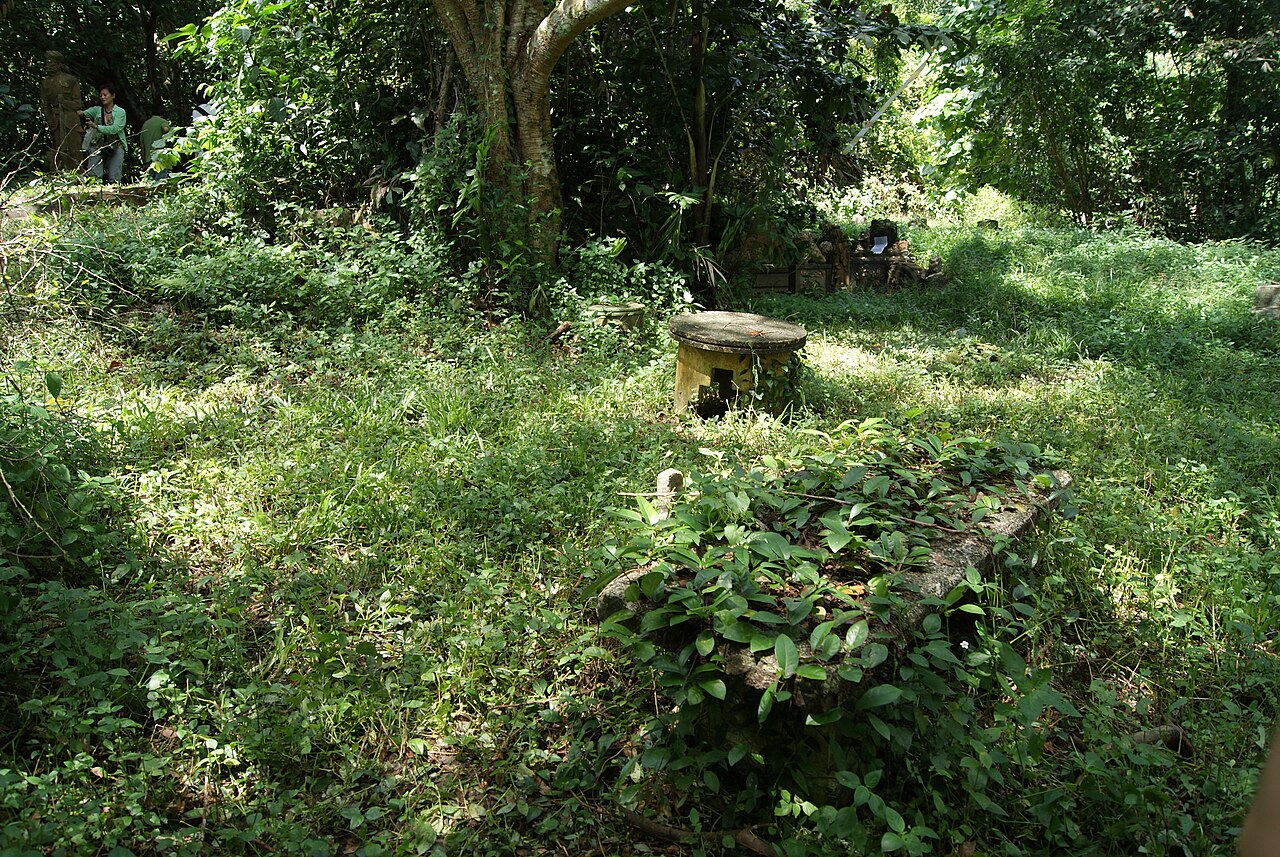
But not far from the main roads, there's a place that doesn't fit that image at all. Trees have grown through the old Chinese graves at Bukit Brown Cemetery, most of the tombstones date back decades, some over a century.
It's still technically a cemetery, but it's also become one of the last wild, overgrown spaces left in Singapore.
It Started as a Cemetery
Bukit Brown Municipal Cemetery was officially opened in 1922 to serve Singapore’s Chinese community and was closed in 1973, when it contained about 100,000 tombs, according to Singapore’s National Library Board.
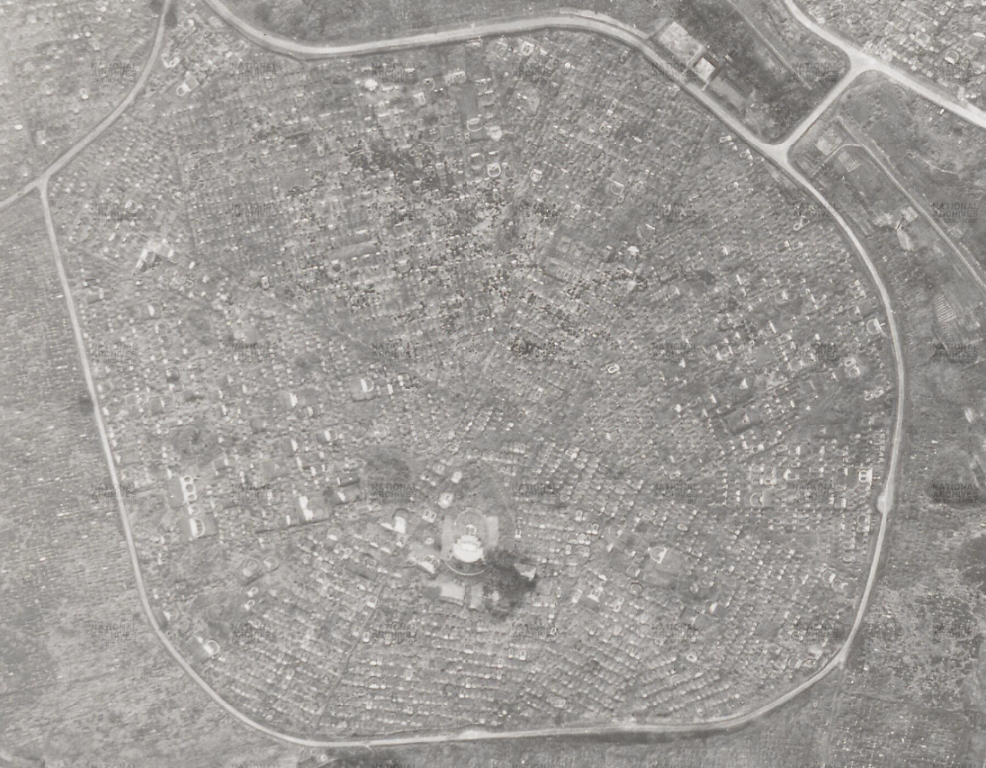
Back then, it did not look quite like the dense green landscape visitors see today.
Old photographs show a much more open cemetery, with tombs spread across grassy hills and relatively few large trees. With burials eventually stopping, the landscape was left to change on its own.
Over the following decades, plants gradually filled the gaps.
Trees grew taller, shrubs spread across the hills, vines began covering parts of the cemetery. What emerged was a secondary forest, a forest that develops naturally after an area has been disturbed.
The Forest Is Surprisingly Diverse
The transformation was not just visual.
A survey of Bukit Brown and nearby Lau Sua recorded 233 species of vascular plants from 77 families. Among them were 76 species considered nationally threatened in Singapore, according to a 2022 study published in Nature in Singapore.
That is quite a lot for a place surrounded by one of Southeast Asia’s most densely developed cities.
The vegetation also gives birds, insects and other wildlife somewhere to live and feed. So while the tombs remain, the landscape around them has become a functioning urban ecosystem.
Why Bukit Brown Still Matters
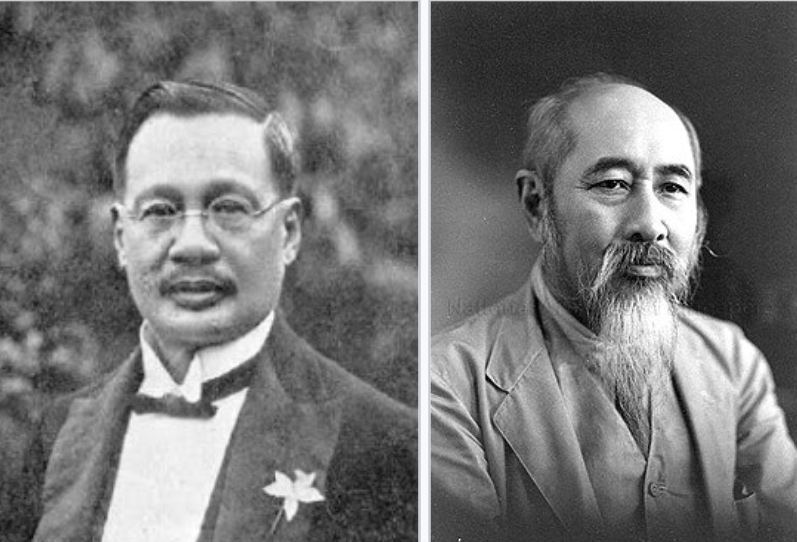
Bukit Brown is also home to the graves of people who played important roles in Singapore’s early Chinese communities.
Some tombs have elaborate carvings, while their inscriptions offer clues about family histories, occupations and the communities that shaped the city generations ago.
That history is still very visible today. Walking through the site means moving between dense greenery and rows of old tombstones, rather than looking at artifacts behind glass in a museum.
But Bukit Brown has also had to make room for a changing city. According to Culturepaedia, more than 4,000 graves were exhumed to make way for the Lornie Highway, which was completed in 2019.
The project sparked a long running debate over how Singapore should balance urban development with the preservation of heritage and nature.
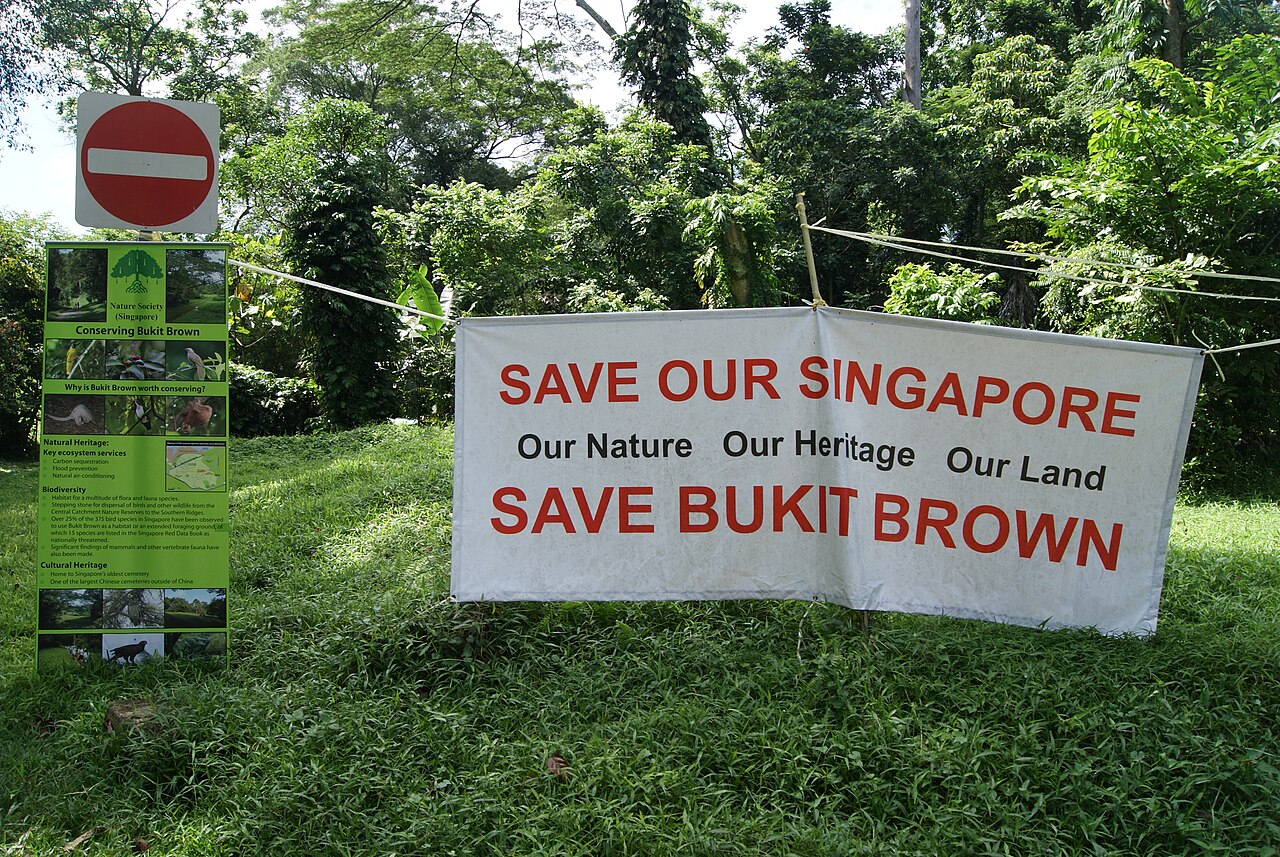
For conservationists, Bukit Brown is not simply an old cemetery. It is also one of the city’s remaining patches of secondary forest and a rare place where Singapore’s natural and human history can still be found side by side.
A Forest With a Past
Bukit Brown was never designed to become a forest.
It happened slowly, after the cemetery stopped receiving new burials more than 50 years ago. Nature simply filled in the space, while the graves remained.
Today, the result is something you would not expect to find in the middle of modern Singapore: a living forest growing around roughly 100,000 reminders of the city’s past.