The Mid-Autumn Festival, also called the Mooncake Festival, is a major traditional holiday held on the 15th day of the 8th lunar month. This autumn occasion occurs when the moon reaches its fullest and brightest point in the sky. Families mark the night by gathering under the moonlight, sharing sweet pastries, and lighting colorful lanterns.
At its core, the holiday represents completeness, harmony, and family reunion. The round moon serves as a visual symbol for relatives coming together from near and far. Looking up at the same bright light connects family members in spirit even when they live apart.
Although the tradition began thousands of years ago in ancient China, communities across the globe now celebrate it. People prepare traditional feasts, exchange thoughtful gifts, and participate in evening rituals. It stands as one of the most cherished cultural celebrations held every fall.
History and Ancient Origins
The history of the festival spans over 3,000 years, tracing back to moon worship during the Zhou Dynasty. Ancient emperors made formal sacrifices to the autumn moon to give thanks for a bountiful harvest and pray for land prosperity. Historical records show that the term "Mid-Autumn" first appeared in the ancient text Rites of Zhou during the Warring States period.
By the Tang Dynasty, moon gazing shifted from a solemn royal sacrifice into a popular social event enjoyed by poets, scholars, and wealthy merchants. These social gatherings featured lively music, dancing, and poetry composition under the luminous sky. Later during the Northern Song Dynasty, the 15th day of the 8th lunar month was officially designated as the Mid-Autumn Festival.
During the Yuan Dynasty, mooncakes played a legendary historical role when secret rebel messages were hidden inside them to help overthrow Mongol rule. The holiday's popularity peaked during the Ming and Qing Dynasties, becoming just as grand as the Lunar New Year with traditions like burning pagodas. In 2008, China officially made the festival a recognized public holiday for everyone.
Read also: Indonesia Has the Largest Chinese Diaspora: Here’s Why
Famous mythology also deeply shapes the history and spirit of the celebration. Legend tells of Chang'e, who drank an elixir of immortality and flew to the moon after her archer husband Hou Yi shot down nine suns. She resides in the lunar realm alongside the selfless Jade Rabbit, who pounds medicinal herbs beneath the stars.
How It Is Celebrated
Eating traditional mooncakes with freshly brewed tea is the central custom of the holiday. These round pastries feature dense fillings like lotus seed paste, sweet red bean, or salted duck egg yolks representing the full moon. People exchange beautifully packaged boxes with friends, neighbors, and business partners to express respect and good wishes.
Families gather for an evening reunion feast before moving outdoors to admire the night sky. Small tables are set up in courtyards or parks with sliced fruits, osmanthus wine, and seasonal treats. Gazing at the bright moon connects people in spirit, even when relatives live far away.
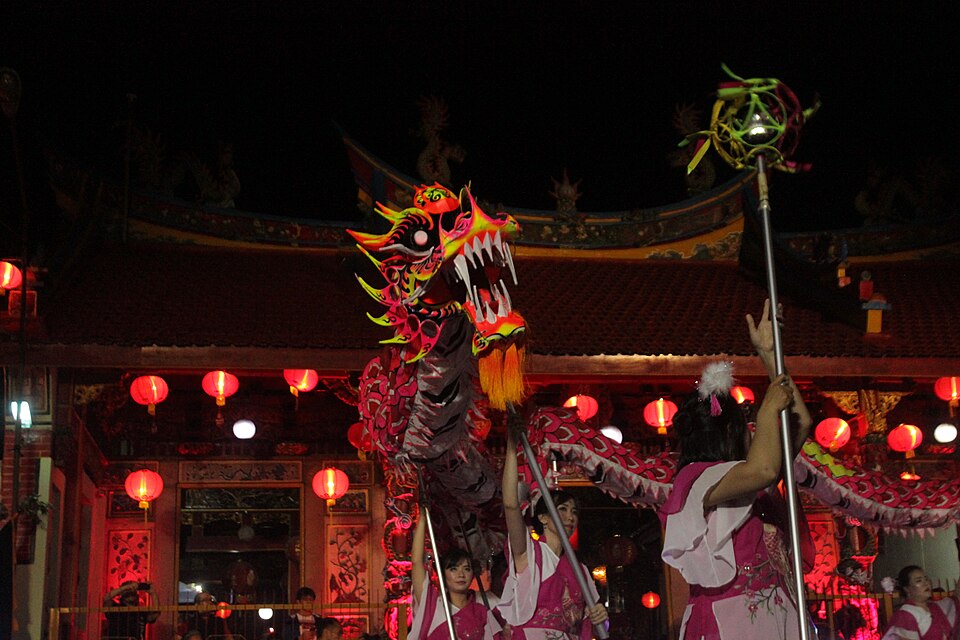
Lighting bright lanterns creates a magical atmosphere throughout towns and public spaces. Children carry handmade paper or fruit-rind lanterns, while cities display huge illuminated silk structures. Unique regional activities also include Hong Kong's Tai Hang Fire Dragon Dance and watching thunderous tidal bores along riverbanks.
Read also: How Singapore Became a Chinese-Majority Country
The festival is widely observed across East and Southeast Asia, with each nation adding unique cultural elements. In Viet Nam, Tết Trung Thu focuses on children who parade with star lanterns and watch energetic lion dances. South Korea celebrates Chuseok with family reunions and pine-needle rice cakes, while Japan observes Tsukimi through serene moon-viewing parties.
In Singapore, Malaysia, Indonesia, and the Philippines, vibrant night markets and illuminated streets welcome crowds during the holiday season. Moreover, major Chinatowns worldwide, from San Francisco to London, also host lively street fairs and parades.