The University of al-Qarawiyyin, located in Fez, Morocco, is recognized by UNESCO and Guinness World Records as the oldest continuously operating university in the world. This historical institution began in 859 CE as a mosque and place of learning. It stands as an important milestone in the global history of higher education.
Unlike many ancient institutions established by rulers or state bodies, this famous center was founded by a visionary Muslim woman named Fatima al-Fihri. She dedicated her entire personal wealth to build a lasting center for religious worship and community education.
Over the centuries, the small community mosque expanded into a renowned seat of scholarship that attracted students from across Africa, Andalusian Spain, and Europe. It pioneered structured teaching methods, multidisciplinary studies, and academic credentials long before medieval European universities emerged.
The Founder: Fatima al-Fihri
Fatima bint Muhammad al-Fihriya was born around 800 CE in Kairouan, present-day Tunisia. As a young adult, she migrated with her family to Fez in northern Morocco. Her family belonged to a wealthy merchant class that deeply valued education and devout religious practice.
When her father passed away, Fatima inherited a massive financial fortune. Rather than spending the money on personal luxury, she chose to use her inheritance for a noble act of public charity. She purchased a plot of land in central Fez near the local market to construct a spacious mosque and learning hub.
Read also: The Story of UST: Asia’s Oldest University with 400 Years of History
Construction of the original complex began on the first day of Ramadan in 859 CE. Historical traditions state that Fatima fasted every day during the construction process until the building was completed. She named the institution al-Qarawiyyin in honor of her home city of Kairouan.
Her sister Mariam is also credited with founding the nearby al-Andalusiyyin Mosque around the same period. Together, the two sisters transformed the intellectual landscape of Fez through their generosity.
History of the Oldest University
In its early days, al-Qarawiyyin functioned primarily as a congregational mosque and neighborhood school offering instruction in the Quran and Islamic jurisprudence. Over time, teaching circles expanded into a multidisciplinary curriculum including mathematics, astronomy, medicine, logic, grammar, and history. The institution awarded graduates with an ijazah, which served as formal authorization to teach specific subjects.
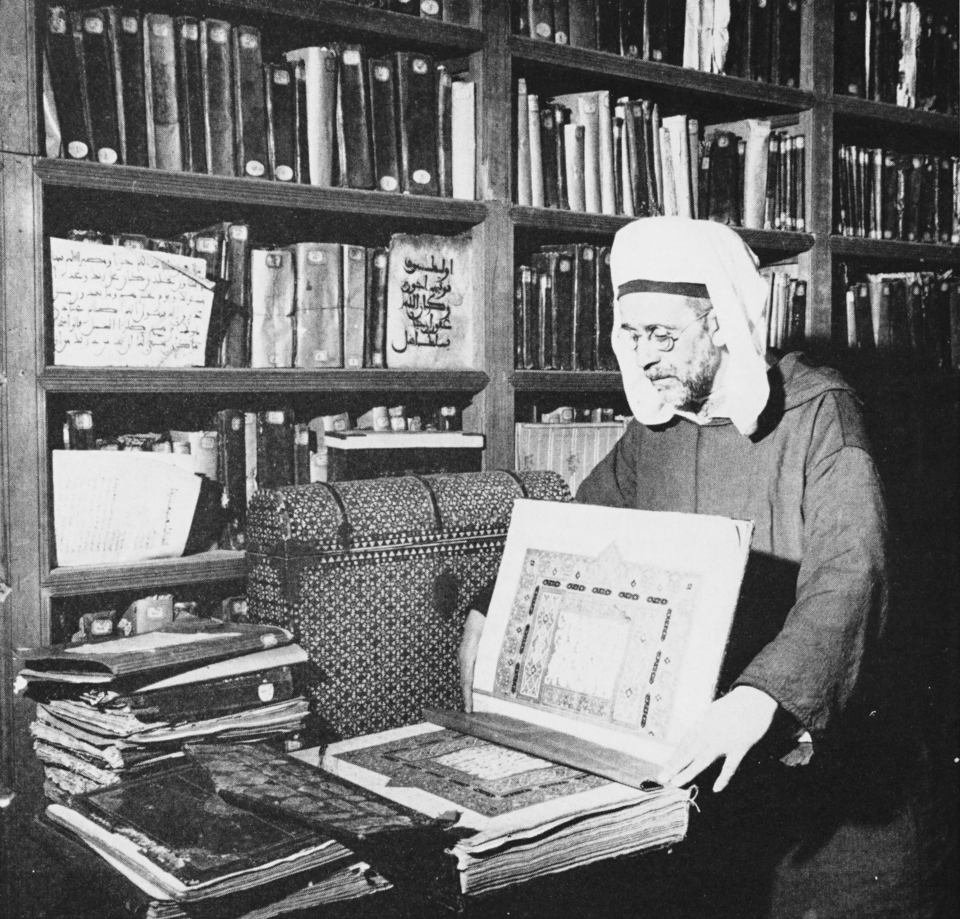
During the 13th and 14th centuries under the Marinid dynasty, al-Qarawiyyin reached its intellectual peak as a global academic center. Brilliant scholars and thinkers studied or taught there, including the historian Ibn Khaldun, the philosopher Ibn Rushd, the cartographer Al-Idrisi, and the physician Maimonides. The complex also developed a world-famous library that housed thousands of rare manuscripts on gazelle parchment.
The financial foundation of al-Qarawiyyin relied on the waqf system of charitable endowments. Revenue-generating properties like real estate and farmland provided permanent income for teacher salaries, student scholarships, and building maintenance. This economic structure protected the university from political instability and guaranteed its operation across centuries.
Read also: Asia-Pacific's Oldest University
Transformation and Modern Legacy
By the 19th and early 20th centuries, the institution experienced a period of decline and narrower academic focus. Following Moroccan independence, a royal decree in 1963 officially integrated al-Qarawiyyin into the modern state university system. Modern faculties were established across Morocco to combine traditional Islamic scholarship with contemporary academic standards.
Although women listened to lectures from designated galleries in earlier eras, female students were formally admitted to study and earn degrees starting in the 1940s. Today, the university continues to educate students from North Africa, West Africa, and around the world. The historic library was recently restored and reopened, preserving invaluable treasures of global intellectual heritage.
Fatima al-Fihri created an institution that has survived for over eleven centuries through vision and faith. Her pioneering legacy proves that women were foundational leaders in global higher education.