


In February 1889, Emily Williamson invited a group of women to her home in Didsbury, a suburb of Manchester, England. Their meeting focused on something that had become a familiar part of fashion among women in Britain: feathered hats.
Williamson and the women agreed to stop wearing feather decorations and encourage others to do the same. Their decision came as the feather trade was expanding rapidly, while Williamson was frustrated that established ornithological organizations, dominated by men, were paying little attention to the issue.
The small group eventually grew into the Royal Society for the Protection of Birds (RSPB). More than a century later, it has around 1.1 million members, 13,500 volunteers, and more than 200 nature reserves across the United Kingdom.
One of the birds caught up in the trade that Williamson opposed lived thousands of kilometers from Manchester, in the forests of Papua. The bird of paradise had become one of the most sought-after species in the international feather trade.
When Feathers Became Fashion
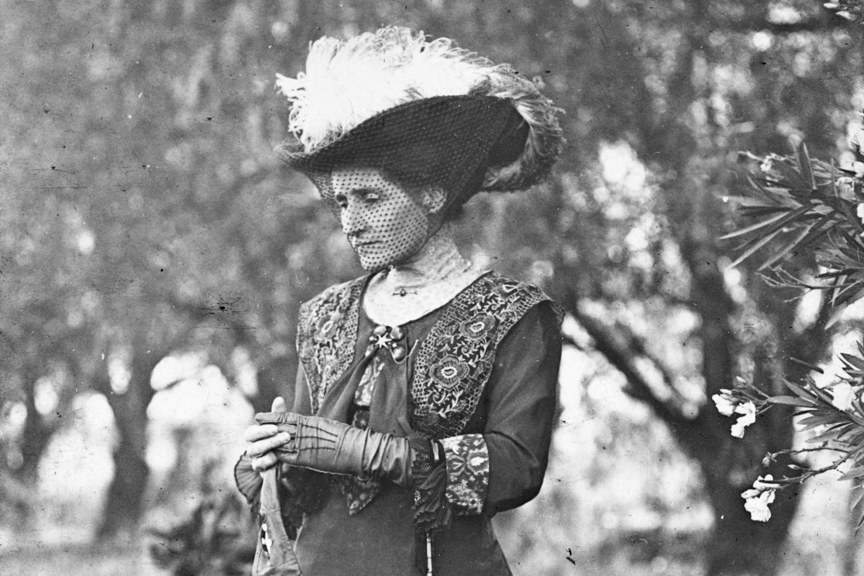
By the late 19th century, bird feathers had become fashionable decorations on hats worn by women across Europe and North America. Growing demand meant that the millinery industry required millions of birds each year. In 1886, an estimated five million birds were killed to supply the market.
Ornamental feathers known as plumes or aigrettes could command high prices. They were reportedly sold for between US$20 and US$32 per ounce, putting them within the range of gold prices at the time.
Birds of paradise were particularly sought after because of the distinctive shapes and colors of the males' plumage. The scale of the trade can be seen in a single order recorded by a London feather dealer.
That shipment included around 6,000 bird-of-paradise feathers, along with 40,000 hummingbird feathers and 360,000 feathers from other species from the East Indies.
The trade in birds of paradise had begun long before the Victorian fashion industry. Specimens first reached Europe in 1522, carried home by survivors of Ferdinand Magellan's circumnavigation expedition.
From Papua's Forests to European Shops
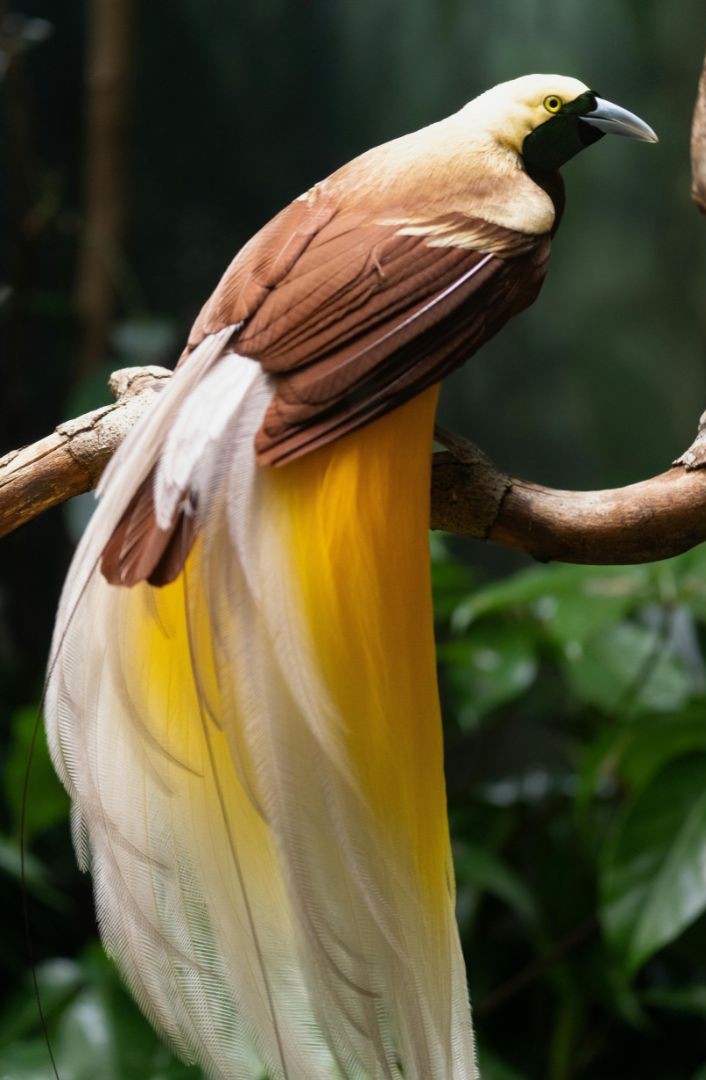
In their natural habitat, the feathers that commanded such high prices in Europe served a very different purpose. Male birds of paradise use their plumage during courtship displays to attract females.
As they perform these displays, the males spread their feathers and show their colors in their most striking form. Hunters took advantage of this behavior, shooting the birds before collecting their skins and feathers for drying and shipment.
Specimens arriving in Europe were often missing parts of the bird's body. The feet, for example, were sometimes removed before shipment. This contributed to a strange belief in Europe that birds of paradise had no feet and spent their lives floating through the air.
The distance between the market and the birds' habitat meant that many European buyers knew birds of paradise only through their feathers. A bird that lived in the forests of Papua had been transformed into an ornament on a hat, while the process that brought it there remained largely invisible to consumers.
Today, around 42 to 45 species of birds of paradise are recognized, depending on the taxonomic classification used. Most are found only in Papua New Guinea and the Indonesian provinces of Papua, with a few species also occurring in eastern Australia.
Hunting and trade have contributed to pressures on some species. Wilson's bird-of-paradise and the emperor bird-of-paradise are currently classified as Near Threatened, while Goldie's bird-of-paradise is listed as Vulnerable by the IUCN. Most other species are classified as Least Concern.
When the Feather Trade Changed Conservation
In Manchester, Williamson's campaign continued to grow after that first meeting in 1889. Fifteen years later, the organization received a Royal Charter and adopted the name Royal Society for the Protection of Birds.
The campaign against the feather trade eventually moved into the political sphere. In 1921, the British Parliament passed the Importation of Plumage (Prohibition) Act, which banned the import of wild bird feathers into Britain. It became one of the RSPB's first major legislative victories for bird protection.
Opposition to the feather trade was also growing in the United States. In Boston, Harriet Hemenway and Minna Hall encouraged women to stop wearing bird feathers.
Their campaign contributed to the establishment of what is now the National Audubon Society and became part of a wider movement that helped lead to the passage of the Migratory Bird Treaty Act in 1918.
Changes in legislation across consumer markets eventually reduced one of the major outlets for wild bird feathers. In Papua, meanwhile, birds of paradise faced a different set of pressures, including hunting and habitat loss, alongside growing legal protection from trade.
More than a century after the women of Manchester began boycotting feathered hats, birds of paradise still perform their courtship displays in Papua's forests. The feathers that once traveled to European fashion shops now serve their original biological purpose, helping males attract mates and reproduce.
The distance between Didsbury and Papua spans thousands of kilometers. Yet the history of the feather trade shows how consumer choices in one place can shape the fate of wildlife in forests far beyond it.


