Cities used to look yellow at night because many of their streetlights were powered by sodium.
High pressure sodium (HPS) lamps were a standard choice for roads, highways, parking areas and other outdoor spaces for decades. They were efficient for their time, lasted reasonably long and were relatively economical to operate. But they had one unmistakable feature, their light was yellow orange.
The U.S. Department of Energy (DOE) puts the typical correlated colour temperature (CCT) of HPS lamps at around 2,100K. This gives HPS its distinctive yellow orange appearance, rather than the neutral or cool white light commonly produced by modern LEDs.
HPS also has a typical colour rendering index (CRI) of just 22, meaning colours can appear significantly less accurate under its light. So, HPS was good at producing a lot of light efficiently, but it was not particularly good at showing the world in its natural colours.
Why Did Cities Switch to LED?
LEDs offered a different combination of advantages.
Modern white LED luminaires generally use less electricity for a comparable lighting application, have much longer useful lives and can be designed to direct light more precisely.
The DOE says good quality white LEDs typically have a useful life of 30,000-50,000 hours or longer, while a common comparison for HPS puts its life at around 24,000 hours.
LEDs also brought control.
A city can specify the amount of light, its distribution, its colour characteristics and, with smart lighting systems, when and how intensely individual fixtures operate. That combination made LED retrofits attractive to municipalities trying to reduce electricity and maintenance costs.
LED Does Not Mean White
An LED is not inherently a white light source.
A bare LED can produce nearly monochromatic light. White light is created through technologies such as phosphor conversion or by mixing light from LEDs of different colours.
That also means LED streetlights do not all have the same colour. Their appearance depends partly on their correlated colour temperature (CCT). A 2,700K to 3,000K LED can look warm and yellowish, while around 4,000K appears more neutral. At 5,000K and above, the light becomes noticeably cooler and can take on a bluish-white appearance.
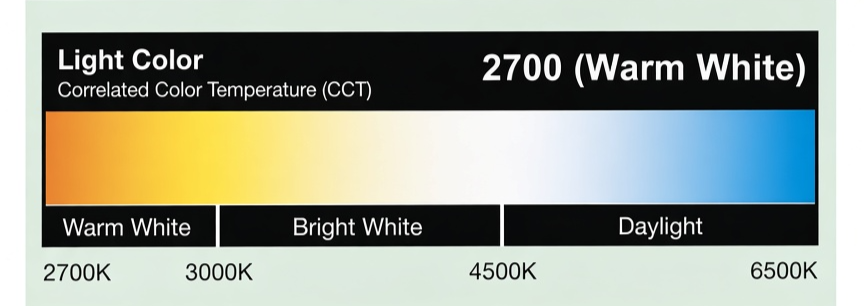
Efficiency was one reason cooler white LEDs became common. DOE notes that the most efficient white LEDs historically tended to fall around 4,500K to 6,500K, producing white to bluish white light. Warmer LEDs are also available, but can involve an efficiency trade off.
LEDs can also provide better colour rendering than traditional HPS lamps. That means colours can generally be distinguished more easily under LED lighting
The result can be seen across Southeast Asia.
Jakarta Went for Smart LEDs
Jakarta began its large scale conversion around the same period.
In June 2016, Jakarta Governor ordered the replacement of conventional HPS streetlights, as well as non smart LED fixtures, with LED Smart System fixtures that could be managed and controlled remotely, according to Jakarta Governor’s Instruction No. 93 of 2016.
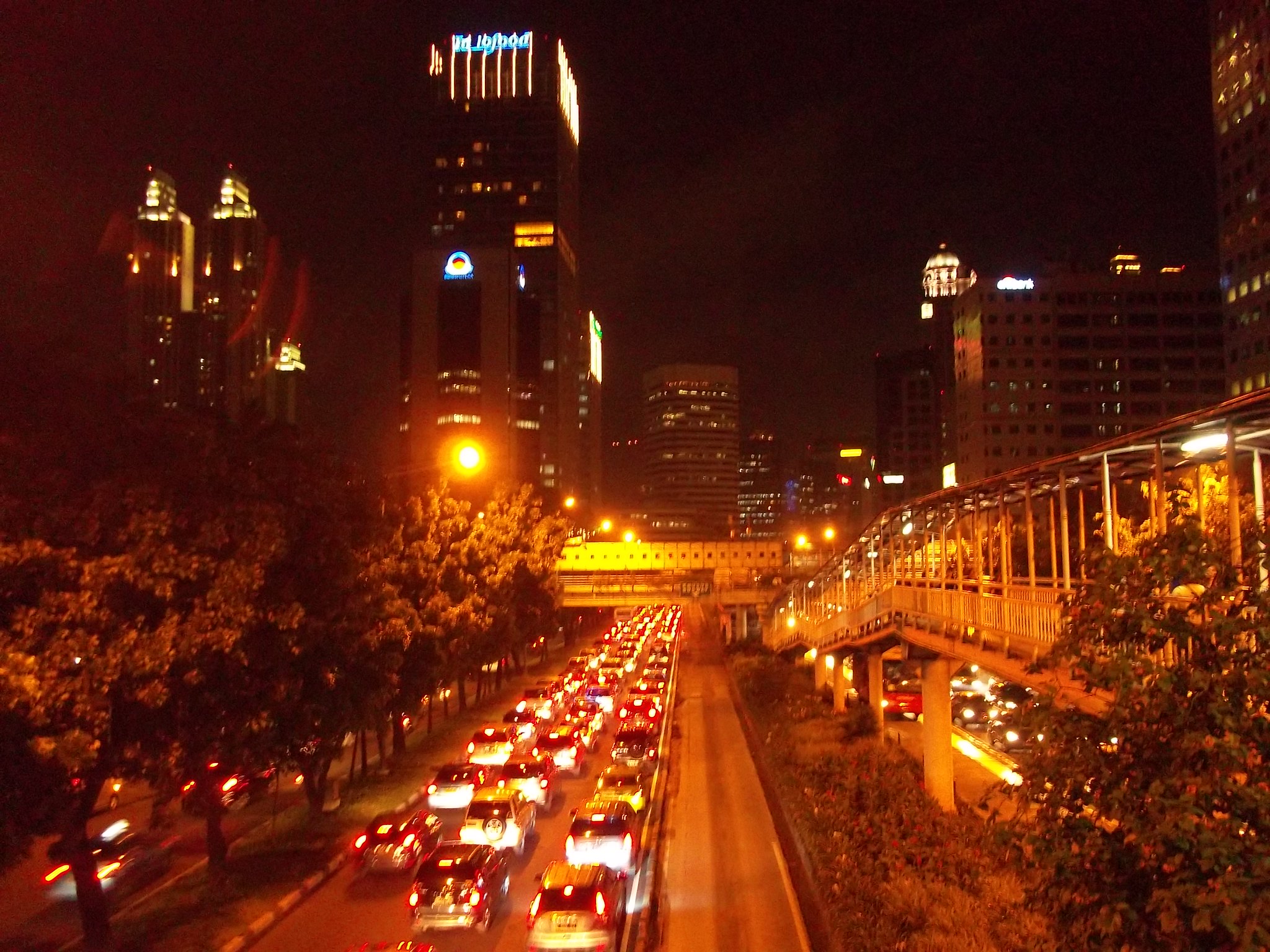
By the end of 2017, Jakarta had installed a total of 171,580 LED streetlights. The conversion included 400 watt HPS fixtures being replaced with 200 watt LEDs on arterial roads, while 250 watt fixtures were replaced with 120 watt LEDs on collector roads.
The shift significantly reduced the power required for each fixture. The city’s Industry and Energy Department later reported that electricity costs for street lighting had fallen by up to 51 percent as HPS lamps were progressively replaced with LED Smart System fixtures.
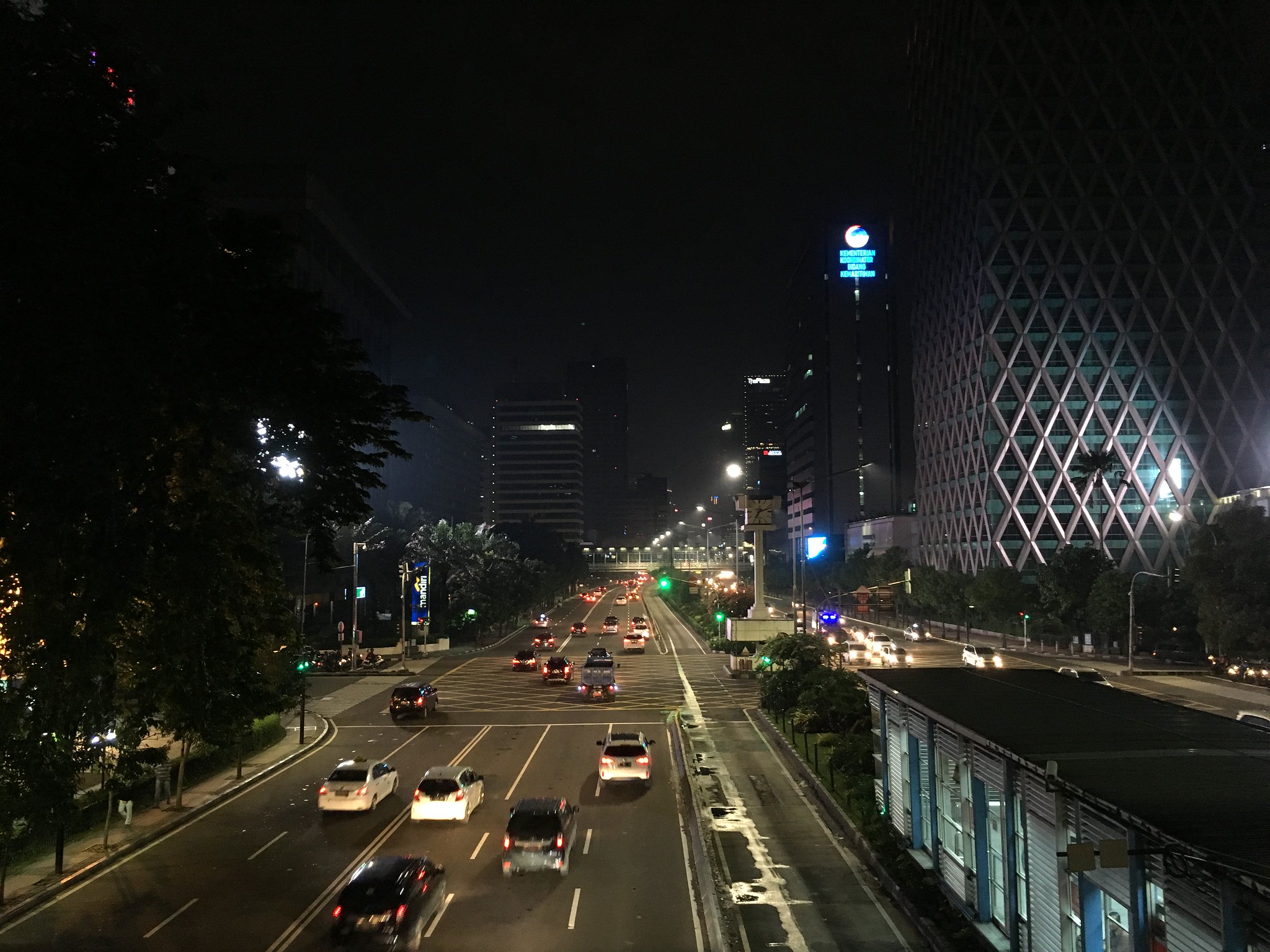
Jakarta has continued expanding smart LED lighting. In November 2025, the city’s agency installed 120 watt LED fixtures along the main road and 60 watt fixtures along pedestrian paths. The system allows officials to monitor the lights in real time and remotely adjust their intensity.
Interestingly, those newer fixtures use a warm white tone, another reminder that LED does not automatically mean cold white.
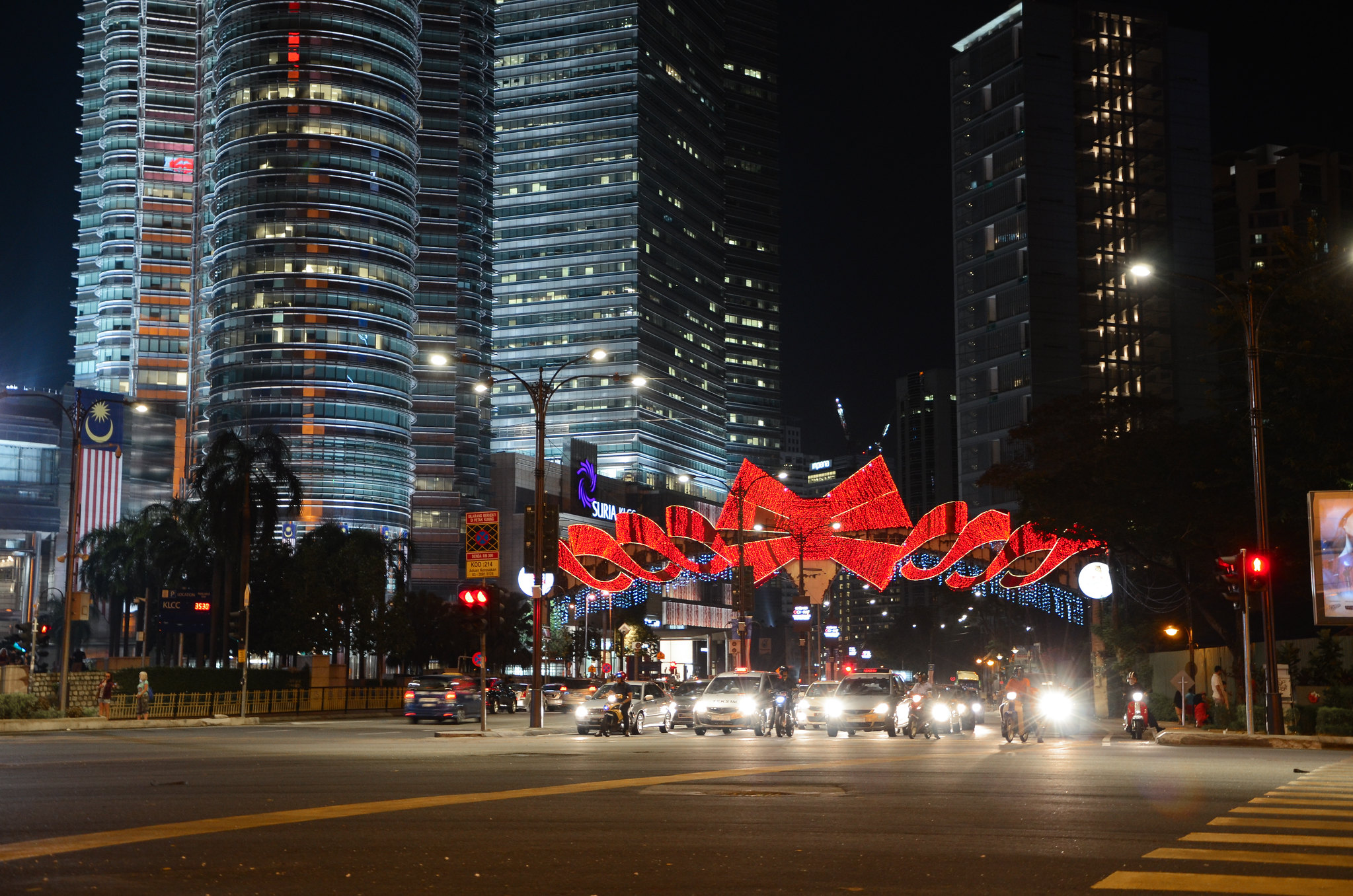
Kuala Lumpur Replaced 45,000 HPSV Lamps
According to Kuala Lumpur City Hall (DBKL), the city government body responsible for governing Malaysia’s capital, work to retrofit high pressure sodium vapour (HPSV) streetlights with LED fixtures began on August 1, 2016
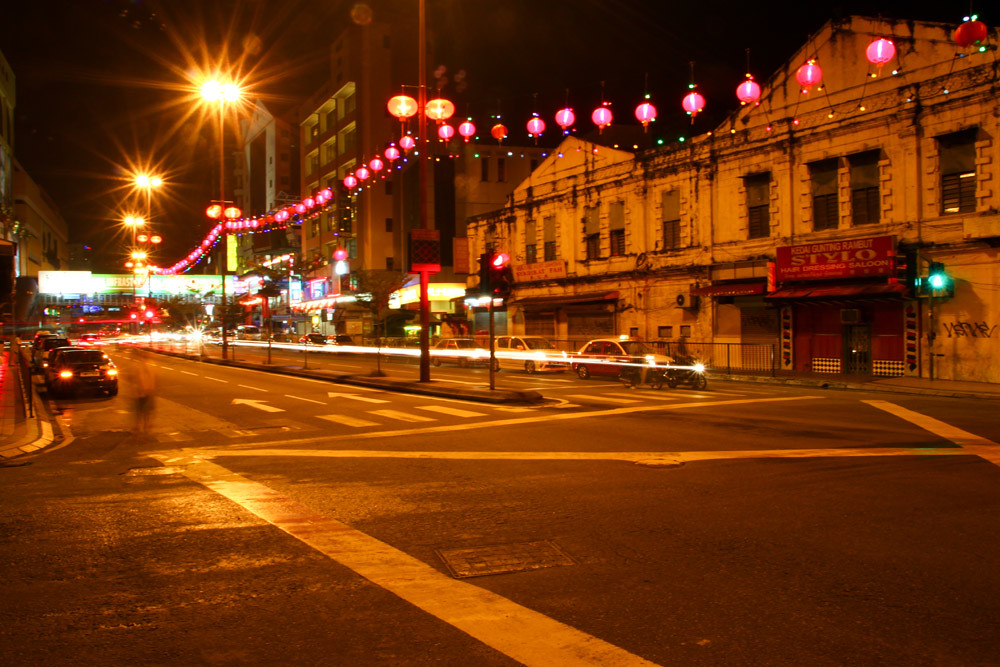
The project covered 45,000 streetlights. By 2020, DBKL reported that all 45,000 units had been replaced, completing 100 percent of the contract.
Bangkok Is Still Making the Switch
Bangkok’s transition is still underway. In 2026, the Bangkok Metropolitan Administration (BMA) reported the replacement of HPS streetlights with LEDs through its BMA Monitor performance tracking portal.
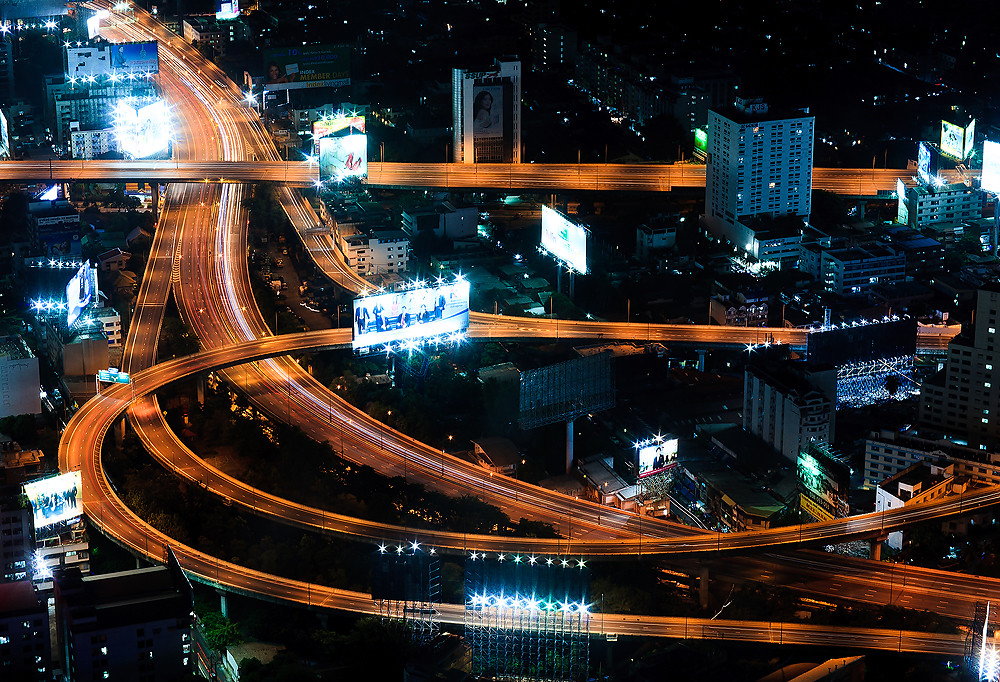
As of August 25, the programme had replaced 170 1,000 watt HPS fixtures with 250 watt LEDs, 1,357 400 watt fixtures with 140 watt LEDs, and 28,619 250 watt fixtures with 50 watt LEDs, for a total of 30,146 replacements, according to the BMA Monitor.
The agency had also planned another 15,473 replacements, including 11,473 250 watt HPS fixtures to be replaced with 50 watt LEDs and 4,000 400 watt fixtures with 140 watt LEDs.