Singapore is preparing to receive its first F-35 stealth fighters, while Indonesia has signed a deal to acquire 48 KAAN fighter jets from Turkey. Both aircraft are described as fifth-generation fighters, a category in which stealth is one of the defining features.
But what does "stealth" actually mean?
Films like The Avengers often show stealth as a kind of invisibility. In reality, a stealth fighter can still be seen in the sky. What stealth reduces is how easily radar can find the aircraft and keep following it.
Stealth Does Not Mean Invisible
Radar works a bit like shouting in the dark and listening for an echo. It sends out radio waves, and when those waves hit an aircraft, some of them bounce back to the radar. The returning signal tells operators that something is there and helps them track its movement.
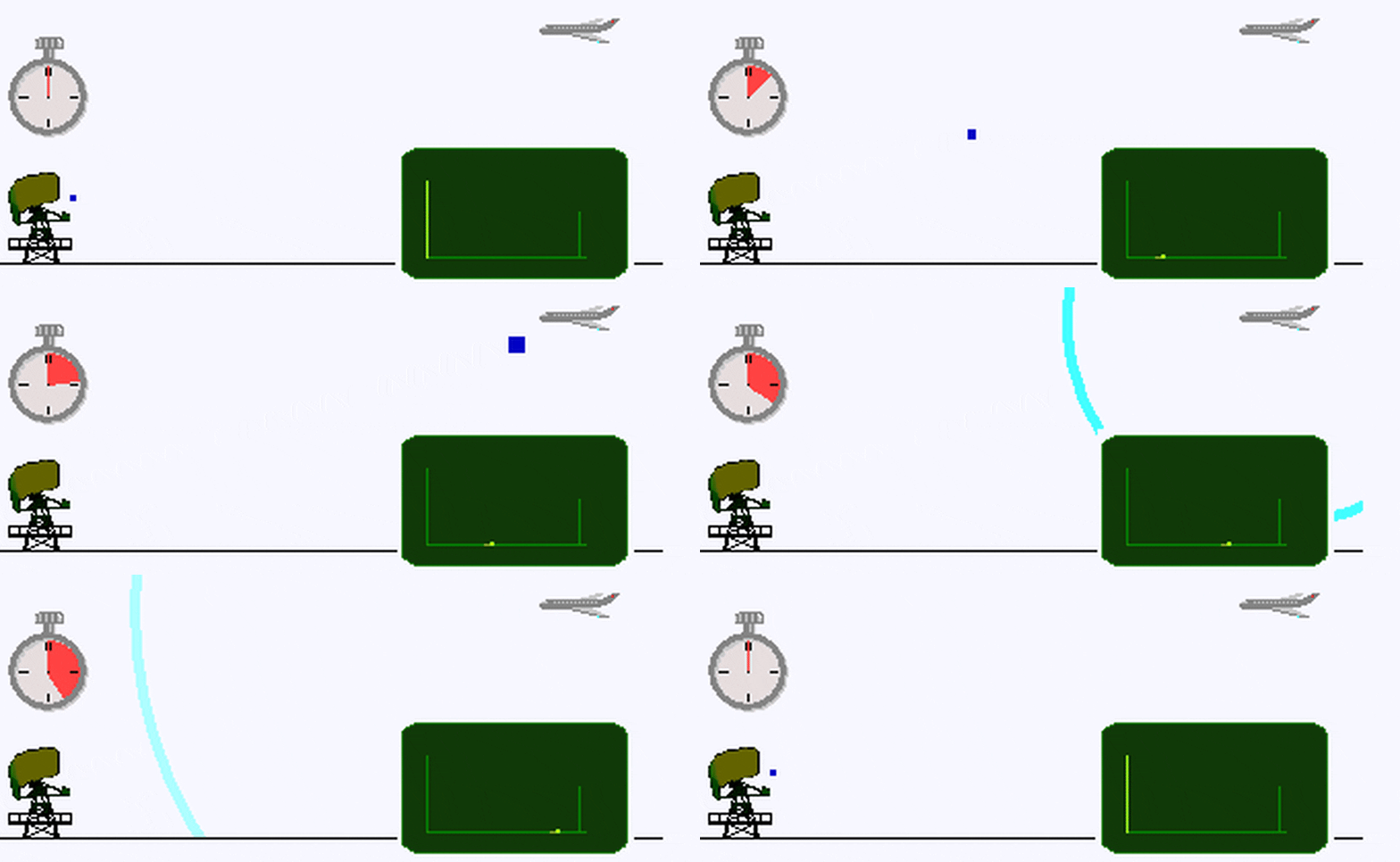
Stealth design is meant to make that returning signal weaker.
The goal is not to make an aircraft disappear, but to make it harder for radar to detect, track and target. The Mitchell Institute for Aerospace Studies says low observable aircraft are designed to delay detection by early warning radars and make it harder for fire control radars to track a target and guide weapons toward it.
Radar engineers describe how visible an object is to radar using a measurement called radar cross section, or RCS. Despite the name, it does not mean how big an aircraft is. It is essentially a way of measuring how much radar energy comes back after hitting the aircraft.
An aircraft's shape and materials can affect its RCS. So can the angle from which radar sees it, as well as the type of radar signal being used. This is why two aircraft of similar size can appear very different to radar.
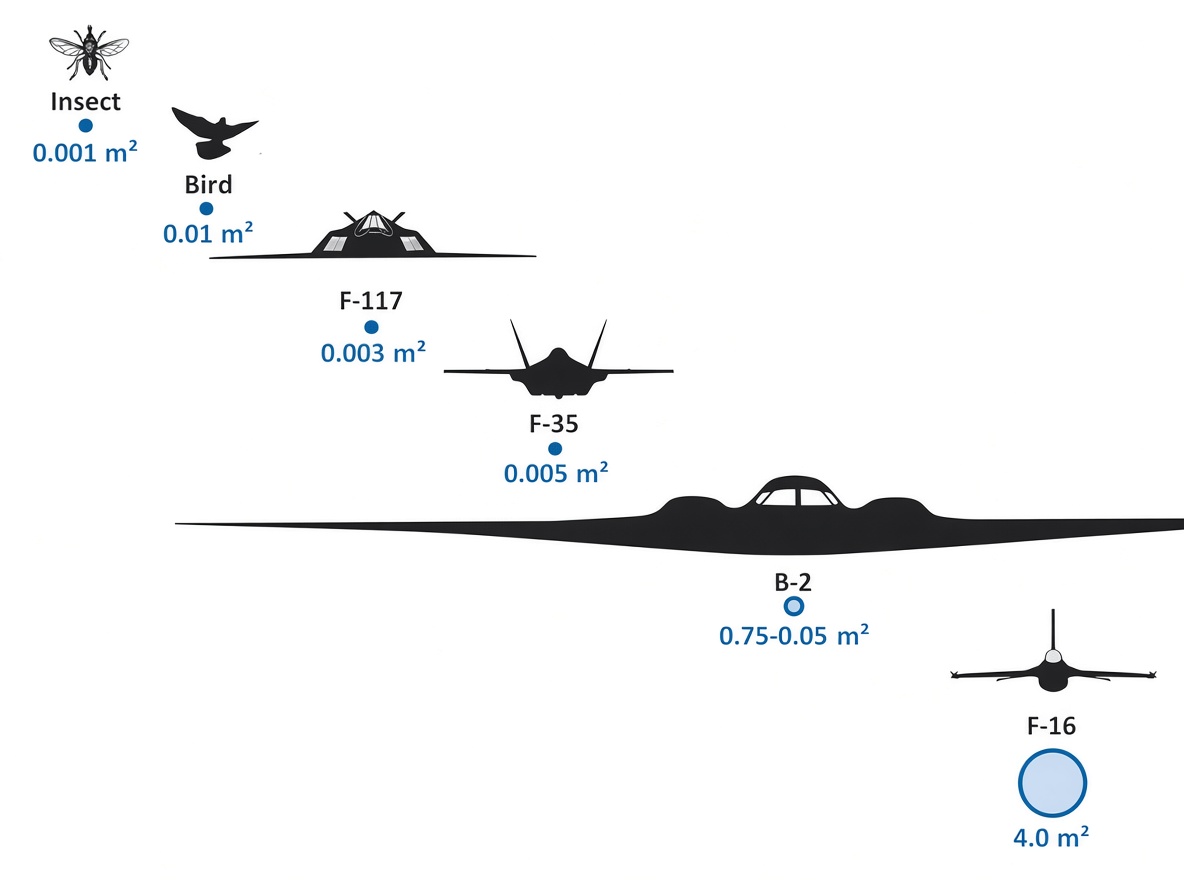
A radar may still pick up a stealth aircraft, but detecting it, tracking it continuously and getting an accurate enough position to engage it are different challenges. Low observable design is intended to make each of those steps more difficult.
What Actually Makes a Fighter Stealthy?
Three elements help explain how it works.
1. The shape of the aircraft
Think of a tilted mirror. When light hits it, the light bounces in another direction instead of straight back at you. Stealth aircraft use a similar idea with radar waves.
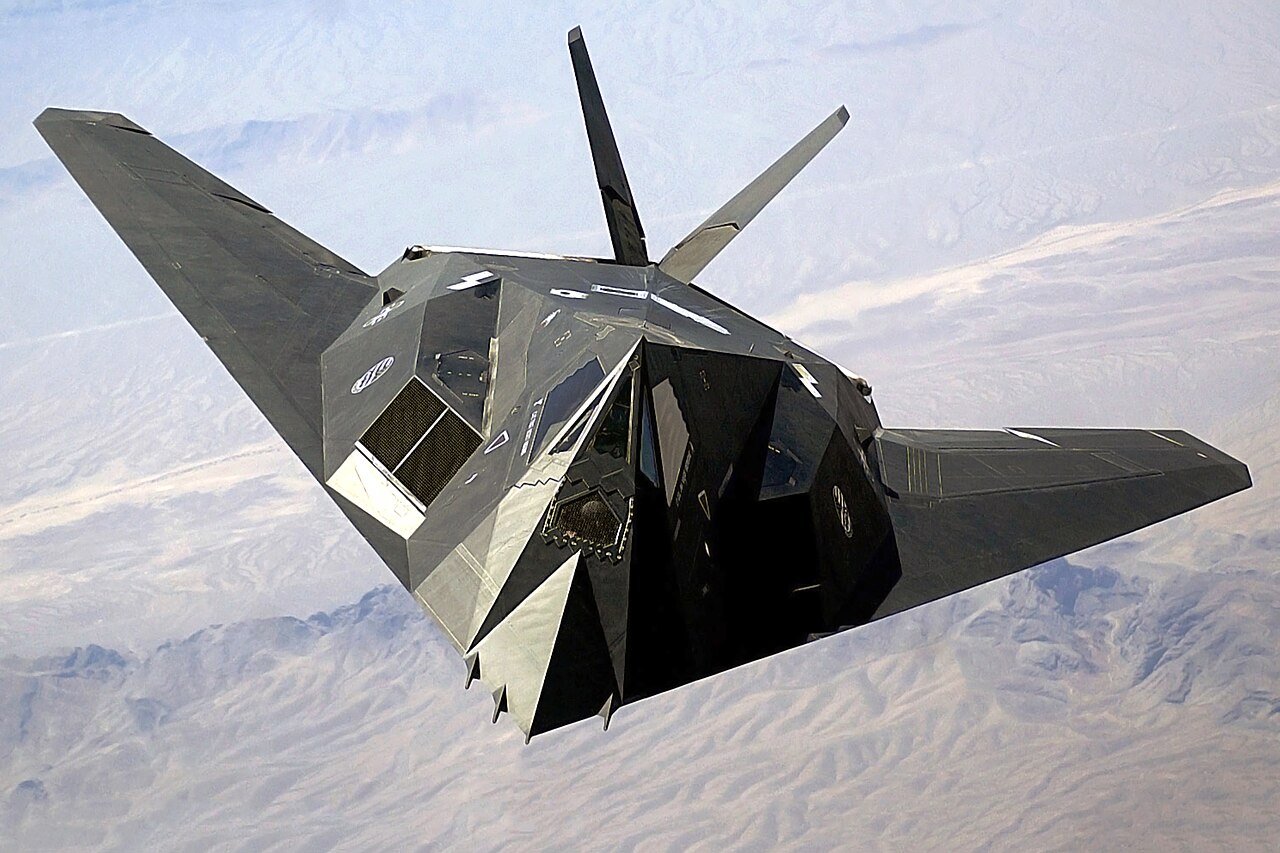
Stealth designers also have to deal with parts of an aircraft that can reflect radar strongly, including the engine intakes, cockpit and radar nose. A paper titled Stealth Technology and Air Warfare explains how aircraft geometry can be used to control these radar reflections.
That helps explain the unique shapes seen on stealth aircraft. Angled surfaces can send radar energy away from the radar, while specially designed air intakes can prevent radar from getting a direct view of the engine inside.
2. Radar absorbing materials
Stealth aircraft can also use special materials and coatings that absorb some of the radar energy that hits them, reducing the amount that bounces back.
A review in Advanced Electronic Materials explains that radar absorbing materials are designed to absorb electromagnetic waves, with their performance depending on factors such as working frequency and bandwidth.
So radar absorbing material is only one part of the design. It cannot turn an ordinary fighter into a stealth aircraft on its own.
3. Internal weapons bays
Missiles and bombs have their own edges, corners and surfaces that can reflect radar.
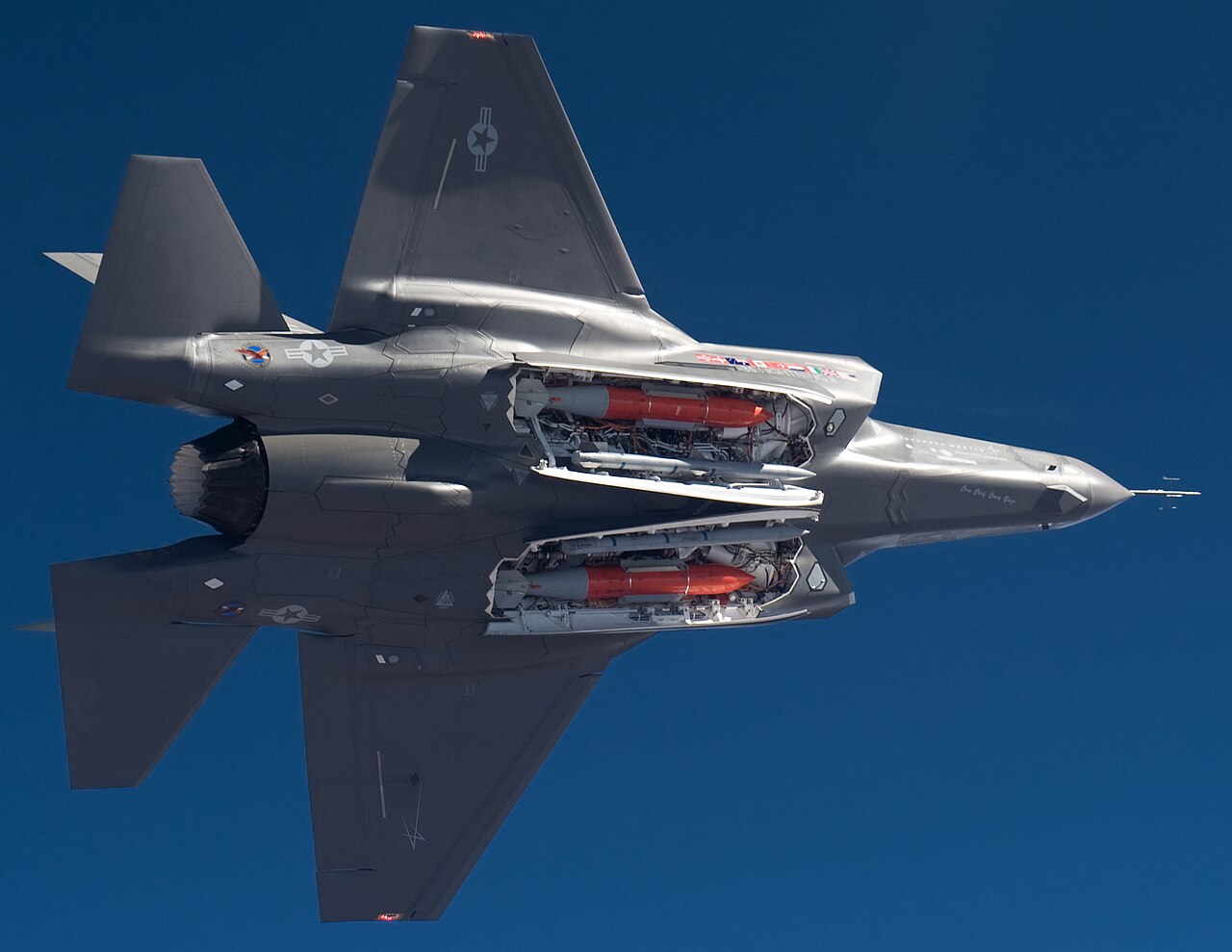
A 1998 US patent titled Low Observable Shape Conversion for Aircraft Weaponry notes that external bombs and missiles can significantly increase an aircraft's radar signature and undermine its low observable features. Stealth aircraft avoid this by carrying weapons inside internal bays, although doing so requires additional space inside the airframe.
This keeps the aircraft's outer shape cleaner, although designing enough internal space for weapons can also make the aircraft larger.
Singapore's F-35s
Besides its stealth design, Lockheed Martin lists an AN/APG-81 radar, six infrared cameras, a built-in targeting sensor and electronic warfare equipment on the F-35. The aircraft combines data from these systems into a single picture for the pilot, which can also be shared with other aircraft.
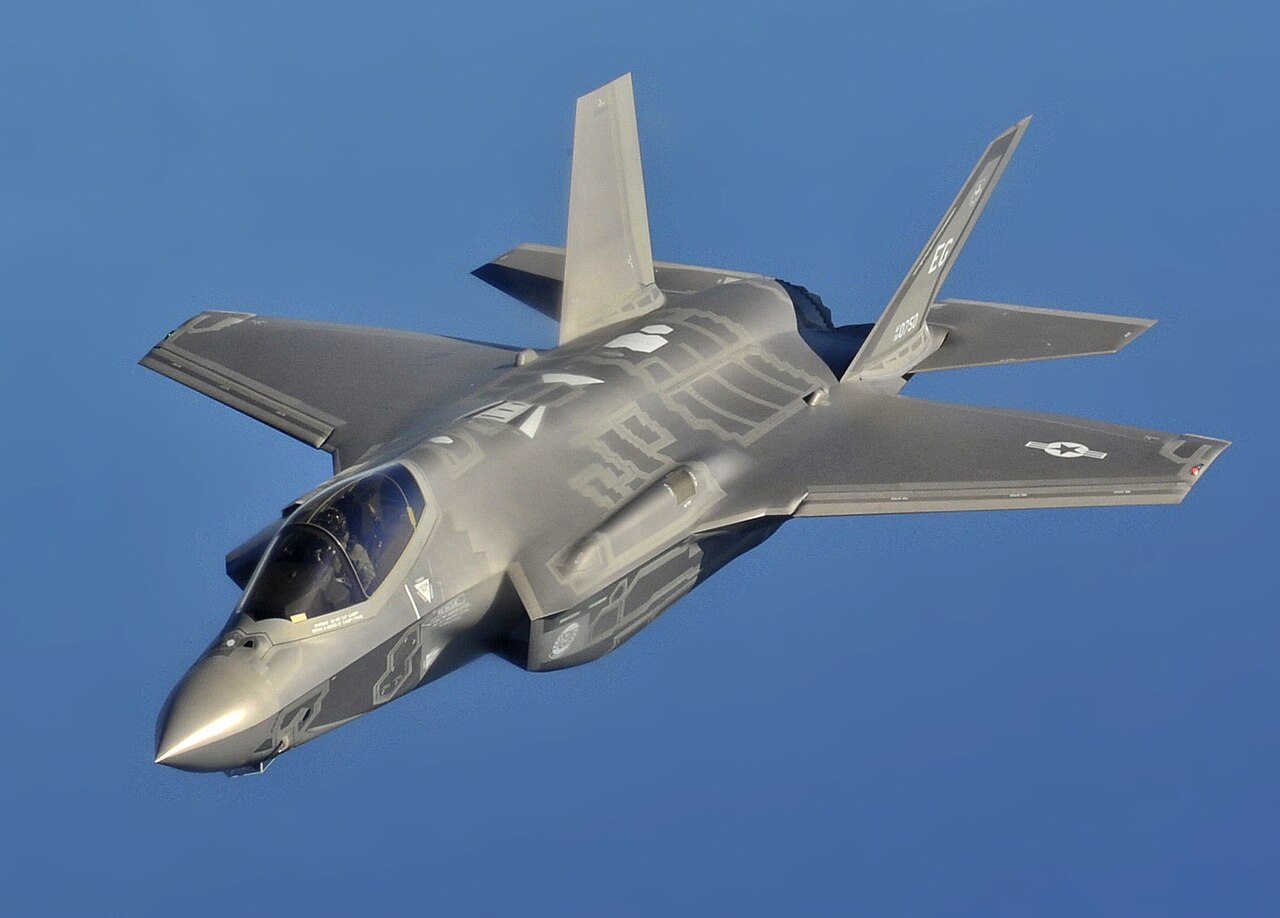
Singapore is set to become the first F-35 operator in Southeast Asia. Its order of 20 aircraft is made up of 12 F-35Bs, which can take off from short runways and land vertically, and 8 F-35As. Defence Minister Chan Chun Sing signed the wing of Singapore's first F-35 in Texas on September 12, 2025.
The Ministry of Defence said deliveries were on track for the end of 2026. The 12 F-35Bs are planned to be based at Ebbing Air National Guard Base in Arkansas, while the eight F-35As are scheduled to arrive at Tengah Air Base from the fourth quarter of 2029.
Exactly how difficult the F-35 is to detect cannot be determined from public information because its RCS is classified.
Indonesia's KAAN Order
Turkey is taking a similar approach with KAAN, its domestically developed fighter. Turkish Aerospace lists low radar visibility and internal weapon bays among the aircraft's features, alongside other capabilities associated with fifth-generation fighters.
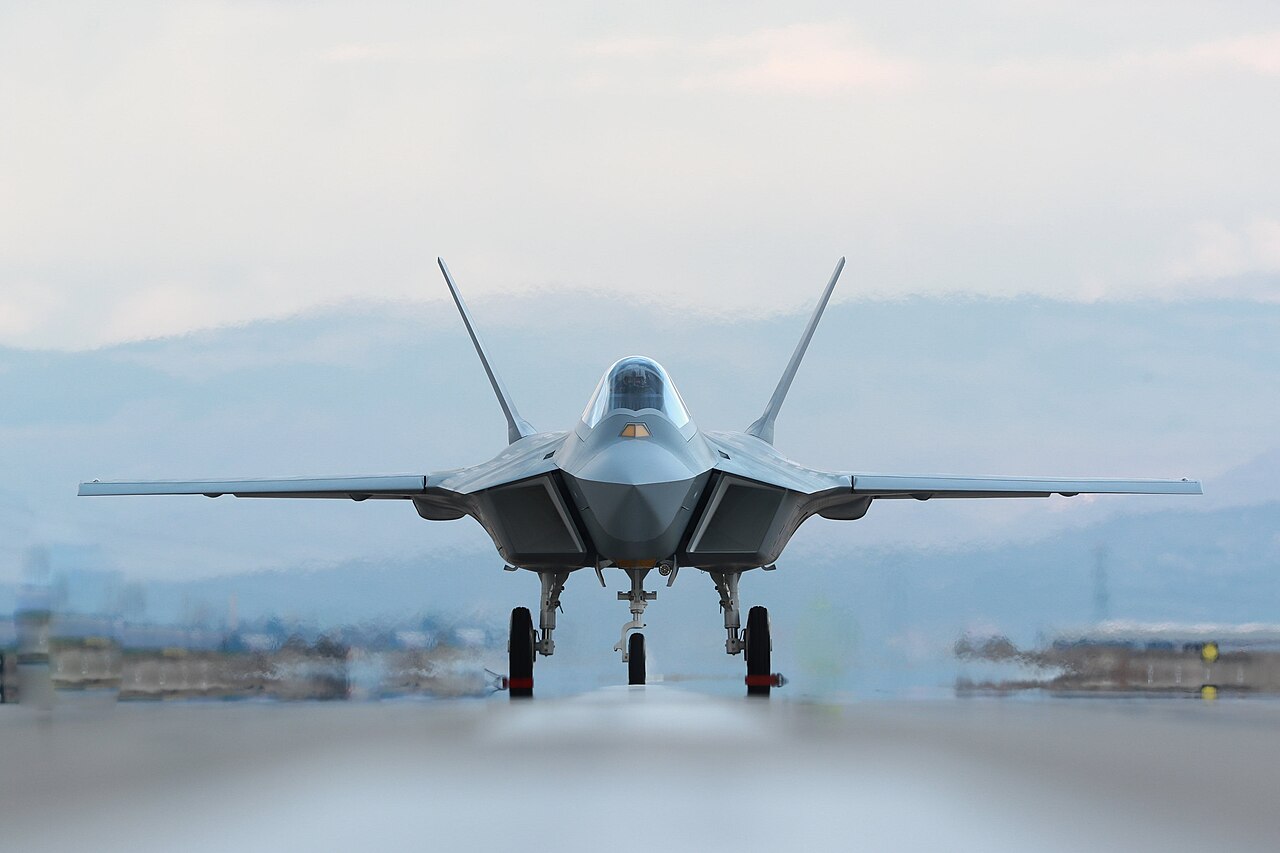
KAAN made its first flight on February 21, 2024, and has since continued flight testing. The aircraft is still under development, however, so a successful test flight does not by itself confirm that every planned capability, including its low observable performance, has been fully validated in operational conditions.
Indonesia is also set to become a KAAN customer. Indonesia's Ministry of Defence said an implementation contract for 48 aircraft was signed in Istanbul on July 26, 2025. The F-35 is already in operational service, while KAAN is still going through development and testing.
Hard to Track, Hard to Hit
A stealth fighter can still be seen with the naked eye, and radar can still pick up a trace of it.
What stealth changes is how strong that trace is. A weaker echo is harder to track, and a jet that is hard to track is harder to shoot at. That is why jets like the F-35 also carry sensors and electronic warfare gear, which give the pilot a picture of what is around them.