Indonesia’s Kopassus has been operating for more than seven decades, and its history is closely tied to some of the country’s most difficult military operations.
The red beret special forces unit was established in 1952, originally as Kesatuan Komando Tentara Territorium III/Siliwangi. It later went through several reorganizations and names before becoming Komando Pasukan Khusus, or Kopassus, meaning Special Forces Command.
Since then, its deployments have stretched from Indonesia’s internal conflicts to overseas hostage rescue missions.
Born From Insurgency
Kopassus traces its origins to the early years of independent Indonesia, when the military was dealing with armed rebellions across the country.
According to Indonesia’s Ministry of Defence, Its predecessor unit was formed in West Java in 1952 to deal with the Republik Maluku Selatan (RMS) rebellion in Maluku, which had broken out in July 1950.
The operation to crush the RMS uprising, led by Territorial Commander Colonel A.E. Kawilarang with Lieutenant Colonel Slamet Riyadi as field commander.
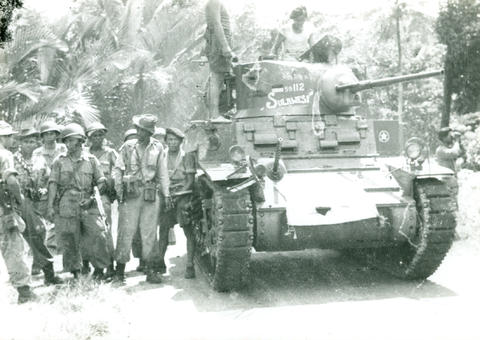
The operation succeeded but at a heavy cost to Indonesian forces. An outcome that exposed a lack of specialized combat skills and directly inspired the formation of a dedicated commando unit. The unit was formally established through Territorial Command III Order No. 55/Instr/PDS/52 on 16 April 1952.
It was subsequently involved in other major operations, including campaigns against the DI/TII and PRRI/Permesta rebellions, as well as Trikora and Dwikora during the 1960s.
These missions demanded troops who could survive in punishing terrain, gather intelligence, and strike fast skills that conventional units weren't built for.
Decades of Military Operations
Kopassus’ operational history did not stop with the conflicts of the 1950s and 1960s.
According to the Indonesia’s Ministry of Defence, the unit was subsequently deployed in operations including the 1970s Seroja operation in East Timor, security operations in Aceh and Papua, and several hostage rescue missions.
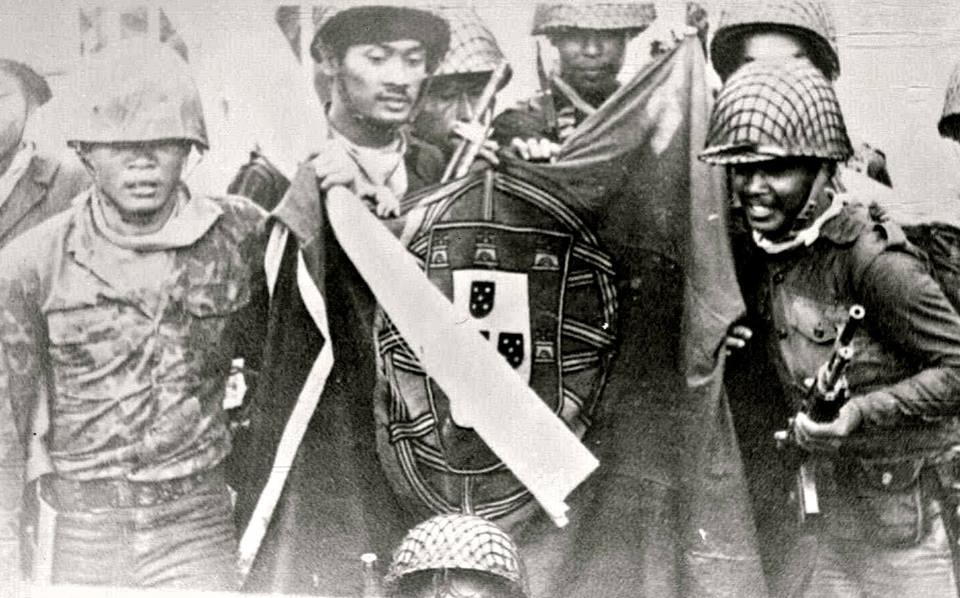
Seroja began on 7 December 1975, when Kopassus troops were dropped into Dili from nine C-130 Hercules aircraft, an assault that ran into fiercer resistance than expected from Fretilin's Tropas fighters, some of whom had trained under Portuguese officers in Mozambique and Angola.
One of the best known hostage rescue missions was the 1996 Mapenduma crisis in Papua, when Indonesian and international researchers from the Lorentz '95 expedition were seized by an OPM faction led by Kelly Kwalik.
The standoff stretched on for four months before Kopassus, then commanded by Brigadier General Prabowo Subianto, stormed the group's camp in Geselema village and freed the remaining captives, though two hostages had already been killed by their captors.
Indonesia’s Ministry of Defence says Kopassus received international recognition in 2008, when Discovery Channel Military ranked it as the world’s third best elite force, behind Britain’s SAS and Israel’s Mossad.
The International Stage
The unit has also been involved in operations far from home.
In 2011, Indonesian forces carried out the rescue of the crew of MV Sinar Kudus, an Indonesian flagged ship hijacked by Somali pirates in the Gulf of Aden. A Kopassus officer, then Colonel Doni Monardo, served as deputy commander of the task force involved in the mission, an assignment that later earned him a promotion to brigadier general.
Read here to learn more: When Indonesia Almost Launched an Amphibious Landing in Somalia
Kopassus has also conducted joint exercises with foreign special forces. In July 2012, it held Sharp Knife 2012 with China’s People’s Liberation Army (PLA) Special Forces in Jinan, Shandong.
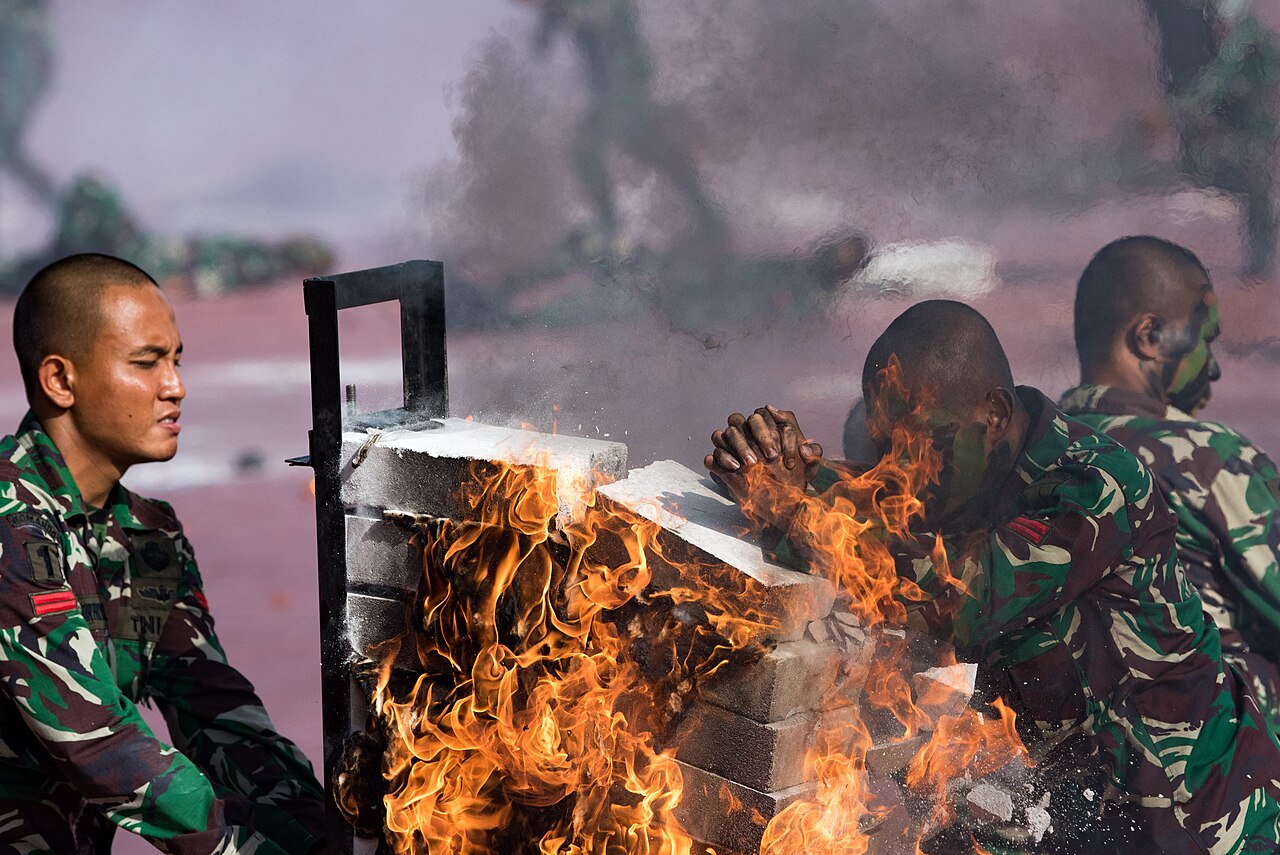
According to Indonesia's Ministry of Defence, around 90 Kopassus personnel flew into Jinan aboard an Air Force Hercules for the exercise, joining a PLA contingent for a two week drill that involved roughly 144 personnel from both sides in total.
The exercise was the second joint counterterrorism drill between Kopassus and the PLA Special Forces.
Getting Bigger
Kopassus is not a Cold War era force preserved in its old form.
In August 2025, the Indonesian military expanded Kopassus from three groups to six, spreading its bases across the country's major islands instead of concentrating them, as before, on Java. The move was formalized through a presidential decree, and the unit's overall command was elevated from a two star to a three star post.
The commander's title changing from "Danjen" (Komandan Jenderal) to "Panglima Kopassus" putting the position on par with the commanders of Indonesia's other elite corps, the Marine Corps and the Air Force's Rapid Reaction Command, who received the same promotion in the same decree.
Kopassus continues to maintain specialized counter terrorism capabilities. Its Sat-81/Gultor unit forms part of the TNI's joint special operations structure alongside the Navy's Denjaka and Air Force's Satbravo 90.
Kopassus' history is not without controversy. Indonesia's Ministry of Defence itself has acknowledged that the unit's name was tarnished by human rights violations near the end of the New Order era. The four decade period of authoritarian rule under President Soeharto, which lasted from 1966 to 1998.
More than seven decades after its formation, Kopassus remains one of the most prominent names in Indonesia’s military.