


Egyptian President Abdel Fattah El-Sisi’s visit to Indonesia concluded with four cooperation agreements and a commitment to pursue US$5 billion in bilateral trade by 2030. His October 11 meeting with President Prabowo Subianto at Merdeka Palace gave their strategic partnership a clearer working agenda, spanning investment, fisheries, education and diplomatic cooperation.
A Friendship Gains New Direction
The October 10–11 visit followed Prabowo’s trips to Egypt in December 2024, April 2025 and October 2025. The relationship was elevated to a Strategic Partnership during the April visit, creating the foundation for the action plan agreed upon in Jakarta this weekend.
The leaders witnessed agreements covering the Strategic Partnership Action Plan, statistical cooperation, maritime affairs and fisheries, and visa exemptions for diplomatic, service and special passport holders. Indonesian Foreign Minister Arrmanatha Nasir and Egyptian Foreign Minister Badr Abdelatty signed the action-plan document, while the fisheries memorandum was presented by Indonesian Fisheries Minister Sakti Wahyu Trenggono and Abdelatty.
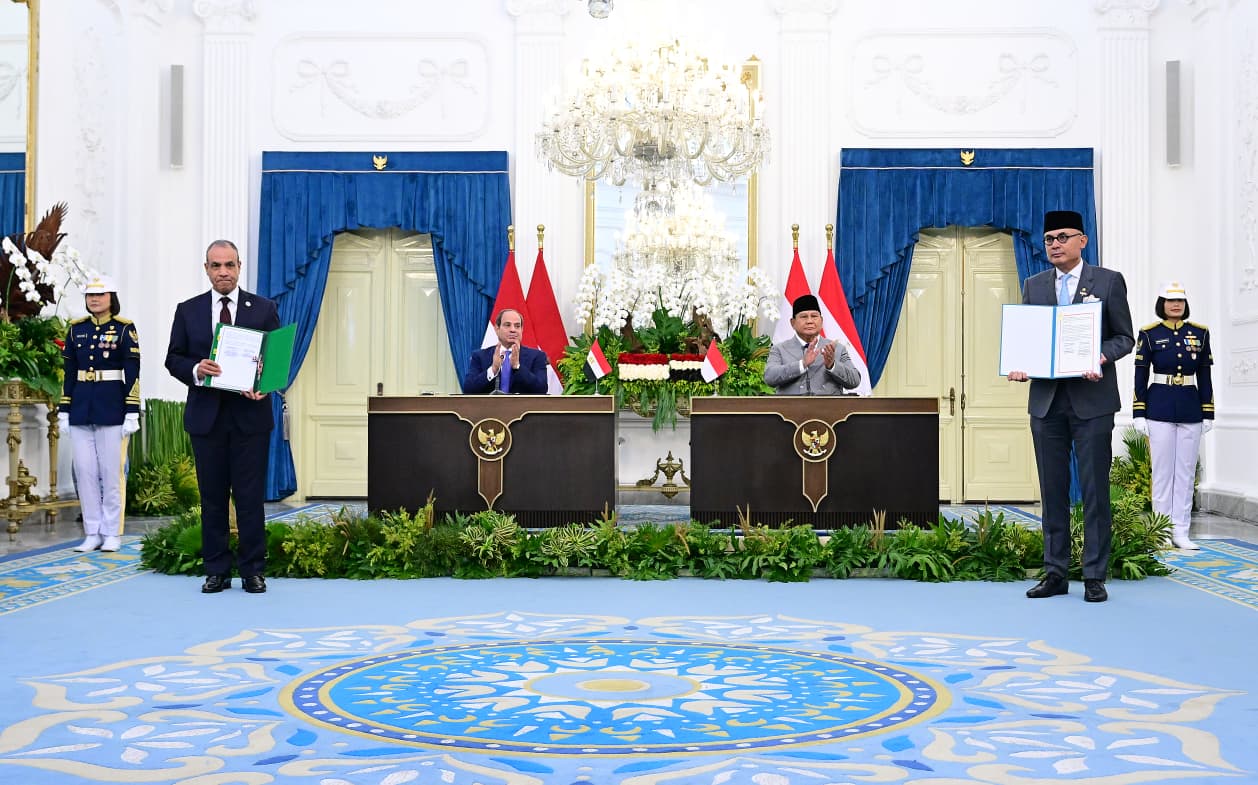
These are concrete institutional outcomes, although signing does not establish that every measure is already operational. The visa arrangement concerns designated official passport categories rather than a general tourist waiver. Similarly, the statistical agreement provides a basis for cooperation; it should not yet be treated as an operational, integrated economic-data system.
The fisheries agreement gives both countries a framework for exchanging expertise, conserving marine resources and combating illegal fishing. For coastal communities and fisheries agencies, its potential value lies in the technical programmes and practical cooperation that follow.
Opening More Doors for Trade
The summit’s most measurable economic ambition was the 2030 trade target. El-Sisi said the countries would work toward “increasing the volume of bilateral trade to five billion U.S. dollars by 2030”.
Egypt’s State Information Service reported trade of US$1.6 billion during January–August 2026, compared with US$1.4 billion a year earlier—approximately 14 percent growth based on the rounded figures. The new target therefore provides a benchmark against which future commercial progress can be assessed.
Prabowo and El-Sisi also backed efforts to establish an Economic Partnership Agreement and welcomed a proposed Joint Investment Fund. Neither announcement amounted to a completed trade pact or confirmation that a fund had begun deploying capital. Financing arrangements, project selection and implementation remain important next steps.
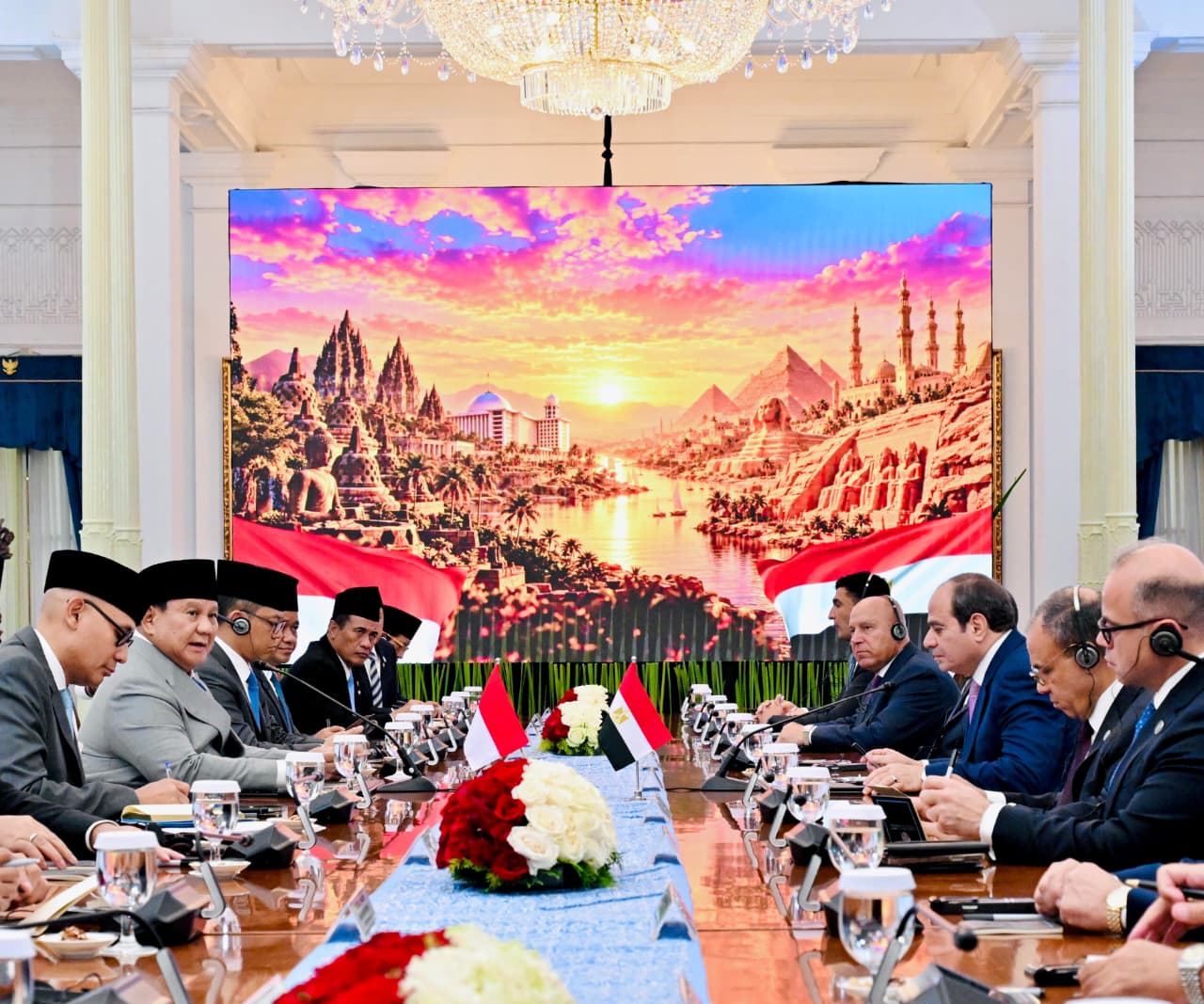
“These agreements demonstrate a shared commitment to continue strengthening the Indonesia-Egypt strategic partnership,” Prabowo said.
The joint statement identified cooperation between Indonesia’s Danantara and Egypt’s Future of Egypt for Sustainable Development agency, highlighting palm oil and its derivatives, phosphate fertilisers and related raw materials. It also encouraged investment opportunities in infrastructure, energy, logistics and agribusiness.
For Indonesia, these priorities could support export diversification and access to agricultural inputs. For Egypt, they offer opportunities to expand fertiliser sales, attract manufacturing investment and strengthen supplies for food-processing industries. The practical gains will depend on commercially viable projects, predictable regulations and participation by businesses beyond the largest commodity suppliers.
Education Builds Lasting Connections
Education emerged as another area with direct implications for people. Prabowo welcomed Egypt’s support for additional scholarships in medicine, engineering and science, alongside expanded student exchanges, university partnerships and joint research. The announcements did not specify scholarship numbers or application schedules.
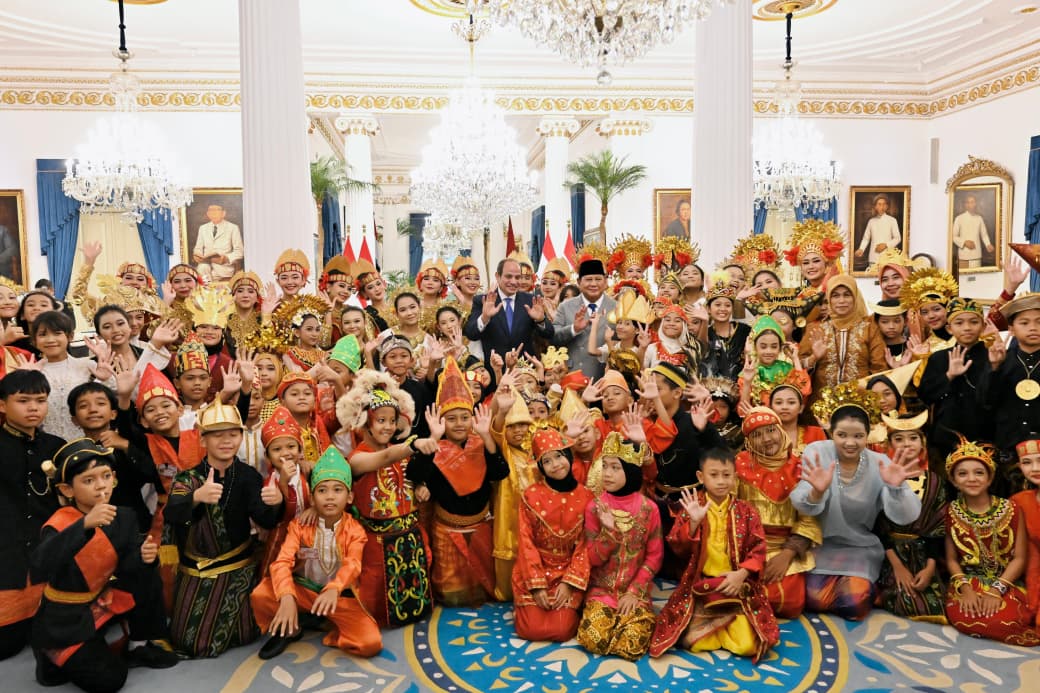
The discussions also recognised Al-Azhar University’s November 2025 decision to incorporate Indonesian into its Faculty of Languages and Translation curriculum. Alongside Arabic-language education in Indonesia, this creates a more reciprocal foundation for cultural understanding.
For Indonesian students, the proposed expansion could broaden pathways beyond established religious studies. Egyptian institutions could benefit through research partnerships, teaching exchanges and closer engagement with Indonesia. Turning those possibilities into accessible programmes will require clear eligibility rules, funding and institutional agreements.
Shared Diplomacy, Practical Responsibilities
The leaders reaffirmed support for Palestinian statehood, condemned Israeli settlement activity and rejected the forced displacement of Palestinians. Indonesia acknowledged Egypt’s role in facilitating humanitarian assistance to Gaza and reaffirmed its own commitment to supporting Palestinians.
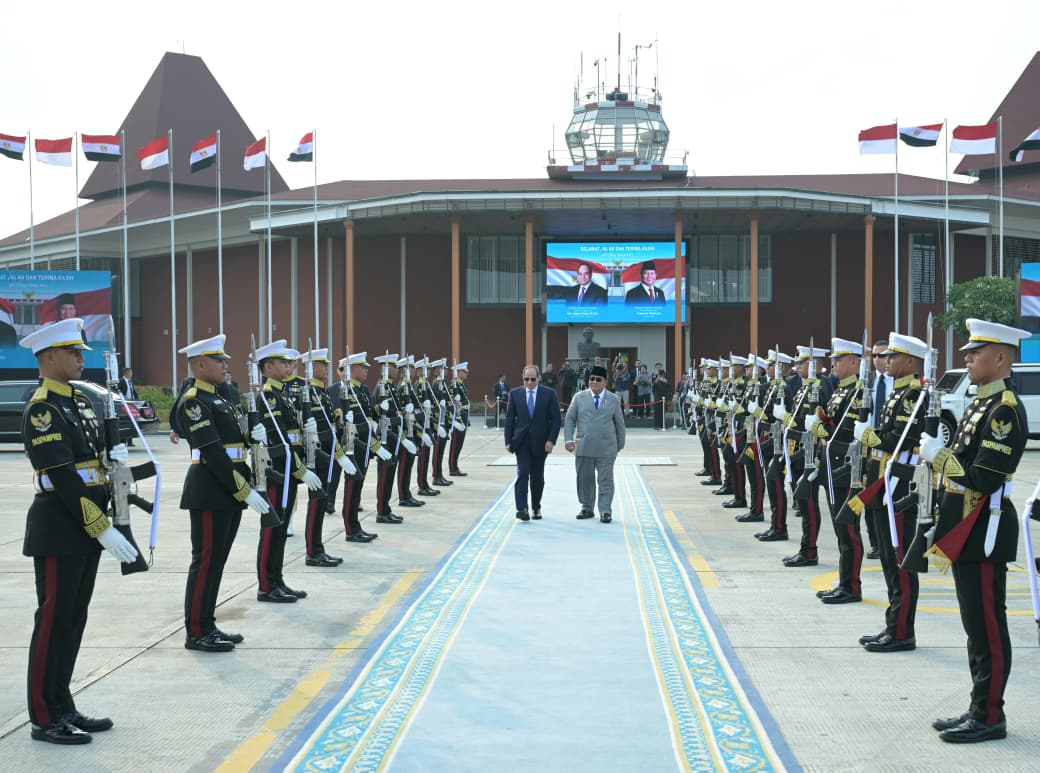
Defence cooperation also featured in the talks, including plans for training, education and exchanges involving officials and experts. These commitments establish areas for further work rather than evidence of completed procurement contracts or an operational military alliance.
The visit leaves both countries with signed cooperation documents and a more ambitious economic and educational agenda. Its lasting achievement will be measured through implemented programmes: investment reaching viable projects, students accessing opportunities, fisheries cooperation producing results and humanitarian commitments delivering assistance.


