A vendor pours tea from one metal mug into another, sometimes lifting the stream high above the counter, until the surface turns to foam. Within seconds, a glass of teh tarik is ready to go out with a plate of roti canai.
The drink has been on Malaysia’s National Heritage list since 2009. No official source can say who made it first, or in what year.
Who Brought Teh Tarik to Malaya
Teh tarik, which means “pulled tea” in Malay, is closely associated with the Indian Muslim community and its influence on the food culture of the Malay Peninsula.
Its history is linked to the migration of Indian community during the British colonial period, when people arrived in the region for work, trade and business. Indian Muslim traders and food vendors sold tea and food from stalls and eateries, and so spread tea-drinking in the region.
Singapore’s National Heritage Board traces teh tarik to Indian immigrants who brought the drink to the region. It is typically prepared by mixing tea with condensed milk or evaporated milk, then pouring the mixture repeatedly between two vessels to create its characteristic froth.
The drink’s exact origins, however, remain unclear. According to Singapore’s National Heritage Board, teh tarik emerged after the Second World War, when Indian Muslim immigrants set up drink stalls known as sarabat stalls near rubber plantations to serve workers.
Pulled, not Stirred
The name teh tarik comes from the way the drink is prepared.
Tea and milk are poured back and forth between two vessels, mixing the ingredients and leaving a layer of foam on top. The technique has become closely associated with the drink itself, and Singapore’s National Heritage Board documents it as part of teh tarik’s preparation.
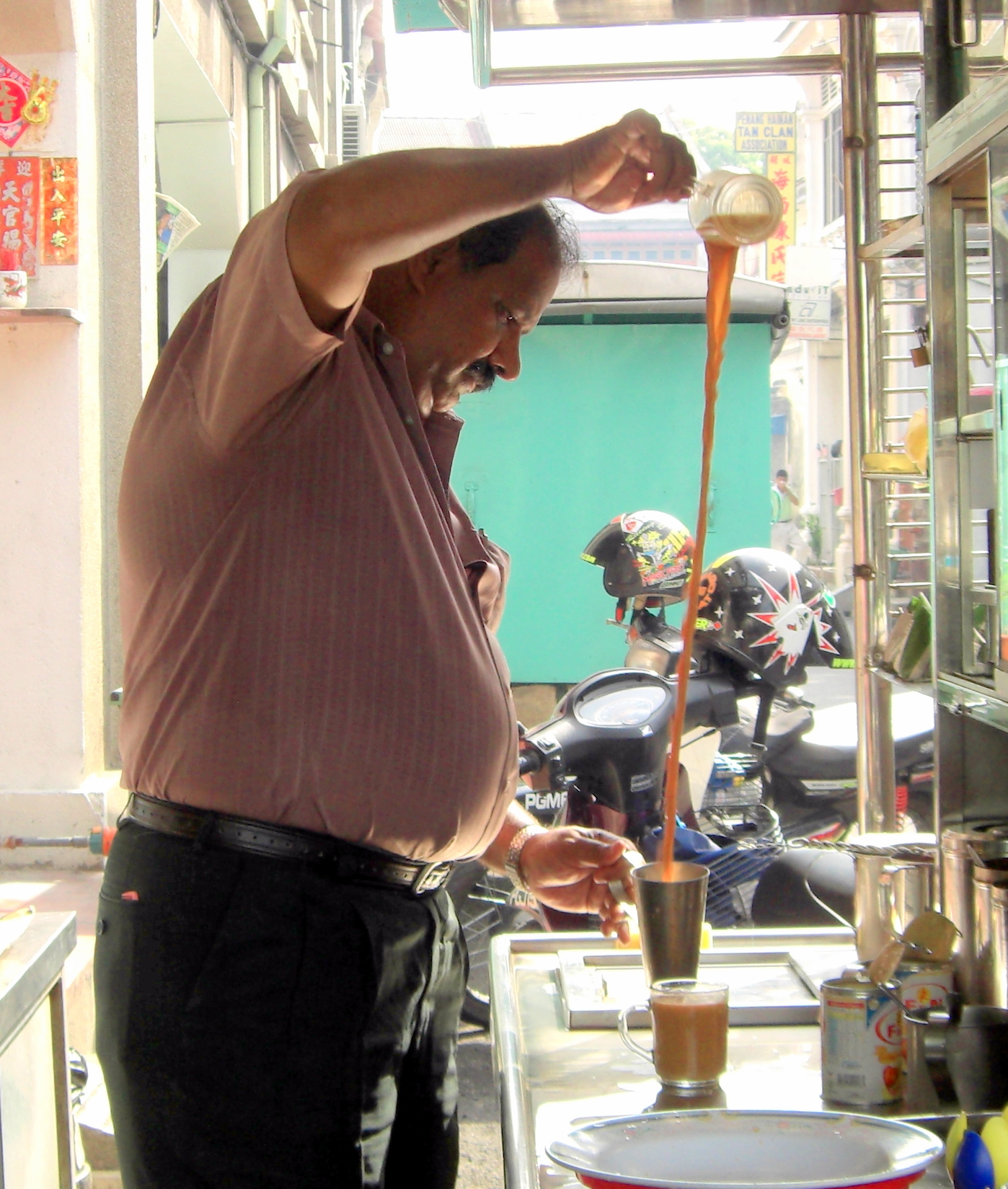
The drink combines strong tea with sweet condensed milk, sometimes with evaporated milk for a creamier texture. Many Indian chai preparations commonly use fresh milk and may include spices, though recipes vary on both sides.
In Malaysia, teh tarik is closely tied to mamak stalls, eateries rooted in Indian Muslim food traditions. They commonly serve it alongside dishes such as roti canai, while customers from different ethnic and social backgrounds gather to eat, talk and spend time together.
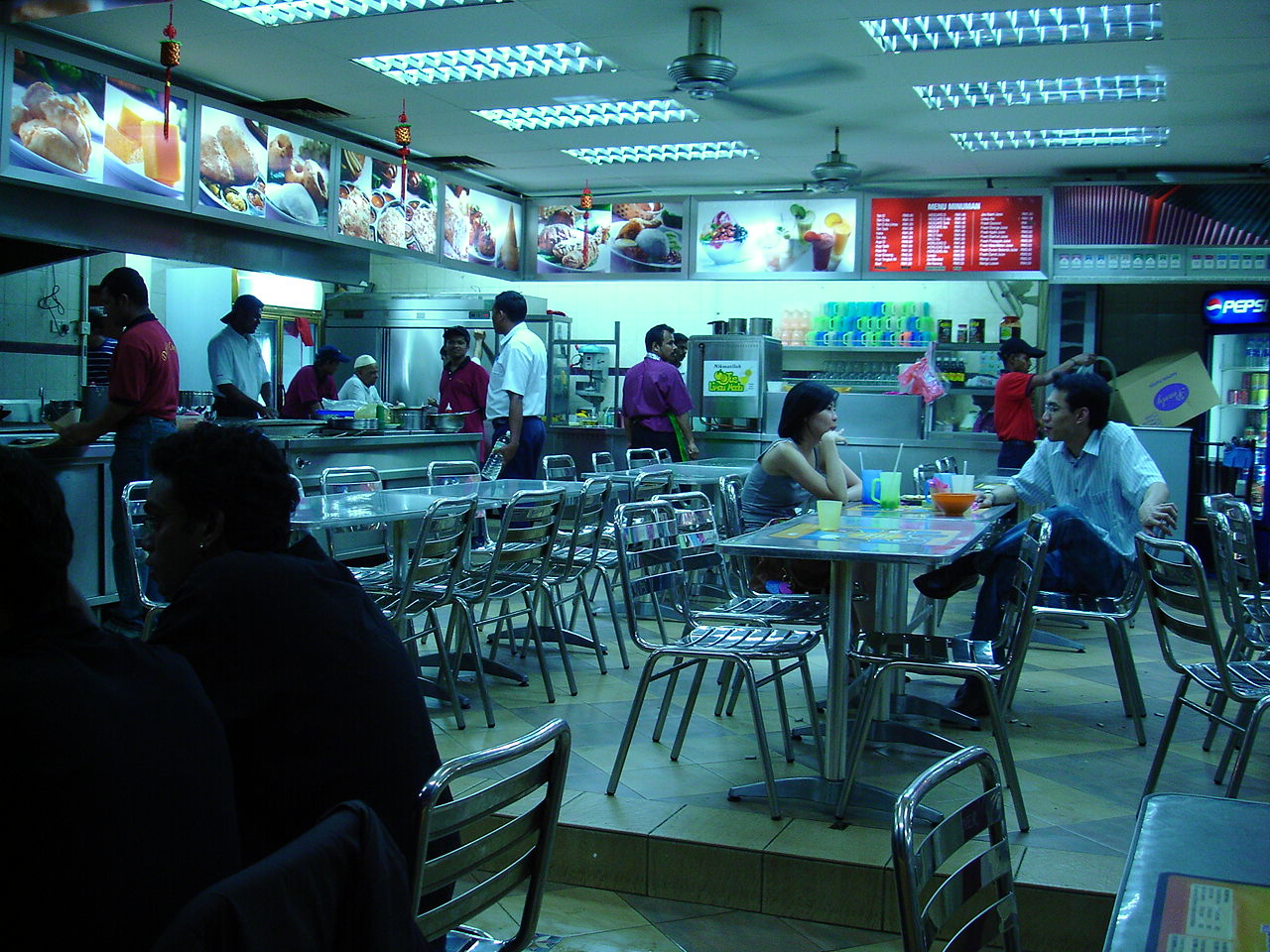
Although the drink is associated with Indian Muslim food traditions, it is no longer confined to one community.
Teh tarik has even made its way into diplomatic meetings. During a visit to Kuala Lumpur in September 2022, Singapore’s then Deputy Prime Minister Lawrence Wong sat down for teh tarik with Malaysia’s then Finance Minister, Tengku Zafrul Aziz. Malay Mail dubbed the meeting “teh tarik diplomacy”.
On The Heritage Register
Malaysia’s Department of National Heritage included teh tarik in its 2009 National Heritage register, recognising the drink as part of the country’s culinary heritage.
In December 2024, UNESCO inscribed Breakfast Culture in Malaysia: Dining Experience in a Multi-Ethnic Society on its Representative List of the Intangible Cultural Heritage of Humanity. The inscription covers a broader living tradition of preparing and sharing breakfast, including foods such as nasi lemak and roti canai, as well as drinks such as teh tarik. Teh tarik was not inscribed as a separate item.
UNESCO notes that Malaysian breakfast foods, although originally associated with particular ethnic communities, are now enjoyed by people across ethnic backgrounds.
In May 2026, Penang gazetted teh tarik among 28 traditional food items under the Penang State Heritage Enactment 2011. Singapore’s National Library Board records the drink’s place in the city’s food culture, including its association with sarabat stalls and Indian migrant communities.