


In 1860, a novel was published in the Netherlands that offered readers a different view of life in the colony. Its title was Max Havelaar. The book was written by Eduard Douwes Dekker, a former Dutch colonial official who had served in Lebak, Banten, before leaving his post following a dispute with his superiors.
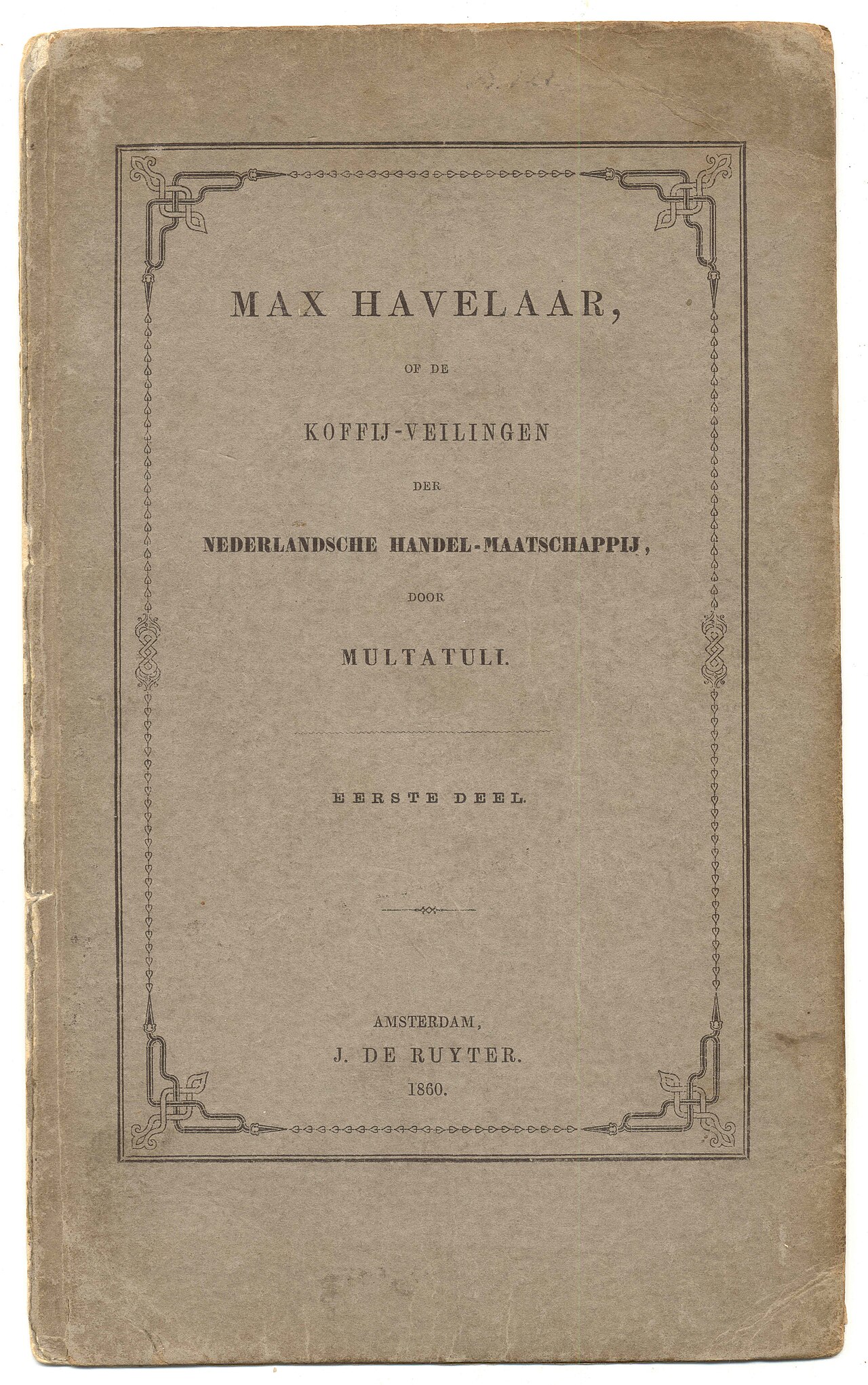
His experiences in Lebak became the foundation of the novel. Douwes Dekker wanted to show how people in the Dutch East Indies faced forced labor, compulsory levies, and abuses of power.
To publish it, he used the pen name Multatuli, derived from Latin and meaning “I have suffered much.”
How the Story Began
The story began in January 1856, when Douwes Dekker took up his post as assistant resident of Lebak in Rangkasbitung. According to the Multatuli Museum, on February 12, he sent a written inquiry to the regent about forced labor and compulsory levies.
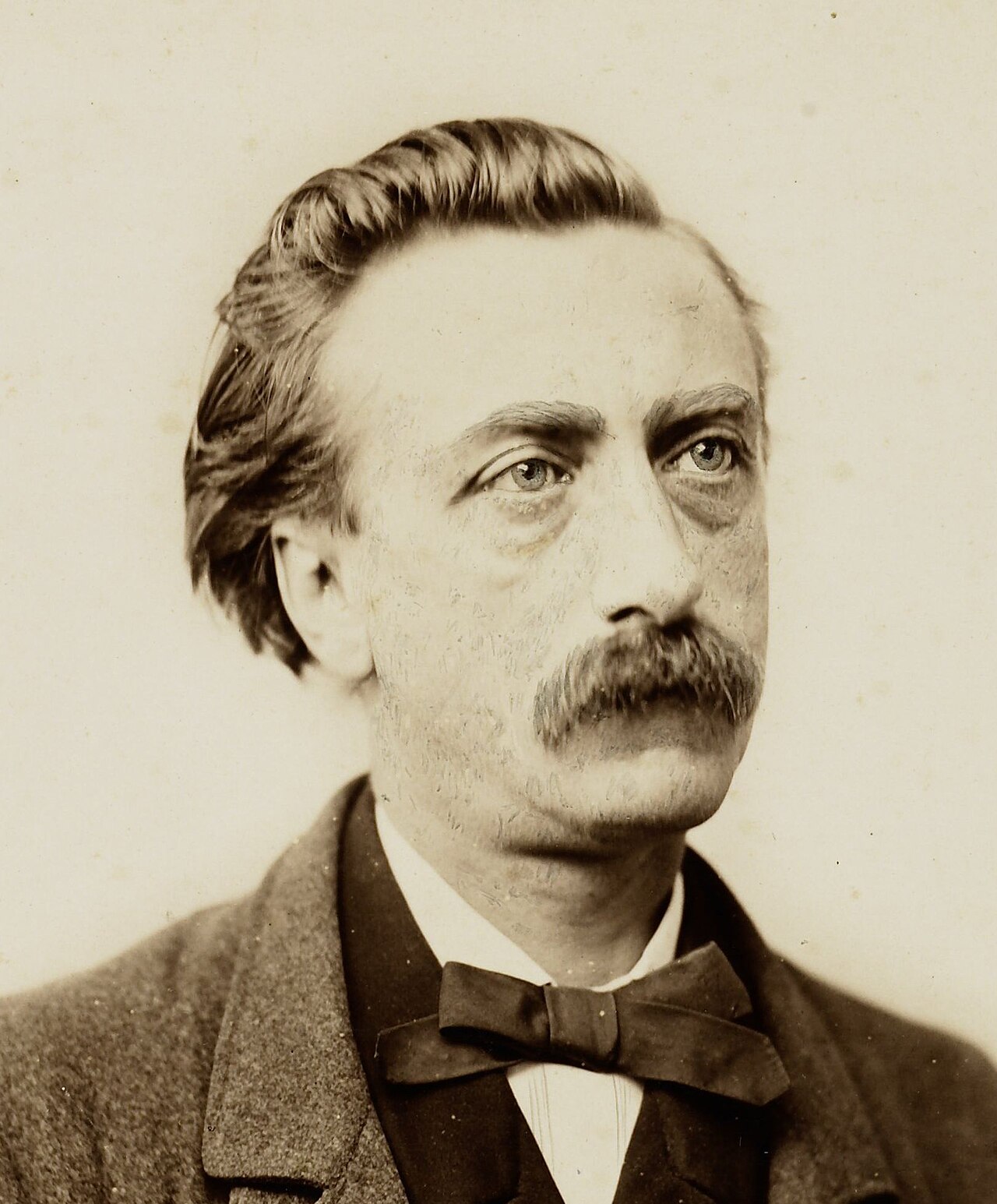
Twelve days later, he reported his suspicions of the regent’s abuse of power to the Resident of Banten, C. P. Brest van Kempen, in Serang. Unfortunately, the matter did not lead to an investigation that satisfied Douwes Dekker.
After receiving a reprimand from Governor-General Duymaer van Twist, dated March 23, he submitted his resignation on March 29, 1856. He had held the position for less than three months.
After leaving Lebak, Douwes Dekker turned his experiences into writing. Four years later, the story became Max Havelaar, a novel criticizing the way the colonial government exercised its power.
When the Manuscript Had to Be Changed Before Publication
Turning criticism into a book proved difficult. Douwes Dekker handed the manuscript of Max Havelaar to Jacob van Lennep, a well-known Dutch writer.
According to Saskia Pieterse, a Dutch literature scholar who discussed the novel in the Journal of Dutch Literature, Van Lennep considered the manuscript a masterpiece but feared its contents could provoke an uprising in the Dutch East Indies.
Van Lennep subsequently sold the manuscript to publisher J. de Ruyter. During the process, he removed several place names, characters’ names, and dates.
These changes were intended to make the story harder to connect to specific people and events, allowing it to be marketed more easily as literature rather than a political pamphlet.
Van Lennep also proposed removing the novel’s closing speech. Douwes Dekker rejected the suggestion because the passage contained the demands he wanted to make. In it, Multatuli addressed the King of the Netherlands directly and urged Dutch politicians to take action.
Max Havelaar was finally published in May 1860. However, changing the manuscript was not the only obstacle. After publication, Douwes Dekker also struggled to make his work more widely available, particularly in the Dutch East Indies.
A Novel That Sparked Debate but Remained Out of Reach
In the Netherlands, Max Havelaar sparked fierce debate, and the controversy eventually reached parliament. The novel brought accounts of abuses of power in the Dutch East Indies to a society that had long benefited from colonial rule.
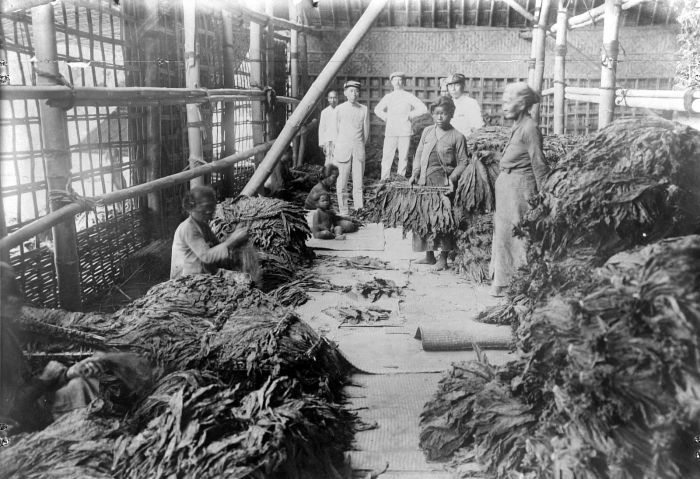
However, the book was not easily accessible to everyone. According to the Multatuli Museum, the first edition had a small print run and was sold at a high price. Douwes Dekker was also unable to freely reprint his work because Van Lennep held the copyright.
That changed in 1875, when the copyright to Max Havelaar returned to Douwes Dekker. He could finally publish a new edition restoring the original names and dates that Van Lennep had removed.
Over time, the novel gained a stronger place in Dutch public life. Darren Zook, a historian who studies colonialism and nationalism in Southeast Asia, noted that roughly a decade after Multatuli’s death, Max Havelaar had become almost required reading and a marker of identity for political groups ranging from radicals to the mainstream.
Yet the debate surrounding the novel leaves an important question unanswered. How much influence did it actually have on Dutch colonial policy?
Did Max Havelaar Help Bring About the Ethical Policy?
To understand the novel’s influence, we need to look at the changes that followed its publication. In the 1870s, the Cultivation System, or Cultuurstelsel, which required people in certain areas to grow export crops for the colonial government, began to be dismantled.
The Agrarian Law of 1870 also opened the way for private companies to develop plantations in the Dutch East Indies.
However, the end of the Cultivation System did not mean the end of exploitation. Private companies took on a larger role in plantation agriculture, while people continued to face inequality under colonial rule.
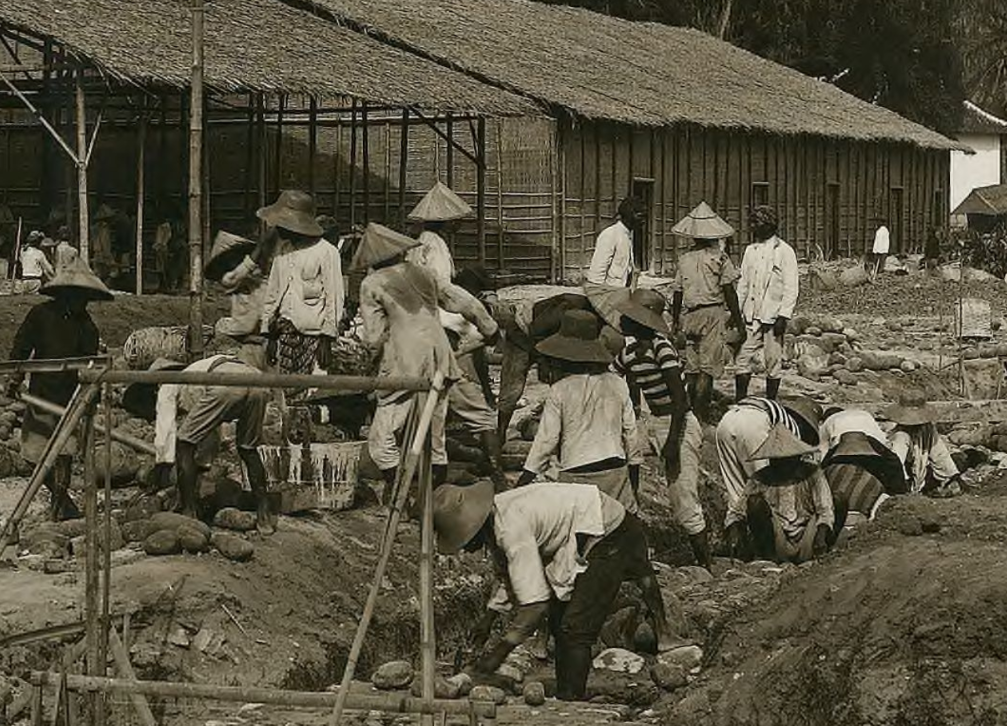
Debates over the Netherlands’ responsibility toward its colonial subjects continued to develop. In 1899, Dutch lawyer C. Th. van Deventer published an essay titled Een Eereschuld, or “A Debt of Honor,” in the journal De Gids. He argued that the Netherlands owed a moral debt to the people of the Dutch East Indies because of the wealth it had gained from the colony.
This idea helped lay the groundwork for the Ethical Policy, introduced in 1901 through programs focused on irrigation, population resettlement, and education.
So, did Max Havelaar help drive these changes?
Indonesian writer Pramoedya Ananta Toer believed it did. In his 1999 essay for The New York Times Magazine, titled The Book That Killed Colonialism, he argued that Multatuli’s novel helped Dutch liberals pressure the government to change its colonial policies.
Pramoedya also highlighted education as one of the important consequences of the Ethical Policy.
However, the relationship between the novel and these policy changes remains disputed. Saut Situmorang, an Indonesian essayist and literary critic, pointed out that education under the Ethical Policy primarily benefited the indigenous aristocracy. Access to schooling remained far from universal.
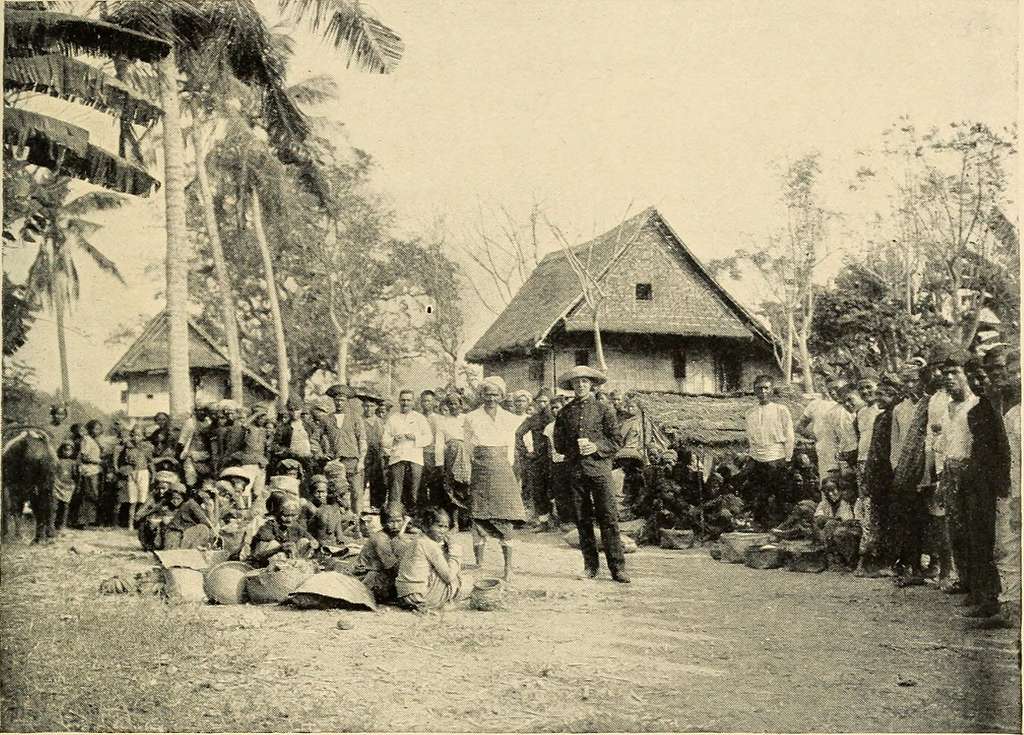
Zook also noted that J. de Louter, a Dutch legal scholar who wrote about government in the Dutch East Indies in 1914, discussed the history of the Cultivation System without mentioning Multatuli.
For Zook, this raises questions about how much influence the novel actually had on colonial policy. He argues that Max Havelaar called for reforming the empire rather than abolishing colonialism.
Others have gone further, suggesting that the novel may actually have helped preserve Dutch colonial rule. Gustaaf Peek, a Dutch novelist whose view was cited by Vrije Universiteit Amsterdam, has advanced this interpretation.
Meanwhile, Jacqueline Bel, a professor of Dutch literature at Vrije Universiteit Amsterdam, has defended the continuing relevance of Multatuli’s criticism.
These differing views show why Max Havelaar cannot simply be treated as the direct cause of the Ethical Policy. The novel was an important critique of colonial abuses, but policy changes were also shaped by other political debates and interests.
From Kartini to Sukarno, a Critique That Endured
Although the novel’s influence on colonial policy remains disputed, Multatuli’s ideas continued to be read and invoked by Indonesian figures. Raden Ajeng Kartini, known for her ideas on education and women’s position in society, was among its readers.
In a letter to Stella Zeehandelaar on November 6, 1899, she wrote, “I have read ‘Max Havelaar’… I think much, very much, of Multatuli.” In January 1900, after reading another of his works, Minnebrieven, for the second time, Kartini again praised the writer’s brilliance.
Three decades later, Sukarno brought a similar critique into the struggle for independence. In his 1930 defense speech, Indonesia Menggugat (Indonesia Accuses), he cited historian J. E. Stokvis’s observation that the end of the Cultivation System had meant little more than “the victory of one pump over another.”
Sukarno then drew on Multatuli’s metaphor of Java’s produce being sucked through a network of pipes into a single steam engine. When private companies took over the plantations, the metaphor suggested, each profiteer brought their own pump. The people running the system had changed, but the people of Java continued to bear the burden of exploitation.
By invoking Multatuli, Sukarno showed that changing the colonial economic system did not automatically end the unequal relationship between rulers and the population. A critique born from a Dutch official’s experiences in Lebak had become part of the thinking behind Indonesia’s independence movement.
The book’s long journey continued until 1972, when Max Havelaar was finally published in a complete Indonesian translation by H. B. Jassin and Djambatan, making the novel accessible to Indonesian-language readers.


