


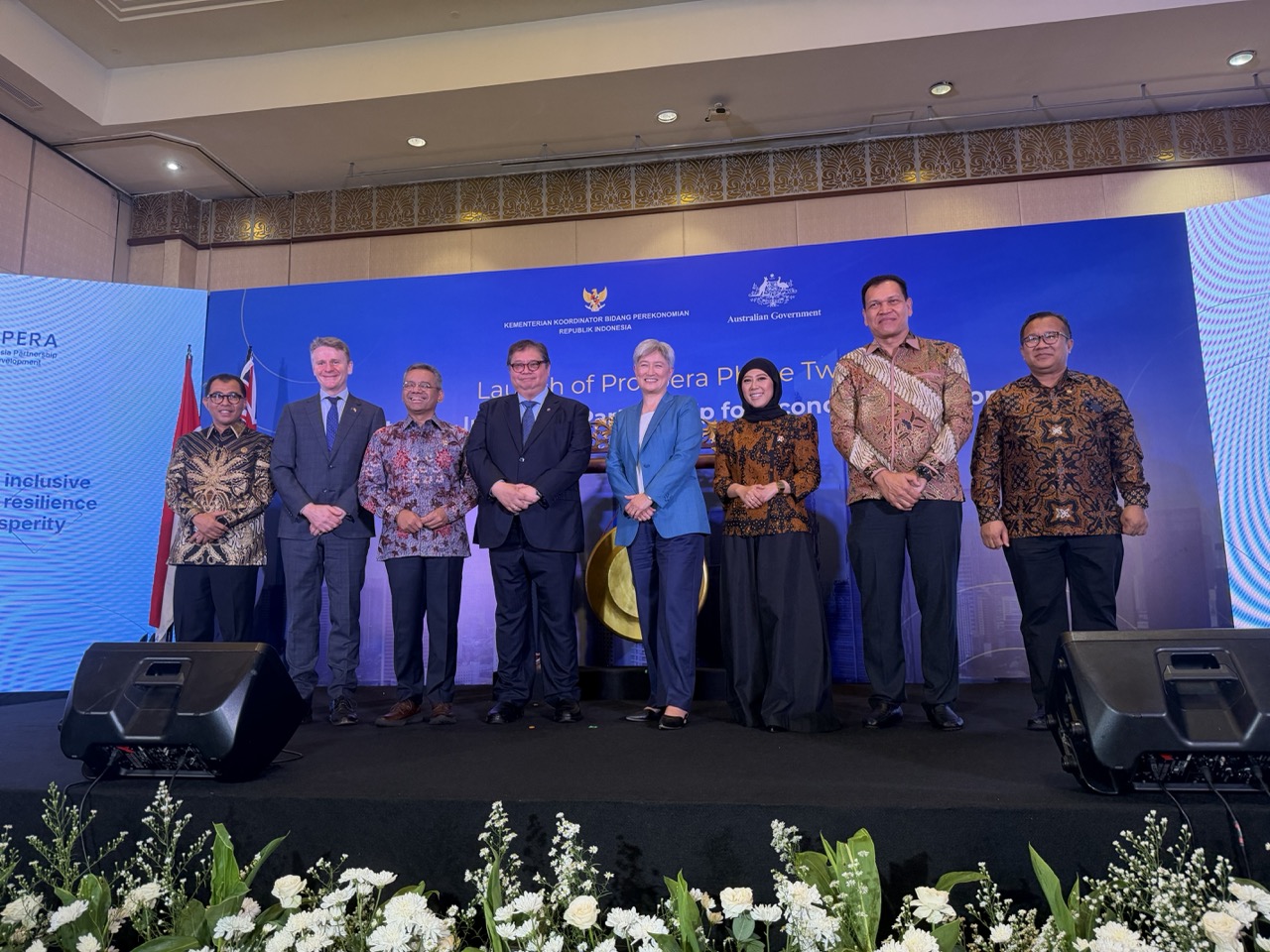
Australia and Indonesia launched the next phase of Prospera in Jakarta on October 22, 2026, committing A$420 million through 2035 to strengthen economic institutions, support reform and create broader opportunities for Indonesians.
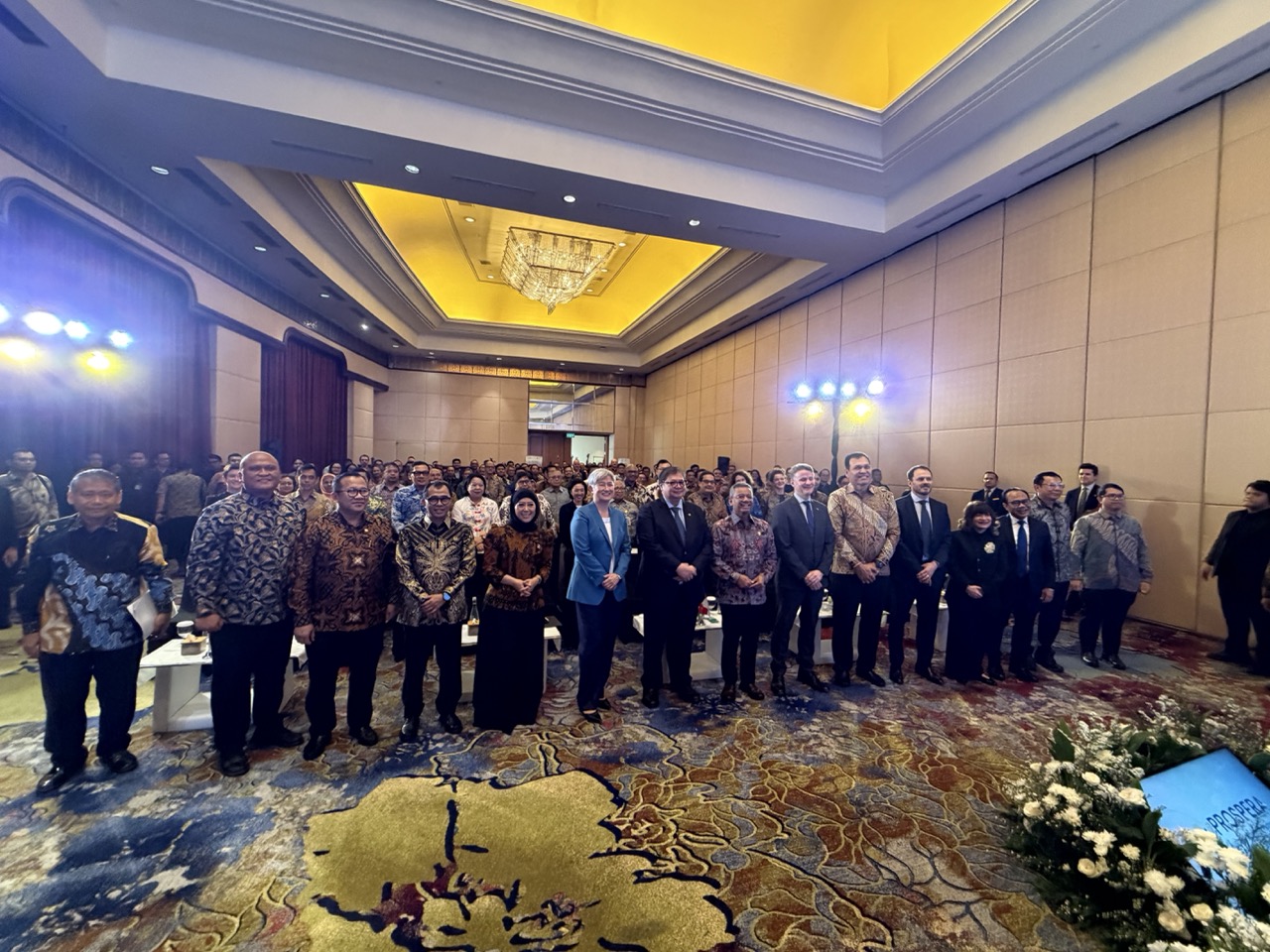
The launch at the Ritz-Carlton Jakarta, Mega Kuningan, brought together Australian Foreign Minister Penny Wong, Indonesian Coordinating Minister for Economic Affairs Airlangga Hartarto and Finance Minister Suahasil Nazara. Communication and Digital Affairs Minister Meutya Hafid and Australian Ambassador Rod Brazier also attended, reflecting a partnership increasingly concerned with technology, skills and economic resilience.
Building Prosperity Through People
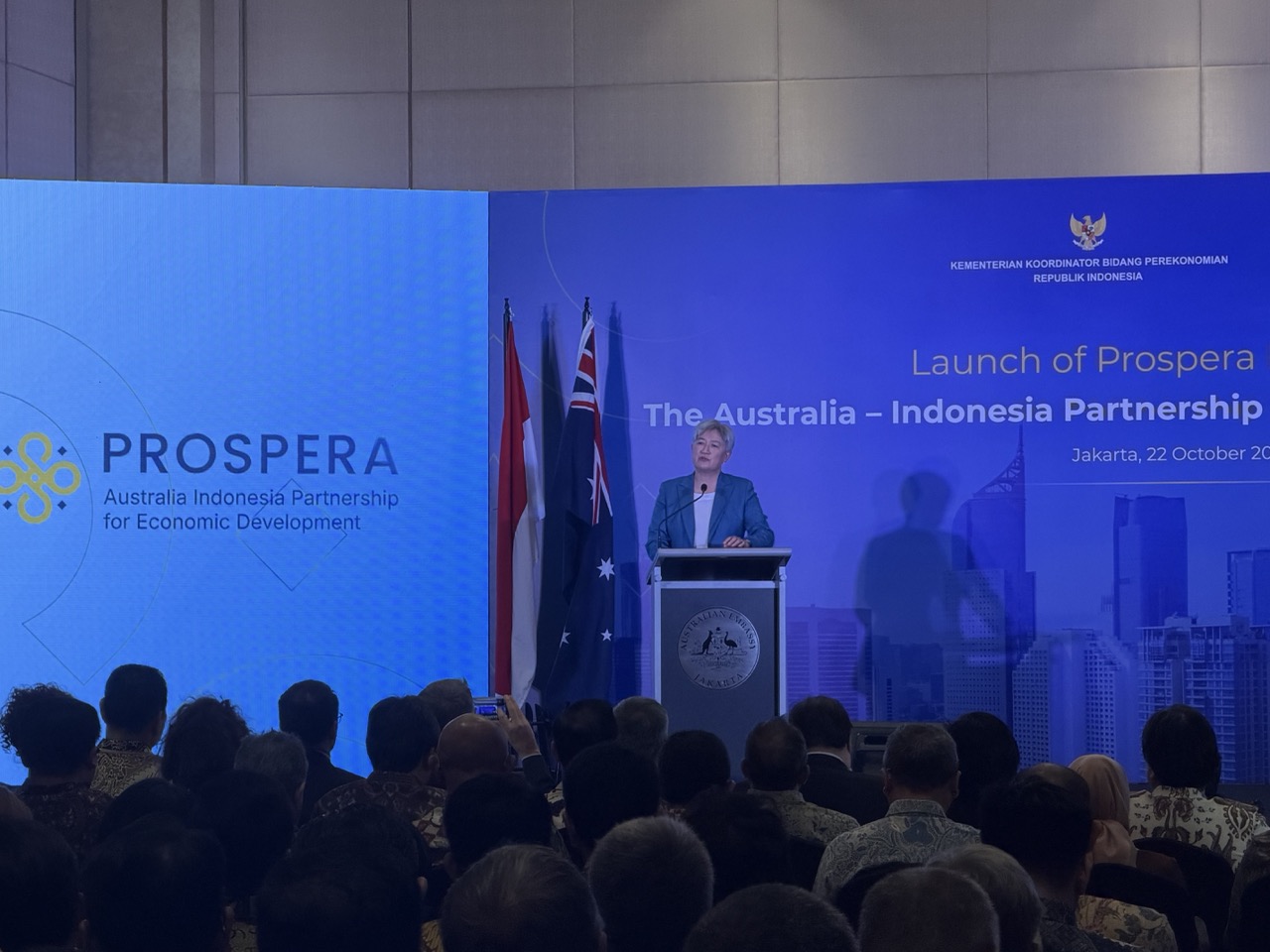
Formally known as the Australia–Indonesia Partnership for Economic Development, Prospera builds on more than three decades of bilateral economic cooperation. Its work connects government agencies, economists and policy specialists to strengthen the institutions behind public spending, taxation and investment. Australia’s announcement ahead of the launch reaffirmed that long-term commitment.
“We want to work with you to build prosperity and create new opportunities for your people,” Wong said.
She described longstanding partnerships involving more than 20 Indonesian counterpart agencies and more than 15 Australian government agencies. Their cooperation has supported improvements in public expenditure systems, tax policy and institutional performance, alongside Indonesia’s international economic leadership.
Wong also emphasised the people sustaining those relationships: generations of officials, academics, businesspeople and students. The next phase, she said, would support the foundations and drivers of growth while helping reforms endure.
Turning Reform into Investment and Jobs
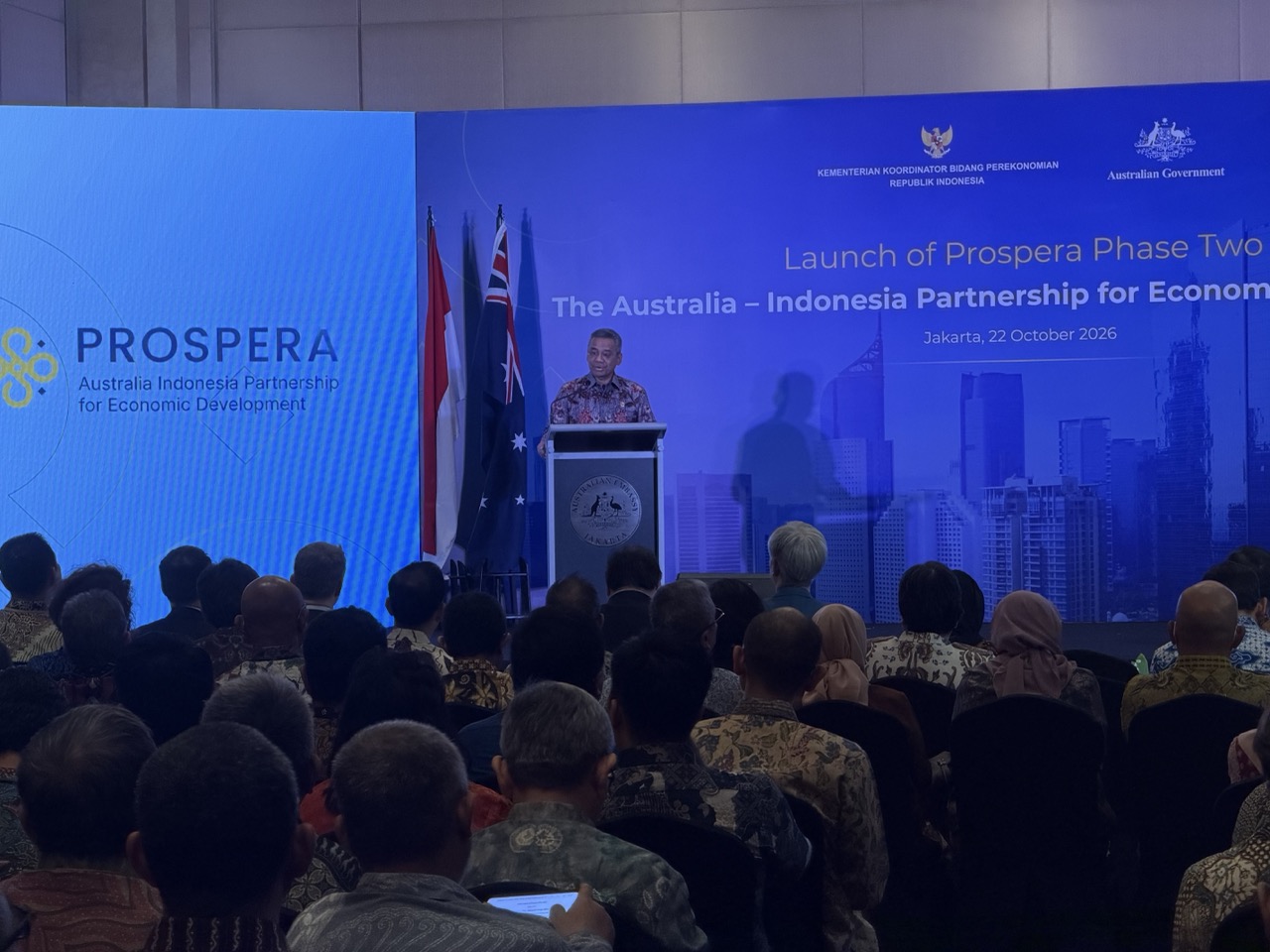
For Suahasil, the partnership’s value was both institutional and personal. He recalled working with Australian colleagues on poverty reduction before joining the Finance Ministry, describing relationships built through sustained engagement with Indonesia’s development challenges.
“Our cooperation should help turn reform into greater investment and also jobs,” he said.
He outlined three priorities for the new phase: stronger cooperation on economic stability, fiscal management and financial sector development; reforms that encourage investment and employment; and investment in the people and institutions responsible for implementation.
Leadership development and exchanges between agencies would be important, he added. Regular policy dialogues already connect Indonesian officials with the Australian Treasury and academic specialists, allowing both sides to discuss immediate economic pressures and longer-term reform.
The practical ambition is to make government systems more effective for the people using them. Clearer business procedures, better public financial management and stronger institutions can help entrepreneurs invest, support public services and improve confidence in the economy.
Supporting Indonesia’s Global Ambitions
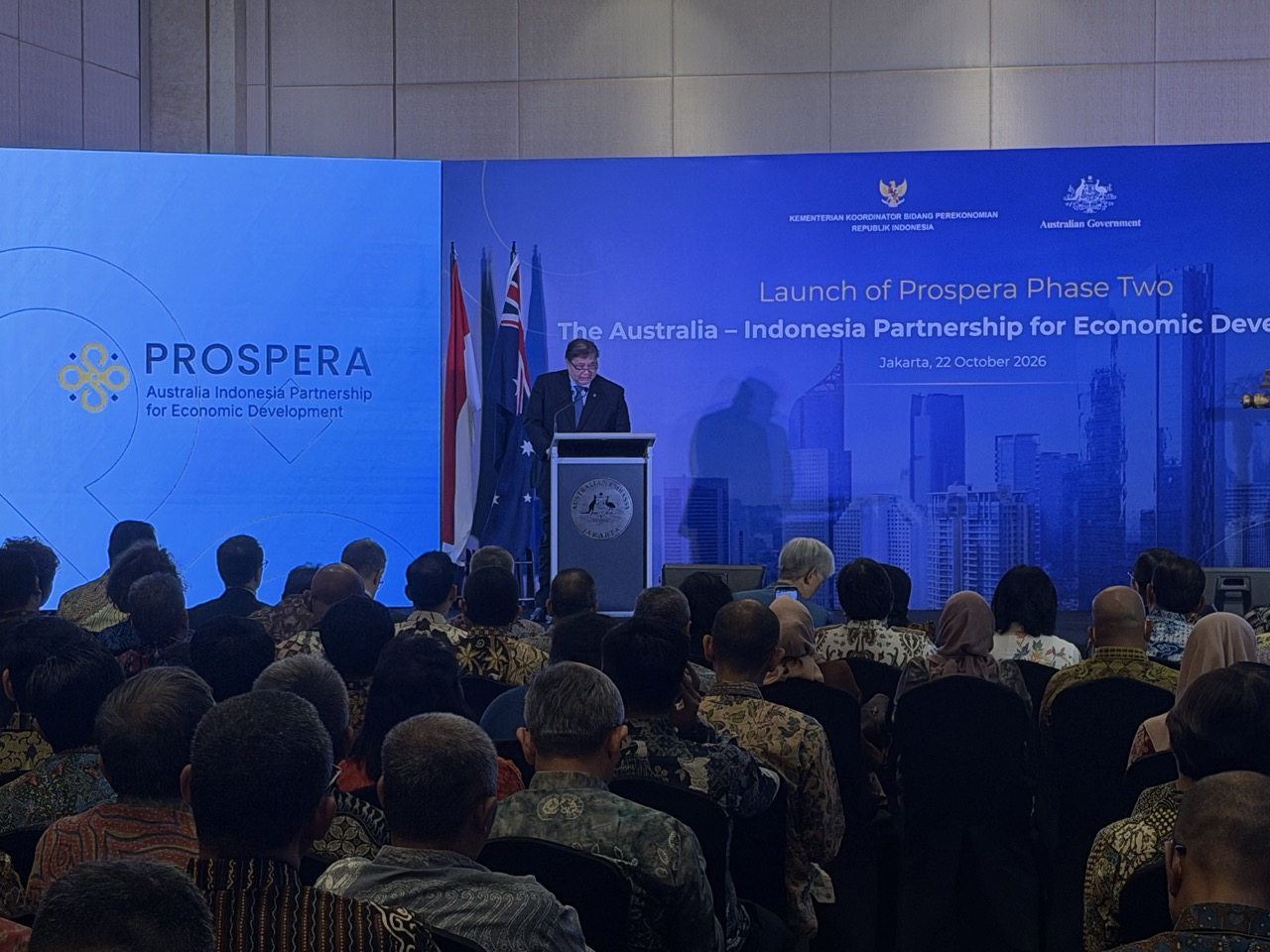
Airlangga placed Prospera within Indonesia’s wider efforts to strengthen competitiveness and deepen international integration. The Coordinating Ministry for Economic Affairs identified accession to the Organisation for Economic Co-operation and Development and the Comprehensive and Progressive Agreement for Trans-Pacific Partnership as two major reform priorities supported by the programme.
At the launch, Airlangga described OECD accession as a marathon requiring sustained technical cooperation. He reiterated Indonesia’s ambition to achieve membership by 2028, presenting it as a government target rather than a guaranteed outcome.
He also sought continued Australian support for Indonesia’s CPTPP aspirations, expressing hope that member countries would agree to advance the accession process at their November meeting.
Both ambitions require work beyond diplomatic endorsement. Policy analysis, coordination across ministries and institutional adjustments will influence how Indonesia meets international standards and translates them into domestic benefits.
Airlangga urged participating agencies to engage actively with Prospera and turn policy proposals into tangible outcomes for communities.
From Australian Wheat to Indonesian Noodles
Wong illustrated the commercial relationship through a familiar product: Indomie. Australian wheat reaches Indonesia, where it supports food production, while Indonesian instant noodles find enthusiastic consumers in Australia.
According to figures she cited at the launch, bilateral trade had nearly tripled over five years to A$33 billion, approximately Rp417 trillion. The example made a broader point about interconnected production and consumption: economic cooperation reaches farms, factories, shops and household kitchens.
The Indonesia–Australia Comprehensive Economic Partnership Agreement, which entered into force on July 5, 2020, provides an important framework for those relationships. Its economic cooperation programme, Katalis, supports opportunities in agrifood, advanced manufacturing and services, including skills.
Airlangga also encouraged greater tourism connectivity, particularly flights linking Australian cities with Indonesian destinations beyond Bali. His remarks highlighted opportunities to distribute the benefits of travel more widely across the archipelago.
Preparing Institutions and Workers for Change
Technology emerged as another shared priority. Suahasil identified digital government, data governance and the responsible use of artificial intelligence as areas for deeper cooperation.
Airlangga similarly warned that technological change could disrupt employment without adequate preparation. He pointed to opportunities to connect Indonesia’s manufacturing and downstream industries with Australian expertise in services, digitalisation and education.
Wong linked Indonesia’s ambition to become a high-income economy by 2045 with higher productivity, deeper investment, stronger skills and broader participation. She highlighted the importance of enabling more women and people with disabilities to contribute to growth and share its benefits.
Economic resilience also featured prominently. Airlangga warned that international conflicts could transmit food and energy pressures through prices, even when physical supplies remained available. Stronger analysis and institutions would help governments respond to those pressures while managing fiscal constraints.
The launch established a long-term commitment, but its success will depend on implementation. As Airlangga emphasised, the meaningful measure will be lasting institutional improvements and benefits for people in both countries. Prospera’s next decade offers a framework for turning that ambition into better jobs, stronger services and a more resilient shared future.


