


A shopper searches for a product, a food seller updates a menu, and a delivery rider navigates a crowded neighbourhood. Across Southeast Asia, artificial intelligence is becoming part of these everyday exchanges, helping businesses connect customer demand with products, information and delivery services.
The opportunity extends beyond making shopping faster. For the region’s small enterprises, AI could make capabilities once reserved for larger companies more accessible—provided the tools are affordable, reliable and suited to local needs.
A Growing Market for Smarter Commerce

The scale of Southeast Asia’s digital economy provides a substantial foundation. The e-Conomy SEA 2025 report by Google, Temasek and Bain & Company projected that the region’s digital economy would exceed US$300 billion in gross merchandise value that year, with e-commerce accounting for US$185 billion. GMV measures the value of transactions, rather than platform revenue or profit.
The report expanded its coverage from six markets to ten, adding Brunei, Cambodia, Laos and Myanmar. It also estimated that video commerce represented approximately 25% of e-commerce GMV, reflecting the growing influence of creators and shopping content on purchasing decisions.
These figures describe a market shaped by several forces, including wider digital adoption, logistics investment and changing consumer habits. AI operates within that broader transformation, helping platforms interpret demand and businesses manage increasingly complex online operations.
Helping Shoppers Find What Fits

Online retail can overwhelm customers with similar products, competing promotions and thousands of reviews. AI offers platforms ways to organise that information and make product discovery more relevant.
Lazada’s generative AI features illustrate this approach. The company has described tools that draw on product reviews, selling points and recommendations to support shoppers’ research. Its AI Lazzie assistant also answers shopping questions, while personalised offers help customers discover promotions aligned with their interests.
“Our goal is to make every experience sharper, more individual, efficient, and enjoyable,” said James Dong, identified as Lazada Group’s chief executive officer in the company’s announcement.
The practical test is whether these features help customers make informed choices. A useful recommendation should accurately describe a product and clarify its suitability. Personalisation becomes less valuable when it obscures alternatives, exaggerates benefits or encourages unnecessary purchases.
For sellers, the same technology creates opportunities to improve product descriptions and answer common questions. Human review remains important, particularly when generated content concerns product specifications, warranties or safety.
Giving Small Sellers a Business Assistant
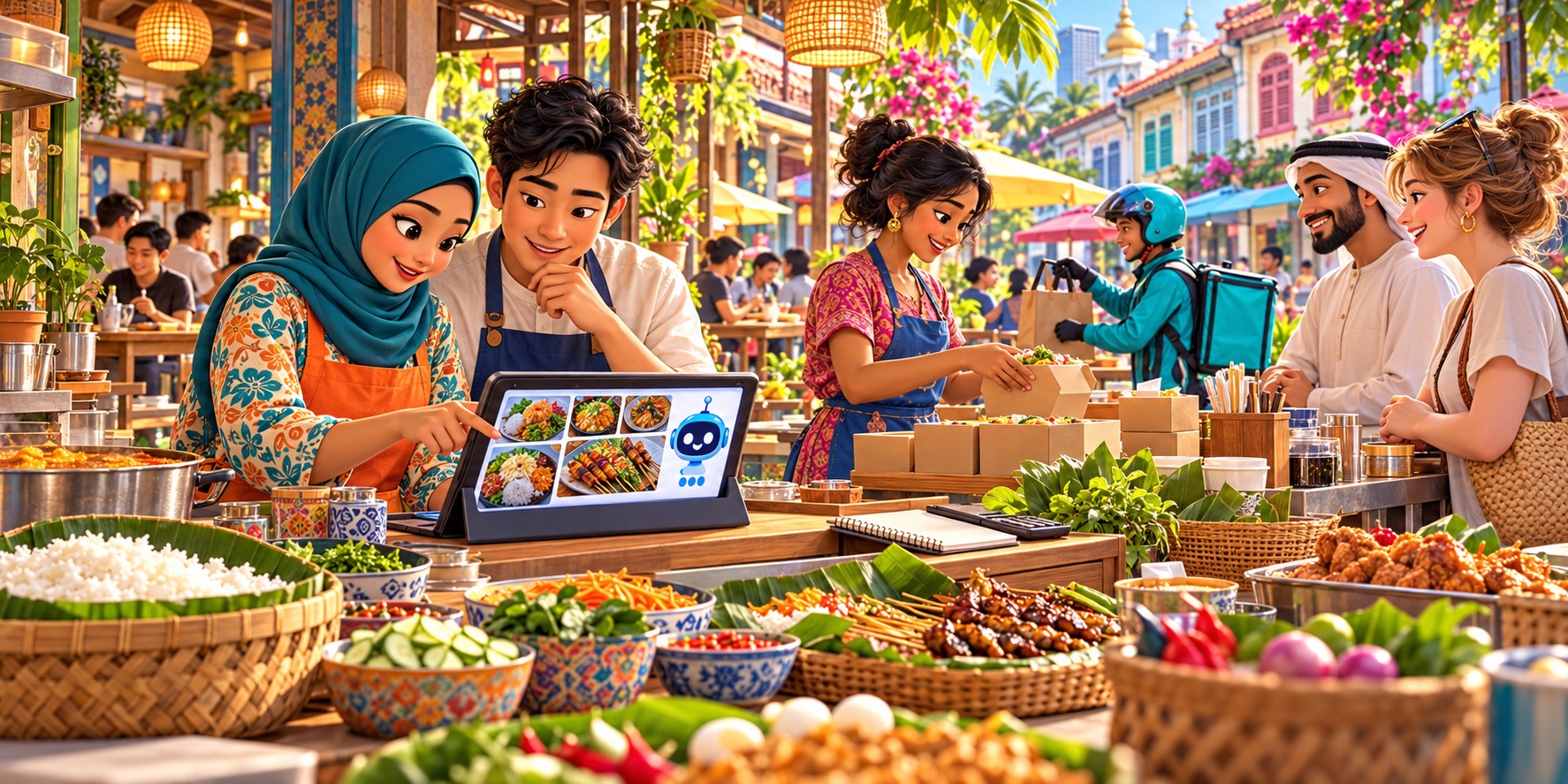
For a neighbourhood food stall, analysing sales trends can be difficult while preparing orders and managing supplies. AI assistants are beginning to bring that analytical support directly into merchant applications.
Grab’s AI Merchant Assistant, presented in April 2025, combines large language models with information relevant to individual businesses. According to the company, it can help merchants understand performance, develop advertising campaigns and update menus.
“We want to equip them with the tools to succeed, especially in an increasingly AI-centric world,” said Philipp Kandal, Grab’s chief product officer, at the launch.
This is particularly relevant to small businesses with limited time or specialist staff. A merchant could use an assistant to explore why an item sells well or examine a proposed promotion before committing money.
However, a recommendation is only as useful as its information and assumptions. Sellers still need to judge whether suggested discounts cover costs and whether additional orders can be fulfilled without compromising service.
Making Local Knowledge Work Digitally
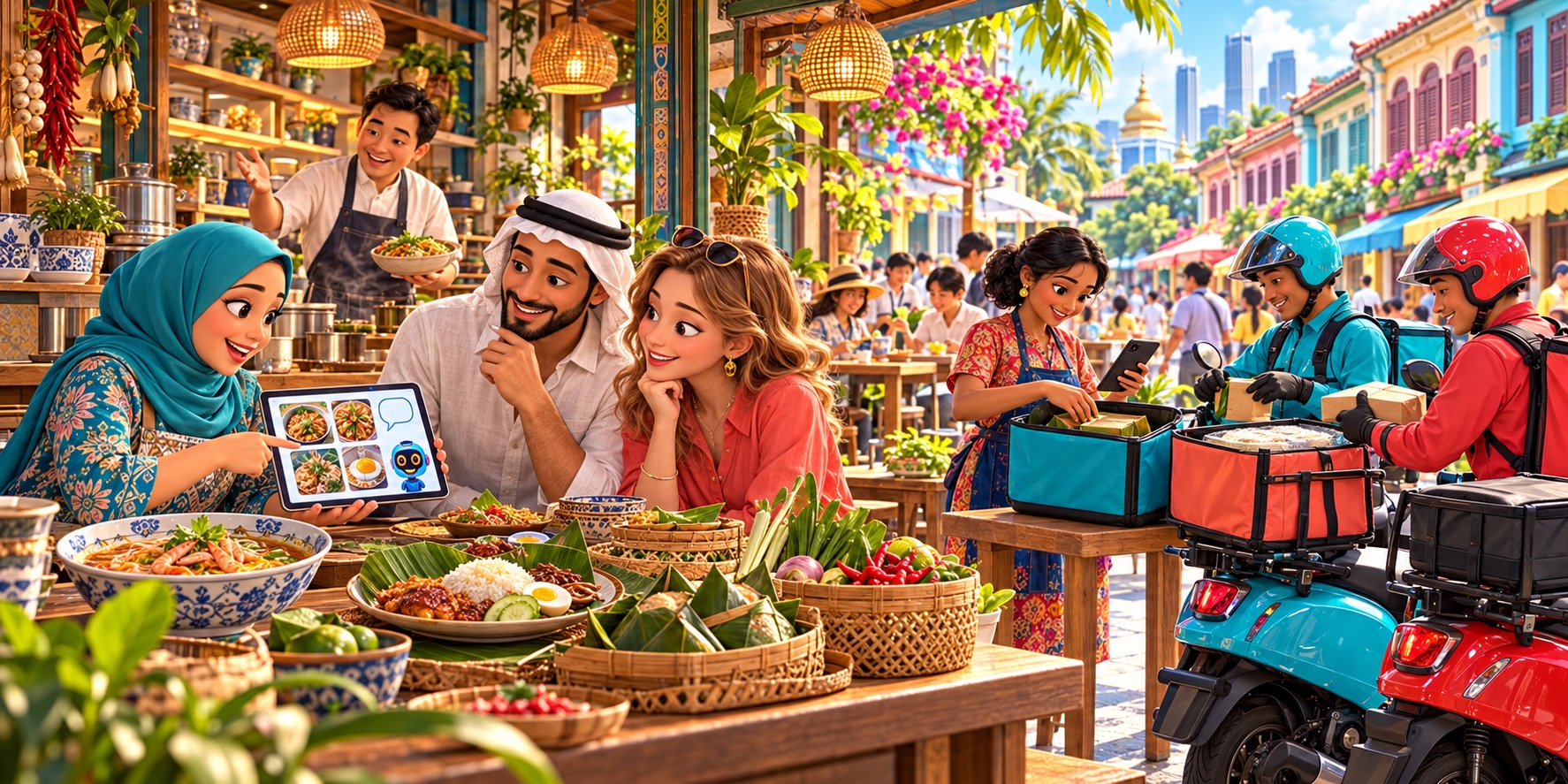
Southeast Asia’s linguistic diversity makes localisation an essential part of digital commerce. Food names, informal expressions and regional vocabulary can carry meanings that generic translation systems miss.
Grab says its menu-translation models are trained on regional food terms, allowing customers to explore local eateries in their preferred language. This is a concrete application of AI to a familiar regional challenge: helping people understand what they are ordering.
Delivery presents another practical problem. A large grocery or food order may exceed what one motorcycle rider can safely carry. Grab uses a large language model to assess order size and weight and support splitting bulky deliveries between riders. Drivers can also request a split themselves when necessary.
Such tools show how AI can support operational decisions. Their effectiveness still depends on accurate product information, reliable mapping, available workers and functioning transport infrastructure.
Building Growth Around Trust

As AI becomes more involved in shopping, merchants and customers need clear information about how it influences their choices. Businesses should be able to assess the cost and usefulness of automated recommendations, while customers need straightforward ways to correct errors or reach human support.
Success also requires looking beyond transaction volume. For smaller sellers, stronger margins, fewer avoidable mistakes and manageable workloads are meaningful outcomes. For shoppers, accurate descriptions, dependable deliveries and accessible assistance help build confidence.
Southeast Asia’s next digital chapter will take shape through these everyday improvements. AI can help connect the scroll to the doorstep—and make that journey more useful for the people buying, selling and delivering along the way.


