Jigokudani Monkey Park is a wildlife protection area located in Nagano Prefecture, Japan. The place serves as the natural habitat for a group of Japanese macaques, scientifically known as Macaca fuscata.
The area is famous for the unique behavior of its wild macaque troop, which soaks in natural hot spring pools (known as onsen in Japanese). Soaking habits make the macaque group at the location widely known as snow macaques.
Where the Native Habitat of the Nagano Snow Macaque Is
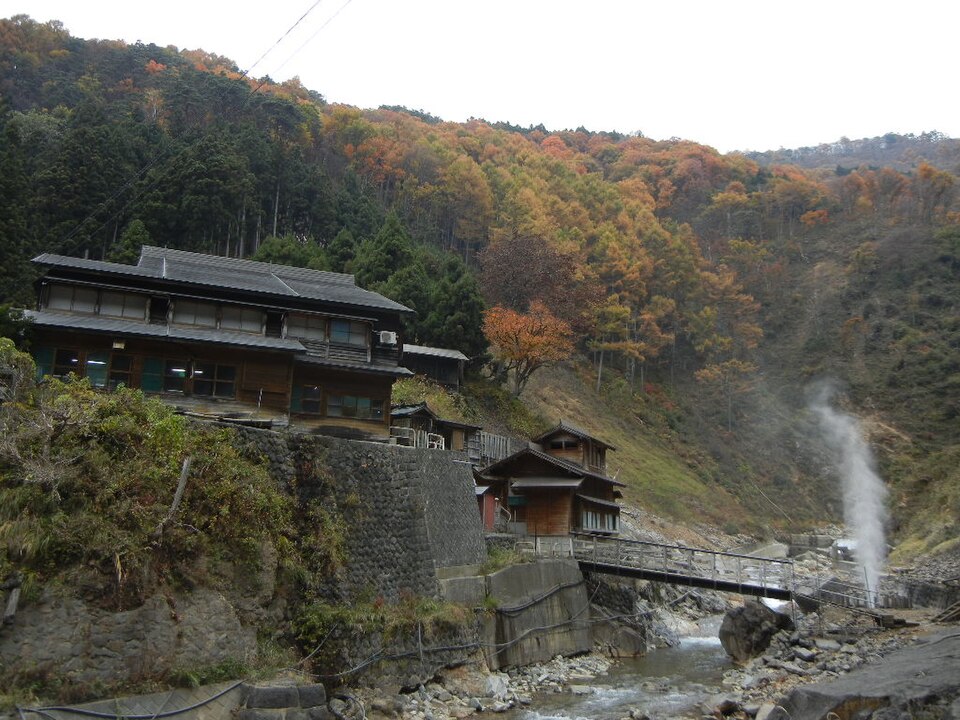
Jigokudani Monkey Park is situated inside the Yokoyu River Valley in the Yamanouchi area. The region lies at an altitude of approximately 850 meters above sea level.
The surrounding environment consists of steep rocky cliffs alongside dense forests. The valley area is covered in a thick layer of snow for five months a year from winter through early spring.
Air temperatures in the valley often drop below minus 10 degrees Celsius during peak winter. Such extreme natural conditions are balanced by the presence of natural hot spring vents from deep within the earth.
The hot springs flow into river streams and bathing pools around the valley. Continuous hot steam creates ground surfaces that do not freeze completely.
Why the Snow Macaques Enjoy Bathing in Hot Water During Winter
Bathing in hot water serves as a physical adaptation mechanism for snow macaques to maintain body temperature. The habit helps them survive amid exposure to extreme cold weather.
Bathing duration for the macaque troop increases sharply in January through February. During that period, environmental temperatures in the Yokoyu River Valley reached the lowest point.
Research from the Primate Research Institute at Kyoto University in 2018 revealed medical benefits of the behavior. Study results showed that hot spring bathing effectively lowers stress hormone levels in females.
Glucocorticoid hormones that trigger stress decrease significantly after they spend time in warm water. The hormonal reduction helps maintain reproductive health as well as physical endurance in macaques during winter.
Furthermore, access to the hot spring pools is influenced by troop social hierarchy. High-ranking female macaques along with their offspring have higher priority to stay inside the pool.
How the Soaking Behavior First Developed
Hot spring bathing habits are not an ancient natural behavior of the Japanese macaques. The unique behavior originated from observation and imitation in the early 1960s.
In 1963, a young wild macaque was seen entering an outdoor hot spring bath belonging to the Korakukan inn. The inn was located near the natural habitat of the macaque troop in the valley.
The macaque imitated human behavior of bathing to warm up the body. The new habit was subsequently copied by other macaques, spreading throughout the troop.
The Jigokudani Yaen-Koen area then officially opened as an observation park in 1964. Park management later constructed a dedicated hot spring pool for macaques in 1967.
Constructing the dedicated pool aimed to separate macaque bathing areas from human facilities. The step was taken to maintain inn sanitation along with visitor safety.
To this day, the tradition of soaking in hot spring pools continues to be passed down naturally from mothers to their offspring.
Reference:
Takeshita, R. S. C., Bercovitch, F. B., & Kinoshita, K. (2018). Beneficial effect of hot spring bathing on stress levels in Japanese macaques. Primates, 59(3), 215–225. https://doi.org/10.1007/s10329-018-0655-x