Nearly 1,000 orangutans have received care at a single forest reserve in Sabah since 1964, according to Orangutan Appeal UK, an organization that has supported the centre since 2001. The figure stands as of 2024.
The site is Sepilok Orangutan Rehabilitation Centre, located about 25 kilometers west of Sandakan, and it was established in 1964 as Sabah’s government orangutan rehabilitation centre.
According to a 2018 Sabah Wildlife Department presentation titled “Sepilok Orangutan Rehabilitation Centre 50 Years Challenges and Lessons Learned” published in the Orangutan Veterinary Advisory Group Workshop 2018 proceedings, confiscated orangutans in Sabah were exported to zoos until the end of 1963.
The export ban took effect in July 1964, the same year Sepilok opened.
The same presentation credits conservationist Barbara Harrisson with the rehabilitation program first tested in 1961 at Bako National Park in Sarawak. Sepilok followed in 1964 alongside the formation of the Game Branch of the Sabah Forest Department, and it took in young orangutans rescued from logging sites, plantations, illegal hunting, and the wildlife trade.
Sepilok operates within the Kabili-Sepilok Forest Reserve, a protected area covering 4,294 hectares (10,610 acres). The forest was first gazetted as a reserve in 1931, more than three decades before the rehabilitation centre opened.
Three Stages, Up to Eight Years
Sepilok’s goal is release, not permanent captivity. Every orangutan admitted enters a program built to return it to the forest.
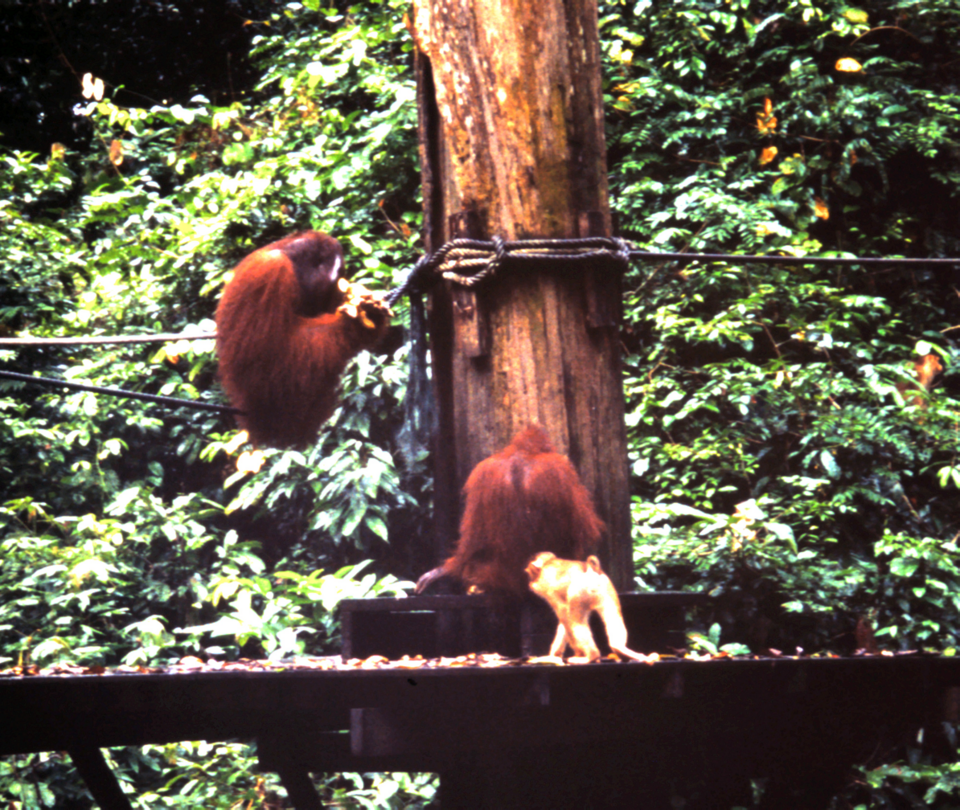
In the wild, orangutans stay dependent on their mothers for up to eight years, and that period covers climbing, foraging, and nest building. Orphans separated from their mothers miss this learning window. Many arrive at Sepilok malnourished, dehydrated, injured, or traumatized, so medical examination and treatment come first. Rehabilitation then runs for up to eight years, depending on each animal’s age and development.
The program moves through three stages.
- In the indoor nursery, young orangutans practice climbing, nest building, and identifying natural food for at least four hours each day, while their reliance on human caregivers gradually falls.
- In the outdoor nursery, they gain more freedom to explore trees and interact with other orangutans, and their dependence on supplementary food and human support drops further.
- In the soft-release stage, they roam the surrounding forest with limited supplementary food and monitoring from the rehabilitation team.
Orangutans that no longer need assistance begin living independently in the reserve. Orangutan Appeal UK estimates that 60 to 80 orangutans now live free there. The 2018 presentation notes that this population includes second- and third-generation offspring of rehabilitated individuals.
Why Orangutans End Up at Sepilok
Sepilok’s work also reflects the wider pressures on Borneo’s wildlife, mainly habitat loss and human-wildlife conflict.
Agriculture, logging, and oil palm plantations have fragmented orangutan habitats across the island. Cleared or divided forests cut access to food and shelter, and some orangutans end up in areas occupied by humans.
The 2018 presentation, based on a 2016 University Malaysia Sabah dissertation titled “The Fluctuation of Orangutan Numbers at the Sepilok Orangutan Rehabilitation Centre (1964-2014)” examined Sepilok admission records from 1964 to 2014 and documented 795 orangutans admitted.
The pet trade, land-use changes, and human-wildlife conflict were among the factors linked to their arrival. Admissions rose through the 1990s, peaked in the late 1990s, and fell after Sabah strengthened its wildlife law in 1997. Infants were the largest age group admitted, and land clearing for oil palm was linked to the highest influx.
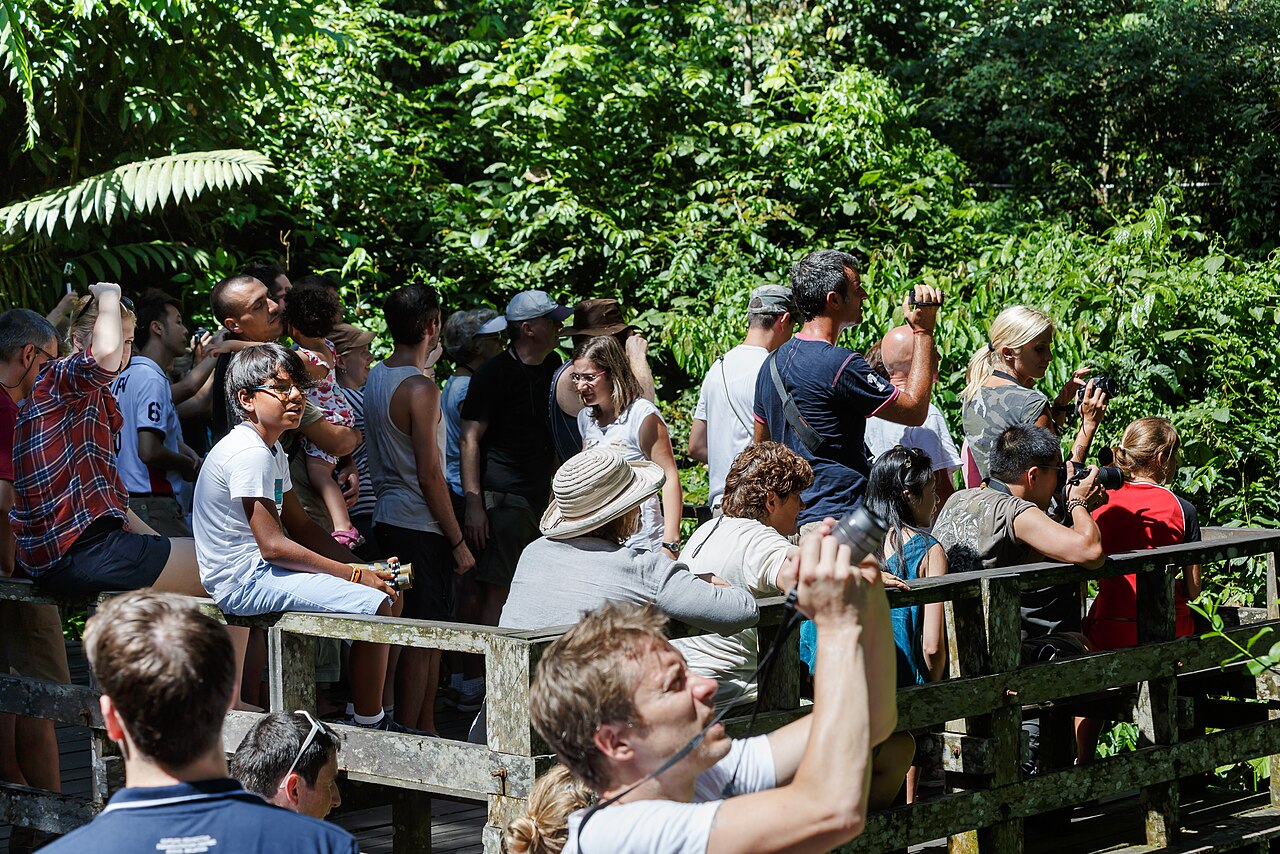
Sepilok also runs conservation education. Its feeding platform lets visitors watch orangutans that return for supplementary food, though sightings are not guaranteed. The platform supplies limited food on purpose, which encourages orangutans to look for natural food on their own rather than rely on people.
Established in 1964, the centre has now operated for more than 60 years, and its rehabilitation program is designed to end with orangutans living without human support.
Reference
Alsisto, S. (2018). Sepilok Orangutan Rehabilitation Centre 50 years challenges and lessons learned. In R. Commitante et al. (Eds.), Orangutan Veterinary Advisory Group Workshop 2018 proceedings. Orangutan Conservancy. https://orangutan.com/wp-content/uploads/2020/01/2018-OVAG-Workshop-Proceedings-compressed.pdf