


From ancient kingdoms and maritime trade routes to contemporary art and interactive exhibitions, Southeast Asia's museums are becoming increasingly exciting destinations for travellers, students, and culture enthusiasts. Across the region, these institutions preserve extraordinary collections while introducing new ways for visitors to explore history, identity, and creativity.
Housed in historic royal palaces, colonial-era buildings, contemporary architectural landmarks, and forested landscapes, the region's museums offer experiences that go far beyond traditional exhibitions. Here are ten remarkable museums that showcase Southeast Asia's cultural richness and evolving museum landscape.
Discovering Southeast Asia's Largest Museum Complexes
Some of Southeast Asia's most impressive museums stand out for their architectural scale, extensive grounds, and ambitious exhibition spaces.
In Malaysia, the Terengganu State Museum in Kuala Terengganu occupies an impressive 27-hectare complex at Bukit Losong. Designed with inspiration from traditional Malay timber palaces, the museum brings together several exhibition buildings, traditional houses, gardens, and specialised galleries. Its collections explore the state's history, textiles, traditional weapons, Islamic art, maritime heritage, and petroleum industry.
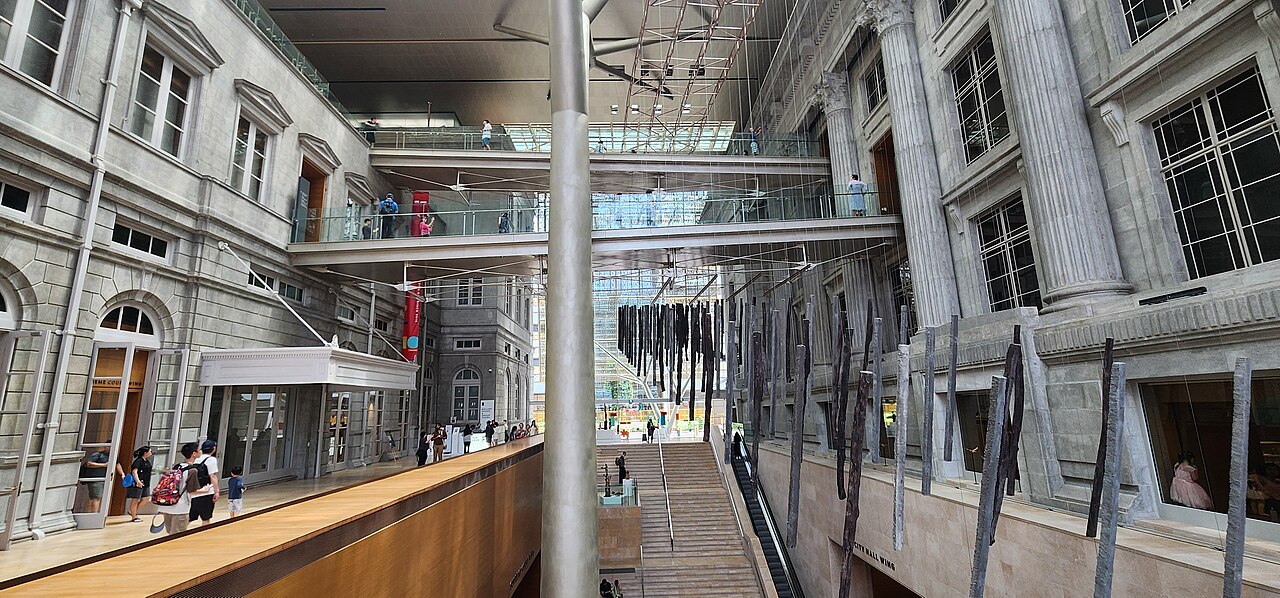
Singapore offers another architectural landmark through the National Gallery Singapore. Occupying approximately 64,000 square metres across the restored former Supreme Court and City Hall buildings, the institution is one of Southeast Asia's most prominent visual arts destinations. Its extensive collection features more than 8,000 artworks from Singapore and across the region, spanning the 19th century to contemporary artistic expressions.
Meanwhile, the Borneo Cultures Museum in Kuching, Sarawak, provides an impressive introduction to the cultural diversity of Borneo. Spread across five floors and approximately 31,000 square metres, the purpose-built museum explores indigenous communities, traditional practices, historical connections, and the island's natural heritage.
Together, these institutions demonstrate how museum architecture and exhibition spaces can become important attractions in their own right while providing opportunities to understand the region's cultural identity.
Where Extraordinary Collections Tell Southeast Asia's Stories
Beyond their physical dimensions, Southeast Asian museums are distinguished by collections that document centuries of civilisation, artistic achievements, and cultural exchange.
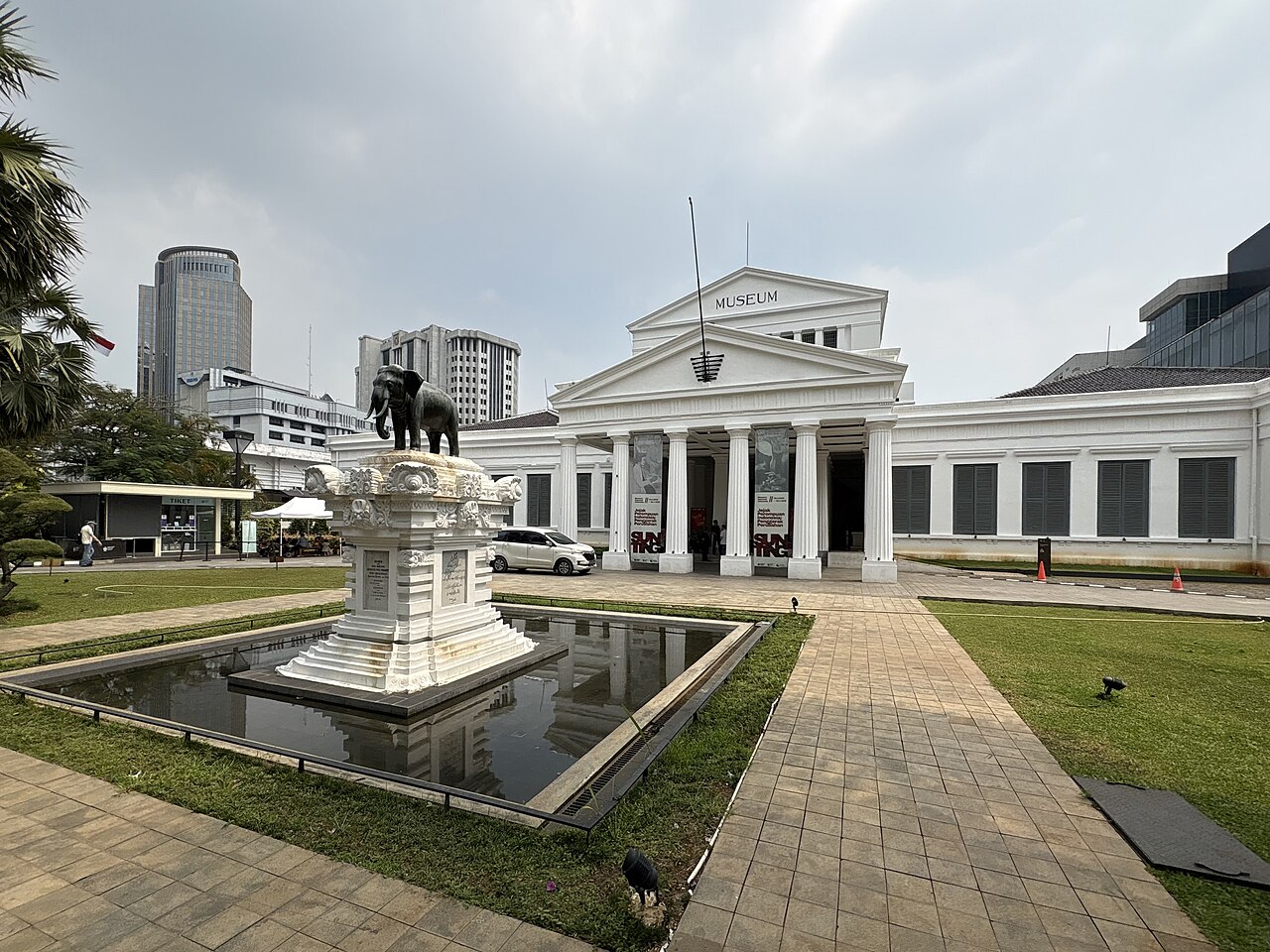
Indonesia's National Museum, popularly known as Museum Nasional or Gedung Gajah, is among the country's most significant cultural institutions. Established in 1778, it preserves approximately 194,593 cultural objects, according to the Indonesian Heritage Agency. Its collections include prehistoric artefacts, Hindu-Buddhist sculptures, traditional textiles, ceramics, and historical objects representing the extraordinary diversity of the Indonesian archipelago.
In Singapore, the National Gallery Singapore has established itself as a major centre for understanding modern and contemporary Southeast Asian art. Through its permanent collections and temporary exhibitions, visitors can explore the region's artistic movements, political transformations, historical experiences, and changing cultural identities.
Cambodia's National Museum of Cambodia in Phnom Penh offers another remarkable journey into Southeast Asian history. Its distinctive terracotta architecture houses an extensive collection of Khmer sculptures, bronzes, and religious objects reflecting the artistic achievements of the Khmer civilisation. The institution also contributes to protecting Cambodia's cultural heritage and supporting efforts to recover objects removed from the country through illicit trade.
Further along the coast of Vietnam, the Museum of Cham Sculpture in Da Nang provides an opportunity to discover the ancient Champa civilisation. Its collection of sandstone sculptures and religious artworks illustrates the influence of Hinduism and Buddhism on Champa's artistic traditions, architecture, and cultural development.
These museums demonstrate how collections can preserve not only individual objects but also the historical connections between Southeast Asian societies and the wider world.
Museums That Offer Experiences Beyond Traditional Exhibitions
A new generation of museums is transforming how people interact with culture, science, and history. Rather than relying exclusively on display cases and written descriptions, some institutions are embracing immersive exhibitions, guided storytelling, and educational experiences.
At Marina Bay Sands in Singapore, the ArtScience Museum combines art, science, technology, and innovation. Its distinctive lotus-inspired architecture has become one of the city's recognisable landmarks. Inside, interactive exhibitions, digital installations, and multimedia experiences explore the connections between creativity and scientific discovery.
Indonesia offers a different experience through Ullen Sentalu Museum, located among the forested slopes of Kaliurang near Mount Merapi in Yogyakarta. The museum introduces visitors to Javanese royal history, particularly the traditions and personal stories of the royal families of Yogyakarta and Surakarta. Guided tours take visitors through its atmospheric architecture and carefully curated collections, making the experience more intimate than a conventional museum visit.
In Vientiane, Laos, the COPE Visitor Centre offers an educational experience focused on the continuing consequences of unexploded ordnance (UXO). Its exhibitions explain the humanitarian impact of unexploded bombs and the rehabilitation and prosthetic support provided to survivors. By connecting historical events with present-day challenges, the centre provides an important perspective on Laos's recent history.
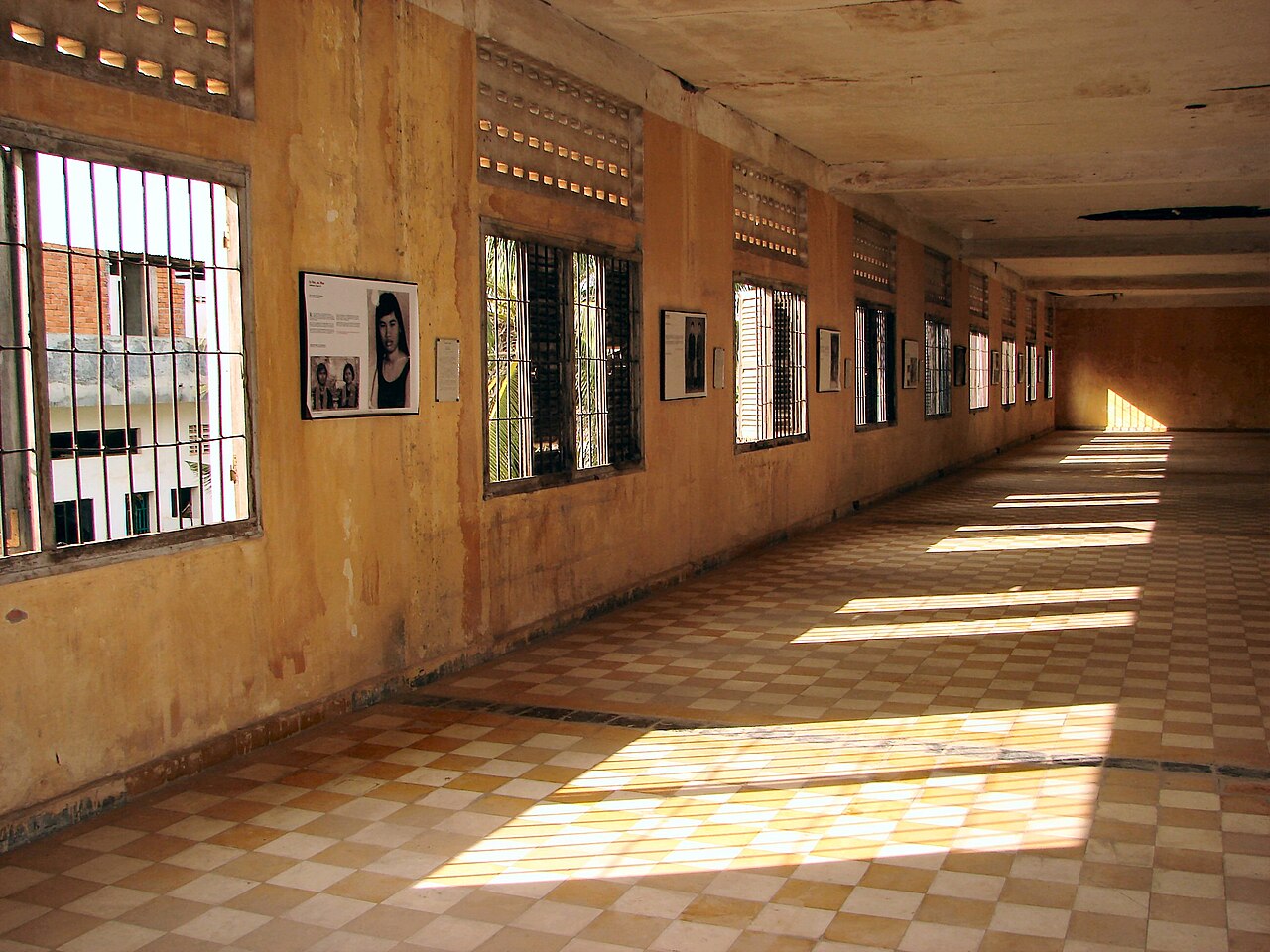
Cambodia's Tuol Sleng Genocide Museum offers a deeply reflective experience. Preserving the former S-21 security prison, the institution documents atrocities committed during the Khmer Rouge regime through photographs, historical documents, personal testimonies, and preserved buildings. It serves as an important memorial and educational institution, encouraging reflection on human rights and historical memory.
In Brunei Darussalam, the Royal Regalia Museum in Bandar Seri Begawan showcases the country's monarchy, royal traditions, and national identity. Among its highlights are ceremonial objects, royal gifts, historical photographs, and the elaborate golden chariot associated with the Sultan's Silver Jubilee celebrations.
From digital exhibitions to historical memorials and royal collections, these institutions demonstrate the different ways museums can connect visitors with the past and present.
Museums Becoming Major Cultural and Tourism Destinations
Museums are increasingly becoming important attractions within Southeast Asia's tourism and creative economies. Their appeal extends beyond history enthusiasts to families, international travellers, students, and younger audiences seeking meaningful cultural experiences.
Singapore provides a particularly interesting example. According to the country's 2025 Cultural Statistics, museums and heritage institutions participating in the Museum Roundtable recorded more than 9.34 million in-person visits in 2024. National Gallery Singapore alone welcomed approximately 2.04 million visitors during the same year.
These figures highlight the growing popularity of cultural institutions as part of the city's tourism experience. Major exhibitions, educational programmes, accessible cultural activities, and innovative visitor engagement have helped museums attract wider audiences.
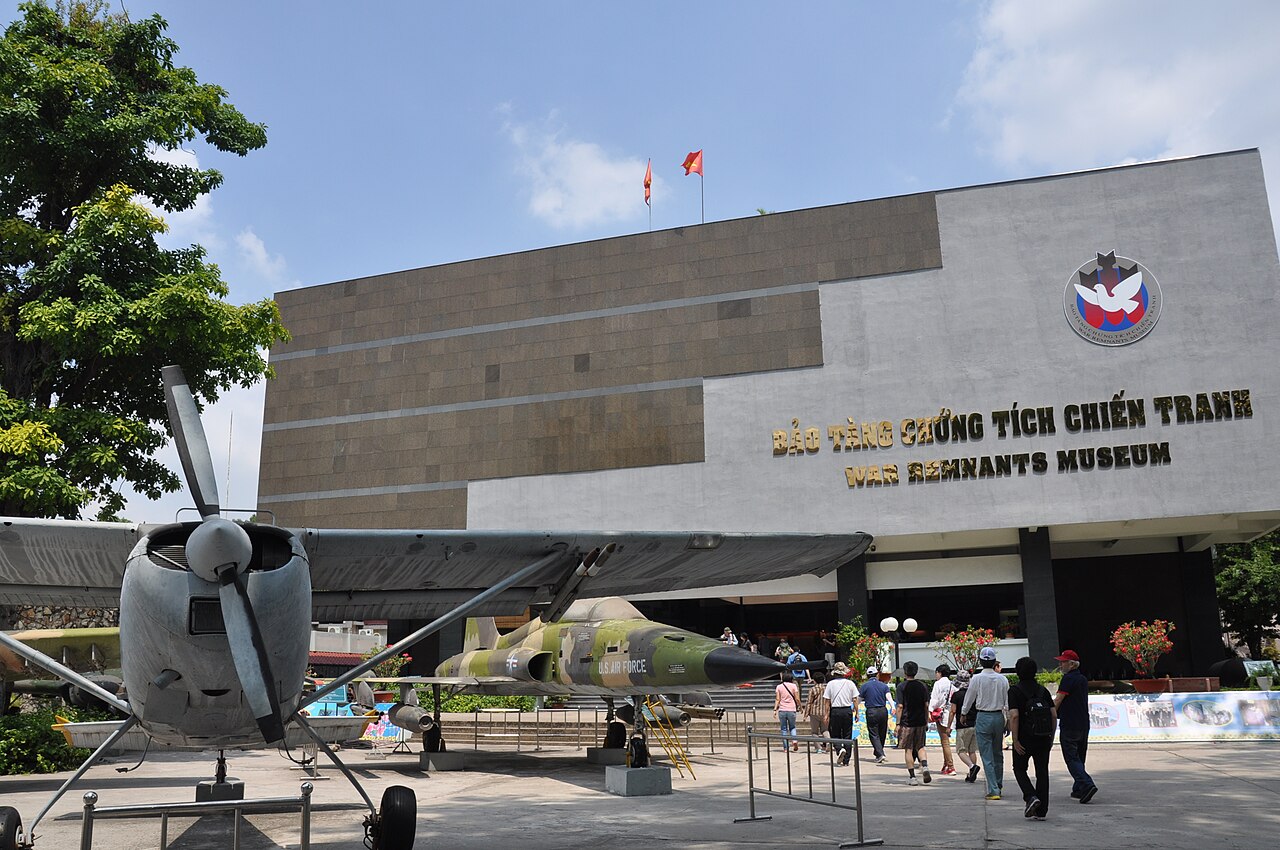
In Vietnam, the War Remnants Museum in Ho Chi Minh City remains a significant destination for understanding the Vietnam War and its lasting consequences. Through photographs, military equipment, historical documents, and personal accounts, it presents different dimensions of the conflict and its humanitarian impact.
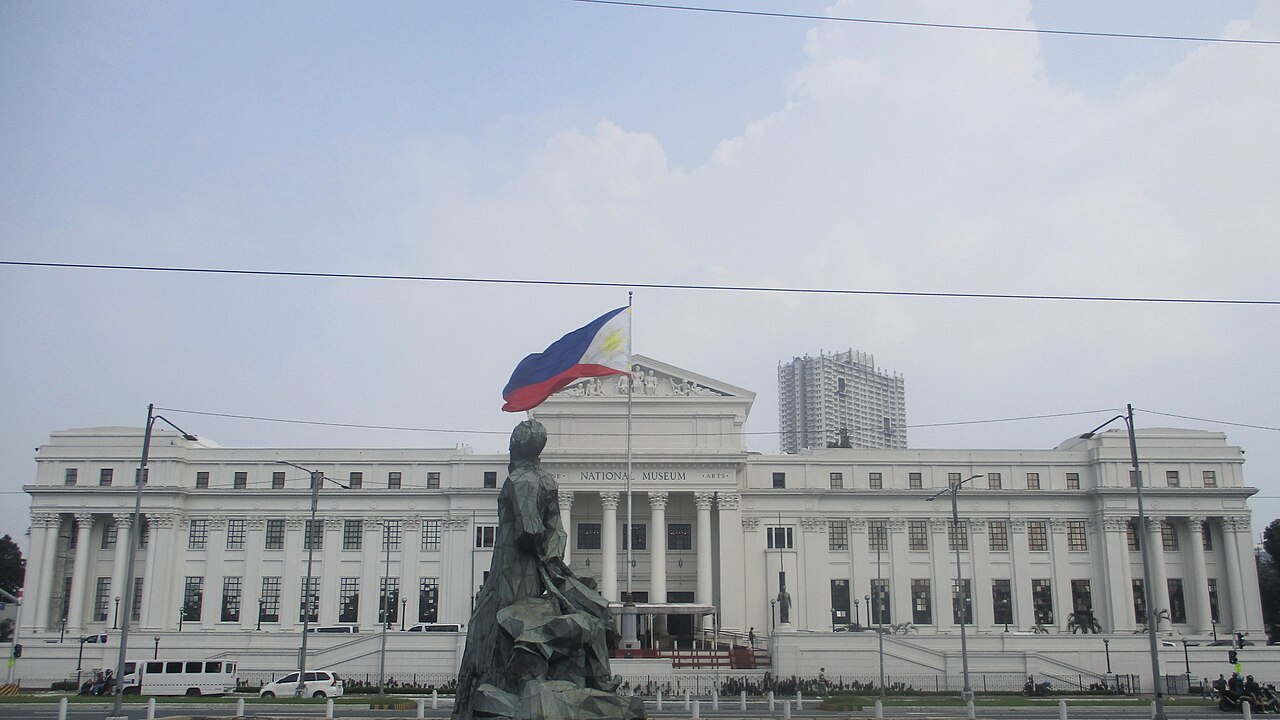
The Philippines also demonstrates the importance of accessible museums through its National Museum Complex in Manila. Comprising the National Museum of Fine Arts, National Museum of Anthropology, and National Museum of Natural History, the complex introduces visitors to the country's artistic traditions, indigenous communities, biodiversity, and historical development.
These examples show how museums can contribute to cultural tourism while providing educational opportunities for domestic and international visitors.
A New Generation of Museums Connecting People, Stories and Communities
As Southeast Asia's cultural institutions continue to evolve, their responsibilities increasingly extend beyond preserving historical collections. Education, accessibility, digital innovation, international partnerships, and community participation are becoming essential elements of modern museum development.
Dr Eugene Tan, Chief Executive Officer and Director of National Gallery Singapore, described the institution's broader ambition as creating a place where art connects people and Southeast Asian stories come to life. He stated, "it has become a place where art connects people, where stories of Southeast Asia come to life, and where generations come together to reflect, imagine, and be inspired."
A similar perspective can be found in Cambodia. Kung Vireak, former director of the National Museum of Cambodia, highlighted the importance of expanding museum exhibitions beyond historical collections. Speaking about an exhibition of contemporary Cambodian art, he explained the intention was "to improve the content of our museum from only focusing on the past to including the future."
These perspectives reflect a broader transformation in museum development. Cultural institutions are increasingly recognising the importance of presenting contemporary creativity alongside historical heritage, ensuring that museums remain relevant to younger generations and changing societies.
International collaborations, educational initiatives, and community-based programmes also create opportunities for museums to become platforms for dialogue, cultural exchange, and shared learning across national borders.
Preserving Southeast Asia's Heritage While Inspiring the Future
From Indonesia's archaeological treasures and Malaysia's indigenous heritage to Singapore's contemporary art and Cambodia's historical memorials, Southeast Asia offers an extraordinary diversity of museum experiences.
As these institutions embrace new technologies, educational programmes, and international collaborations, they are becoming more than places to preserve the past. They are spaces where people can discover different perspectives, appreciate cultural diversity, and explore the stories that connect the region.
For travellers exploring Southeast Asia, visiting its museums offers an opportunity to look beyond familiar tourist attractions and experience the history, creativity, and identity that make the region unique. After all, understanding Southeast Asia's future begins with discovering the many stories that have shaped its past.


