


Every November 29, the International Day of Solidarity with the Palestinian People brings renewed attention to the Palestinian people's aspirations for self-determination, independence and sovereignty. Across Southeast Asia, the observance brings together diplomatic support, public mobilisation, humanitarian assistance and cultural initiatives, reflecting the region's longstanding engagement with the Palestinian cause.
In 2026, the day carries particular significance. More than a year after the Gaza ceasefire, humanitarian conditions remain fragile, displacement continues and settlement expansion and violence threaten Palestinian communities in the West Bank, including East Jerusalem. Across the region, solidarity is expressed not only through official statements but also through public gatherings, cultural activities and practical cooperation.
A Shared Commitment Across Nine Southeast Asian Countries
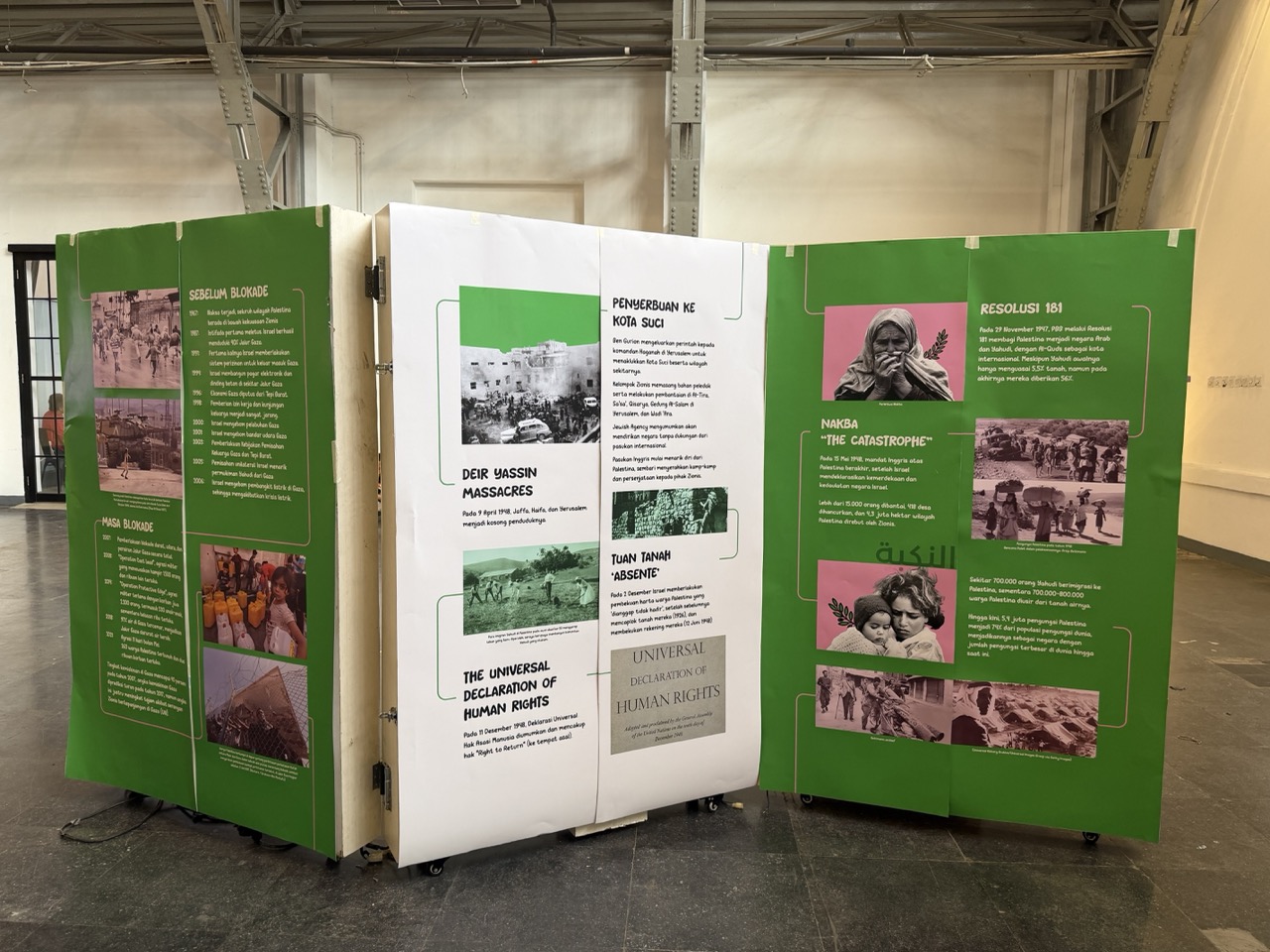
November 29 has deep historical significance. In 1947, the United Nations General Assembly adopted Resolution 181, proposing the partition of Mandate Palestine into separate Arab and Jewish states, with Jerusalem under a special international regime. In 1977, the General Assembly established the annual observance through Resolution 32/40 B, reaffirming the international community's commitment to Palestinian rights.
Today, nine of Southeast Asia's 11 countries recognise the State of Palestine: Indonesia, Malaysia, Brunei Darussalam, Vietnam, Cambodia, Laos, the Philippines, Thailand and Timor-Leste. Indonesia, Malaysia and Brunei recognise Palestine but do not maintain formal diplomatic relations with Israel. Other countries, including Vietnam, Thailand and the Philippines, recognise both states. Singapore has expressed conditional readiness to recognise Palestine, while Myanmar has not formally recognised it.
The region's engagement also has an institutional dimension. Palestine maintains resident embassies in several Southeast Asian capitals, including Jakarta, Kuala Lumpur, Hanoi, Manila and Bandar Seri Begawan. These diplomatic channels provide a foundation for political dialogue, development cooperation and humanitarian coordination.
Public Solidarity Takes Shape in Jakarta
Indonesia offers one of Southeast Asia's most visible examples of public solidarity. Through the annual Bulan Solidaritas Palestina (Palestinian Solidarity Month), civil society organisations bring together humanitarian campaigns, public discussions, cultural activities and fundraising initiatives throughout November.
In 2026, the campaign featured public gatherings and solidarity activities in Jakarta, including a march to Istiqlal Mosque around November 28–29. On November 29, the Ministry of Foreign Affairs also organised A Message of Hope for Palestine at Bundaran Hotel Indonesia during Car Free Day, encouraging public participation and awareness.
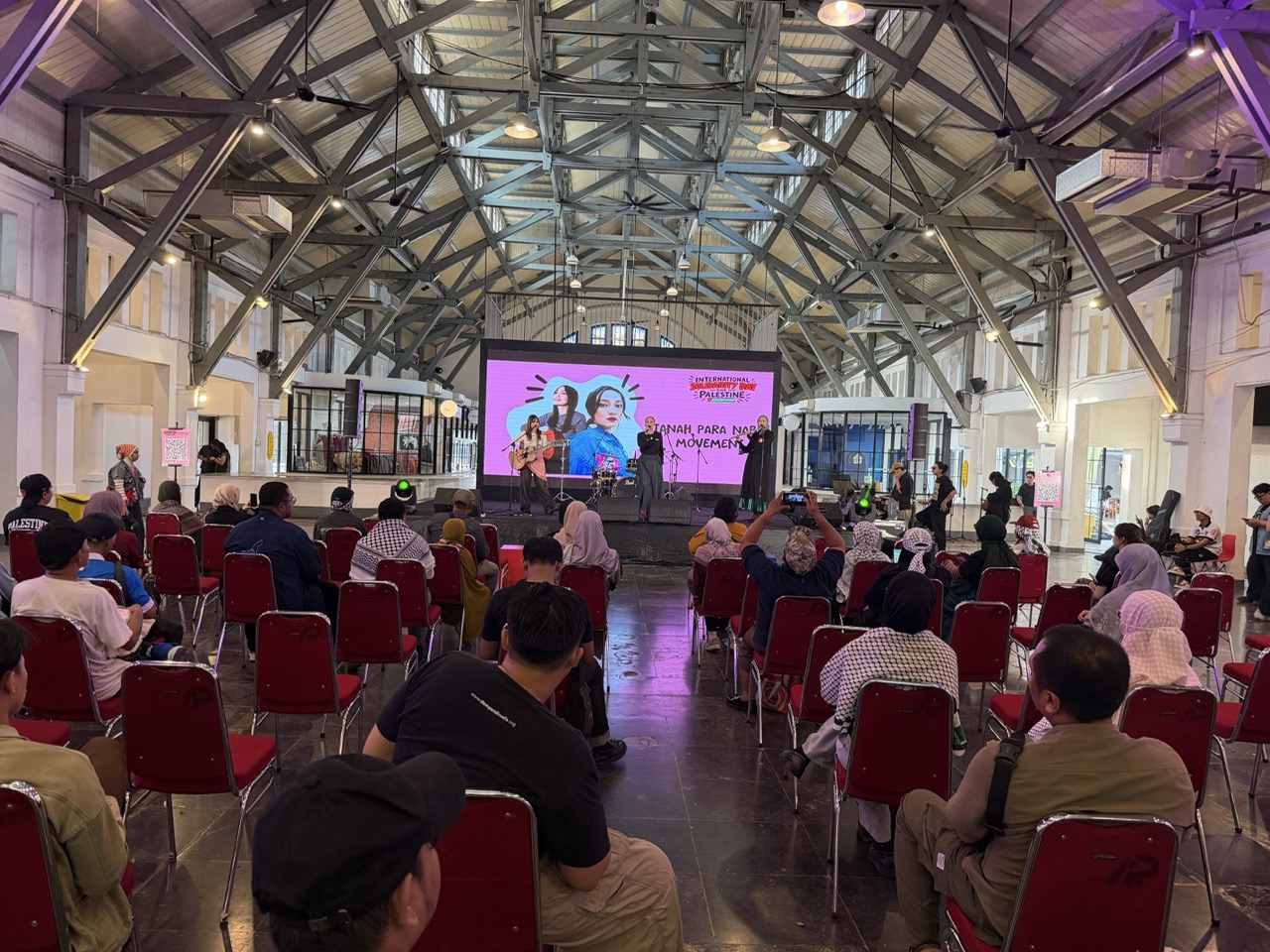
The cultural dimension of solidarity was also visible at an event titled International Solidarity Day for Palestine, held on November 29 at Gedung Pos Bloc in Pasar Baru, Jakarta. Beginning at 1 p.m., the gathering brought together discussions, a fashion bazaar, traditional dabke dance, an art auction and musical performances. One of the discussion sessions featured Dr. Ahed Abu Al-Atta, head of the Yayasan Persahabatan dan Studi Peradaban (YPSP), who joined other speakers in discussing the situation in Gaza and Palestine. With free entry, the event offered an opportunity for the public to engage with Palestine through conversation, cultural expression and community participation.
Palestinian Ambassador to Indonesia Abdalfatah A.K. Al-Sattari praised the scale of Indonesian public support during the opening of the solidarity campaign. "The whole world marks solidarity day on November 29, but Indonesia celebrates it for a full month," he said, highlighting the country's distinctive approach to sustained solidarity.
Regional Cooperation for Palestinian Development
Beyond public mobilisation, Southeast Asian governments contribute through humanitarian assistance, education and institutional capacity-building. Singapore, for example, supports Palestinian Authority officials through its Enhanced Technical Assistance Package, including postgraduate scholarships and training in digital entrepreneurship and public administration.
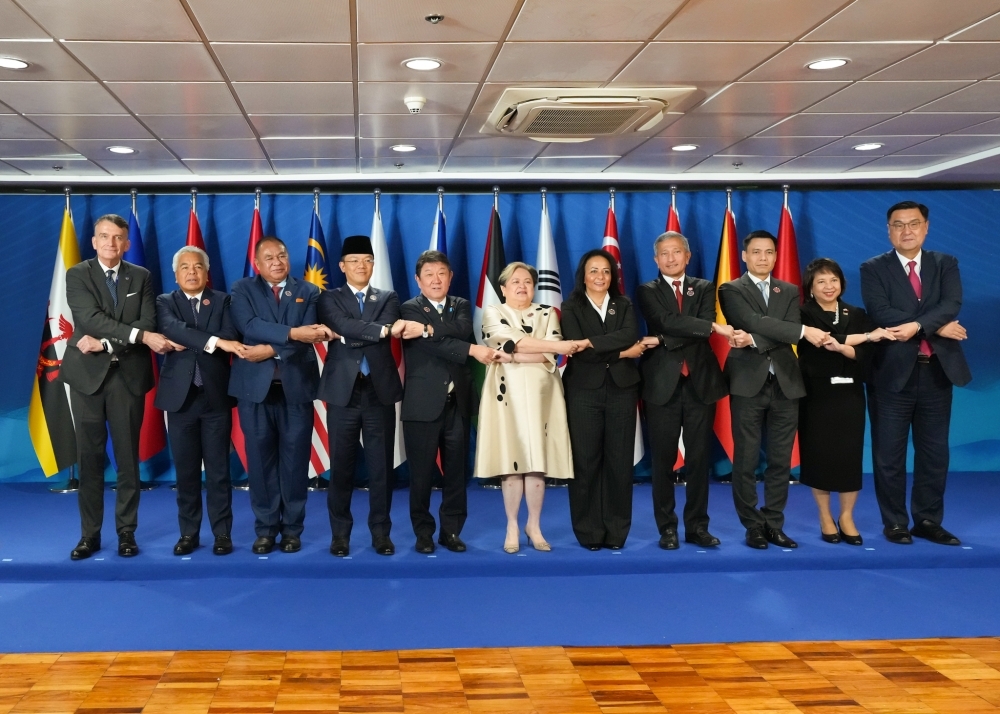
A significant regional milestone came on July 22, 2026, when the Philippines hosted the fifth ministerial meeting of the Conference on Cooperation among East Asian Countries for Palestinian Development (CEAPAD) in Manila. The meeting brought together representatives from 13 countries and regions and UNRWA, including 10 Southeast Asian countries. Its published project list documented 47 bilateral and trilateral cooperation projects registered by nine CEAPAD partner countries, focusing on healthcare, education, private-sector development and institutional capacity-building.
At the meeting, former Indonesian Foreign Minister Sugiono emphasised the importance of sustained international cooperation, stating, "Mewujudkan negara Palestina yang merdeka memerlukan dukungan yang berkelanjutan dari seluruh komunitas internasional" (Realising an independent Palestinian state requires sustained support from the entire international community).
Turning Solidarity into Long-Term Development
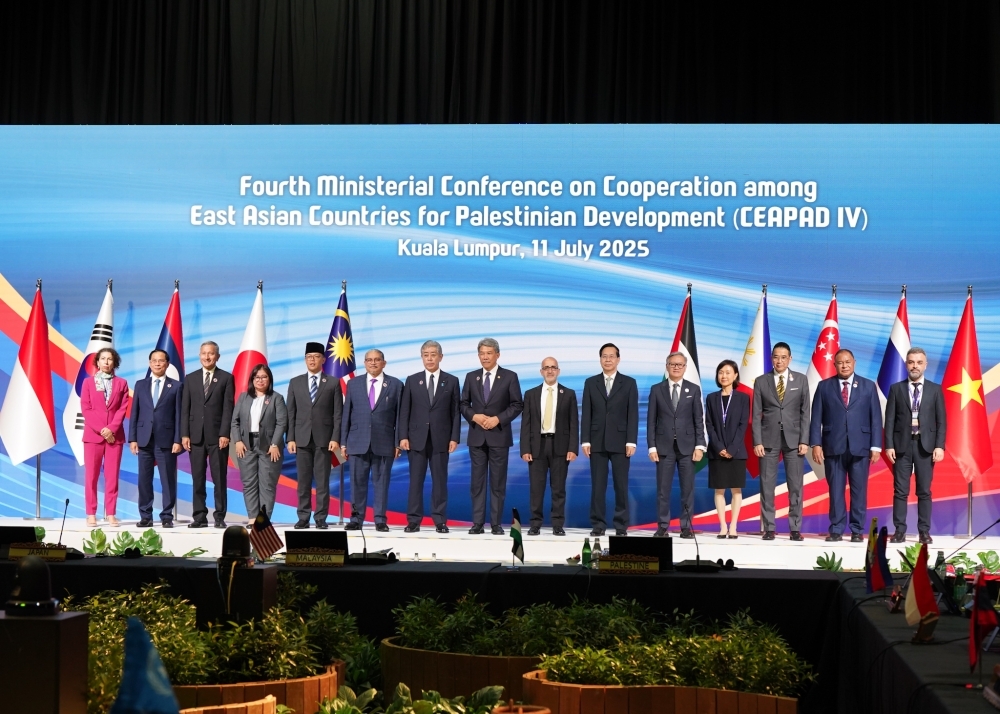
The CEAPAD framework illustrates how Southeast Asian development experience can contribute to Palestine's longer-term recovery. Initiated by Japan in 2013, the initiative encourages participating countries to share technical knowledge, institutional expertise and economic development experience to support Palestinian state-building.
Following the adoption of the Kuala Lumpur Action Plan in 2025, cooperation has focused on humanitarian response, early recovery and reconstruction in Gaza, economic development and institutional reform. The Manila meeting in 2026 further advanced this approach by compiling practical projects and strengthening coordination among participating countries.
For Southeast Asia, this is an opportunity to connect diplomatic principles with tangible contributions. Training, education, healthcare cooperation and support for Palestinian institutions can help strengthen the foundations needed for a future independent state. These initiatives complement humanitarian assistance and public campaigns by addressing the longer-term challenges facing Palestinian communities.
Making Solidarity a Continuing Commitment
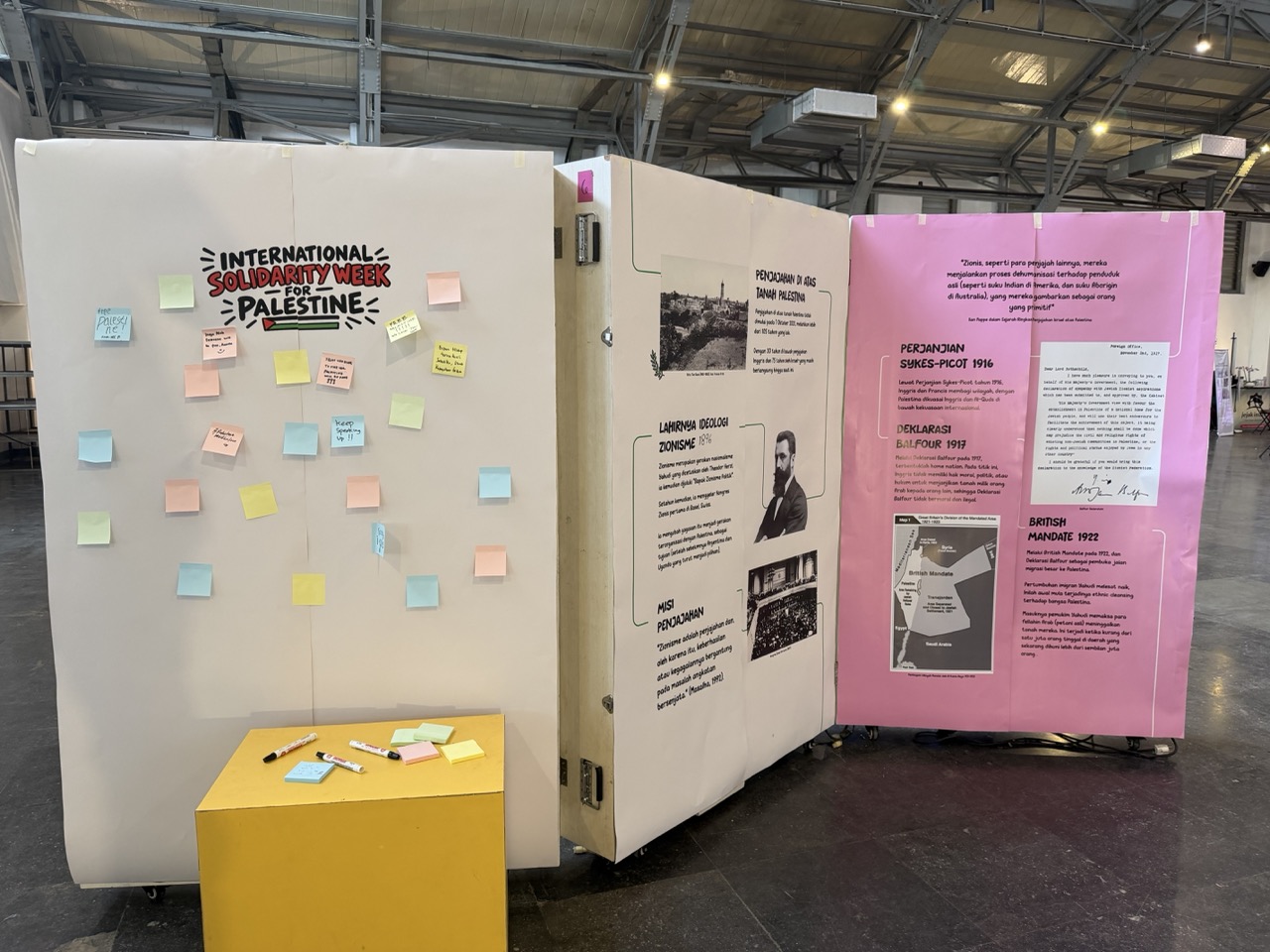
The International Day of Solidarity with the Palestinian People is more than an annual commemoration. From Jakarta's public marches and cultural gatherings to regional development cooperation through CEAPAD, Southeast Asia demonstrates that solidarity can take many forms.
As the United Nations renews its call for an end to the occupation and progress towards a two-State solution, the challenge is to sustain these efforts throughout the year. Ultimately, solidarity becomes meaningful when diplomatic commitments, humanitarian action and public engagement help Palestinians secure the dignity, security, freedom and future that every people deserves.


