


From Singapore’s waterfront to Bangkok’s busiest shopping districts and Kuala Lumpur’s newest business hub, Apple Stores have become more than places to buy iPhones. They are architectural attractions, creative spaces and destinations for loyal customers. Yet across Southeast Asia, a region of 11 countries and hundreds of millions of digital consumers, Apple operates just six official retail stores in three countries.
The contrast raises an interesting question: how has Apple built such a strong regional following while keeping its physical retail presence so selective?
Six Stores, Three Countries and a Distinctive Retail Experience
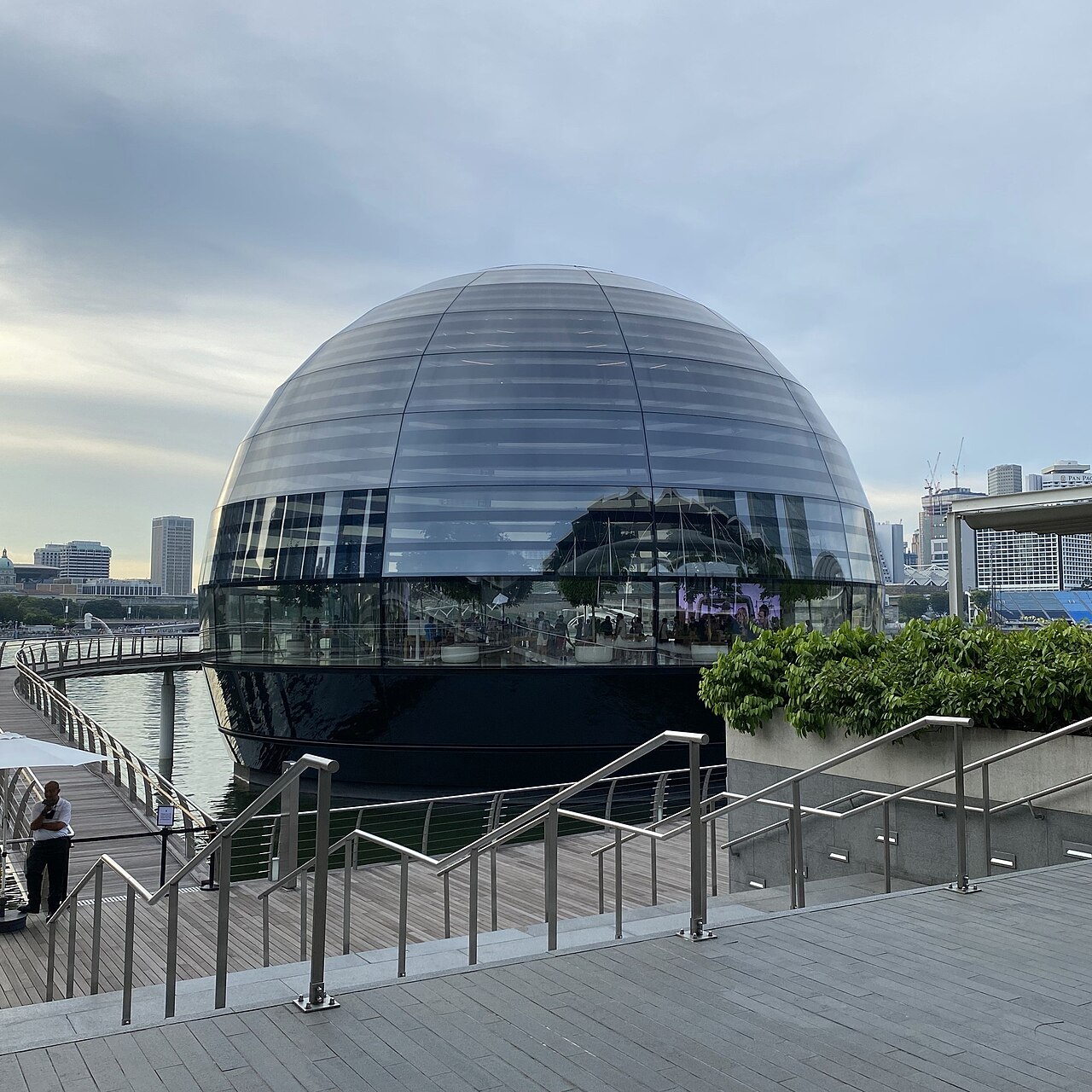
As of November 2026, Apple’s official retail footprint in Southeast Asia is concentrated in Singapore, Thailand and Malaysia. Singapore leads with three locations: Orchard Road, which became the region’s first Apple Store in 2017; Jewel Changi Airport; and the striking Marina Bay Sands, which opened in 2020 as the world’s first Apple Store situated directly on the water. Its glass sphere offers panoramic views of the city skyline.
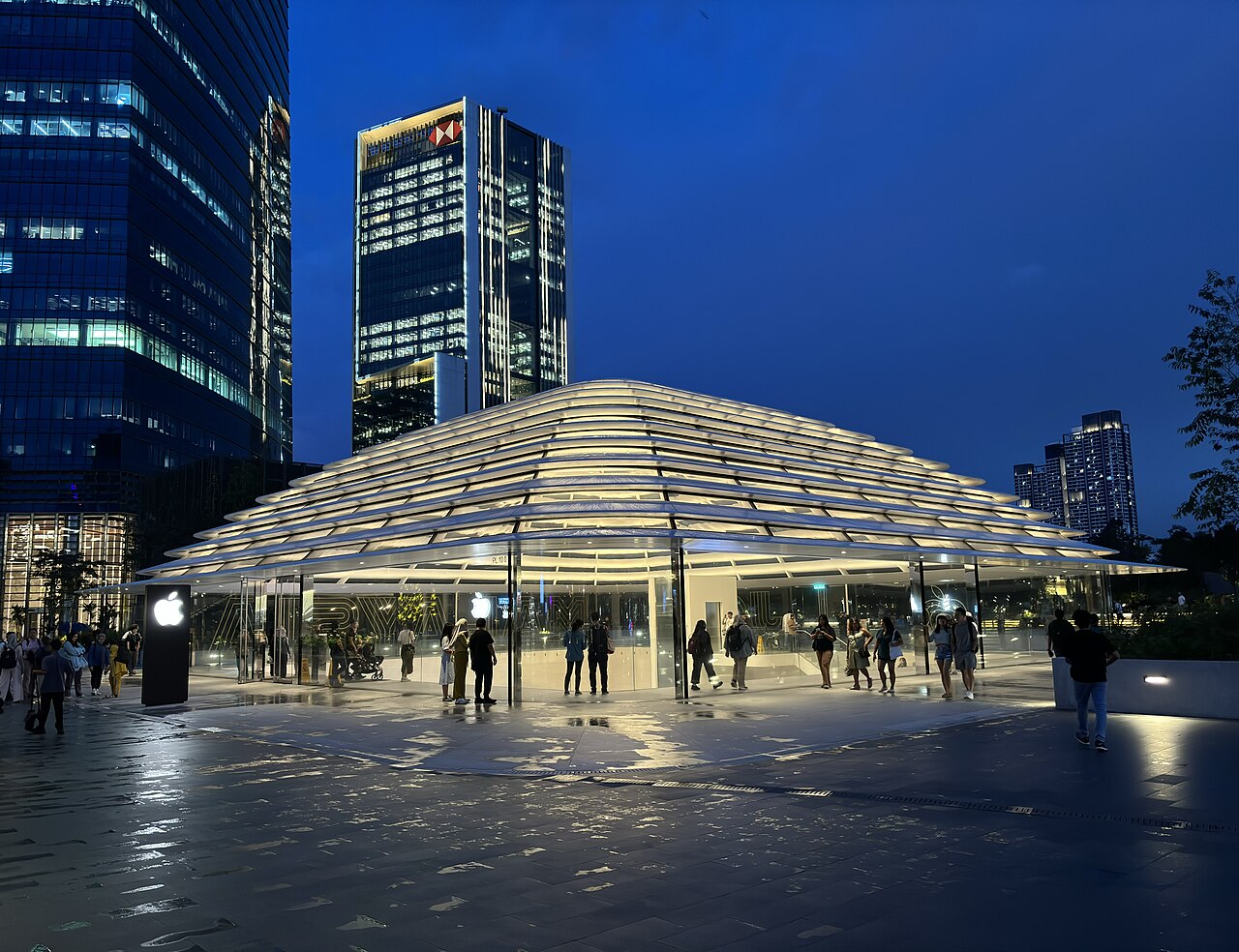
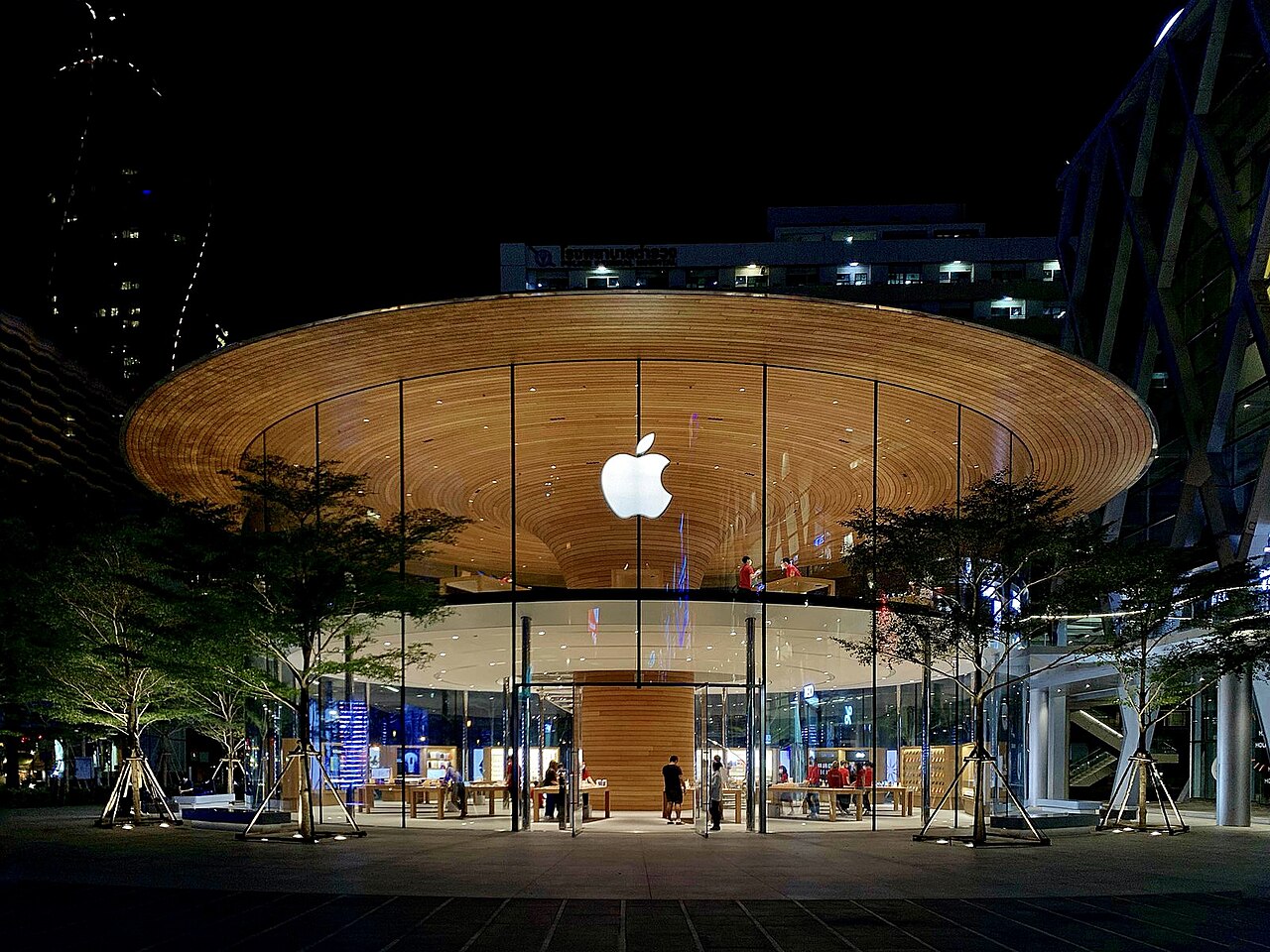
Thailand has two stores, Apple Iconsiam and Apple Central World, both in Bangkok. The latter is particularly recognisable for its circular glass structure and distinctive timber Tree Canopy roof. Malaysia entered the official retail network in June 2024 with Apple The Exchange TRX in Kuala Lumpur. Its layered roof connects the store to the shopping centre’s rooftop park, creating a design that reflects its urban surroundings.
These stores offer more than product displays. Customers can receive technical assistance, attend free Today at Apple creative sessions and explore Apple’s wider ecosystem. At the opening of the Malaysian flagship, Apple Senior Vice President of Retail Deirdre O’Brien said, “Being able to support and directly connect with a new community is always a special experience for our retail teams.”
Millions of Users, but Different Paths to Apple
Outside these three countries, Apple’s presence takes a different form. Indonesia, the Philippines, Vietnam, Cambodia, Laos, Myanmar, Brunei and Timor-Leste do not have official Apple retail stores, although products are available through authorised resellers, distributors and online channels. Vietnam, for example, has an official Apple Online Store, while Indonesian consumers commonly shop through established retailers such as iBox and Digimap.
Indonesia offers one of the region’s most compelling examples of Apple’s reach. Despite having no official Apple Store, the country has a substantial community of iPhone users and strong demand for new releases. The appeal extends beyond communication: smartphones are central to social media, mobile photography, digital payments, online shopping and content creation. For some consumers, an iPhone is also a premium lifestyle purchase.
The loyalty can be striking. In a January 2025 interview with The Jakarta Post, Indonesian Apple user Jocelyn Budipranoto, who had used Apple products for more than a decade, observed: “You don’t actually see major improvements in Apple's latest lineup, but people still talk about it, people still buy it.” Her comment captures a familiar pattern in the annual iPhone upgrade conversation: product changes may be incremental, but consumer attention remains strong.
Regional figures also show that premium smartphones continue to attract demand. Counterpoint Research reported that Southeast Asian smartphone shipments fell 15 per cent year-on-year in the second quarter of 2026, while the US$500–699 segment grew 74 per cent and devices priced above US$700 increased 18 per cent. Apple remained among the region’s five largest smartphone brands, with a 9 per cent shipment share. These figures suggest that even during a broader market slowdown, higher-priced devices retain considerable appeal.
Indonesia’s Apple Ambition and the Regional Supply Chain
Apple’s relationship with Southeast Asia is not limited to retail. Indonesia, in particular, has been seeking a deeper role in the company’s global operations. During his April 2024 visit to Jakarta, Apple CEO Tim Cook met President Joko Widodo to discuss investment and opportunities to integrate Indonesia into the global supply chain.
Apple has invested in local digital talent through its Developer Academies, with programmes established in Tangerang, Surabaya, Batam and Bali. Cook expressed confidence in the country, saying, “I think the investment potential in Indonesia is endless. I think there are many great places to invest, and we are investing. We believe in this country.”
Manufacturing discussions have also included a proposed AirTag facility in Batam. However, the proposal has been subject to negotiations, and Indonesian officials have questioned whether the investment would fulfil the requirements for local-content certification for iPhones. It is therefore important to distinguish proposed investment from an established manufacturing operation.
A Regional Following Beyond the Storefront
Apple’s Southeast Asian story is ultimately larger than its six retail locations. Singapore, Bangkok and Kuala Lumpur serve as physical gateways to the brand, while authorised retailers and online channels connect Apple with consumers elsewhere. New product launches also create cross-border excitement, with some enthusiasts travelling to neighbouring markets where devices become available earlier.
For Apple, Southeast Asia presents a balance of opportunity and selectivity: a growing digital consumer base, strong interest in premium technology and opportunities for deeper investment. Its stores may remain concentrated in just three countries, but the region’s enthusiasm for the Apple ecosystem reaches far beyond those storefronts.


