


Step into almost any hotel in Indonesia — whether in the bustling heart of Jakarta, the serene rice terraces of Ubud, or the sun-drenched beaches of Lombok — and you’ll likely be greeted by more than just a warm smile at reception.
There’s something in the air — an aroma that’s fresh, light, citrusy, a little herbal, and instantly soothing. That unmistakable scent? Lemongrass.
But why lemongrass? And why do so many hotels across this vast archipelago seem to agree on using it as their signature fragrance?
It turns out there’s much more behind this sensory choice than meets the nose.
A Scent Steeped in Culture
First, lemongrass — known locally as serai — is deeply woven into the cultural and everyday life of Indonesians. It flavors countless traditional dishes, from soups and curries to grilled meats. It is steeped in boiling water to create wedang serai, a popular herbal drink believed to calm the mind and aid digestion. It is even used in folk remedies and as a natural insect repellent in village homes.
In many ways, lemongrass carries the aroma of Indonesia itself. To use this scent in hotel spaces is to offer guests — particularly international travelers — an olfactory introduction to the country’s rich sensory culture. It’s a subtle way of saying: Welcome to Indonesia. This is what we smell like.
Clean, Calm, and Inviting
From a hospitality perspective, lemongrass ticks many practical boxes too.
Its crisp, clean aroma signals freshness — a particularly valuable trait in a humid, tropical climate where mustiness can easily creep into spaces.
It has natural anti-bacterial and deodorizing properties, making it an ideal companion to the daily efforts of housekeeping staff to maintain a pristine environment.
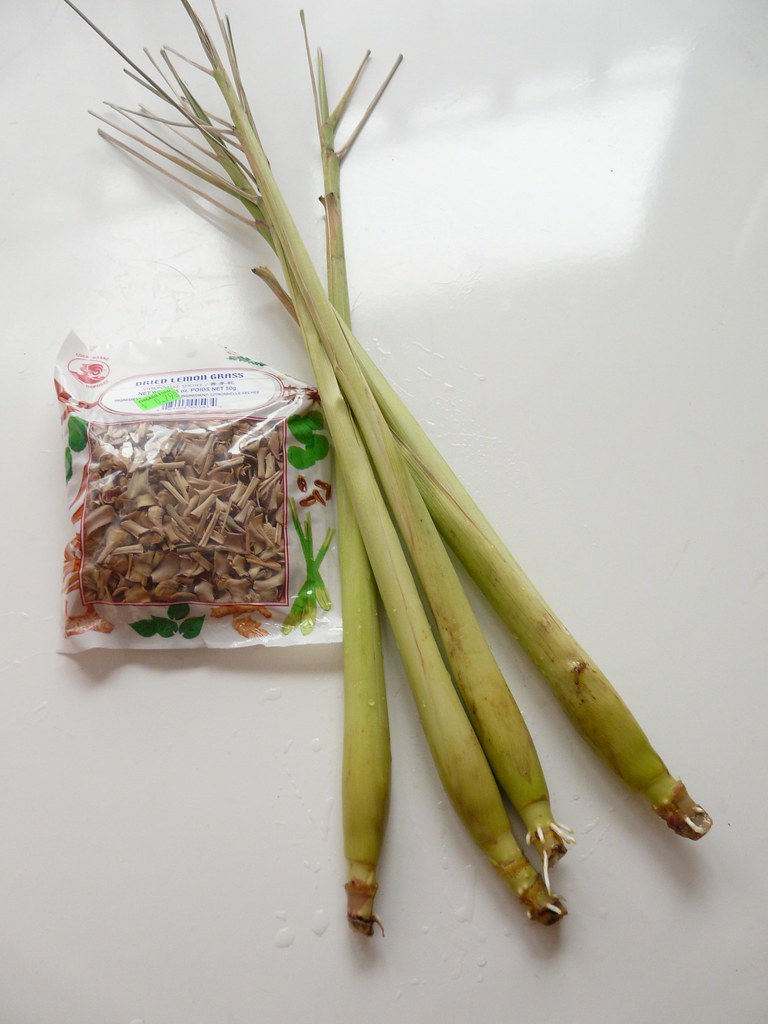
More importantly, lemongrass offers powerful psychological effects. Its fragrance is known to be calming and stress-reducing, yet simultaneously uplifting and energizing. In the context of a hotel lobby — where travelers may arrive jet-lagged, tired, or disoriented — this is exactly the kind of sensory experience that can gently reset their mood and create a first impression of comfort and well-being.
The Art of Scent Branding , Without Saying a Word
In the modern hospitality world, scent is no longer an afterthought.
Many hotels today employ professional scent designers to craft a “signature scent” — a unique blend that subtly permeates public areas and sometimes guest rooms, creating a distinctive sensory identity.
While hotels in Indonesia vary in how they compose their fragrance profiles, lemongrass almost always forms the backbone of the blend.
Why? Because it is immediately recognizable, appeals to a wide range of cultural preferences, and carries a clear link to place.
Where European or Middle Eastern hotels might favor heavy oud, musk, or amber, and East Asian hotels might lean toward delicate floral or tea notes, Indonesian hotels embrace lemongrass because it speaks of the local landscape — from rainforest edges to kitchen gardens.
Variations on a Theme, Lemongrass with a Twist
Though lemongrass is a common thread, hotels rarely use it in isolation.
Each property will layer it with other scent notes to create an experience that reflects their particular atmosphere and target guest profile.
In more relaxed, nature-immersed settings — such as resorts near the sea or mountains — lemongrass might be blended with earthy notes like vetiver, patchouli, or cedarwood, enhancing the sense of connection to the natural world.
In wellness-focused retreats, you might notice a brighter version — lemongrass paired with green tea or mint, reinforcing the themes of rejuvenation and clarity.
Urban hotels often blend lemongrass with lighter citrus notes (such as bergamot or grapefruit) or subtle florals, aiming for an aroma that is modern, clean, and sophisticated — a scent that appeals equally to business travelers and vacationers.
In boutique heritage hotels, blends sometimes lean toward warmer, spicier combinations — think lemongrass with clove or ginger — evoking Indonesia’s deep spice trade history and culinary richness.
Practical and Sustainable
There’s also a practical and environmental dimension to the popularity of lemongrass.
Unlike synthetic air fresheners or imported oils, lemongrass is grown abundantly across Indonesia — from West Java to North Sumatra, from Sulawesi to Bali.
Its essential oil is easy to produce in an eco-friendly manner, supports local agricultural communities, and aligns with the growing global trend toward sustainability in hospitality.
In a world where travelers increasingly value authenticity and environmental responsibility, using locally sourced natural scents is not just a sensory choice — it’s a branding statement.
The Scent That Travels With You
Many Indonesian hotels have realized that guests not only enjoy the lemongrass experience during their stay — they want to take it home.
It’s now common to find lemongrass-based room sprays, oils, and diffusers sold in hotel gift shops or offered as part of branded merchandise lines.
This serves a clever purpose: every time a guest sprays that familiar aroma in their home months later, they are instantly transported back to the relaxing afternoons by the pool, the elegant lobby, the warm tropical air — and their Indonesian adventure.


