Southeast Asia is famous for its bold and vibrant culinary scene – from Thailand’s spicy street food to Vietnam’s fragrant noodle soups. But while many regional cuisines have gained global recognition, Cambodian food remains one of the most underrated treasures in Southeast Asia. Deeply rooted in tradition and crafted with subtle spices, Cambodian street food offers a unique culinary experience that blends history, culture, and taste.
Cambodian street food tells a story that’s often missed. If you’re looking to explore the region beyond the usual tourist favorites, these must-try Cambodian dishes deserve a spot on your food journey.
Samlor Korko
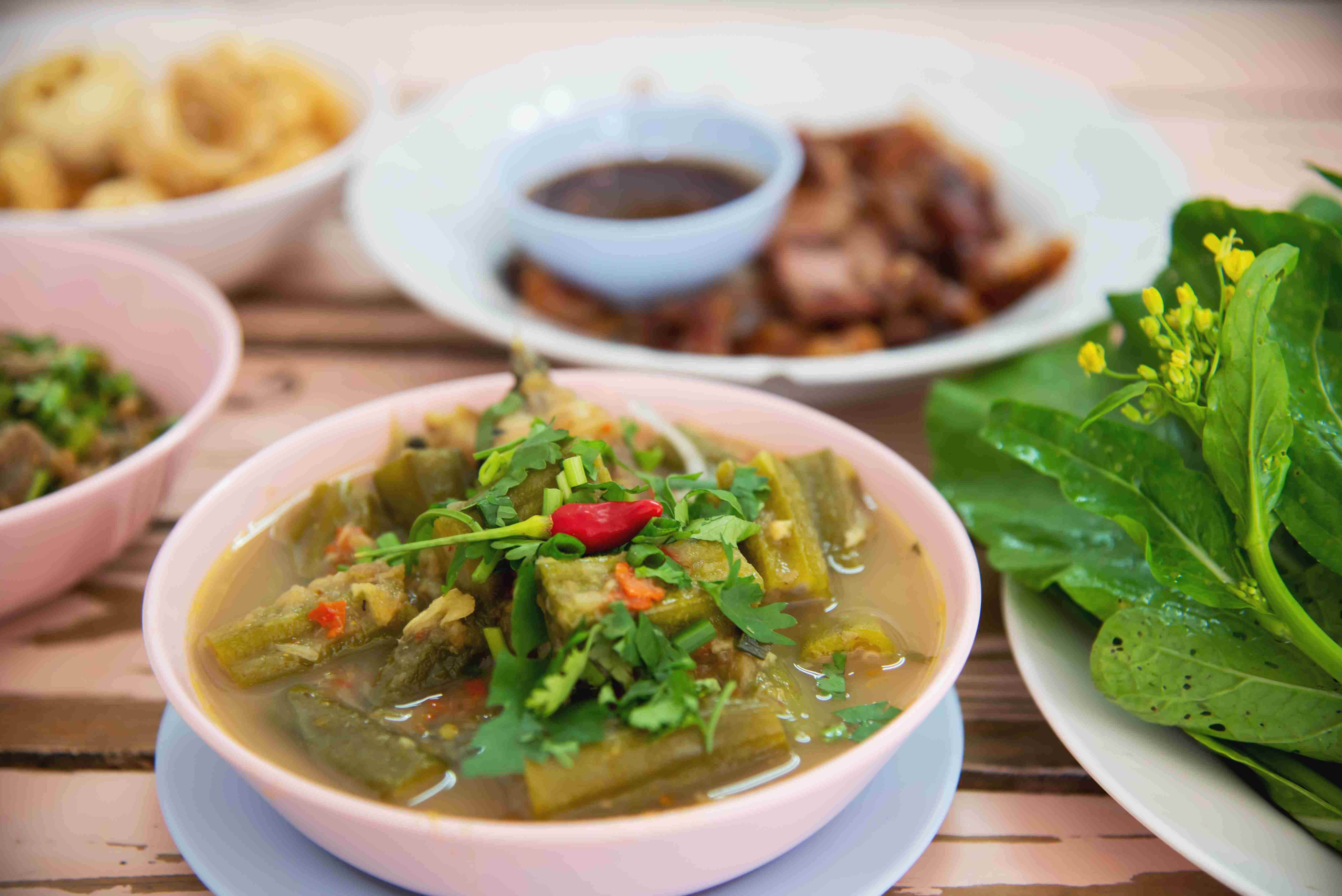
Samlor Korko is a traditional Cambodian soup that many locals consider the country’s true national dish, even though it’s often overshadowed by the more internationally known Fish Amok. This hearty and flavorful soup is made with a variety of local vegetables — such as pumpkin, eggplant, and long beans — combined with pork or fish.
The ingredients are simmered in a rich broth flavored with kroeung, a traditional Cambodian spice paste, resulting in a savory taste, thick texture, and a deeply aromatic profile. More than just a meal, Samlor Korkor reflects Cambodia’s close relationship with nature and its rich culinary heritage passed down through generations.
Fish Amok
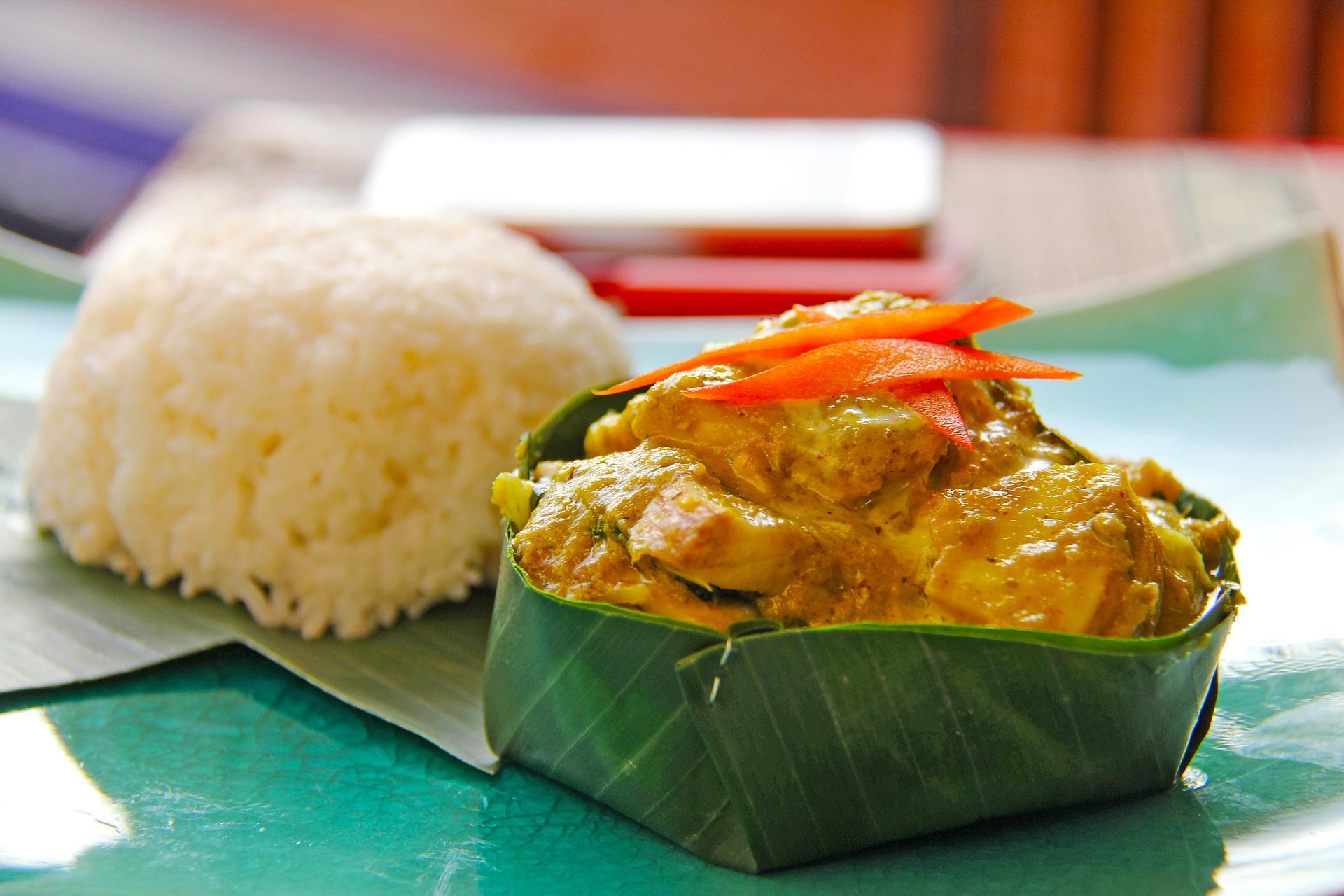
Fish Amok is one of Cambodia’s traditional dishes, this steamed fish curry is served in a natural bowl made from banana leaves. The fish is cooked in rich coconut milk and a blend of signature Cambodian spices, resulting in a savory flavor and enticing aroma.
Steaming it in banana leaves not only keeps the fish tender but also infuses it with a subtle, fragrant note that enhances the overall taste. This harmony of traditional cooking techniques and local ingredients makes Fish Amok a true symbol of Cambodia’s rich culinary heritage that is a shame to miss.
Nom Ka Chai
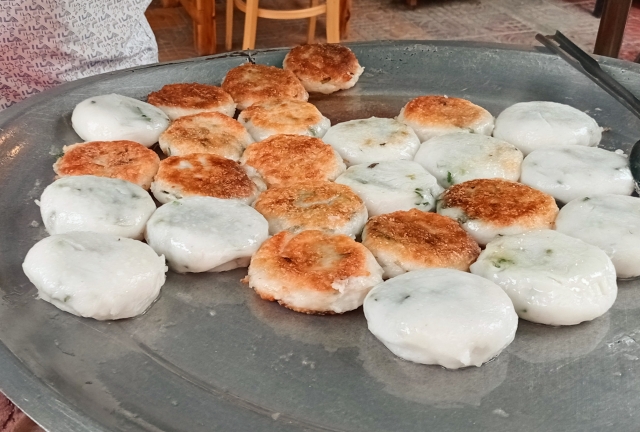
Nom Ka Chai, or chive cakes, is a Cambodian street snack that combines simplicity with bold flavor. These savory pancakes are made from a soft rice flour dough filled with sautéed chives, then pan-fried until crispy on the outside and chewy on the inside.
The cakes are best enjoyed fresh off the griddle, where their slightly crisp edges and tender center practically melt in your mouth. Traditionally served with a sweet and spicy fish sauce chili dip, Nom Ka Chai offers a delightful balance of textures and flavors — a perfect bite for street food lovers.
Nom Khrouk
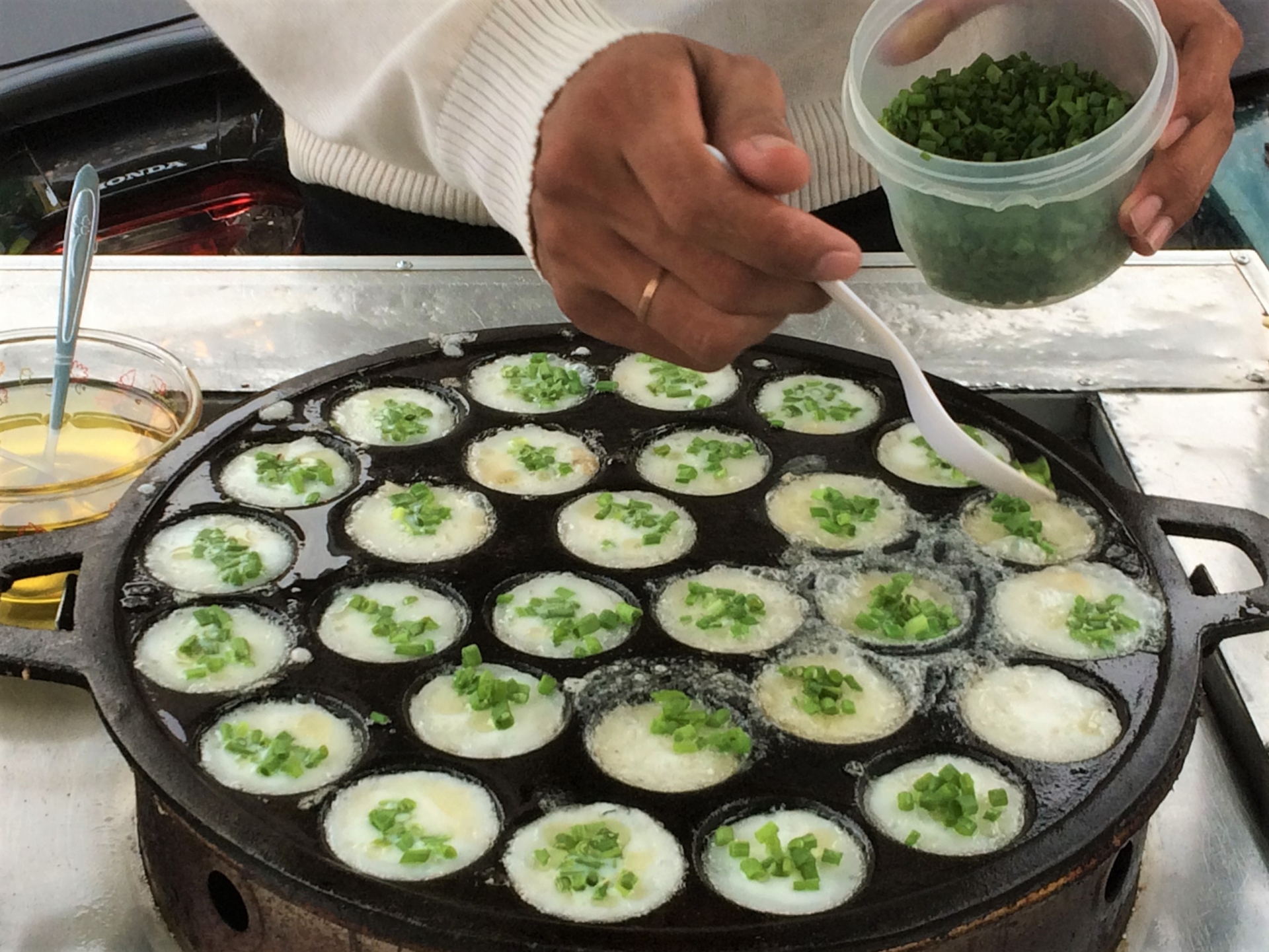
Nom Khrouk also called Nom Krok are bite-sized Cambodian rice flour pancakes cooked in a specialized griddle, offering a delightful contrast of textures-crispy edges with a soft and creamy center. Made with a batter of rice flour, shredded coconut, sugar, and coconut milk, these golden morsels are typically sold in sets of five or ten by street vendors.
Often enjoyed fresh off the pan, Nom Khrouk can be served sweet, savory, or dipped in chili oil—making them a wonderfully addictive snack. A hit among locals and travelers alike, Nom Khrouk represents Cambodia’s creative flair in transforming humble ingredients into irresistible street bites.
From savory soups to crispy coconut cakes, Cambodia’s street food scene is filled with hidden culinary treasures. These underrated dishes carry rich stories of tradition, culture, and local flavor. If you're craving authentic Southeast Asian tastes beyond the usual favorites, Cambodia’s street food is a journey truly worth savoring.
This article was created by Seasians in accordance with the writing rules on Seasia. The content of this article is entirely the responsibility of the author.