

In Southeast Asia, food is never just about eating, it’s about identity, memory, and pride. Across eleven nations, every dish tells a story of migration, spice, and survival.
From humble street stalls to royal kitchens, these foods carry the essence of who people are and where they come from.
While there’s no official ranking or survey, these dishes are widely recognized as each country’s most iconic creations, plates that speak louder than words, uniting a region through flavor.
Brunei Darussalam – Ambuyat
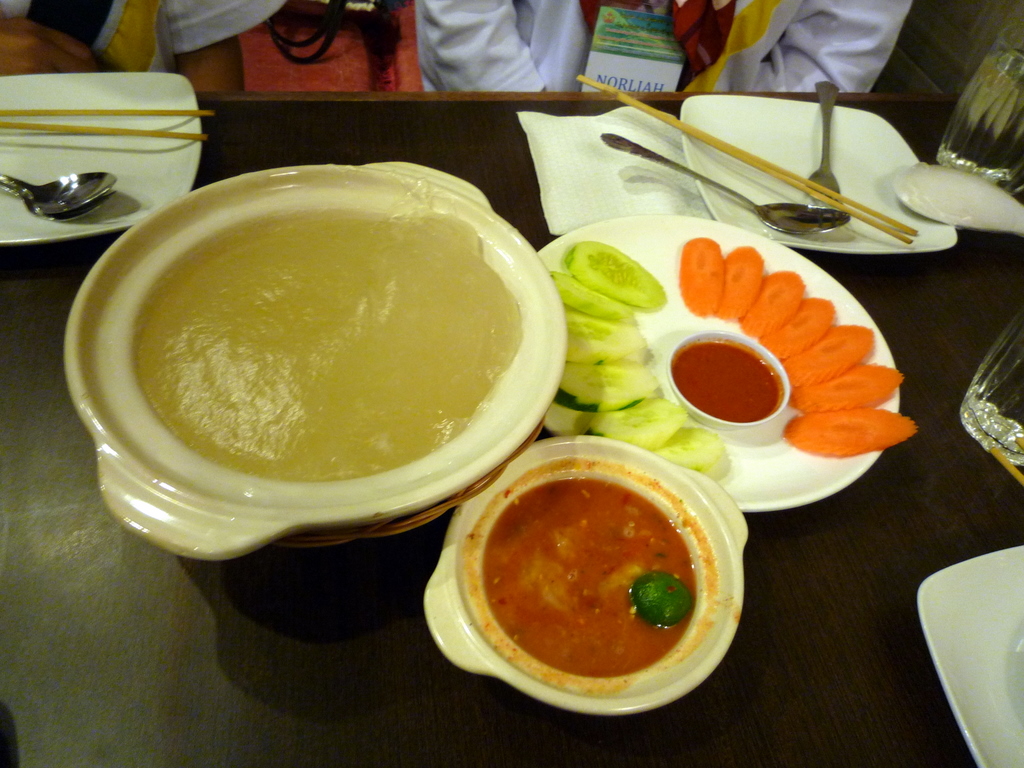
Sticky, simple, and shared, Ambuyat is Brunei’s national staple made from sago starch. It’s eaten by twirling the gooey paste around a bamboo stick before dipping it into spicy and sour sauces. For Bruneians, Ambuyat isn’t just food; it’s an experience that celebrates togetherness, especially during family gatherings and festive occasions.
Cambodia – Fish Amok
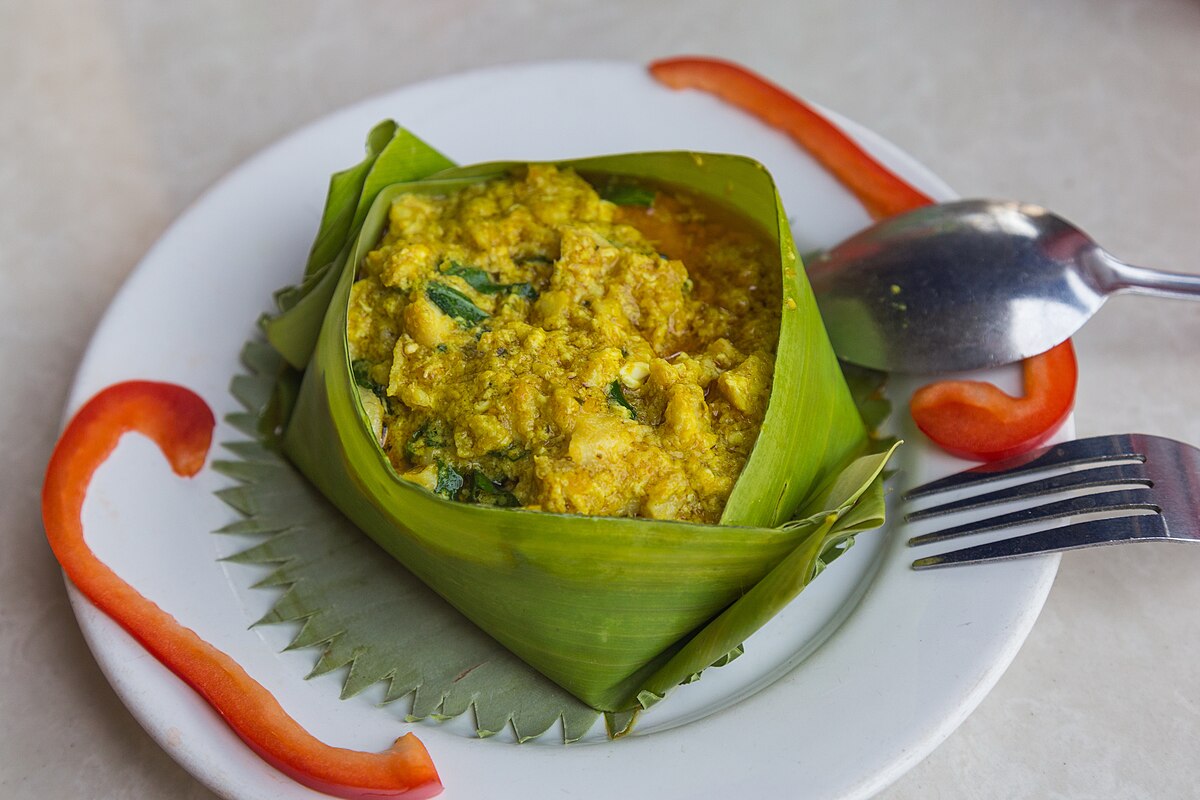
Delicate yet rich, Fish Amok is Cambodia’s pride. This creamy curry of fish, coconut milk, lemongrass, and galangal is traditionally steamed in banana leaves, creating a fragrant and velvety texture. More than a meal, it represents the gentle rhythm of Khmer life, balanced, harmonious, and full of subtle depth.
Indonesia – Nasi Goreng
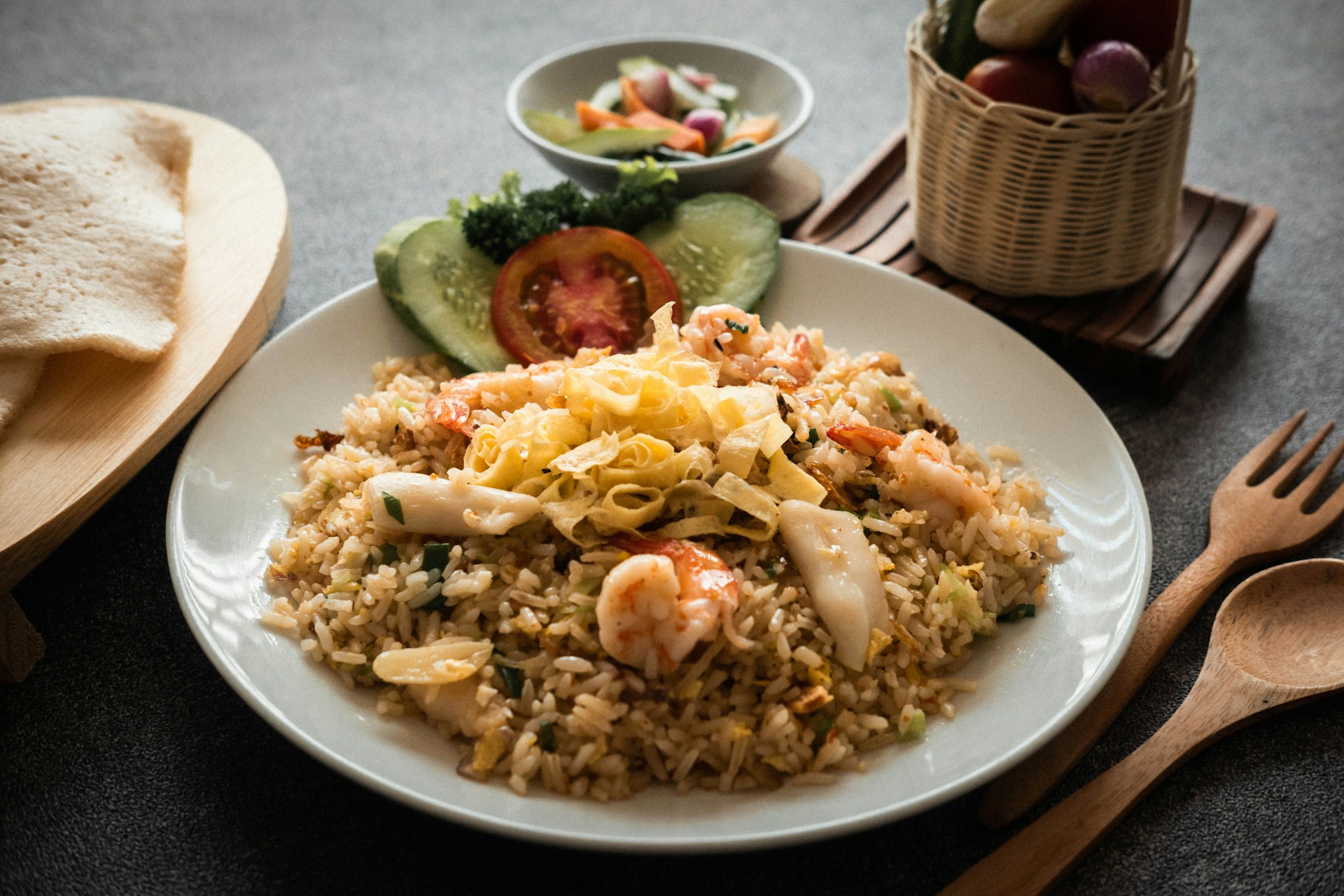
If Southeast Asia had a comfort dish, Indonesia’s Nasi Goreng would claim the title. Stir-fried rice mixed with sweet soy sauce, chili, shallots, and whatever’s left in the kitchen, it’s a symbol of creativity and flexibility. From Jakarta to Surabaya, everyone has their own version, proving that simplicity can carry endless variations of taste and identity.
Laos – Larb
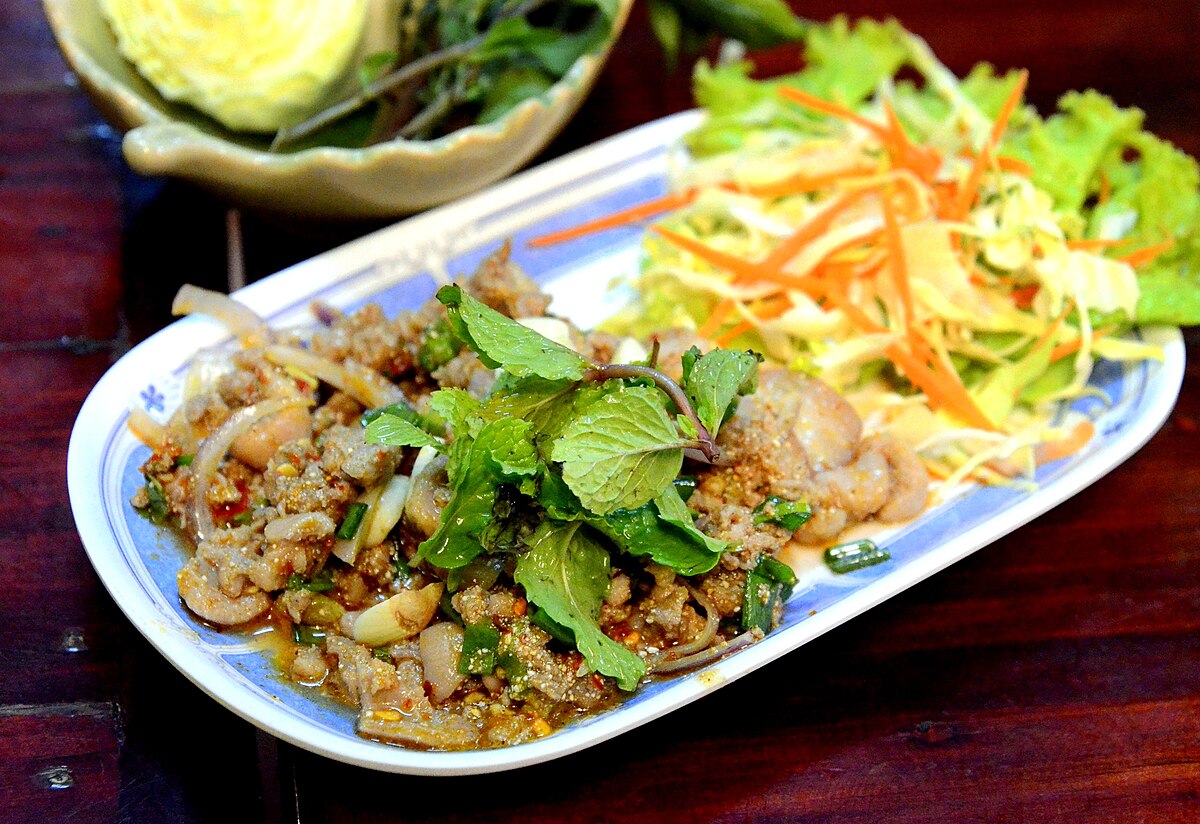
Fresh, zesty, and full of herbs, Larb is the soul of Lao cuisine. This minced meat salad, flavored with lime juice, fish sauce, and roasted rice powder, embodies the balance of flavors that define the country’s food philosophy. In Laos, Larb is often served to celebrate new beginnings, symbolizing luck and prosperity.
Malaysia – Nasi Lemak
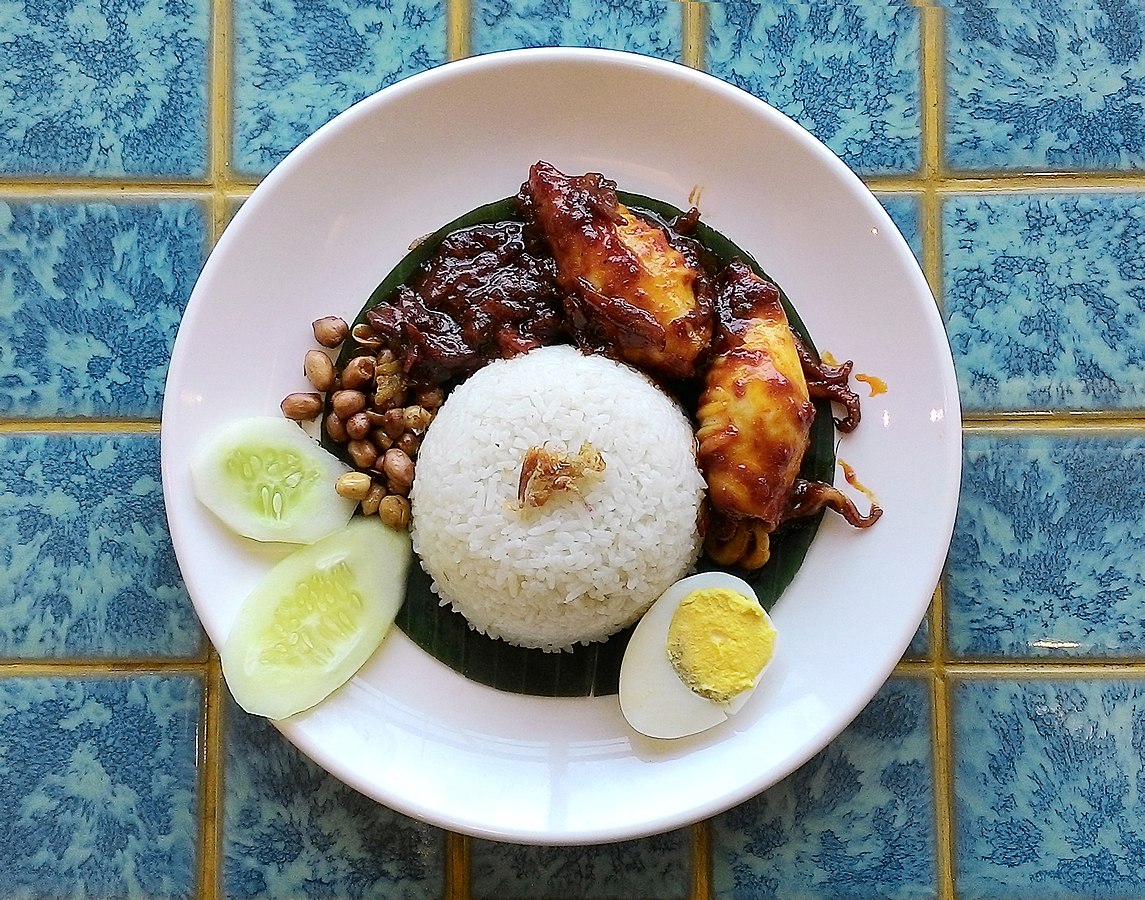
Few dishes say “Malaysia” better than Nasi Lemak. Coconut-infused rice paired with sambal, anchovies, peanuts, and egg, it’s breakfast, lunch, and national identity all in one. Simple in presentation but complex in flavor, Nasi Lemak reflects Malaysia’s multicultural soul, where Malay, Chinese, and Indian influences blend seamlessly on a single plate.
Myanmar – Mohinga
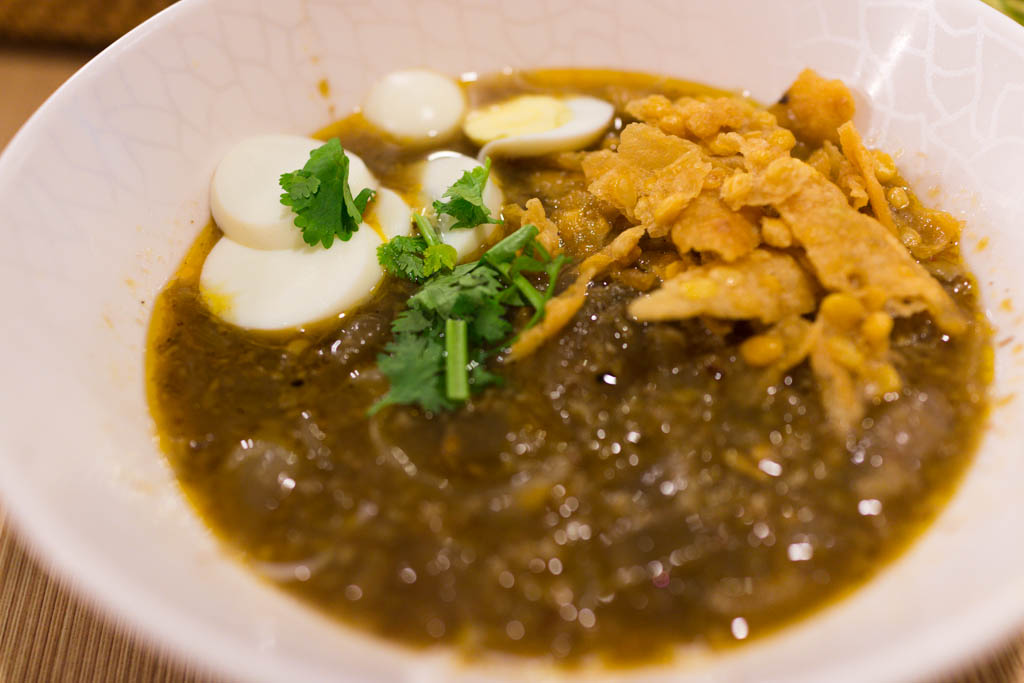
Often called the “national breakfast of Myanmar,” Mohinga is a comforting fish noodle soup enriched with lemongrass and chickpea flour. Its aroma fills early morning markets, drawing locals to steaming bowls that represent warmth, community, and tradition. For many Burmese, Mohinga is more than sustenance, it’s nostalgia served in a bowl.
Philippines – Adobo
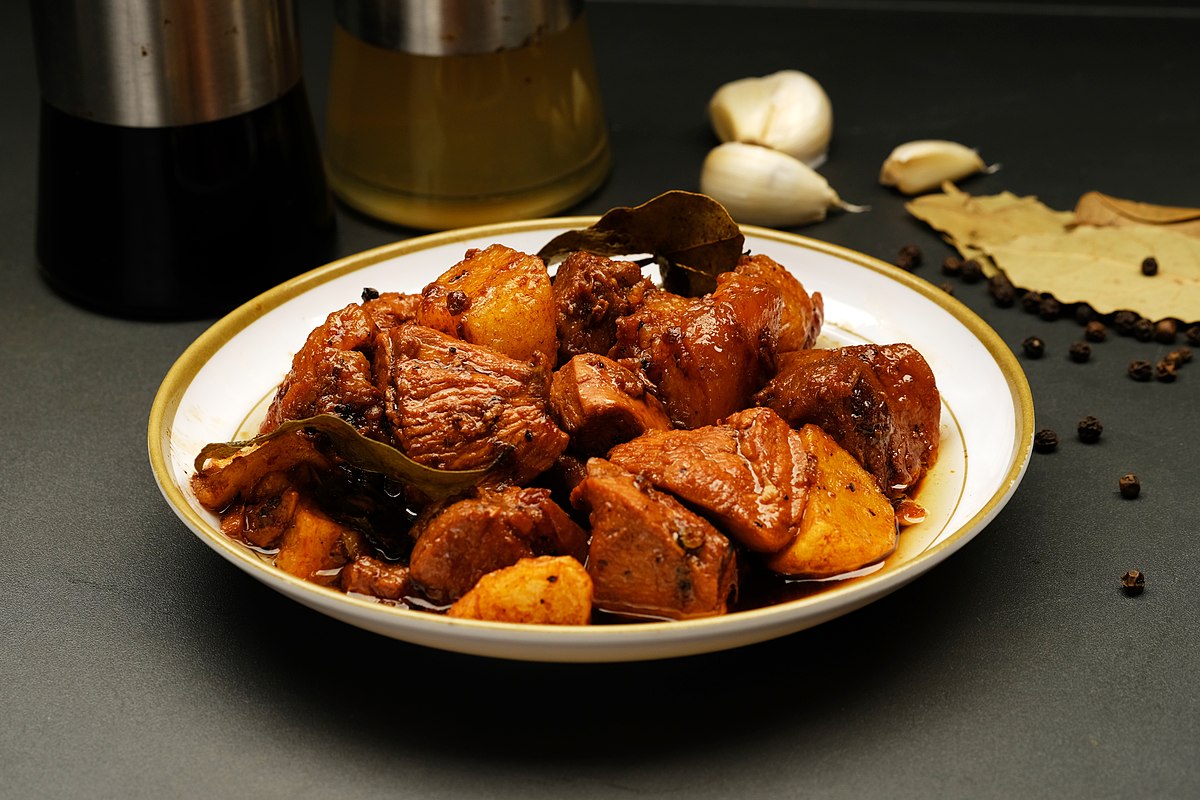
There’s no debate: Adobo is the Philippines’ culinary heart. Combining vinegar, soy sauce, garlic, and bay leaves, it captures the country’s knack for blending influences, Spanish, Chinese, and indigenous. Salty, sour, and deeply savory, Adobo is both comfort food and cultural metaphor: resilient, adaptable, and proudly Filipino.
Singapore – Hainanese Chicken Rice
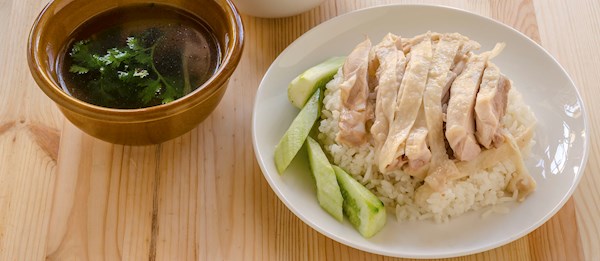
As cosmopolitan as the city itself, Hainanese Chicken Rice is Singapore’s unofficial national dish. Poached chicken, fragrant rice cooked in broth, and chili-ginger sauce come together in perfect harmony. Its roots trace back to Chinese immigrants, but Singapore transformed it into something uniquely local, precise, elegant, and unmistakably Singaporean.
Thailand – Pad Thai
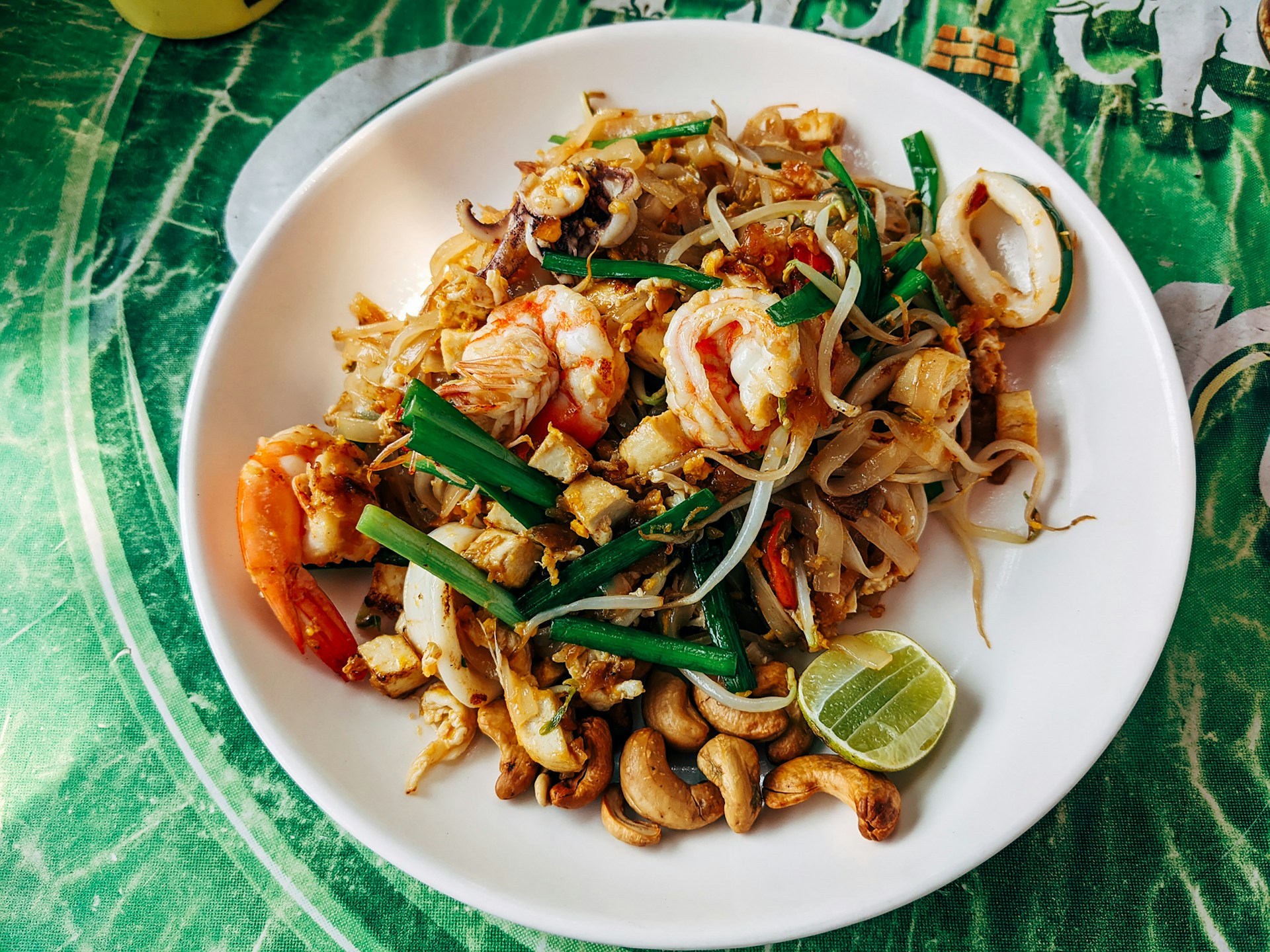
Vibrant and balanced, Pad Thai captures Thailand’s famous “four-flavor harmony.” Stir-fried rice noodles tossed with tamarind, palm sugar, tofu, peanuts, and lime, every bite is sweet, sour, salty, and spicy all at once. Once introduced as a patriotic dish in the 1930s, Pad Thai has since become a global ambassador of Thai cuisine.
Timor-Leste – Ikan Pepes (Grilled Fish in Banana Leaves)
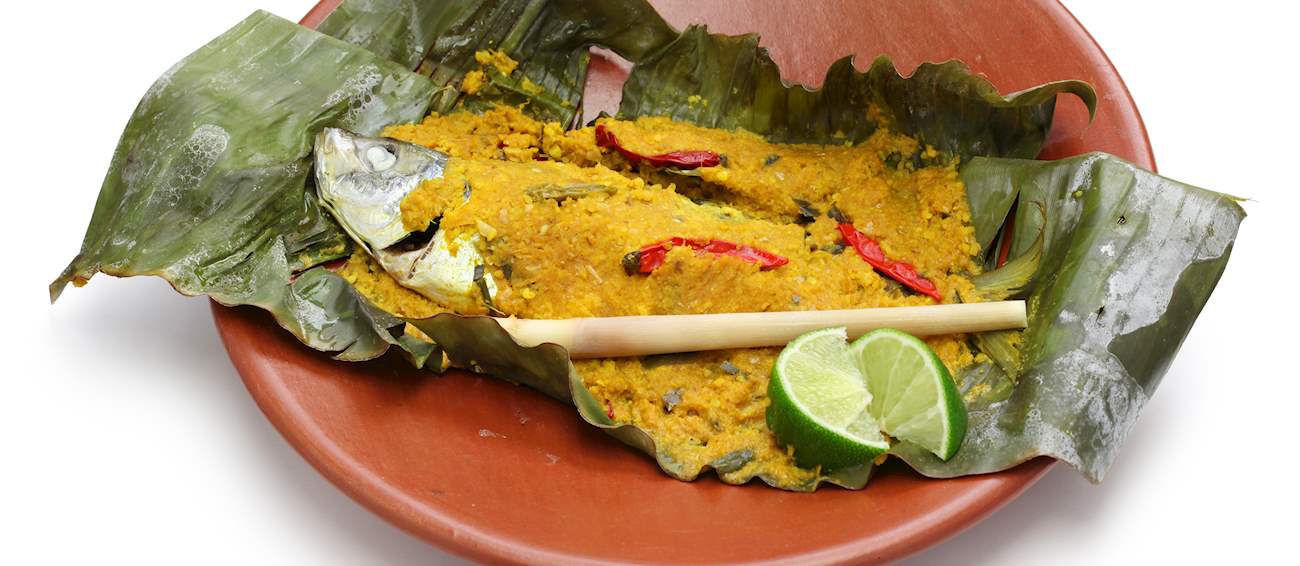
Timor-Leste’s coastal heritage shines through in Ikan Pepes, fish marinated in turmeric, garlic, and local spices, wrapped in banana leaves, then grilled over open fire. The result is smoky and tender, embodying the country’s deep connection to the sea and its simple, rustic way of life.
Vietnam – Pho
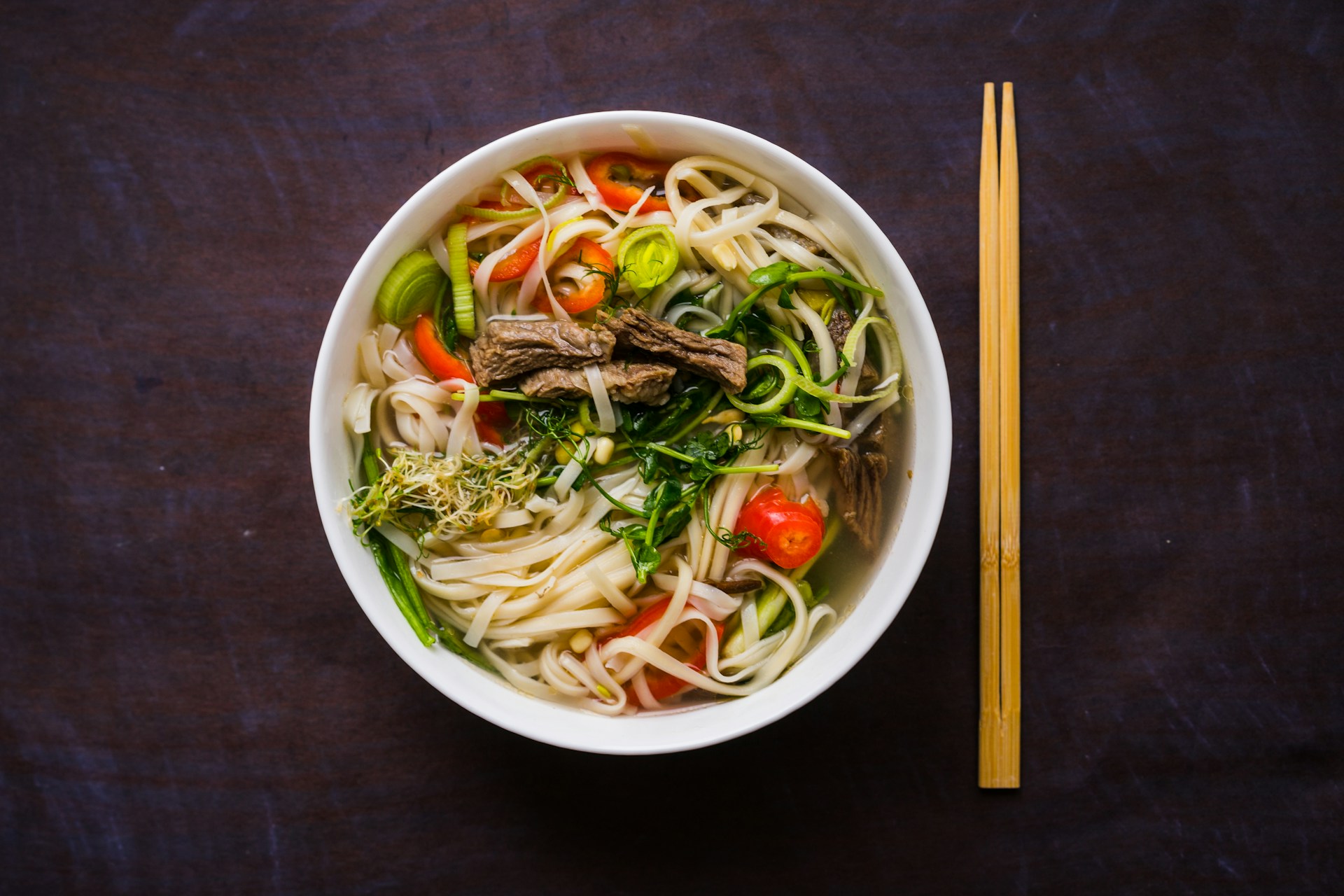
Few dishes define a nation as gracefully as Vietnam’s Pho. Clear broth simmered for hours, flat rice noodles, herbs, and tender slices of beef, it’s elegant simplicity. Each bowl carries patience and care, symbolizing Vietnamese culture’s respect for time, balance, and craftsmanship.
United by Flavor, Diverse by Nature
Across Southeast Asia, these dishes may differ in ingredients and cooking styles, but they share one essential truth, food connects people. Every bowl, skewer, and leaf-wrapped parcel tells a story of migration, resilience, and joy.
In the end, to taste Southeast Asia is to understand its heart: a region where spice and soul always meet at the table.



