When talking about Southeast Asian cuisine, we cannot forget chili sauce. Here, chili sauce is a must-have complement to many dishes, almost like a phone in our lives.
Though they may seem similar, each country in Southeast Asia presents its own version of chili sauce with unique flavors. Let’s take a look at some of them and how diverse they are.
Nuoc Cham: Vietnamese Sweet-Sour Fish Sauce
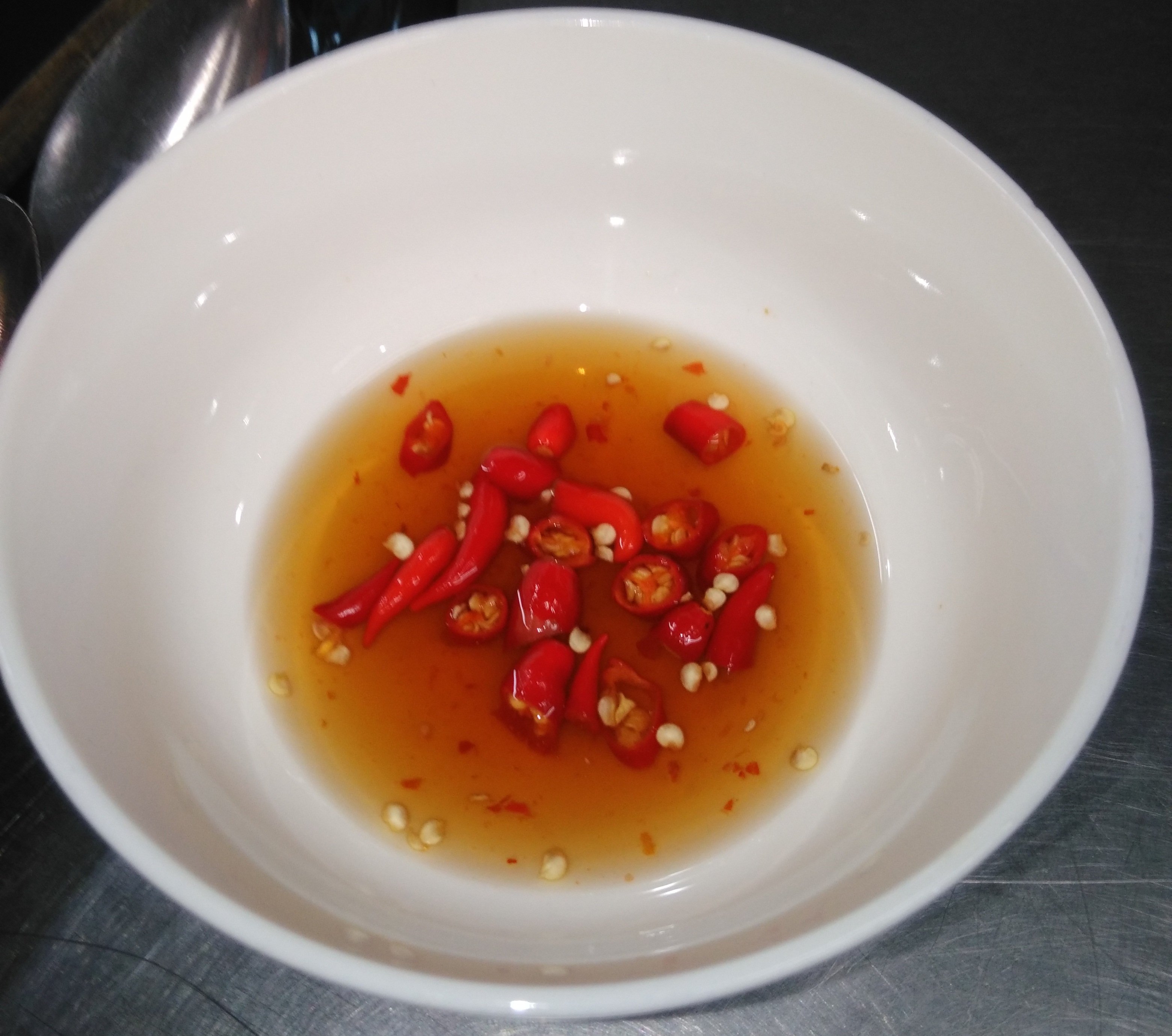
One of the most popular chili sauces in Vietnam is fish sauce, or known as nuoc cham. The word nuoc literally means “liquid”, while cham means “dipping”. Combined together, it basically means “dipping sauce”. Its flavor characteristics are sour, sweet, savory, and spicy, commonly served with spring rolls, seafood dishes, or even soups.
The history of nuoc cham goes back ages ago, when Cham people arriving in Central and Southearn Vietnam, introduced fish sauce to the locals. Another version says that Vietnamese people had already been fermenting fish with salt centuries before, as they had always been rich in fish resources.
Interestingly, nuoc cham is not exactly fish sauce itself, but more a dipping sauce made of fish sauce (nuoc mam), which is fermented fish. The whole sauce is then combined with lime juice, sugar, water, and sliced chili peppers. Nevertheless, in English terms, people just call it “fish sauce” as that ingredient forms its essential part.
Sambal Matah: Indonesian Fresh and Raw Chili Sauce
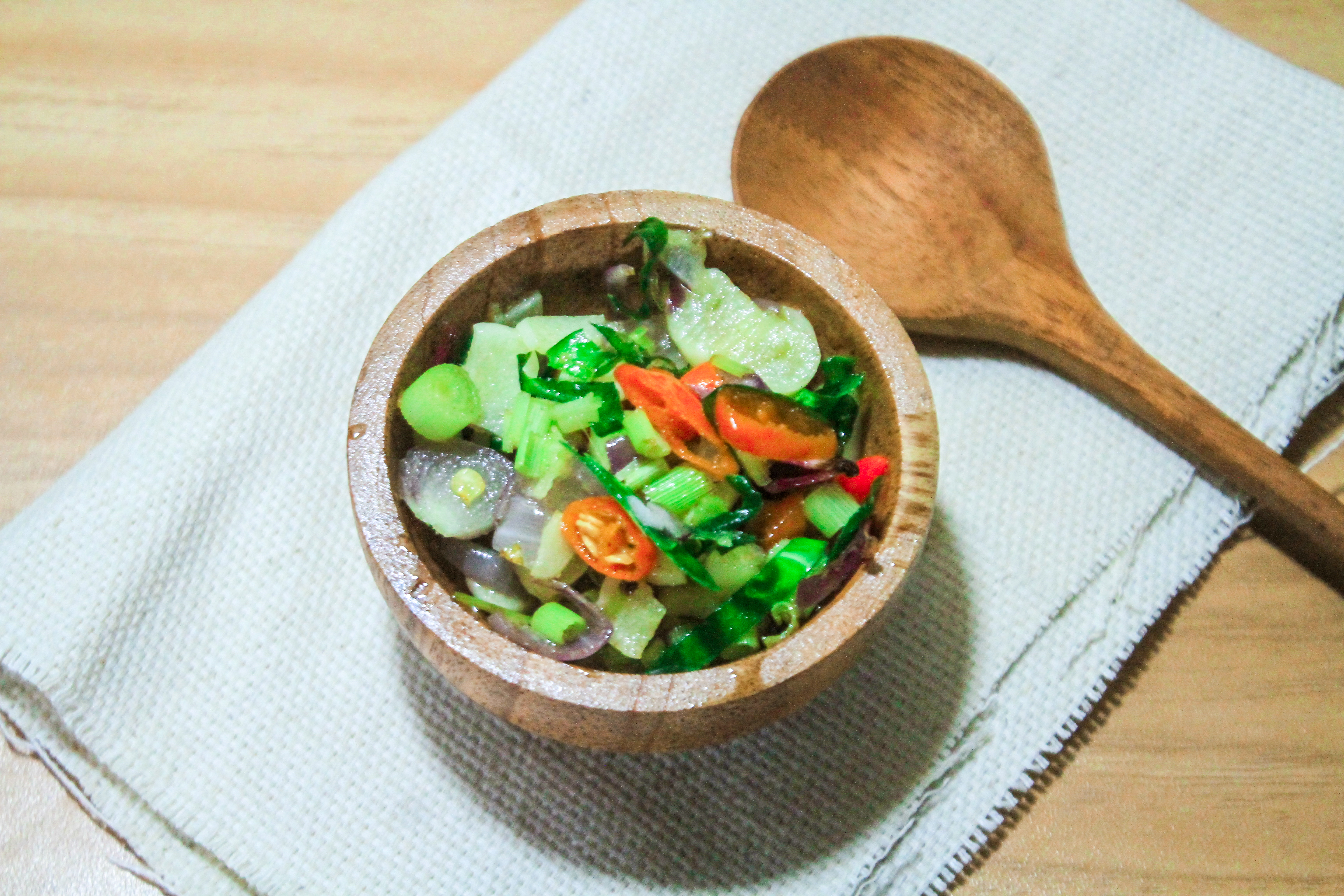
Sambal matah from Indonesia gains great popularity among Indonesian people. The word sambal is basically the way Indonesians call chili sauce, and they have many varieties of sambal that still exist today. This particular one comes from Bali, with the name that literally means “raw chili sauce”.
The emergence of sambal matah has existed long years ago. It was created to complement dishes by mixing chili peppers with oil. Sambal matah then spread across the nation and now can be found almost anywhere in Indonesia.
This chili sauce is typically made with shallots, chili peppers, lemongrass, garlic, and all mixed together with any type of oil, giving it a fresh taste in the chili sauce. Its flavor characteristics are tangy and spicy, making it a perfect companion for grilled meats, seafood, and basically any rice dishes that would make it more flavorful.
Nam Chim Chaeo: Thailand’s Smoky Chili Sauce
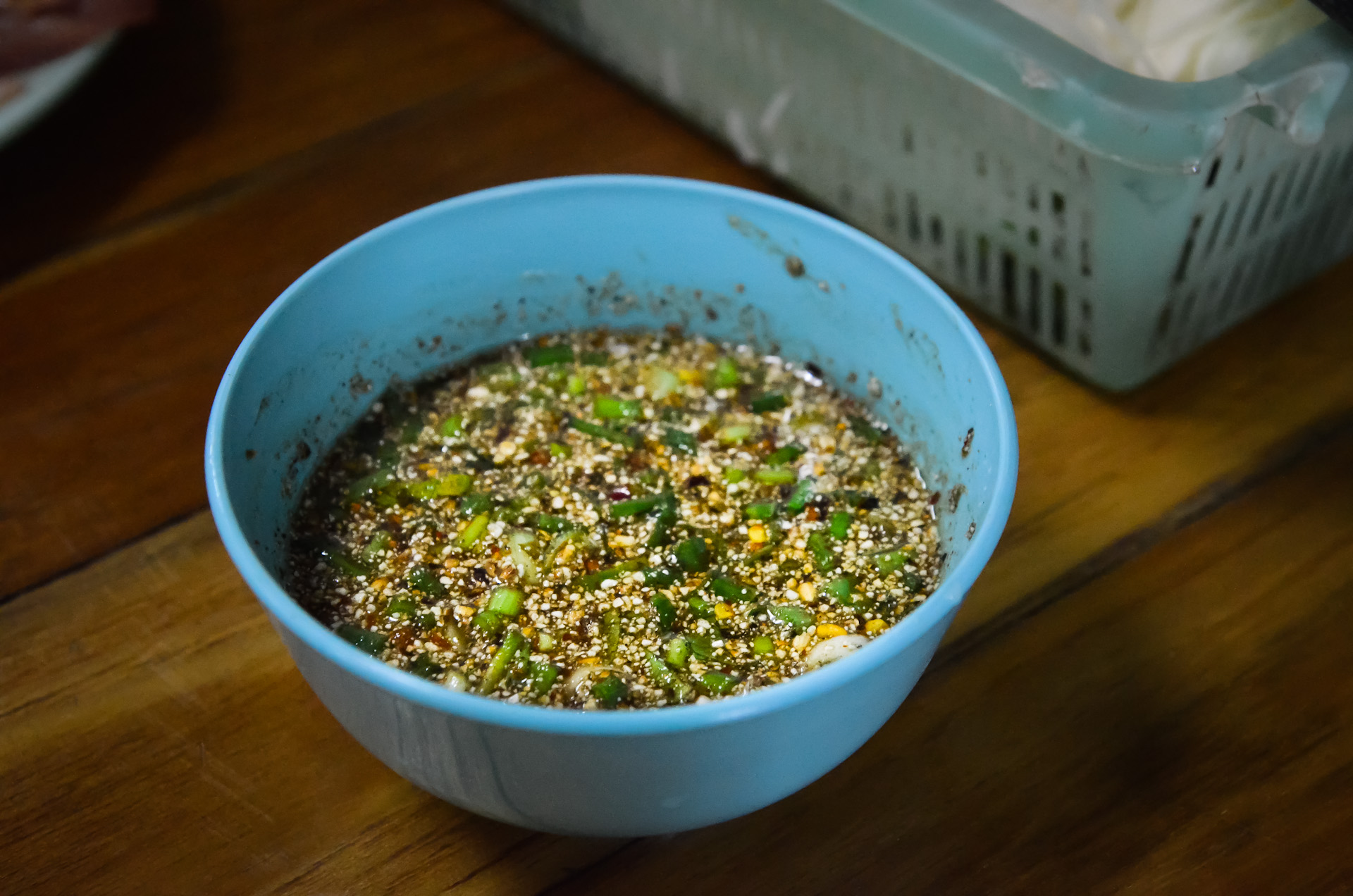
Nam chim chaeo, also written as nam jim jaew in another version, is a popular dipping sauce used in many dishes in Thailand. The word nam chim literally means “dipping sauce” in Thai, while chaeo here refers to the smoky flavor from the chili sauce.
The history of nam chim chaeo has deeply ingrained within Isan cuisine, the culinary tradition of the people from northeastern Thailand. The Isan people consider it one of the most essential condiments to complete their meals, usually serving it with grilled pork and chicken. Today, this flavor has spread to all regions in Thailand.
The distinctive flavor from nam chim chaeo is its smoky taste, thanks to toasted or roasted sticky rice as one of its ingredients. Other ingredients include dried chili peppers, lime juice or tamarind paste, fish sauce, and palm sugar. These ingredients create a unique taste that are spicy, sour, smoky, and also a bit sweet.
Southeast Asian countries are blessed with an abundance of spices resources to create diverse cuisines. Each of them holds its own unique flavors that may seem similar at one glance, but when you look closer, you are going to find its distinct characteristics.
This article was created by Seasians in accordance with the writing rules on Seasia. The content of this article is entirely the responsibility of the author.