


The latest film in the famous dinosaur movie franchise, "Jurassic World: Rebirth", which premiered on 2 July 2025, was largely filmed in Thailand. Rather than Hawaii or Costa Rica, Universal Pictures and director Gareth Edwards chose this tropical paradise, rich in biodiversity and natural beauty, as the film’s primary location.
Why Thailand?
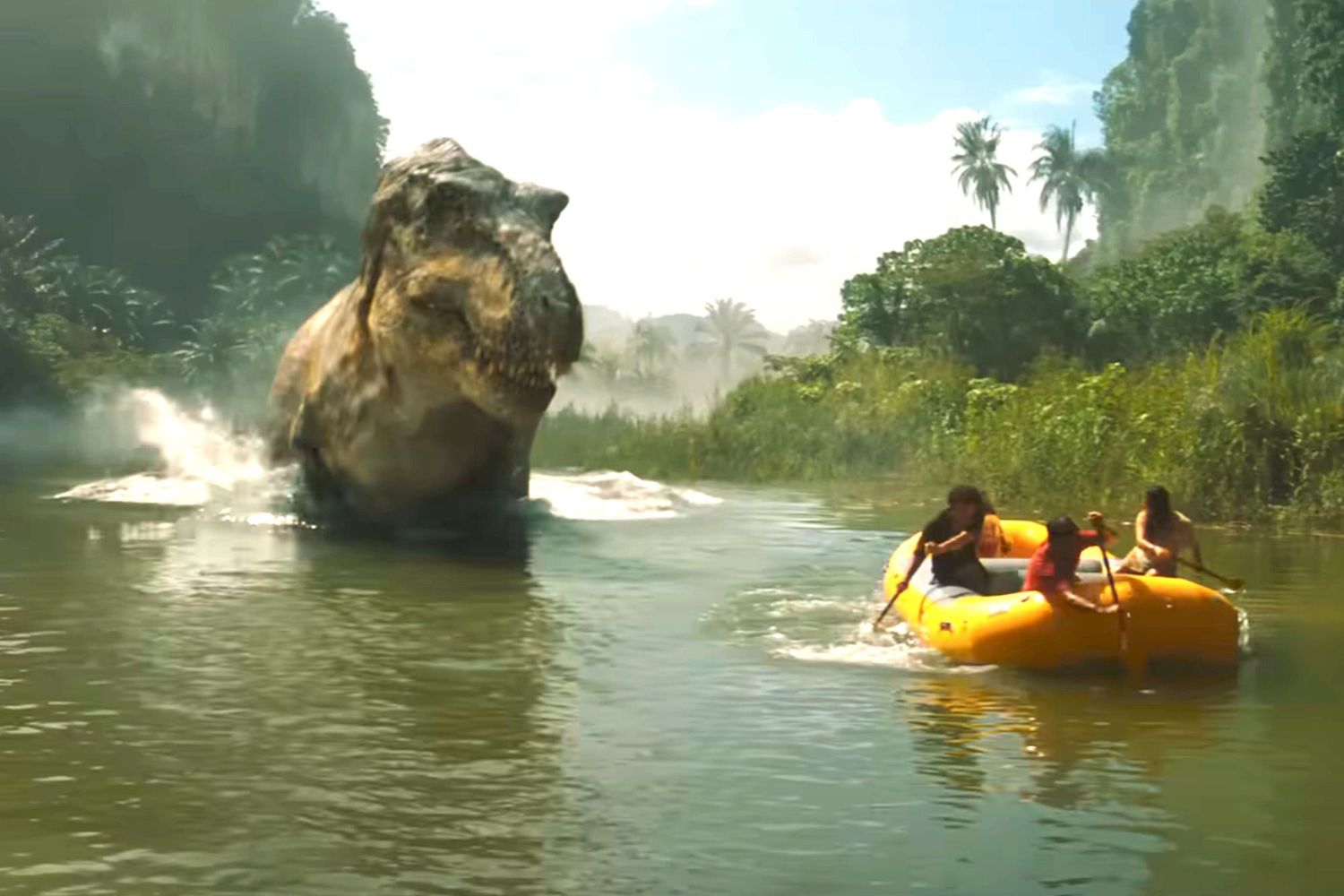
The decision to shoot in Thailand was no coincidence. The country’s dramatic landscapes, diverse ecosystems, and strong film production infrastructure made it an ideal choice.
From white-sand beaches and cascading waterfalls to hidden caves and dense jungles, Thailand offers stunning real-world backdrops that eliminate the need for excessive visual effects.
In addition to Thailand, production also took place in Malta, the UK, and New York City to complement the film’s storyline.
Three National Parks Take Center Stage
Several of Thailand’s most breathtaking national parks serve as the key filming locations:
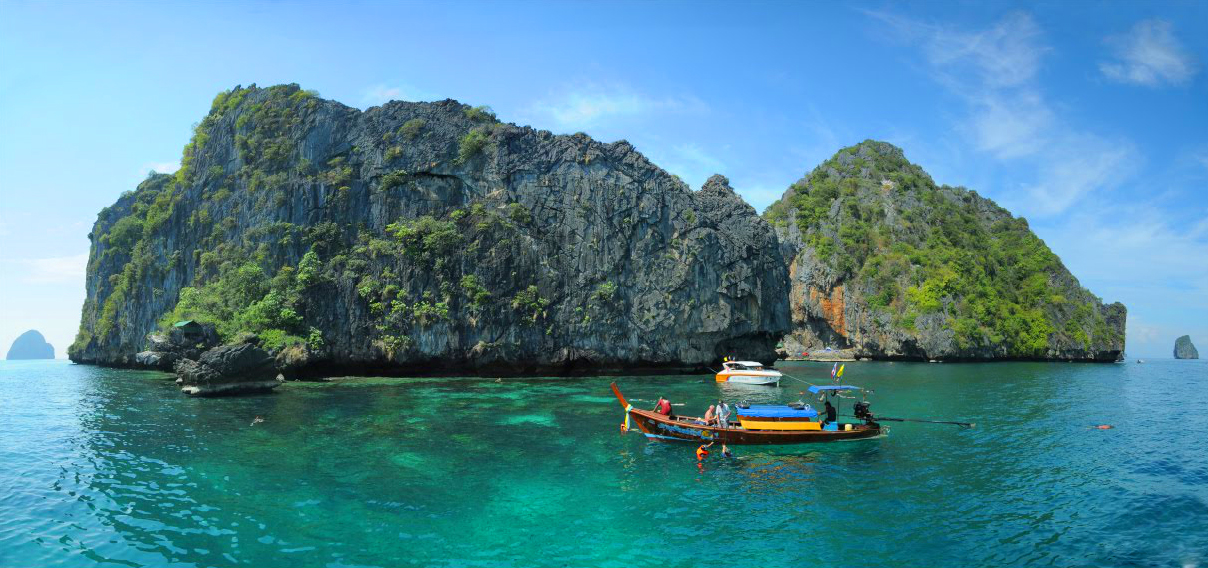
Hat Chao Mai National Park in Trang, featuring Koh Kradan and the Morakot (Emerald) Cave, offers powdery white sand and crystal-clear waters—ideal for portraying a remote island setting. Sunset Beach on the island was even named the "world’s best beach" two years in a row by World Beach Guide.
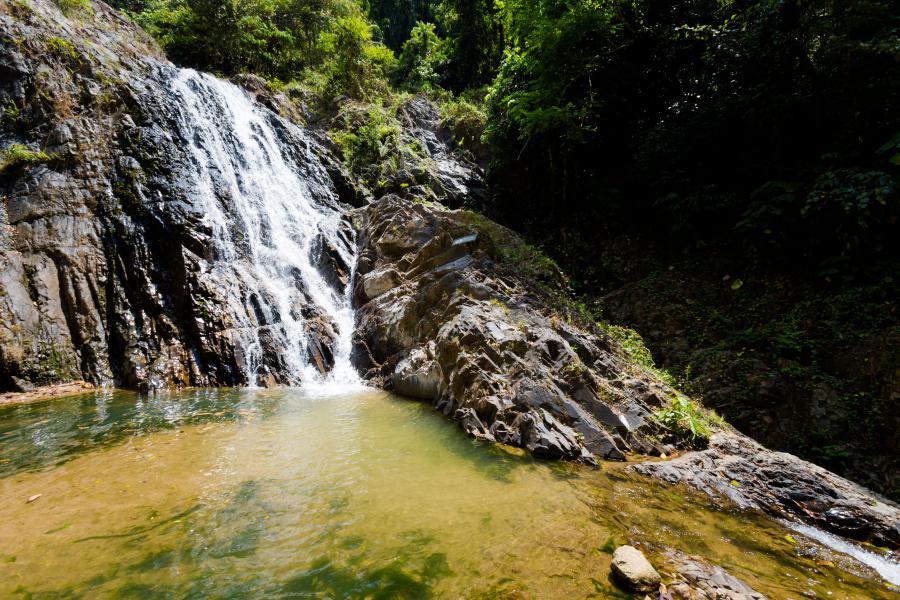
Khao Phanom Bencha National Park in Krabi is home to the Huay To Waterfall and the Sompong Tree, which is over a century old. The waterfall appears in scenes set deep within the tropical rainforest.
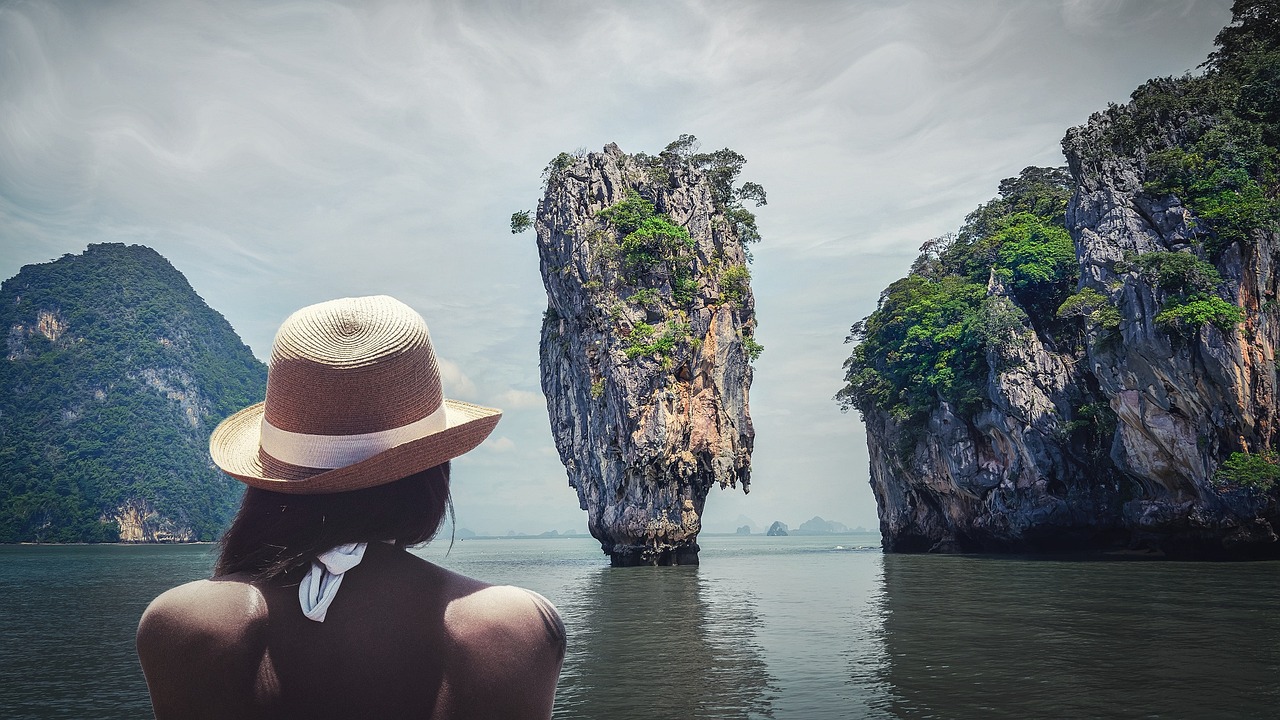
Ao Phang Nga National Park in Phang Nga is known for Khao Ta Pu, also called James Bond Island. Although visitors can’t step directly onto the island, its iconic view from a distance features in a scene with a boat approaching the island—an image already glimpsed in the film’s trailer.
Additional scenes were shot in Bangkok and Chiang Mai to depict the contrast between the modern world and the tropical island where dinosaurs survive.
A Major-Scale Production
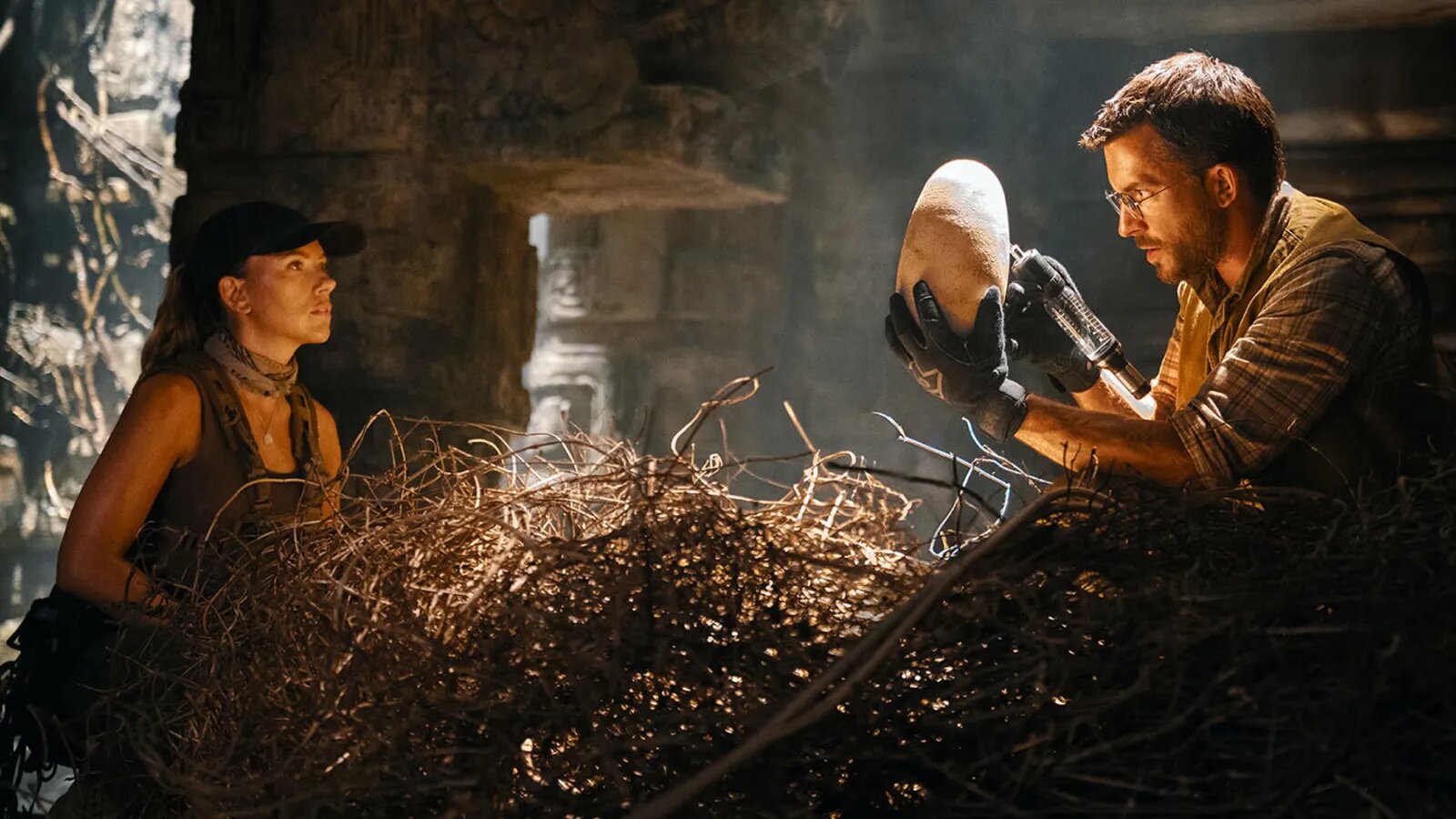
Filming took place between June 13 and July 16, 2024, with a budget exceeding 650 million Thai Baht (approx. US$20 million). The production involved over 500 local crew members and 2,245 Thai citizens directly. Local industries—including equipment rental, accommodation, transport, and catering—also benefited from the production.
Thailand further attracted the filmmakers with a 20% financial rebate for foreign productions spending over 100 million Baht (approx. US$3 million). This incentive solidifies Thailand’s position as a rising global magnet for international film production.
A Thrilling Storyline
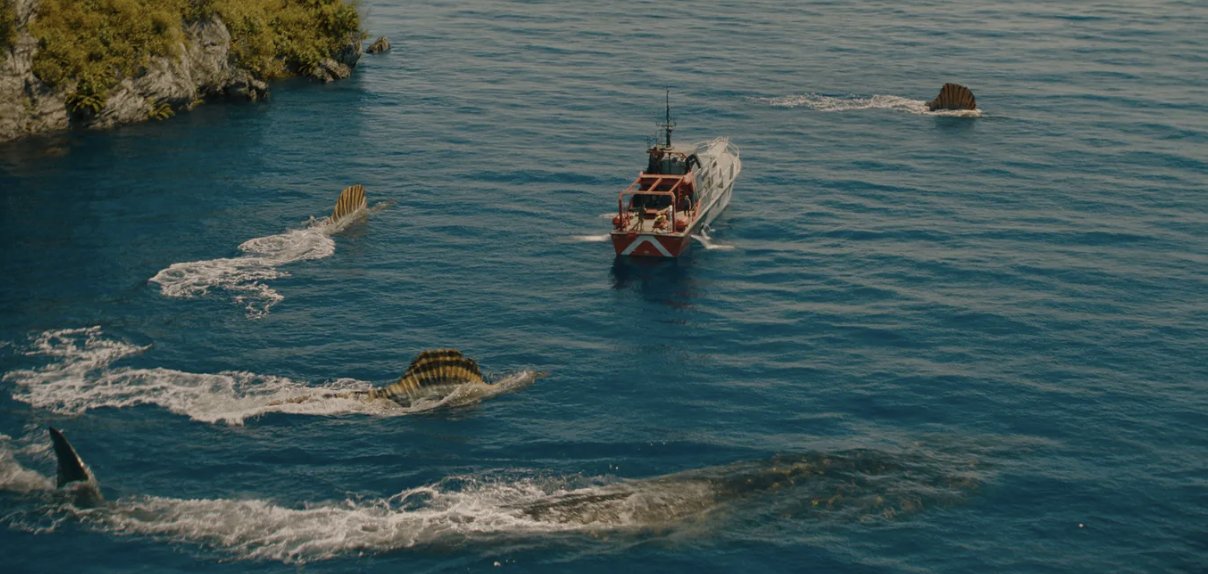
The film picks up five years after the events of Jurassic World Dominion (2022). The main character, Sora Bennett (played by Scarlett Johansson), leads a covert team to a tropical island where dinosaurs are still believed to survive.
Their mission: to collect DNA samples from three giant dinosaur species in hopes of developing a life-saving cure for humanity. But the operation quickly goes awry, and Sora is forced to survive alone on a perilous island teeming with danger.
The fictional island of Saint-Hubert in the film is actually a composite of real locations in Thailand. While the production team initially considered sites like Panama and Mauritius, they ultimately chose Thailand for its authenticity and prehistoric natural feel.
Behind-the-Scenes Facts
- The film was shot using 35mm cameras to capture the classic cinematic feel reminiscent of the original Jurassic Park (1993). As a result, all film footage had to be shipped to the UK daily for processing.
- The fishing village of Bah Gun in Krabi served as the backdrop for a beachside bar scene set at a fictional place called Van Dyke.
- Sunset Beach on Koh Kradan—one of the film’s most visually striking locations—is accessible by boat from Kuan Tung Ku Pier, with a journey of 45 to 60 minutes and rental costs ranging from 1,400 to 1,800 Baht (US$43 to US$55,2).
For film lovers and travelers alike, these locations are open to visitors. The breathtaking landscapes seen on the big screen are real places in Thailand—waiting to be explored and experienced in person.


