


In 2025, several countries and territories stand out as the richest in the world when measured by GDP per capita (PPP), offering a glimpse into the relative economic prosperity experienced by their populations.
According to recent rankings on Global Finance Magazine, here are the top 10 richest countries on Earth and we will take a look at each of these in turn — what puts them on top, and what makes their situation unique.
1. Singapore
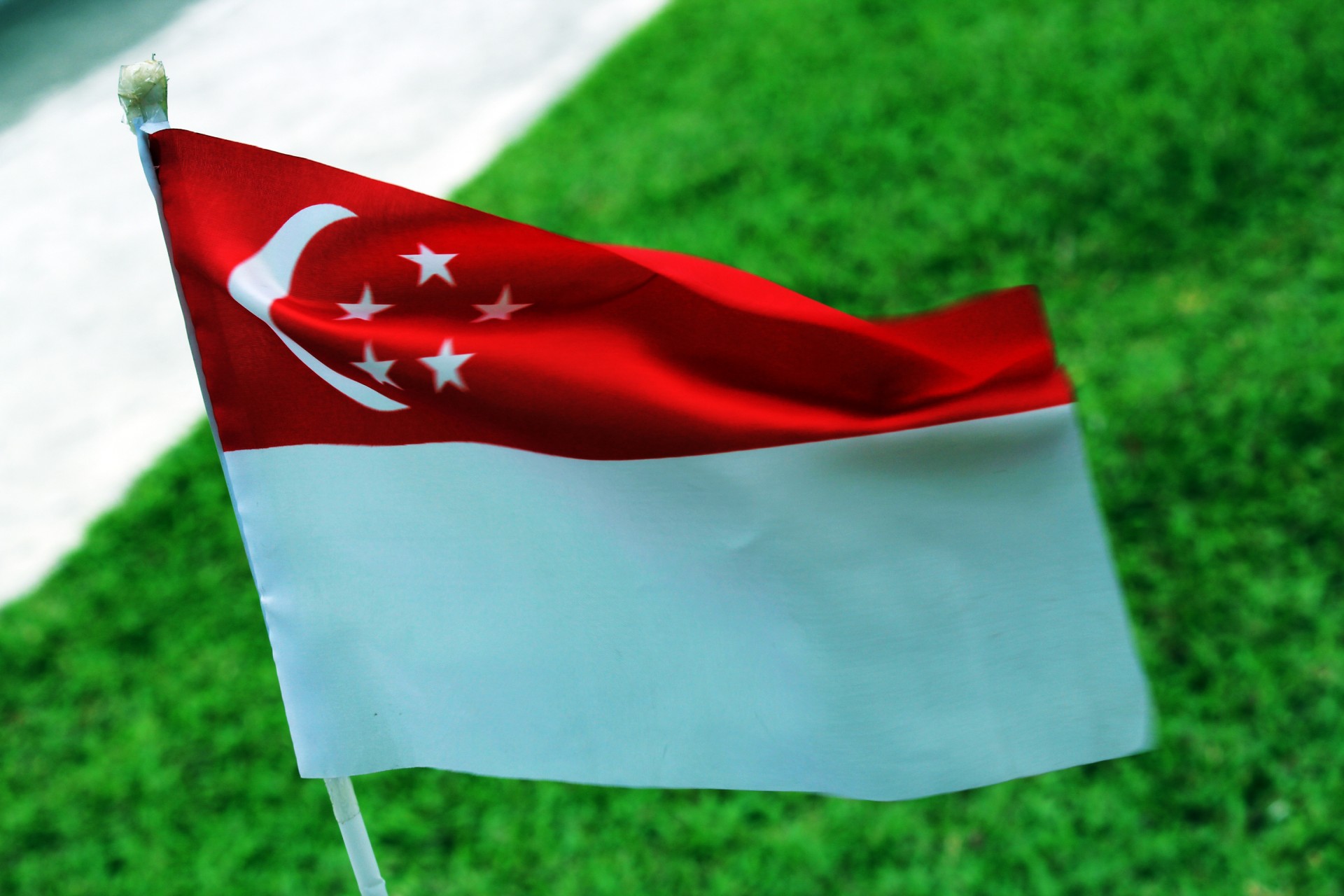
In 2025, Singapore is ranked first in some lists, with a GDP-PPP per capita around US$156,755. This small but dynamic city-state has built its wealth through strategic location, open trade policies, a strong financial sector, and a highly skilled workforce.
Its role as a global hub for shipping, banking, commerce, and high-value services means that despite limited natural resources, its per-person economic output remains exceptionally high.
The compact size and governance efficiency also contribute to high standards of living and efficient public services.
2. Luxembourg
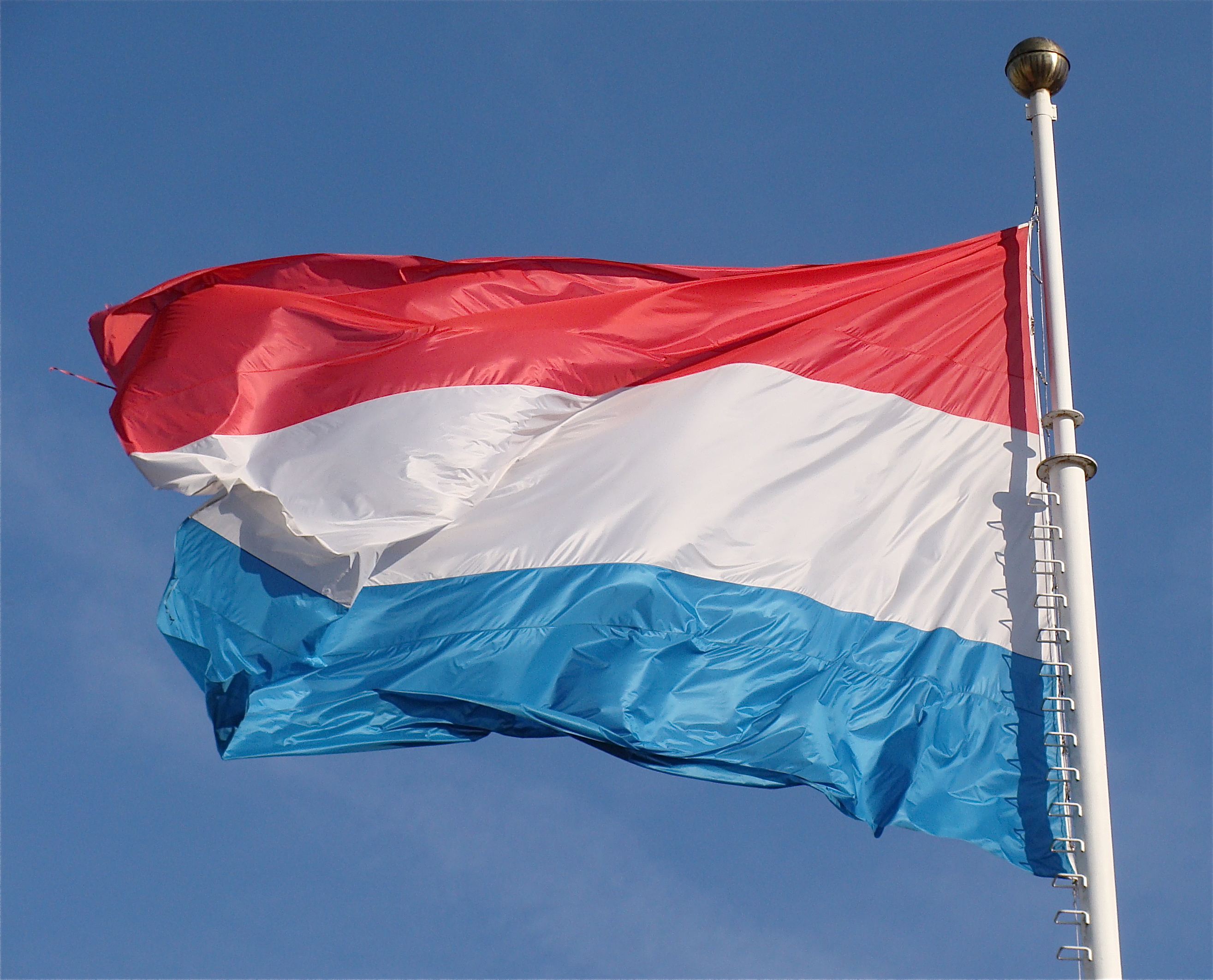
Often topping overall rankings, Luxembourg shows a GDP-PPP per capita of approximately US$152,915 in 2025.
This small European nation benefits from a robust financial sector, favorable business and tax environment, and diversified economic activities including banking, investment services, and technology.
Its population size, administrative efficiency, and stable institutional framework allow wealth to be distributed across relatively few people — leading to very high average prosperity.
3. Macao SAR

Macao, a special administrative region, registers around US$134,042 GDP per capita in PPP for 2025. Its wealth largely comes from gaming, tourism, hospitality, and entertainment industry, sectors that attract global visitors and generate high revenue.
As a small territory with heavy economic activity and limited resident population, Macao’s per capita figures soar — even though the economy can be vulnerable to fluctuations in tourism demand or global economic cycles.
4. Ireland

With a GDP-PPP per capita of about US$133,999 in 2025, Ireland ranks among the richest globally.
The country’s success stems from a combination of foreign direct investment (especially from multinational tech and pharmaceutical companies), a favorable tax and regulatory environment, and high levels of productivity.
Over recent decades, Ireland has transformed from a relatively modest economy into a hub for knowledge-intensive industries — enabling strong per-capita earnings and modern living standards.
5. Qatar

In 2025, Qatar’s GDP per capita (PPP) is roughly US$121,605. As a nation with abundant hydrocarbon resources, Qatar earns substantial revenue from oil and natural gas exports.
This resource wealth, pooled over a relatively small population, translates into high income per person. Government policies, infrastructure investments, and social services funded through energy revenues also contribute to sustaining a high standard of living for its citizens.
6. Norway

Norway’s GDP-PPP per capita stands at about US$107,892 in 2025. Like Qatar and Brunei, Norway benefits from abundant natural resources — particularly oil and gas.
But, the country also distinguishes itself with a diversified economy, strong welfare systems, and high social development indicators.
The revenue from natural resources is often managed through sovereign wealth funds and reinvested in public services, infrastructure, and social welfare, which helps maintain high living standards across a broad population base.
7. Switzerland

Switzerland reports GDP-PPP per capita of about US$97,581 in 2025. Known for its stable economy, high-value industries (such as banking, pharmaceuticals, advanced manufacturing), and skilled workforce, Switzerland enjoys both economic strength and social stability.
Its neutrality, political stability, and institutional maturity attract investment, and its high standards of education, healthcare, and public services help translate economic output into quality of life for residents.
8. Brunei
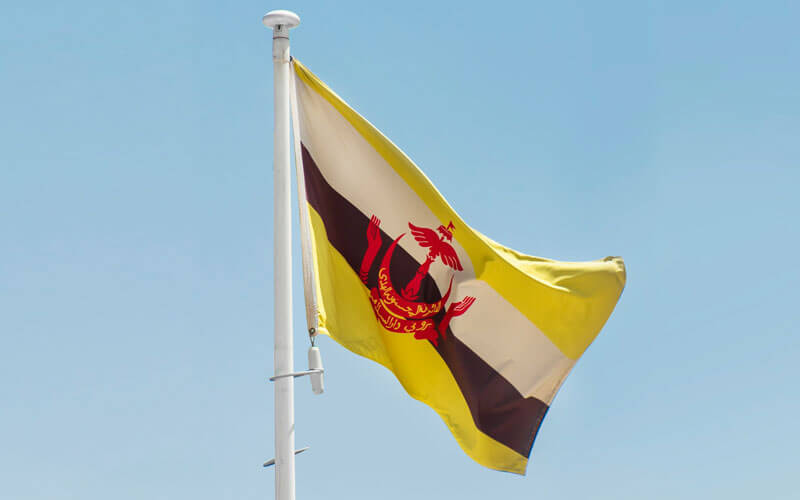
In 2025, Brunei’s GDP-PPP per capita is estimated at about US$95,758. This small Southeast Asian monarchy largely owes its wealth to abundant oil and gas reserves.
With a small population, the substantial national revenue from energy exports means high income per individual.
Government subsidies, welfare policies, and relatively low population pressure contribute to elevated living standards, though such economies often face challenges such as dependence on commodity prices and the need for economic diversification.
9. Guyana

Perhaps the most surprising entrant among generally small or affluent nations, Guyana appears on the 2025 list with GDP-PPP per capita around US$94,258.
This South American country has recently experienced a boom in its economy — largely driven by discoveries and exploitation of offshore oil reserves.
As revenues surge and population remains modest, GDP per capita leaps, but the larger challenge will be managing resource wealth, ensuring equitable distribution, and investing in sustainable development beyond the energy sector.
10. United States

Rounding out the top 10, the United States shows a GDP-PPP per capita near US$89,105 in 2025.
As the world’s largest economy in nominal GDP, the U.S. combines a massive, diversified economic base — including technology, services, manufacturing, innovation, and finance — with a large population.
While the per-person average is lower than many small countries or resource-rich territories, the U.S. still ranks among the wealthiest globally.
The broad economy supports high standards of living, but internal disparities and cost-of-living inequalities mean that “average prosperity” can vary significantly from place to place.


