Seasians, have you ever imagined how humans could make the sea their own territory?
Living on the ocean, far away from land may be a challenge for ordinary individuals who are usually dependent on land.
This situation contrasts with the 'Sea Gypsies' or 'Sea Nomads' who have been living a nomadic life for thousands of years to explore the ocean.
Curious about their story? Check out the details, Seasians.
The Sea Gypsies of Thailand and Myanmar - The Moken Tribe
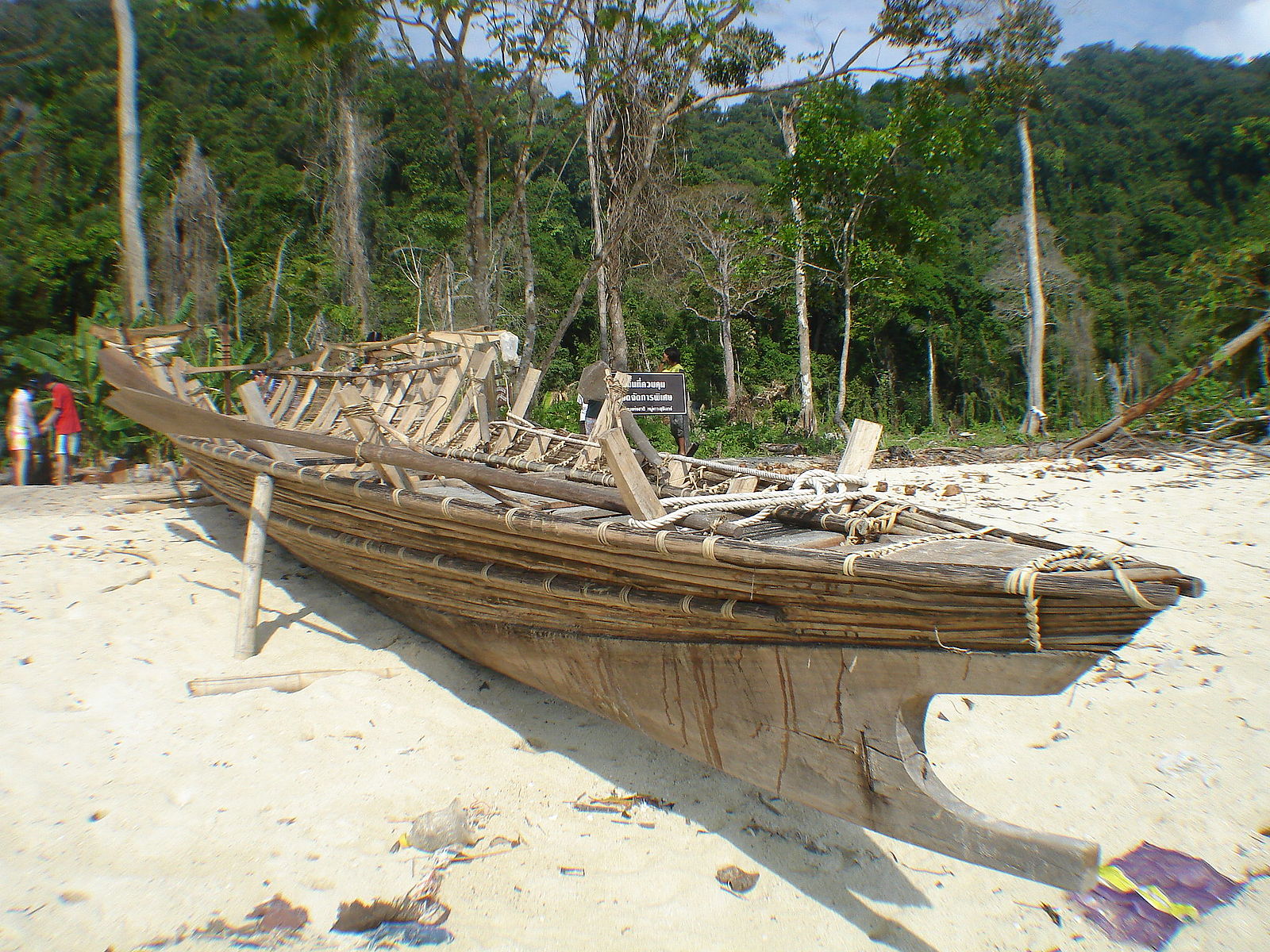
The Moken are an Austronesian ethnic group of around 2,000 individuals, who maintain a nomadic tradition based on the sea.
The Moken live along the coasts and islands of the Andaman sea in the western part of Thailand, as well as in the Mergui Islands in Burma (Myanmar).
For the past 4,000 years, the Moken have been accustomed to living on boats, which they call “Kabang.”
For them, the sea is the main source of survival, and they believe that - “Every moken is born, lives and dies on their boat, while the umbilical cord of their children is connected to the ocean.”
Because of this, the Moken only stay on land during the rainy season which lasts about three months a year.
The Moken's adaptation to the sea includes extraordinary abilities demonstrated by how they are able to hold their breath, as well as see underwater for a much longer time than ordinary humans.
As divers and navigators of the oceans, the Moken rely on the bounty of the sea by collecting molluscs and hunting fish using simple tools such as nets and spears to find food and survive.
The Moken have long lived as stateless Sea Gypsies in the offshore waters of Myanmar (Burma) and Thailand.
The Moken's strong dependence on marine life and ongoing interactions for survival make them one of the last sea nomads who still treat the ocean with the respect it deserves as part of their living traditions.
Read also: Top 5 Vietnamese Traditions Preserved Amid Modernization
The Sea Gypsies of Malaysia, Indonesia, Philippines – Bajau Laut
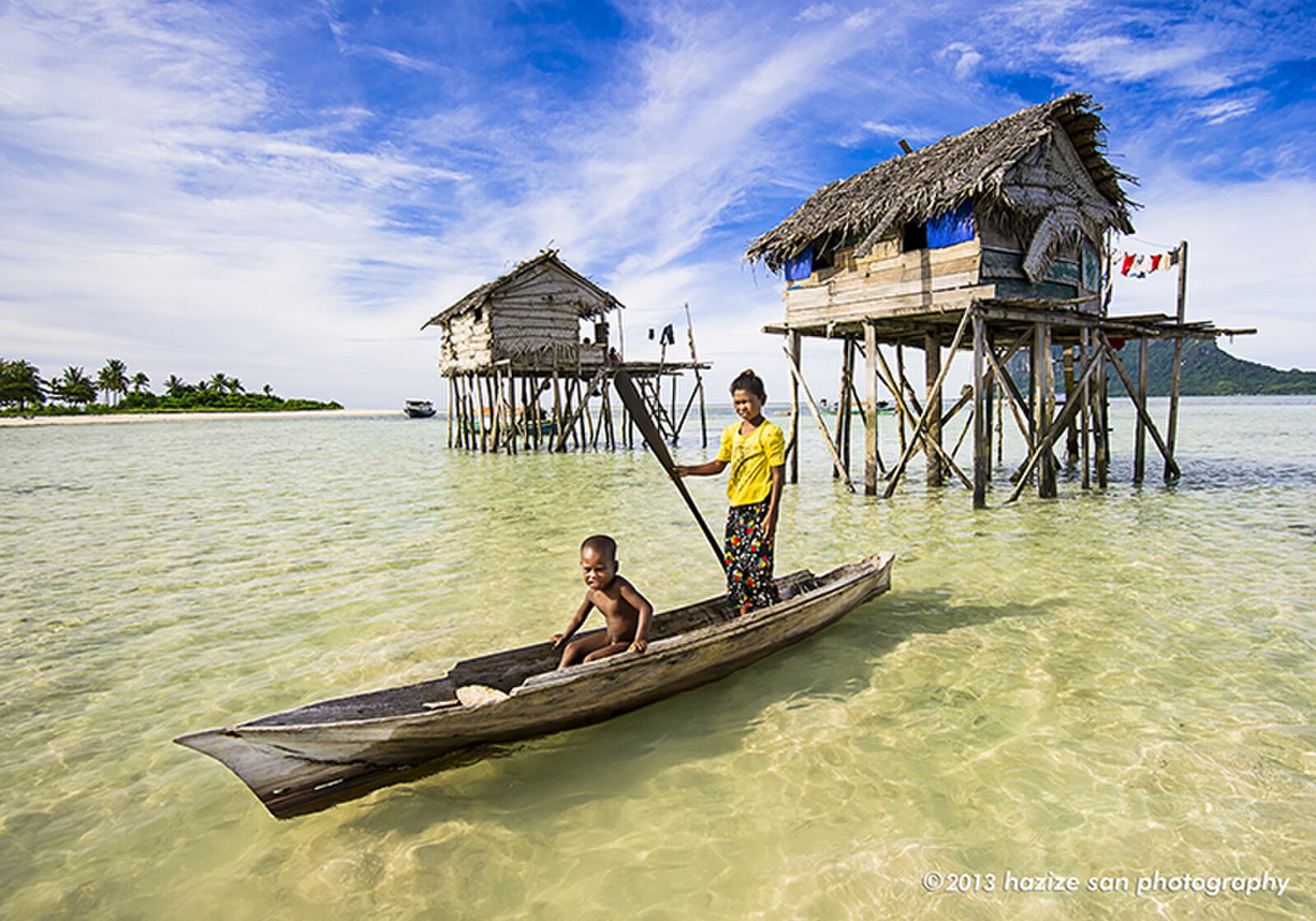
The Bajau Laut tribe in Southeast Asia is known as the most skilled divers.
The Bajau Laut community is a group that lives in stilt houses in floating villages or traditional boats called “Lepa-Lepa” as their residence.
The Bajau Laut belong to a group of 'True Sea Gypsies' who have been exploring the area around the coral triangle between Indonesia, Malaysia and the Philippines for hundreds of years.
The legendary Bajau Laut originated in Borneo, Indonesia, where they rarely set foot on land, but lived a nomadic life on the water.
In Malaysia, there is a significant Bajau Laut population who typically live in wooden houseboats on stilts set up on coral reefs near the island of Semporna.
Traditionally, the Bajau Laut get their food by free diving at depths of more than 230 feet without diving equipment, relying only on traditional methods using wooden goggles and artificial spears to hunt in the ocean.
And even more extreme, it is not uncommon since childhood that the Bajau Laut tribe has a habit of damaging their eardrums with the aim of making it easier for them when diving.
Cited from The Atlantic, that the Bajau Laut tribe has a strong genetic relationship with their environment. Their spleens are reportedly up to 50% larger than those of other Homo sapiens.
Because of this enormous spleen, the Bajau Laut tend to survive longer in conditions with low oxygen levels, such as in the depths of the sea.
This remarkable skill allows the Bajau Laut to stay underwater for more than five hours for a dive, while the average diver only lasts about half a minute.
The Nomadic Tradition of Sea Gypsies in the Modern Era
Living a nomadic and traditional life often exposes Sea Gypsies to strange stigmas from society.
When on land, many people see the Sea Gypsies as mysterious figures who arouse a lot of suspicion for those who cross paths.
In addition, some government policies forced the Sea Gypsies to move to land as well as to floating homes, which resulted in the traditional nomadic lifestyle of the ocean slowly being lost.
Today, the Sea Gypsies are beginning to connect with the mainland, but there are still many who choose to maintain the traditional lifestyle of living in the ocean in order to keep their group bond with the sea.
Read also: The Biggest Challenges Southeast Asian Countries Are Currently Facing
Challenges for Sea Gypsies in the Modern Era
The loss of a long-established way of life and cultural heritage has left Southeast Asia's Sea Gypsies as a generation facing an uncertain future.
Overfishing, pollution, climate change, and government policies that do not fully recognize their traditional way of life threaten their existence in maintaining their inherited traditions.
The threatened fate of the Sea Gypsies is not just a loss of their way of life and cultural heritage, but the situation could also be an early warning sign for the health of the region's marine ecosystems, requiring Southeast Asia to work together to tackle this complex issue regionally.
While the nomadic traditions of Sea Gypsies may be displaced by changing times, this does not mean that Asian societies should ignore them, as the mysterious lives of Sea Gypsies are unique and important to consider.
Moreover, they also contribute to preserving the ocean as an invaluable natural heritage.
This article was created by Seasians in accordance with the writing rules on Seasia. The content of this article is entirely the responsibility of the author.