


The Korean Peninsula remains one of the most heavily militarized regions in the world, not only due to political tensions but because the Korean War (1950–1953) never officially ended with a peace treaty.
Despite the passage of over seven decades since the last shots were fired, North Korea and South Korea are still technically at war. This state of affairs has had profound implications for diplomacy, security, and inter-Korean relations.
What Started the Korean War?

In June 1950, the Korean War began when North Korea, backed by the Soviet Union and China, invaded South Korea, which was supported primarily by the United States and other United Nations member nations.
The war was brutal and led to the deaths of millions of soldiers and civilians. After three years of intense conflict and shifting front lines, both sides eventually settled into a stalemate near the 38th parallel, the same line that had roughly divided the peninsula before the war.
The Armistice Agreement in 1953

On July 27, 1953, an armistice agreement was signed between North Korea, China, and the United Nations Command (primarily led by the United States).
This agreement effectively ended the fighting but did not constitute a formal peace treaty. South Korea, under then-President Syngman Rhee, refused to sign the armistice, wanting to continue the war to unify the peninsula under his government.
The armistice established the Korean Demilitarized Zone (DMZ), a buffer zone that still exists today, stretching approximately 250 kilometers across the peninsula and 4 kilometers wide.
It also called for the cessation of hostilities and the repatriation of prisoners of war. However, it left many issues unresolved, including the political status of Korea and the reunification process.
Why There’s No Peace Treaty?
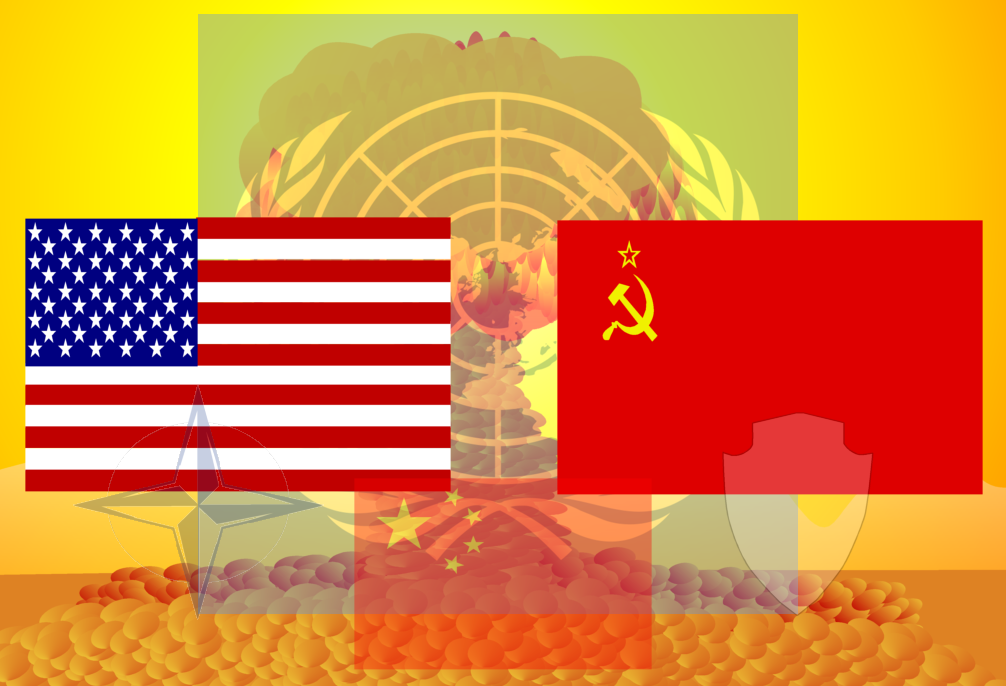
The absence of a peace treaty stems from a complex combination of ideological, political, and military factors. Both North and South Korea claimed to be the sole legitimate government of the entire Korean Peninsula, making diplomatic negotiation challenging.
Moreover, Cold War dynamics discouraged any move that might have been perceived as conceding legitimacy to the other side.
Repeated attempts to convert the armistice into a peace treaty have failed due to mistrust, provocations, and shifting political priorities among key stakeholders, including the U.S., China, and the two Koreas.
Talks in the 1990s and 2000s, including the Six-Party Talks, sought broader agreements on denuclearization and peace, but ultimately fell apart without producing a lasting resolution.
The Inevitable Implications

Being technically at war has profound implications for both Koreas. The lack of a peace treaty sustains a climate of hostility and justifies the massive military expenditures on both sides.
South Korea maintains a large standing army and hosts nearly 30,000 U.S. troops, while North Korea continues to develop and test nuclear weapons and ballistic missiles, citing threats from the U.S. and South Korea.
The unresolved war also has legal and diplomatic consequences. For instance, any significant engagement between North and South Korea is carefully managed to avoid violating the terms of the armistice.
Formal trade, travel, and communication are heavily restricted, and inter-Korean cooperation projects are often disrupted by political tensions or military incidents.
Dialogue and Reconciliation Efforts
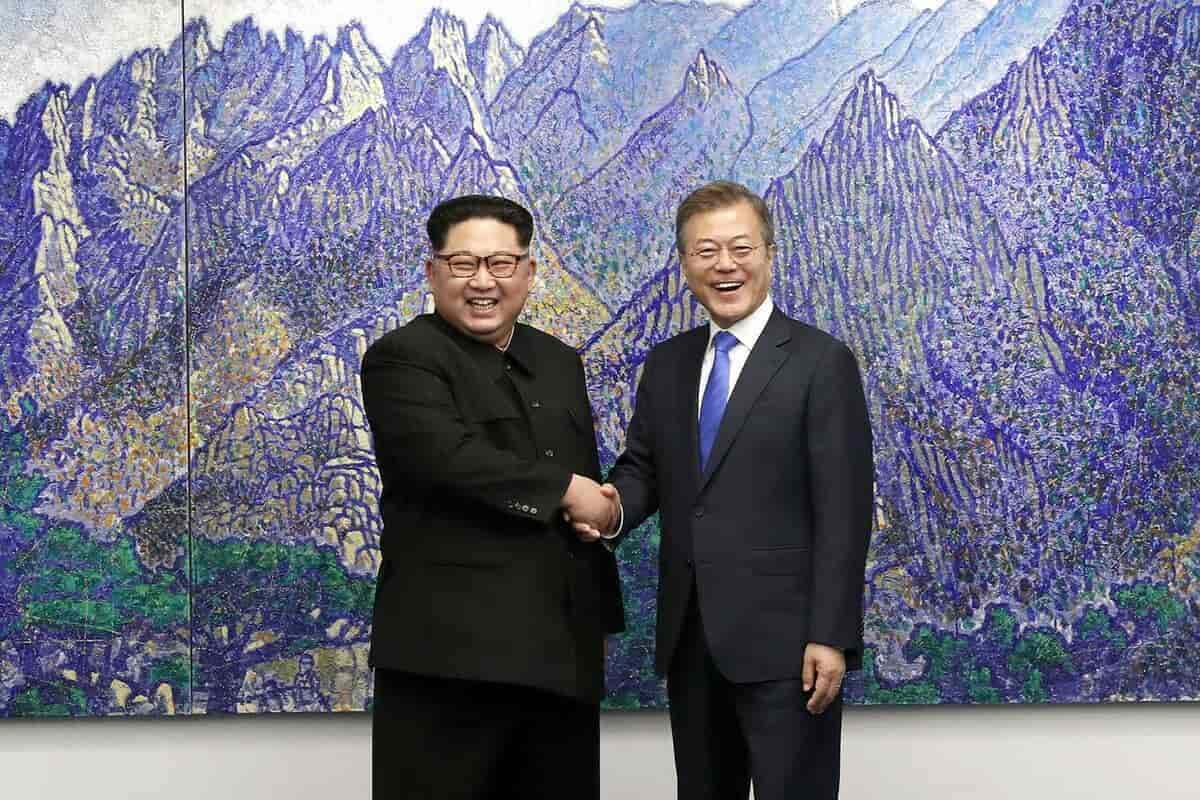
Despite the technical state of war, there have been numerous efforts to ease tensions. Historic summits between North and South Korean leaders, such as those in 2000, 2007, and 2018, offered moments of hope.
In 2018, North Korean leader Kim Jong-un and South Korean President Moon Jae-in even signed the Panmunjom Declaration, agreeing to work toward a peace treaty and denuclearization of the peninsula.
However, these initiatives have largely stalled. North Korea's continued weapons testing and the shifting geopolitical focus of major powers have made it difficult to build lasting momentum.
The COVID-19 pandemic, internal political changes, and renewed rivalry between the U.S. and China have further complicated peace efforts.
A War Without Conclusion

The Korean War is often referred to as the "Forgotten War" in some parts of the world, but for the people of the Korean Peninsula, its legacy is very much alive.
The absence of a peace treaty keeps the region in a fragile state of suspended conflict. While war has not resumed, true peace remains elusive.
Until a formal peace agreement is signed, North Korea and South Korea will continue to exist in a technically unresolved state of war, a situation that underscores the lingering volatility of one of the last Cold War frontiers.


