

Kimilsungia, the orchid given by Soekarno to Kim Il-sung, has become a powerful symbol of the diplomatic ties between Indonesia and North Korea. The connection between these two countries, despite their ideological differences, began on August 17, 1961, when diplomatic relations were officially established.
This relationship was marked by the opening of consular offices in both nations. In 1964, President Soekarno visited North Korea, and the following year, President Kim Il-sung reciprocated the visit, coming to Indonesia in 1965.
This exchange not only strengthened the bilateral ties but also set the stage for the symbolic gift that would later become an iconic representation of their diplomatic relationship: Kimilsungia.
The Birth of Kimilsungia: A Symbol of Friendship
During his visit to Bogor Botanical Gardens, President Kim Il-sung expressed admiration for the beauty of the orchids he encountered. Orchids in Indonesia are known for their diversity, and many species grow abundantly across the archipelago.
One particularly striking moment occurred when Kim Il-sung saw a collection of beautiful orchids, inspiring him to appreciate the uniqueness of these flowers. As a gesture of respect and admiration, President Soekarno decided to name one of the orchids after Kim Il-sung, creating a lasting symbol of the friendship between the two nations.
The Kimilsungia orchid was thus born, becoming a flower that not only represented nature’s beauty but also served as a living testament to the diplomatic bond between Indonesia and North Korea.
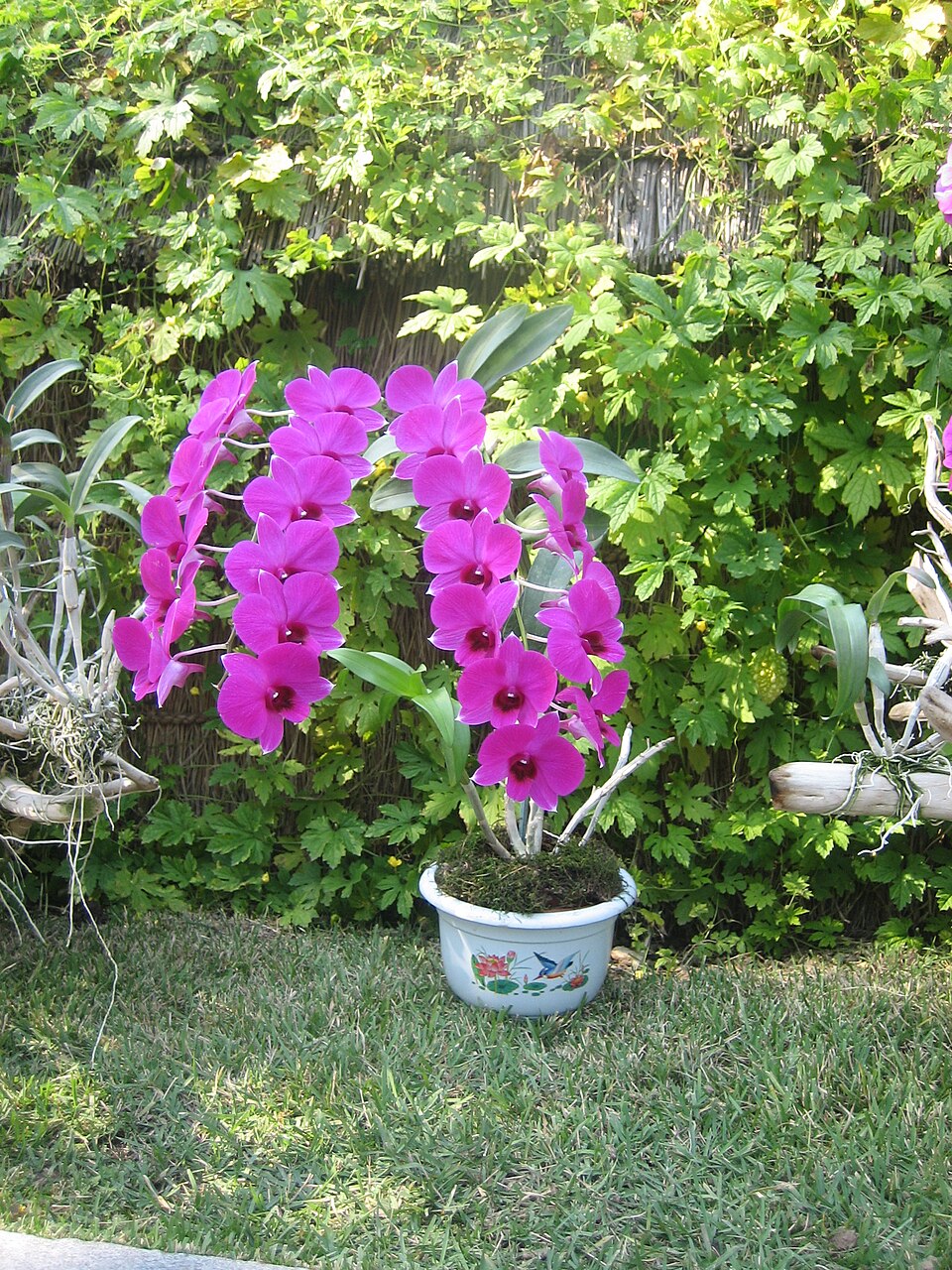
Kimilsungia as North Korea's National Flower
As time passed, Kimilsungia grew in significance and was eventually adopted as North Korea's national flower. It became a powerful symbol of reverence for President Kim Il-sung, as well as for the role Soekarno played in strengthening the diplomatic ties between the two countries.
In North Korea, Kimilsungia is frequently displayed during annual flower festivals, dedicated to honoring Kim Il-sung’s legacy.
These festivals, which feature the Kimilsungia orchid, hold deep cultural meaning for the North Korean people, serving as a reminder of their leader’s influence and the enduring friendship between Indonesia and North Korea.
The Origins and History of Kimilsungia
According to National Geographic, Kimilsungia is a hybrid orchid created by crossing two species: Dendrobium Ale Ale Kai (female parent) and Dendrobium Lady Constance (male parent).
The result is a flower with bright, vibrant colors and elegant petals, reflecting the strength, grace, and spirit that are highly regarded in North Korean culture.
More than just a natural product, Kimilsungia symbolizes the lasting diplomatic relationship between two countries with very different ideologies.
The beauty of this flower represents how, despite these differences, a strong friendship can still be forged through mutual understanding and respect. It is a testament to how nature and diplomacy can intertwine to create a powerful symbol of unity.
Soekarno’s Diplomatic Legacy: Kimilsungia as a Reminder of Enduring Relations
Kimilsungia has become more than just a flower; it is now a powerful symbol of Soekarno’s diplomatic legacy. Soekarno was known for his approach to international relations, which included seeking to build ties with countries outside the Western and Eastern blocs during the Cold War.
The gift of Kimilsungia was a diplomatic move that not only cemented Indonesia’s role in global affairs but also demonstrated the willingness of Soekarno to engage with nations regardless of ideological differences.
Each year, the North Korean Embassy in Indonesia hosts a ceremony to honor the Kimilsungia orchid, which is showcased at the Griya Anggrek. This annual event serves as a reminder of the long-standing relationship between the two countries, celebrating the gift of the orchid and the enduring bond it represents.
The ceremony is more than just an exhibition of flowers; it is a reflection of the lasting friendship that has flourished despite the challenges of geopolitical differences.
Kimilsungia: More Than Just a Flower
Today, Kimilsungia is recognized not only in Indonesia and North Korea but also globally as a symbol of diplomacy that transcends ideological divides.
The orchid serves as a reminder that effective diplomacy is not just about political or economic agreements but also about the symbolic exchange of cultural values and the mutual respect between nations.
The story of Kimilsungia is a living legacy of Soekarno’s ability to forge meaningful connections with other nations, illustrating that even the smallest gestures, like gifting a flower, can have far-reaching implications for international relations.
Kimilsungia, A Symbol of Lasting Friendship
Kimilsungia is a diplomatic gift that continues to symbolize the enduring friendship between Indonesia and North Korea. The orchid, given by Soekarno to Kim Il-sung, holds deep significance in the history of Indonesia-Korea relations.
More than just a flower, it represents the power of cultural diplomacy, mutual respect, and the long-lasting ties that have been forged between two nations with differing ideologies.
As we reflect on the significance of Kimilsungia, let us celebrate the power of international friendship, understanding, and collaboration. By continuing to honor the legacy of Soekarno’s diplomacy, we can work towards a future of peaceful relations that transcend borders, ideologies, and cultures.



