


When we think of extreme cold, vast snowy landscapes and freezing temperatures come to mind. But, some countries are defined by their harsh winters and icy environments, where surviving the cold is a way of life.
These nations not only endure some of the lowest temperatures on Earth but also have adapted culturally, architecturally, and economically to the chill. Here’s a closer look at the coldest countries in the world.
Russia

Russia tops the list as the coldest country on the planet. Spanning across Europe and Asia, its massive size encompasses several climatic zones, but its Siberian region is particularly known for its brutal winters.
The town of Oymyakon in Siberia is often cited as the coldest inhabited place on Earth, with temperatures plunging as low as -67.7°C (-89.9°F). Winters in much of Russia are long, dark, and punishing, lasting from October to April in many areas.
The sheer vastness of the country means climate can vary widely, but even Moscow, the capital, regularly experiences temperatures below -20°C in winter.
Life in Russia’s cold regions is shaped by the environment, from buildings designed to retain heat to transportation systems that must remain functional in extreme frost.
Canada

Canada is the coldest country in North America and one of the most frigid in the world. Its northern territories, such as Yukon, Northwest Territories, and Nunavut, experience long, harsh winters with temperatures that can dip below -40°C.
The town of Snag in Yukon once recorded a bone-chilling -63°C (-81.4°F), one of the coldest temperatures ever documented in North America.
Even cities like Winnipeg and Edmonton, which are located much farther south, are infamous for their brutal cold and strong winter winds.
Despite the extreme weather, Canadians have developed a strong winter culture, with widespread use of insulated homes, snow tires, and underground pathways in major cities.
Winter sports, including ice hockey and skiing, are not just hobbies, they’re part of the national identity.
Greenland (Denmark)

Though part of the Kingdom of Denmark, Greenland stands apart as one of the coldest inhabited areas in the world. Located in the Arctic, more than 80% of its surface is covered by an ice sheet.
Coastal towns like Nuuk, the capital, experience average winter temperatures of around -20°C, while interior regions can get even colder. The island's proximity to the North Pole ensures that it receives limited sunlight during the winter months, adding to the severity of its climate.
Greenland’s population is small and spread out, and its people have adapted to the cold through centuries of Inuit knowledge and modern innovations. Traditional hunting practices, dog sledding, and specially insulated clothing are still part of daily life for many.
Norway
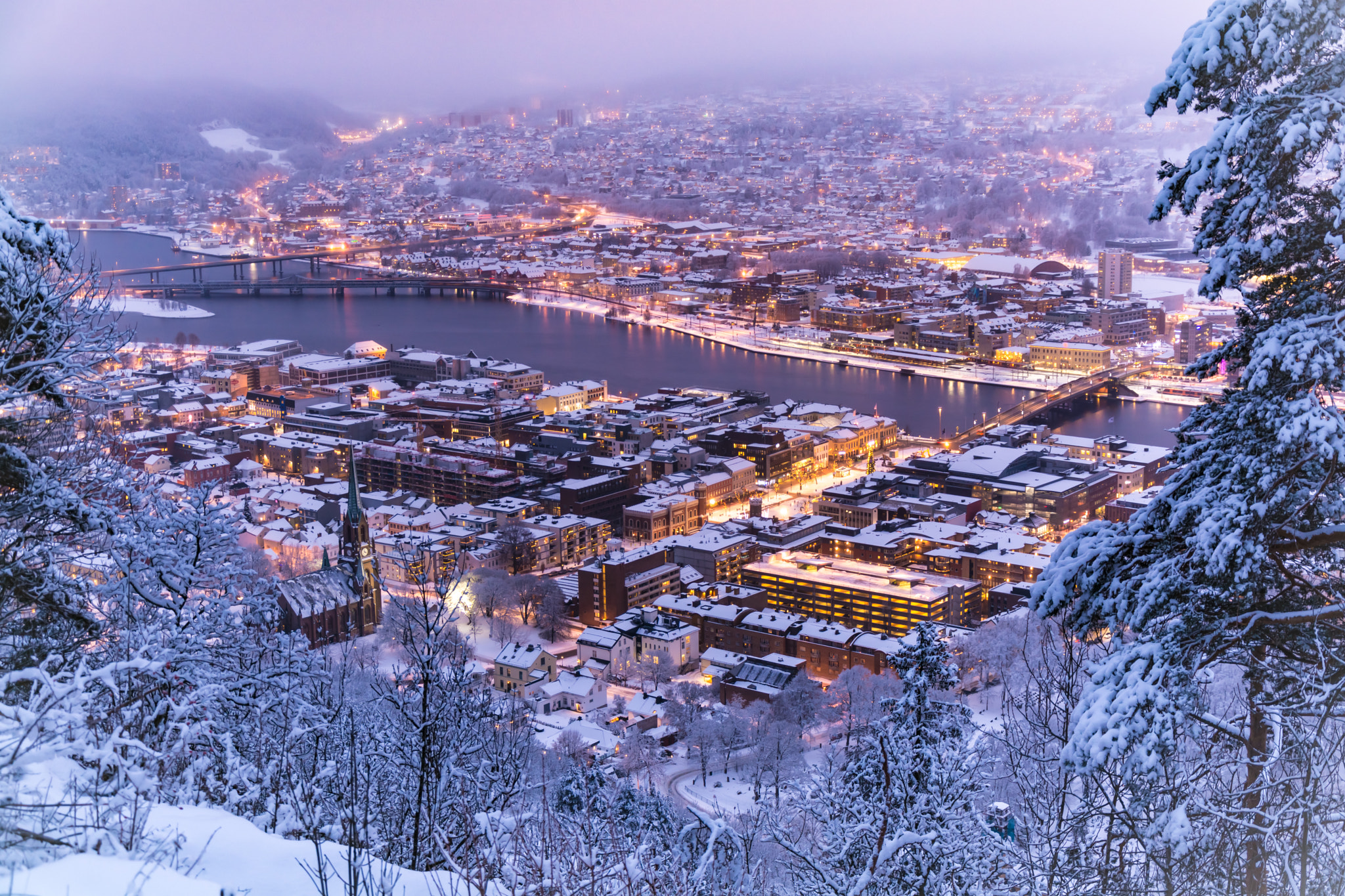
Norway, known for its breathtaking fjords and northern lights, also ranks among the coldest countries in the world. While its coastal areas are moderated by the Gulf Stream and remain relatively mild, the inland and northern regions experience severe cold.
Finnmark, Norway’s northernmost county, regularly sees winter temperatures plummet below -40°C. The city of Karasjok holds the record for the country’s lowest temperature at -51.4°C. Despite the cold, Norwegians embrace winter wholeheartedly.
The concept of “friluftsliv,” or open-air living, encourages outdoor activity in all seasons, and the country boasts a high quality of life even in its coldest regions. Infrastructure is built to withstand the frost, and public services function reliably even in snowstorms.
Mongolia

Mongolia, landlocked between Russia and China, experiences one of the harshest climates on Earth. Known for its wide-open steppes and sparse population, the country has a continental climate that brings scorching summers and freezing winters.
The capital, Ulaanbaatar, is the coldest capital city in the world, with average January temperatures around -25°C. In rural areas, temperatures can fall below -40°C during the winter months.
Many Mongolians still live a nomadic or semi-nomadic lifestyle, and traditional yurts (or “gers”) are well-suited for insulating heat.
Livestock herding is a central part of the economy, and the winter season, known as “dzud”, can be devastating, sometimes leading to the death of thousands of animals due to cold and lack of forage.
Kazakhstan
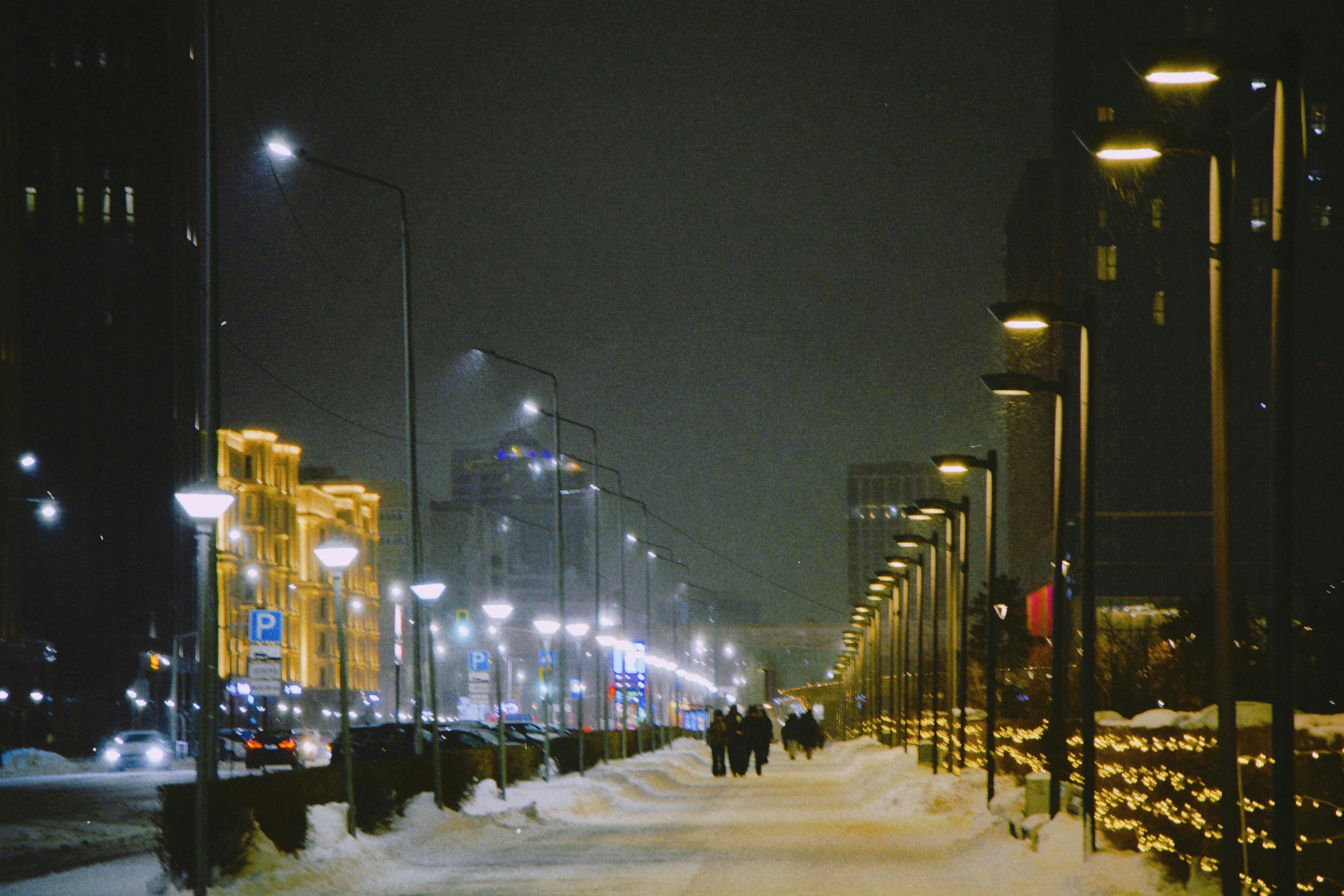
Kazakhstan, another country marked by a vast and diverse landscape, has a climate that swings between extreme heat and cold. Winters are particularly severe in the northern and central parts of the country, where temperatures often drop below -30°C.
The capital city, Astana (formerly known as Nur-Sultan), is one of the coldest capital cities globally, with biting winds and icy conditions that last for months.
Despite its challenging climate, Kazakhstan continues to grow economically, with infrastructure that has been built to withstand the brutal winters. Like Mongolia, Kazakhstan’s culture includes traditions of resilience and adaptation to its environment.


