


The Spratly Islands, a scattered group of reefs, atolls, and islets in the South China Sea, have become one of the most contested maritime regions in the world.
Despite their small landmass and lack of permanent human habitation, the islands are strategically and economically significant.
They lie in a vital international shipping lane, are believed to hold substantial oil and natural gas reserves, and are surrounded by rich fishing grounds.
As a result, multiple countries lay claim to all or part of the Spratly Islands, leading to ongoing geopolitical tension and military standoffs.
China
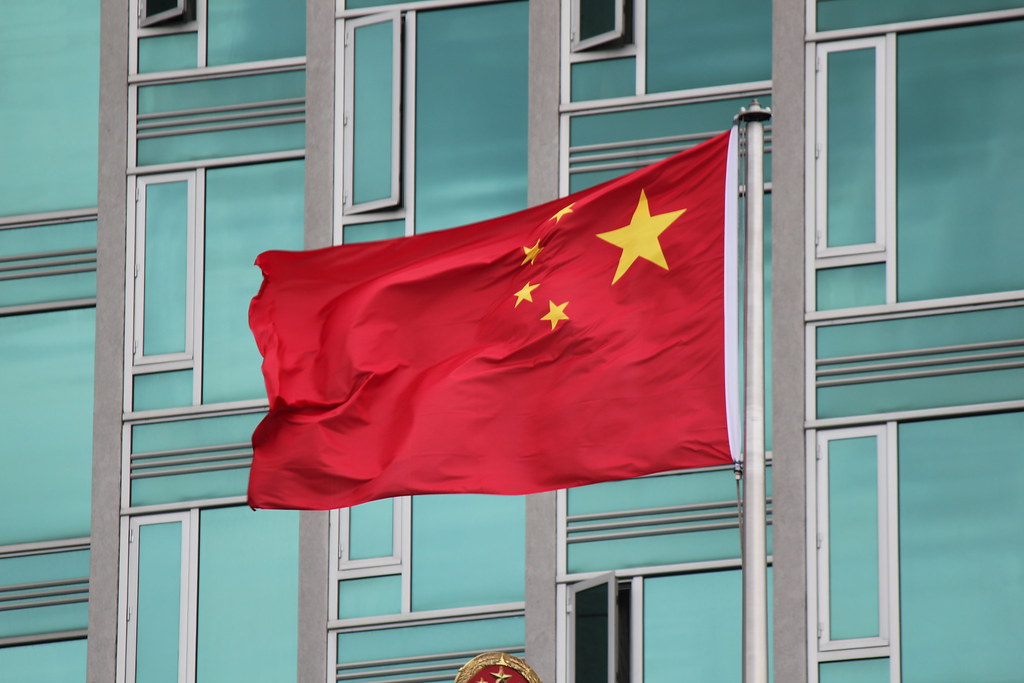
China asserts the most expansive claim over the Spratly Islands, based on what it calls the "Nine-Dash Line," a demarcation originally drawn in the 1940s.
This claim encompasses nearly the entire South China Sea and conflicts with the exclusive economic zones (EEZs) of several Southeast Asian countries.
China has backed its claim with extensive militarization efforts, including the construction of artificial islands, military runways, radar installations, and anti-aircraft systems.
Despite a 2016 ruling by the Permanent Court of Arbitration in The Hague that found China’s claims to have no legal basis under international law, Beijing continues to reject the verdict and maintain a heavy presence in the area.
Viet Nam

Viet Nam claims sovereignty over the Spratly Islands based on historical evidence dating back to the 17th century, when it asserts that Vietnamese emperors exercised control over the archipelago.
Viet Nam occupies the second-largest number of features in the Spratly Islands after China, with a substantial military presence on many of them.
The Vietnamese government strongly opposes Chinese activities in the region and has been involved in several maritime confrontations, including the 1988 Johnson South Reef Skirmish, which resulted in the deaths of Vietnamese sailors.
Hanoi continues to develop its outposts and calls for adherence to international law and multilateral negotiations.
The Philippines

The Philippines also claims parts of the Spratly Islands, particularly features within its 200-nautical-mile exclusive economic zone, as defined by the United Nations Convention on the Law of the Sea (UNCLOS). The country's claimed area is called the Kalayaan Island Group.
In 2016, the Philippines won an arbitration case against China that invalidated Beijing’s historical claims, a major legal victory. However, the ruling has not been enforced, and Chinese vessels continue to operate in contested waters.
The Philippines has military outposts on several islands, including Thitu Island, and has recently taken a firmer stance under increasing pressure from both domestic public opinion and strategic partnerships with countries like the United States.
Malaysia

Malaysia’s claim to the Spratly Islands is based on proximity and geological continuity, and it occupies several features in the southern part of the archipelago.
The Malaysian government has been relatively quiet compared to other claimants, often preferring diplomatic channels to confrontational ones.
However, it has constructed offshore bases and runways on the features it occupies. In recent years, Malaysia has increased its naval patrols and surveillance operations in response to the growing Chinese presence in waters it considers part of its EEZ.
Malaysia also emphasizes economic cooperation in the South China Sea but maintains its sovereign claims.
Taiwan

Taiwan’s claim mirrors that of China, as both governments derive their positions from the Republic of China’s pre-1949 territorial assertions.
Taiwan occupies the largest natural feature in the Spratly Islands which is Itu Aba Island, also known as Taiping Island, and maintains a coast guard and airstrip there.
Although Taiwan’s international diplomatic status is limited, its physical presence in the Spratly Islands gives it a stake in regional affairs.
Taipei’s position on the islands remains largely aligned with China’s in terms of scope, but it has called for peaceful negotiations and adherence to international norms.
Brunei
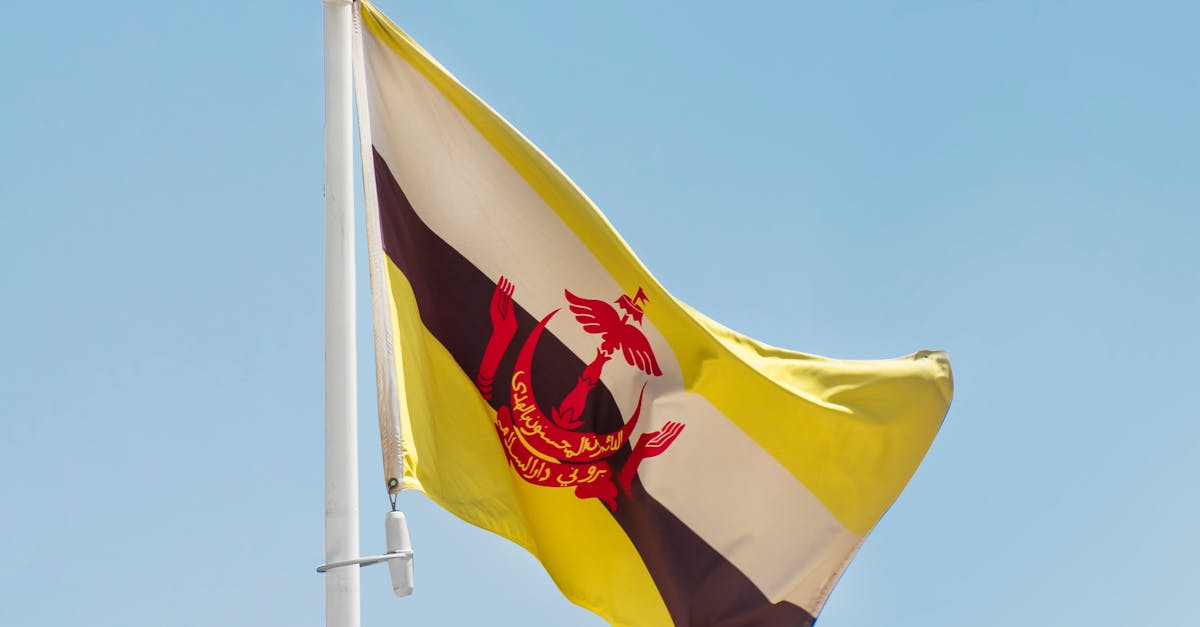
Brunei’s claim is the most modest among the disputants. It does not claim any of the actual islands but asserts rights over part of the South China Sea that overlaps with the southern Spratly area based on its EEZ. Brunei is not militarizing its claim or occupying any features.
Instead, it has focused on diplomacy and economic development while quietly maintaining its rights under international law.
The country’s low-profile approach contrasts sharply with the assertiveness of other claimants, but it underscores the broad impact of the Spratly dispute across even smaller regional players.


