


If you grew up in Indonesia then you must’ve heard or read that Borobudur, the world’s biggest Buddhist temple in Central Java is part of the 7 Wonders of the World.
A lot of Indonesian students believed this as their teachers told them in school, and they can even read it on some books.
But unfortunately, that’s not true at all since Borobudur, while nominated, was never part of the New 7 Wonders of the World. Those that actually made the list are The Great Wall of China, Christ the Redeemer, Petra, Chichen Itza, Colosseum, Machu Picchu, and Taj Mahal.
Borobudur’s Quest of Global Recognition

Borobudur, the world’s largest Buddhist temple, stands as a magnificent testament to Indonesia's rich cultural and spiritual history.
Located in Central Java, this 9th-century Mahayana Buddhist monument is renowned for its intricate stone carvings, massive stupa structures, and spiritual symbolism.
In the early 2000s, as global attention turned to the New 7 Wonders of the World campaign, Borobudur became one of the hundreds of candidates vying for a place among humanity’s most treasured cultural landmarks.
Its nomination was met with national pride and international curiosity. With such a rich history and architectural grandeur, many believed Borobudur was a strong contender. However, despite being a finalist in the competition, it failed to secure a spot in the final seven.
The reasons for this are layered and provide insight into how modern recognition campaigns intersect with technology, geopolitics, and global engagement.
The New 7 Wonder Initiative
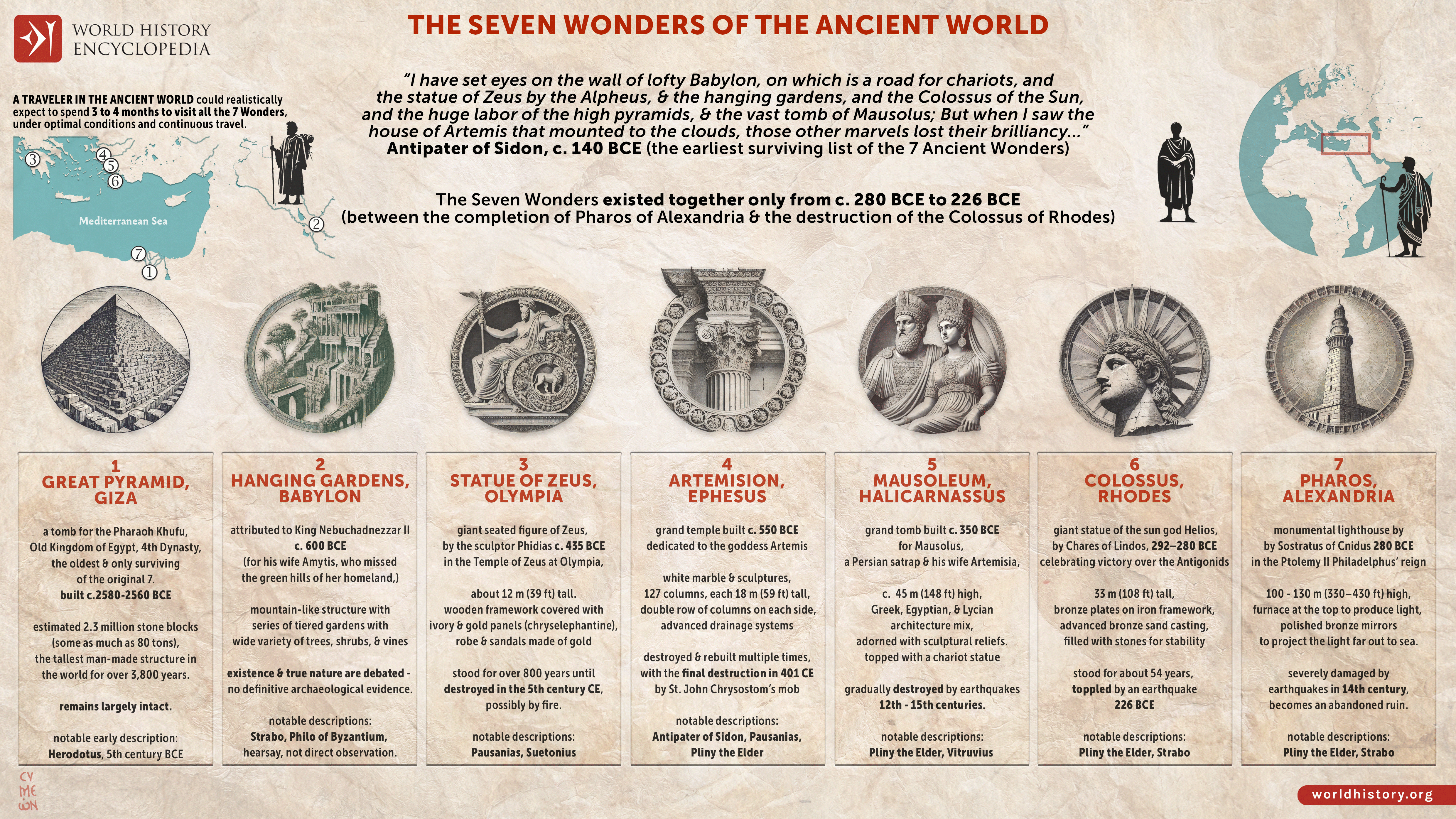
The New 7 Wonders of the World campaign was launched in 2000 by the New7Wonders Foundation, a private organization founded by Swiss filmmaker Bernard Weber.
The initiative aimed to select seven modern marvels from a pool of historical monuments around the globe through a global poll.
The campaign was not officially affiliated with UNESCO or any international governing body, but it received widespread media coverage and public attention.
The selection process was designed to be democratic and accessible. Anyone with internet or phone access could vote. Over 200 monuments were nominated, and a panel of experts led by former UNESCO Director-General Federico Mayor narrowed the list to 21 finalists.
These finalists included renowned structures such as the Great Wall of China, the Colosseum in Rome, the Taj Mahal, and also Borobudur.
Borobudur’s Strengths and Challenges
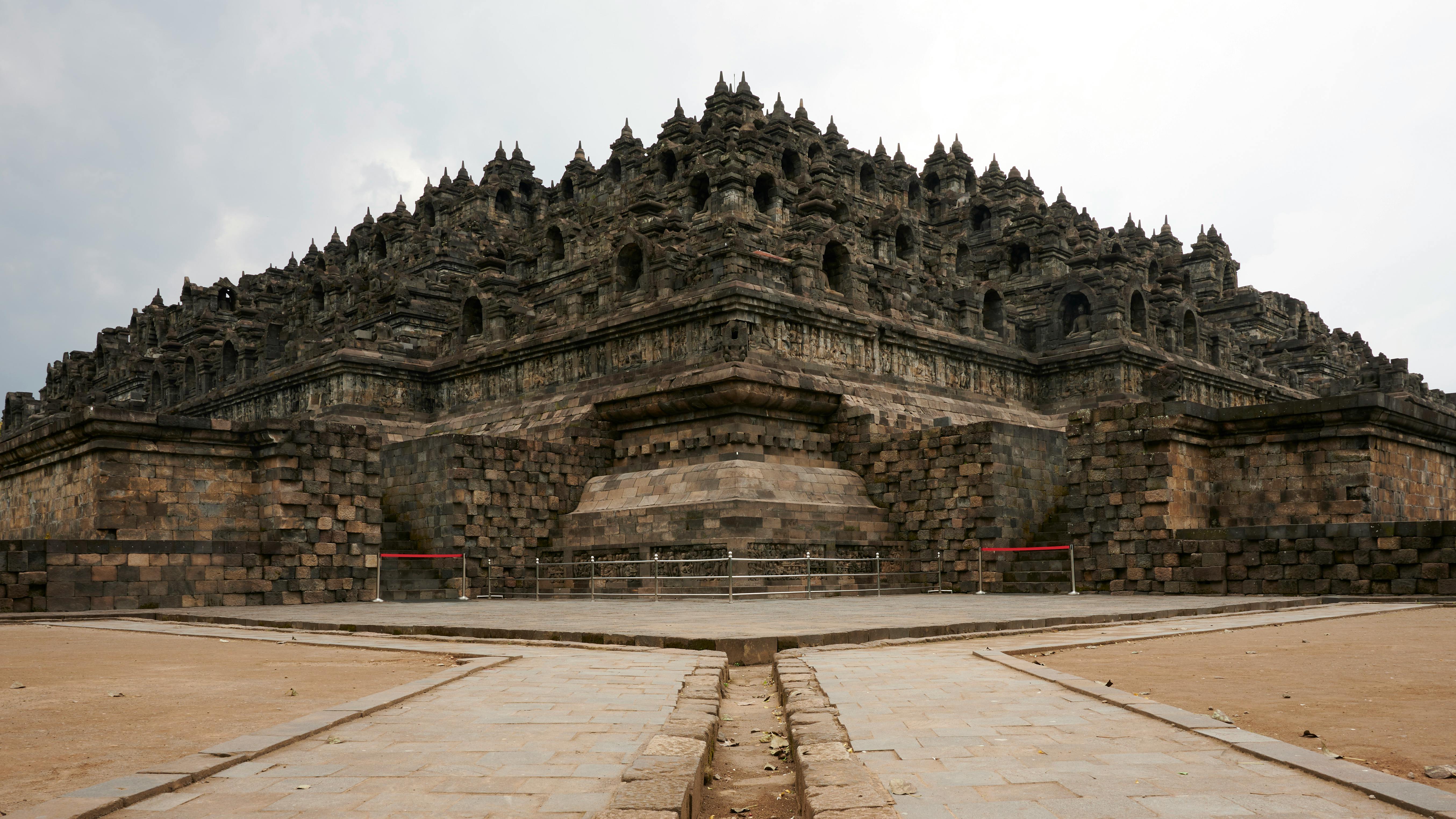
Borobudur’s inclusion among the 21 finalists was no small feat. It was recognized for its historical significance, spiritual importance, and unique architectural style that blends Javanese Buddhist and Gupta art.
The temple’s massive scale, built with over two million stone blocks and containing thousands of relief panels and statues, impressed voters and historians alike.
Its survival through volcanic eruptions, earthquakes, and centuries of abandonment further highlighted its resilience and cultural value.
Despite its qualifications, Borobudur faced several challenges during the voting phase. Chief among them was limited internet access and digital outreach in Indonesia at the time.
In the mid-2000s, while internet penetration was growing, it still lagged behind many developed nations.
Voting for the New 7 Wonders heavily relied on online and SMS participation, which inherently disadvantaged countries with lower digital infrastructure and global influence in media campaigns.
Another factor was the level of state support and national mobilization. Countries whose monuments made it to the final list, such as Brazil for Christ the Redeemer or India for the Taj Mahal, mounted extensive government-backed campaigns.
National pride was channeled into mass participation, with some governments encouraging schools, media, and even embassies to promote voting.
In contrast, Indonesia’s campaign for Borobudur, while enthusiastic among certain circles, did not achieve the same scale of international lobbying or public mobilization.
Final Results and Reaction

On July 7, 2007, the final list of the New 7 Wonders was announced during a lavish ceremony in Lisbon.
The winners included the Great Wall of China, Petra in Jordan, the Colosseum in Rome, Chichen Itza in Mexico, Machu Picchu in Peru, Christ the Redeemer in Brazil, and the Taj Mahal in India.
Borobudur, despite being a finalist, was not among them. The reaction in Indonesia was mixed. While there was disappointment among those who supported the campaign, many also saw the nomination as a valuable opportunity to reintroduce Borobudur to a global audience.
The process sparked renewed interest in the site, encouraging tourism and national pride. It also prompted discussions about how Indonesia might better position itself on the international stage when it comes to cultural heritage and digital diplomacy.
Borobudur is Still Amazing

Even though Borobudur did not make the final cut, the campaign brought much-needed global visibility to the monument.
Today, Borobudur remains a UNESCO World Heritage Site and continues to draw millions of visitors annually. It plays a central role in Buddhist pilgrimages, international tourism, and Indonesian identity.
The monument’s failure to be named one of the New 7 Wonders does not diminish its historical or spiritual value.
Instead, it highlights how modern recognition campaigns are often influenced not only by merit but also by access, communication infrastructure, and national promotion. Borobudur's timeless beauty and cultural importance endure beyond the confines of any list.


