When we talk about women's education in Indonesia, Raden Ajeng Kartini almost always comes to mind. Through her writings, mostly letters to her Dutch pen pal, Stella Zeehandelaar – later recorded in the book Habis Gelap Terbitlah Terang – we know that Kartini fought so that women could be equal with men in terms of social standing.
Yet, there are so many other women from Indonesia that also participated in the struggle for women's education. This article will explore the lives and contributions of 6 lesser-known female heroes, who helped shine light on the condition of women's education in Indonesia.
1. Dewi Sartika
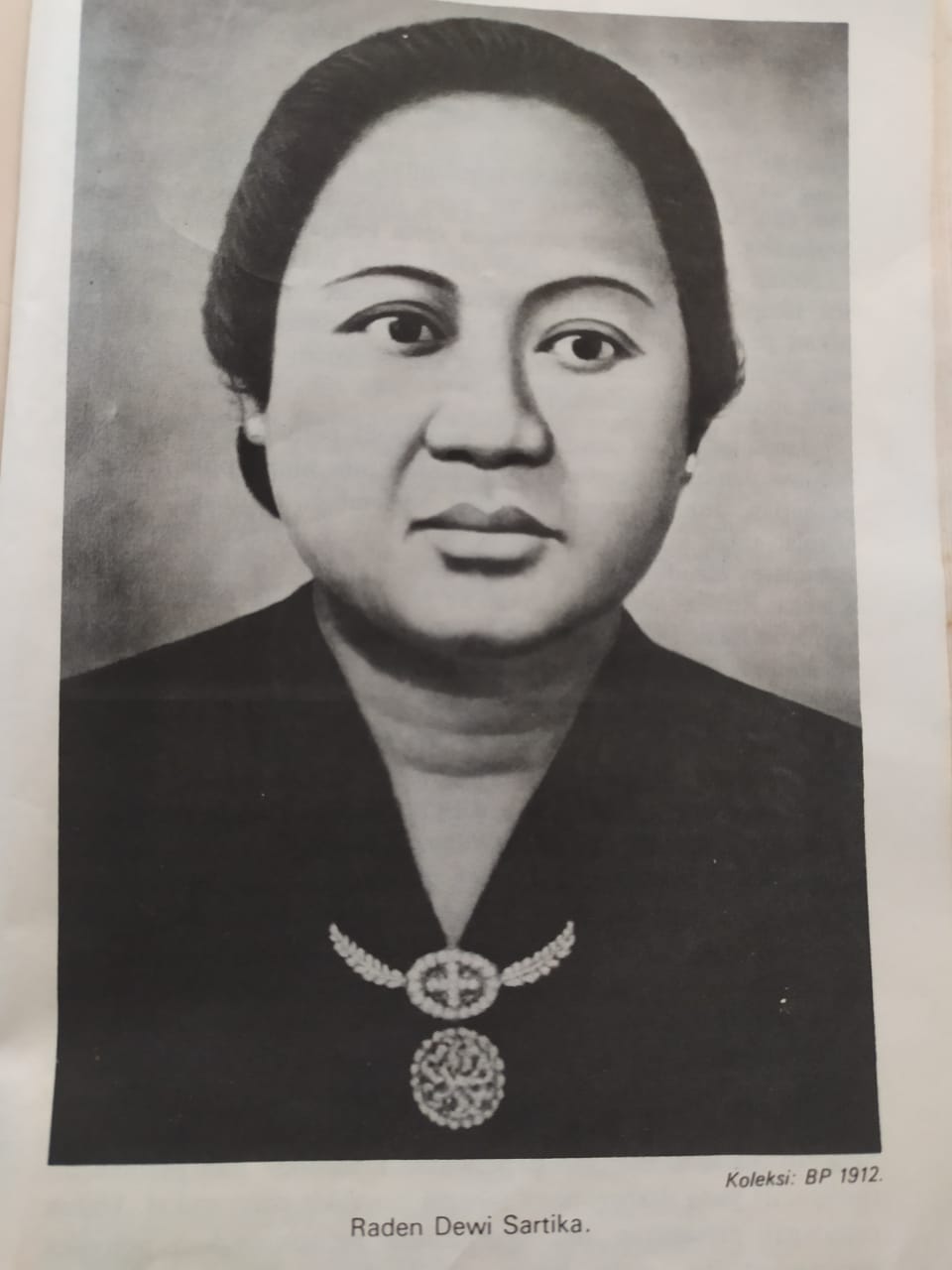
Being the daughter of Sundanese nobility, Dewi Sartika experienced a burst of inspiration when her family broke apart because Dutch colonialists exiled her father, Rangga Somanagara, to Ternate after accusing him of sabotage. A biography article written by Fadrik Aziz Firdausi notes that little Dewi was sent to her maternal uncle, Suria Kartahadiningrat’s home, where strict gender roles made it difficult for her to continue pursuing formal education.
She was saddened after witnessing how the feudalistic Sundanese society thought that only boys were worthy of going to school, while the girls could make do with lessons about home-making. This disappointment led Dewi to establish a school for girls called Sakola Istri in 1904. This school taught lessons on Dutch, religion, and even more complicated skills like nursing.
Long before Kartini established her school in 1912, Dewi's Sakola Istri was the first school for indigenous girls in the East Indies. With support from her husband and peers, Sakola Istri opened branches across Priangan.
Dewi also actively wrote about topics such as child marriage and the gender pay gap. Because of her vast contribution to women's education, Dewi was deemed a national hero by the Indonesian government in 1966, 19 years after her death.
2. R.A. Lasminingrat
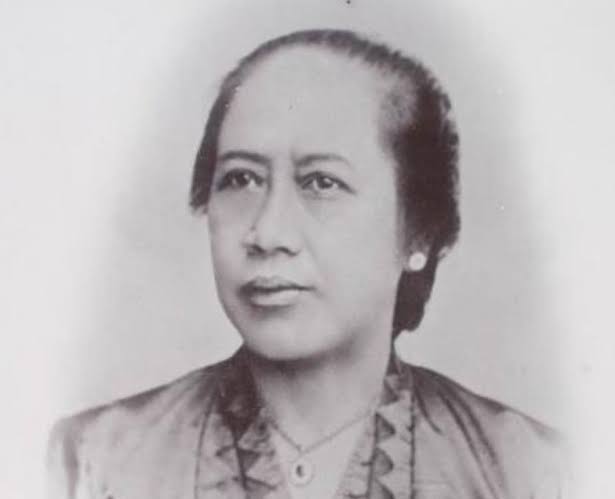
Similar to Dewi Sartika, R.A. Lasminingrat is also a West Javanese woman from Garut. Mikihiro Moriyama, researcher of Sundanese literature and culture from Nanzan University, notes that she was the first Sundanese woman to have been able to speak Dutch fluently with the Dutch people living in Garut at that time.
Lasminingrat's passion for education led her to assist Dewi Sartika in building Sakola Istri. She then proceeded to establish her own school, Sekolah Kautamaan Istri, in 1907.
The school was made official as an organization called Vereeneging Kautamaan Istri Schoalen six years later. There, she taught girls how to read, write, and create handicrafts.
Aside from teaching, Lasminingrat was known to be a proficient author and translator. She wrote countless works, ranging from school textbooks for children to articles about her feminist thoughts. She also frequently translated story books from Dutch to Sundanese to encourage children to read.
3. Maria Walanda Maramis
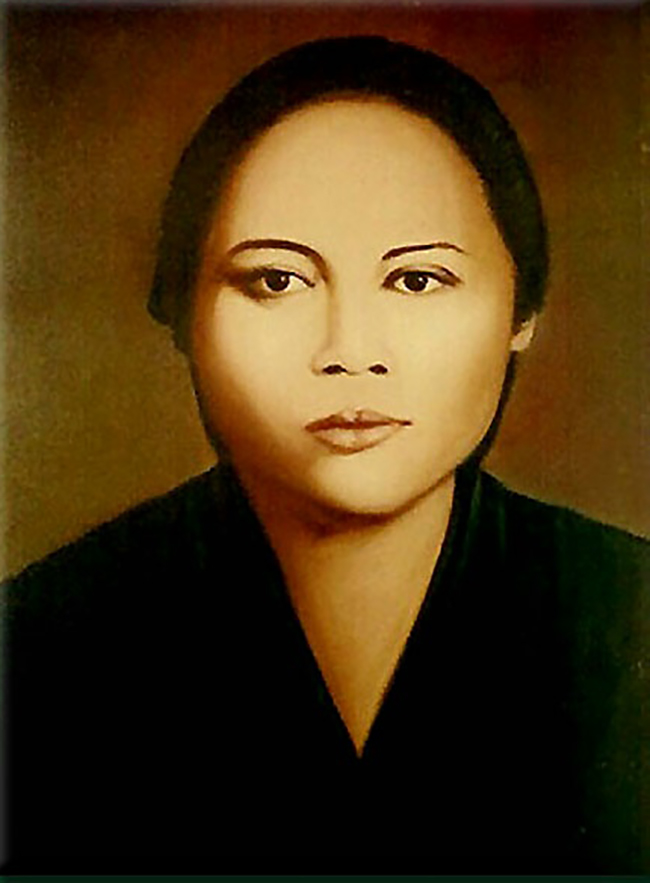
Born in Kema, a small port city in North Sulawesi, Maria Walanda Maramis had been passionate in women's education since her teenage years. Her opportunity to make a change came when she got married to Yoseph Frederik Calusung Walanda, an elementary school teacher, who shared the same fervor in advancing education for women and children.
Maria established Sekolah Rumah Tangga (Huishoud School), where girls are taught to sew, cook, and make handicrafts, in 1917. In the same year, she also established an organization called PIKAT, short for Percintaan Ibu Kepada Anak Temurunnya (mother's love for her children), to support and facilitate the school’s teaching activities.
PIKAT soon became a nation-wide organization. Along with this, Maria actively wrote down her opinions on feminism in local papers all the while advocating for women's political participation in the parliament.
4. Siti Walidah
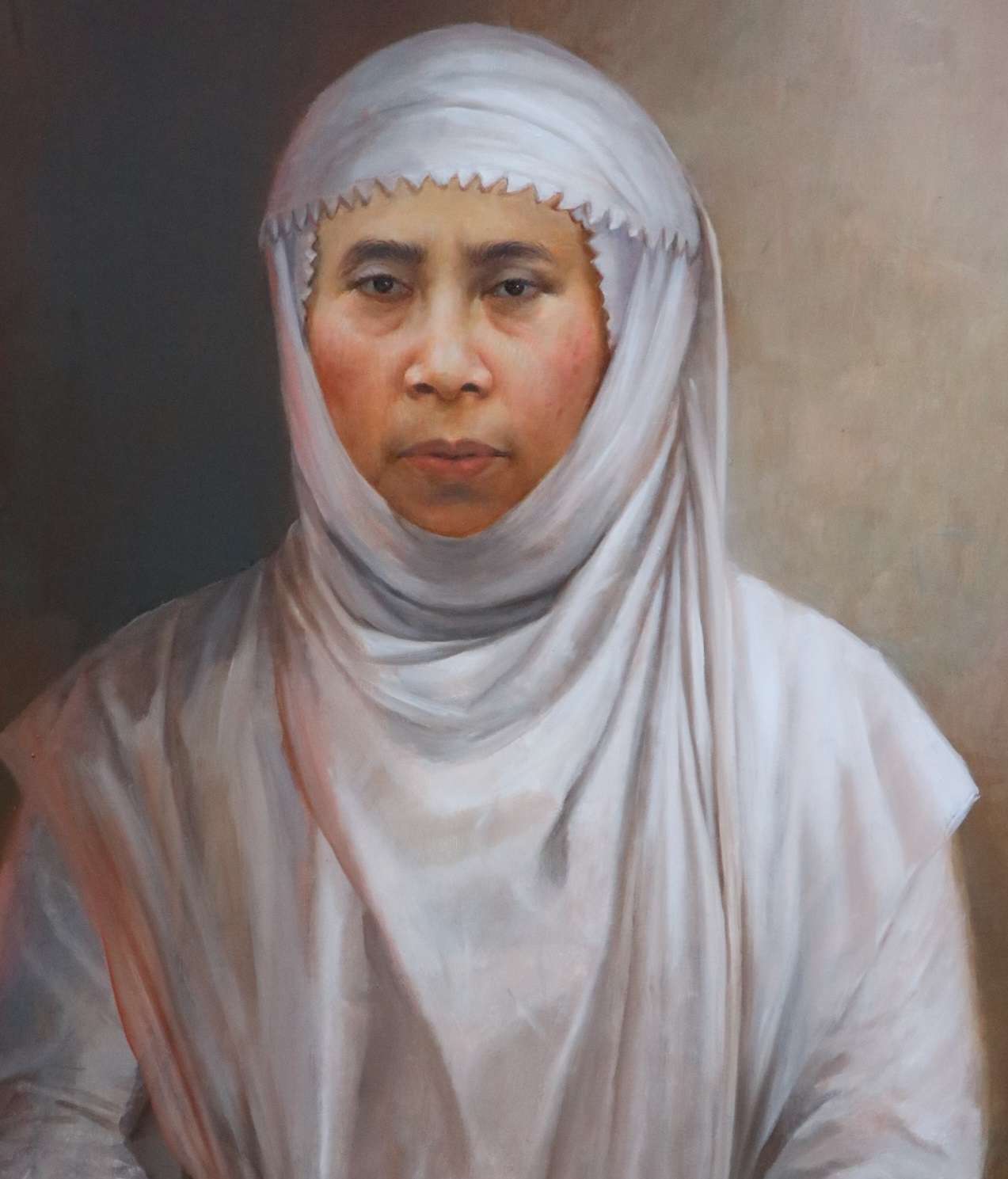
Though mostly known as simply the wife of Ahmad Dahlan – a Muslim cleric mostly known for establishing Muhammadiyah in 1912 – Siti Walidah was also an advocate for women's education. For information, Muhammadiyah is a major Islamic organization in Indonesia that focused on reforming religious teachings and establishing schools.
Siti actively supported her husband's activities in Muhammadiyah, all the while inviting girls and women to participate in intellectual discussions in Sopo Tresno, a forum she initiated herself. Sopo Tresno's vast development led Siti to establish a formal organization known as ‘Aisyiyah in 1917.
Her enormous contributions in advancing education for Muslim women is the reason why members of Muhammadiyah deem her a “mother” and pioneer of social reform.
5. Rohana Kudus
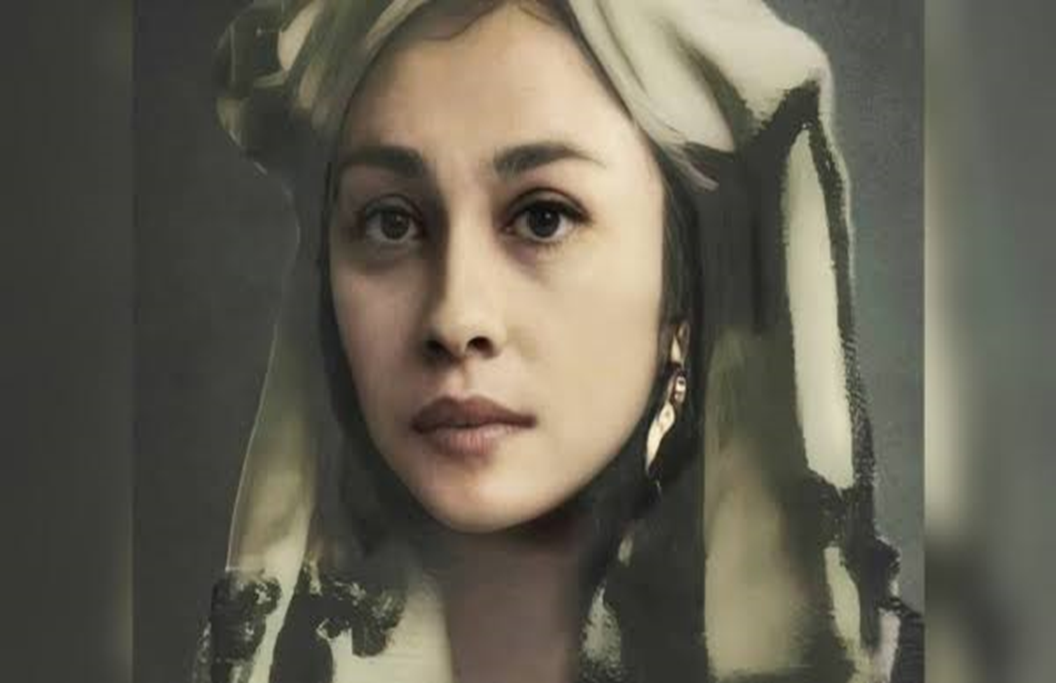
Rohana Kudus, who was deemed a national hero in 2019, is Indonesia's first female journalist. Hailing from West Sumatra, Rohana developed a passion for writing from her father, a judge, who was an avid reader.
To further promote education for young women, Rohana established a school called Sekolah Kerajinan Amai Setia. Then, together with a peer, Ratna Juwita Zubaidah, Rohana launched Soenting Melajoe, the first newspaper for female contributors. The paper was popular not only in West Sumatra, but also across Malacca and Singapore.
Aside from founding Soenting Melajoe, Rohana also became editor in chief for Perempuan Bergerak. Through her vast contributions in the press, Rohana pushed for women's literacy and critical thinking abilities.
6. Tengku Syarifah Latifah
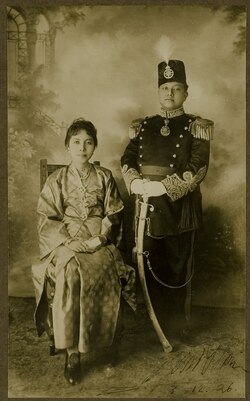
Tengku Syarifah Latifah, queen of the sultanate of Siak Sri Indrapura, is sometimes nicknamed “the Kartini of Riau”. This is because the two women share similarities in various aspects: they both are members of nobility, using their privileges to build schools for young women.
Along with her husband, Sultan Syarif Kasim II, Latifah established Sultanah Latifah School in 1927 as an effort to teach young women and resist Dutch colonialism through education. Adilah Suwarno in the book Siak Sri Indrapura also notes that Latifah also established a religious school for women called Madrasah an-Nisa.
After Latifah's death in 1929, her sister, Syarifah Fadlun, continued her legacy by managing the two schools.
References
- Chaerunnisa, Luqyana. “Tengku Agung Syarifah Latifah, Pelopor Sekolah Perempuan Pertama di Riau.” Mubadalah. Published on May 13, 2023. Accessed on July 9, 2025. https://mubadalah.id/tengku-agung-syarifah-latifah-pelopor-sekolah-perempuan-pertama-di-riau/.
- Firdausi, Fadrik Aziz. “Dewi Sartika: Pendidik dari Priangan, Melawan Adat Kolot & Poligami.” Tirto. Published on September 10, 2019. Accessed on July 9, 2025. https://tirto.id/dewi-sartika-pendidik-dari-priangan-melawan-adat-kolot-poligami-cH1v.
- Janti, Nur. “Mengenal Rohana Kudus, Wartawan Perempuan Pertama yang Jadi Pahlawan Nasional.” Historia. Published on November 8, 2019. Accessed on July 9, 2025. https://www.historia.id/article/mengenal-rohana-kudus-wartawan-perempuan-pertama-yang-jadi-pahlawan-nasional-db2lq.
- Mileneo, Muhammad Fazer. “Biografi Lasminingrat, Pejuang Emansipasi Perempuan asal Garut.” Good News from Indonesia. Published on March 29, 2023. Accessed on July 9, 2025. https://www.goodnewsfromindonesia.id/2023/03/29/raden-ayu-lasminingrat-pejuang-emansipasi-perempuan-dari-garut.
- “Nyai Ahmad Dahlan, Sang Pendiri ‘Aisyiyah.” Republika. Published on April 3, 2023. Accessed on July 9, 2025. https://www.republika.id/posts/39212/nyai-ahmad-dahlan-sang-pendiri-aisyiyah.
- Rachmadita, Amanda. “Peran Lasminingrat dalam Pendidikan dan Penerjemahan.” Historia. Published on March 29, 2023. Accessed on July 9, 2025. https://www.historia.id/article/peran-lasminingrat-dalam-pendidikan-dan-penerjemahan-pdbzg.
- —. “Maria Walanda Maramis, Pahlawan Nasional dari Sulawesi Utara.” Historia. Published on November 11, 2022. Accessed on July 9, 2025. https://www.historia.id/article/maria-walanda-maramis-pahlawan-nasional-dari-sulawesi-utara-v5wx8.
- Raditya, Iswara N. “Syarifah Latifah: Pelopor Pendidikan Perempuan di Kesultanan Siak.” Tirto. Published on April 19, 2018. Accessed on July 9, 2025. https://tirto.id/syarifah-latifah-pelopor-pendidikan-perempuan-di-kesultanan-siak-cH1J.
This article was created by Seasians in accordance with the writing rules on Seasia. The content of this article is entirely the responsibility of the author.