


The world’s 10 most spoken languages reveal the complex interplay between population, history, culture, and policy.
Whether through first language dominance or massive second language adoption, these languages have shaped global communication, diplomacy, and cultural exchange.
As the world continues to evolve, these vibrant languages will remain central to how we connect, share ideas, and understand one another across borders. Let’s take a look at this incredible list.
1. English

With approximately 1.53 billion total speakers, English holds the crown as the most widely spoken language globally.
Although only around 390 million speak it as a native language, its role as a global lingua franca, spanning business, science, aviation, diplomacy, and the internet, drives the hundreds of millions more who speak it as a second language.
English’s adaptability and widespread adoption make it the de facto common language across continents, from classrooms and boardrooms to online communities and cultural exchanges.
2. Mandarin

Mandarin is spoken by about 1.18 billion people worldwide. It is China’s official language and is also used in Taiwan and around diaspora communities globally.
Its nearly one billion native speakers reflect China’s massive population, while close to 200 million more use it as a second language, underscoring Mandarin’s importance in education, government, and increasingly, international business connections linked to China.
3. Hindi
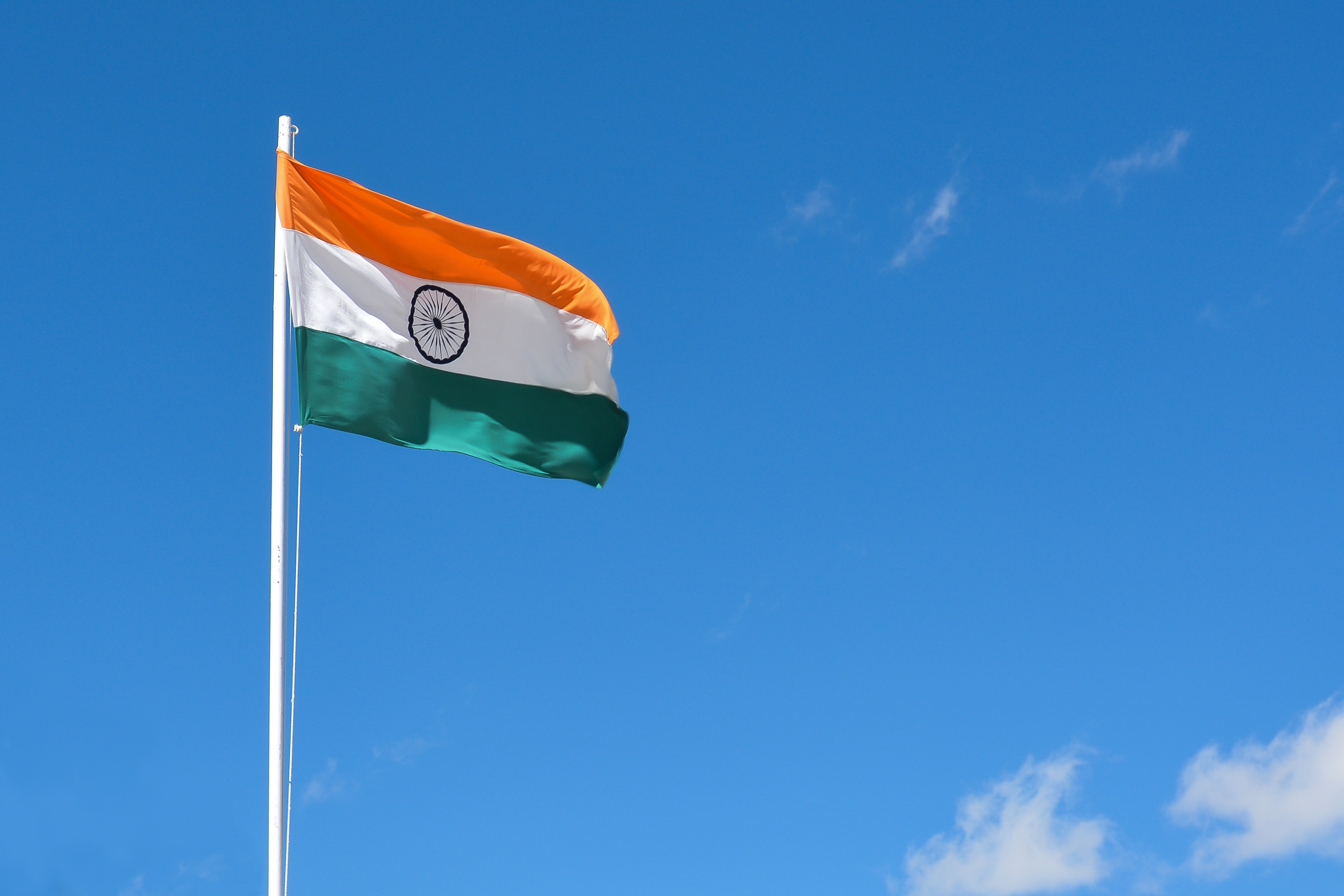
With a total of 609 million speakers, Hindi ranks third. About 345 million speak it natively, primarily across India, and another 264 million as a second language.
Hindi thrives through its status as one of India’s official languages and its global spread through cinema, music, and the widespread Indian diaspora. It plays a central role in both cultural identity and communication across northern India and parts of South Asia.
4. Spanish

Spanish accounts for around 558 million speakers in total. Nearly 484 million are native Portuguese speakers, supplemented by 74 million who use it as a second language.
As the official language of over 20 countries, including much of Latin America and Spain, Spanish is a dominant force in global culture, media, and education. It is also the second most popular second language studied worldwide.
5. Arabic

Modern Standard Arabic (MSA) is the literary and formal variant used across Arabic-speaking countries. It has around 335 million speakers who use it primarily as a second language.
While no one grows up speaking MSA natively, local dialects serve that role, it is the unifying medium in education, news, religion (Islamic texts), and formal communication, spanning over 22 countries across the Middle East and North Africa.
6. French

Totaling 312 million speakers, French combines roughly 74 million native speakers with 238 million second-language users. Official in 29 countries and vital to international diplomacy (e.g. UN, EU, NGOs), French commands a strong global presence.
It is increasingly significant in Africa, where demographic growth is steadily increasing its number of speakers, potentially surpassing the 500 million mark by 2025, according to projections.
7. Bengali

Bengali’s total speaker count is approximately 284 million, comprising about 242 million native speakers and 43 million who speak it as a second language.
Official in Bangladesh and the Indian state of West Bengal, Bengali stands out for its rich literary heritage, strong poetic traditions, and music culture. It remains a central symbol of cultural identity and national pride, particularly in Bangladesh.
8. Portuguese

Portuguese is spoken by about 267 million people worldwide. Native speakers number around 250 million, with another 17 million learning it as a second language.
Brazil’s massive population accounts for the majority, while Portugal, several African nations, and East Timor also contribute. Portuguese is increasingly influential in global diplomacy and is the second-most spoken Romance language after Spanish.
9. Russian

Approximately 253 million people speak Russian, including 145 million native speakers and 108 million second-language speakers.
Official in Russia, Belarus, Kazakhstan, and Kyrgyzstan, Russian continues to serve as a lingua franca across former Soviet states.
It carries weight in science, literature, and international media and its extensive user base reflects both historical ties and ongoing regional influence.
10. Indonesian

Finally, Indonesian reaches roughly 252 million speakers, with some 75 million native speakers and 177 million others using it as a second language.
As the official lingua franca of Indonesia, home to over 700 native languages, Indonesian unifies diverse regions under a common language.
Using the Latin alphabet, it plays a crucial role in education, media, government, and national identity in Southeast Asia’s largest country by population.


