

Vietnamese gastrodiplomacy was born organically—not from a government strategy, but from a grassroots movement—especially from the diaspora that spread widely after the end of the Viet Nam War. They established Vietnamese restaurants in various parts of the world not as tools of diplomacy, but as a way to survive, remember their homeland, and connect with fellow diaspora.
Interestingly, what these diaspora communities did—unintentionally—became a powerful force of cultural diplomacy. Although initially there was no official government initiative, Vietnamese restaurants abroad began to be recognized for offering authentic, healthy, and approachable flavors. Slowly, the world’s perception of Viet Nam began to shift.
From being known primarily for conflict and war, Viet Nam is now seen as a top travel destination for culinary experiences. Vietnamese gastrodiplomacy grew even stronger as the government eventually stepped in, leading to collaboration between the government, diaspora, and local citizens.
Evolving National Branding
Vietnamese diaspora scattered across the globe brought along their culinary traditions. Indirectly, these diaspora played an important role in transforming Viet Nam's global image. Long before government involvement, they acted as unofficial cultural ambassadors.
“Taste, then travel”—Vietnamese restaurants abroad became a major motivation for visiting the country of origin to try the cuisine in its native setting. Beyond its food, Viet Nam is also considered a tourist-friendly and economically accessible destination, ideal for budget travelers.
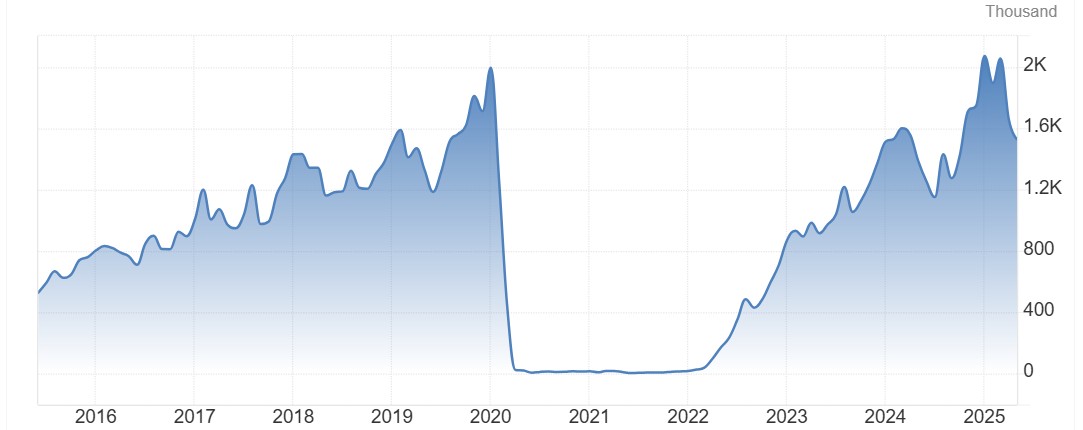
According to data from tradingeconomics.com, the number of tourists visiting Viet Nam has shown a steady increase, despite the temporary drop caused by the COVID-19 pandemic from 2020 to 2022.
The official tourism website vietnamtourism.gov.vn reported that as of May 2025, Viet Nam welcomed 1,528,352 international tourists—a 10.5% increase compared to May 2024. This influx of international visitors highlights Viet Nam’s growing popularity as a travel destination, especially for its cuisine.
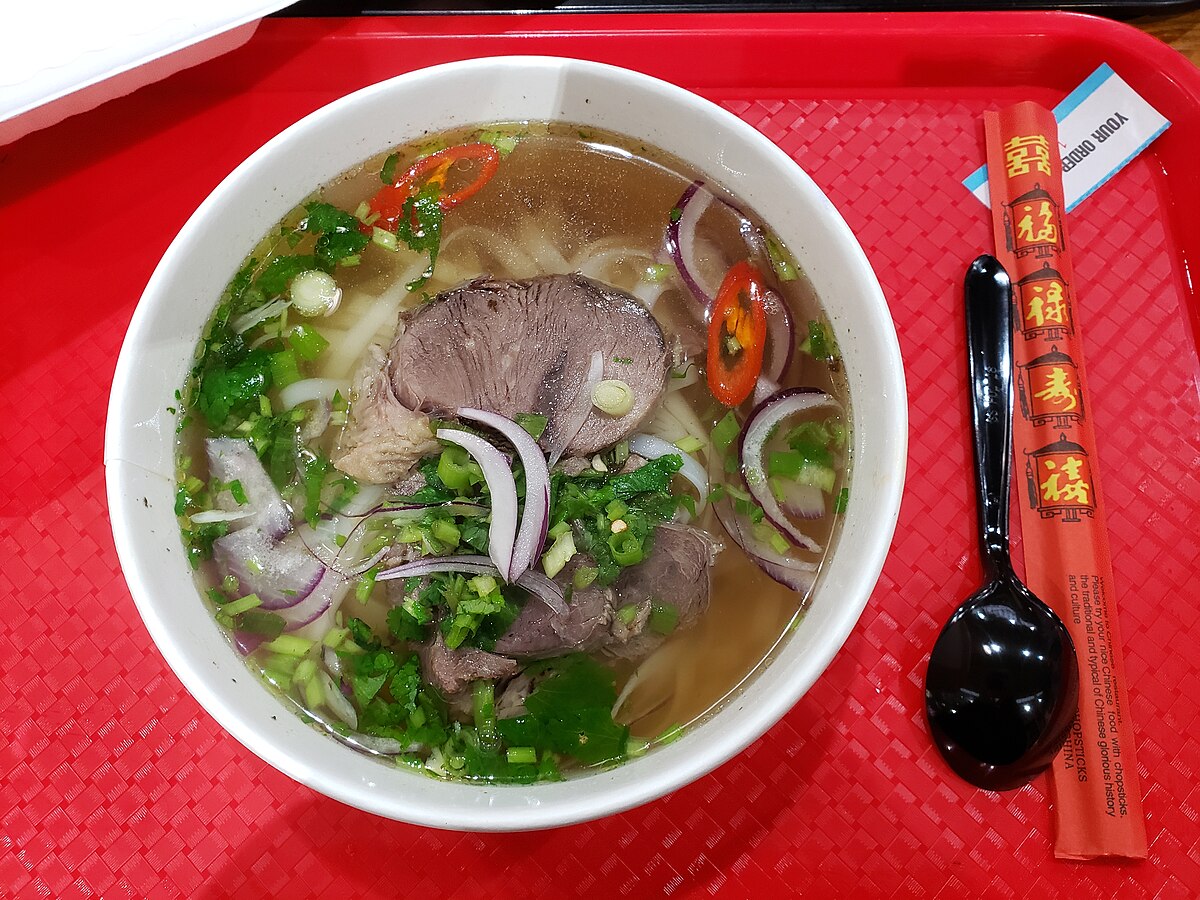
Viet Nam’s image has shifted: from a war-torn country to a symbol of peace and warmth. Vietnamese food—rich in fresh vegetables, natural herbs, and flavor balance—is considered among the healthiest in the world. Phở, the beloved beef noodle soup, represents comfort and family warmth. Banh mi, the French-influenced stuffed baguette, symbolizes the cultural fusion that defines modern Vietnamese identity.
The Government Steps In
Recognizing the diaspora's significant impact on Viet Nam’s culinary image, the government began to take a strategic role in strengthening gastrodiplomacy, both through active promotion and regulatory support.
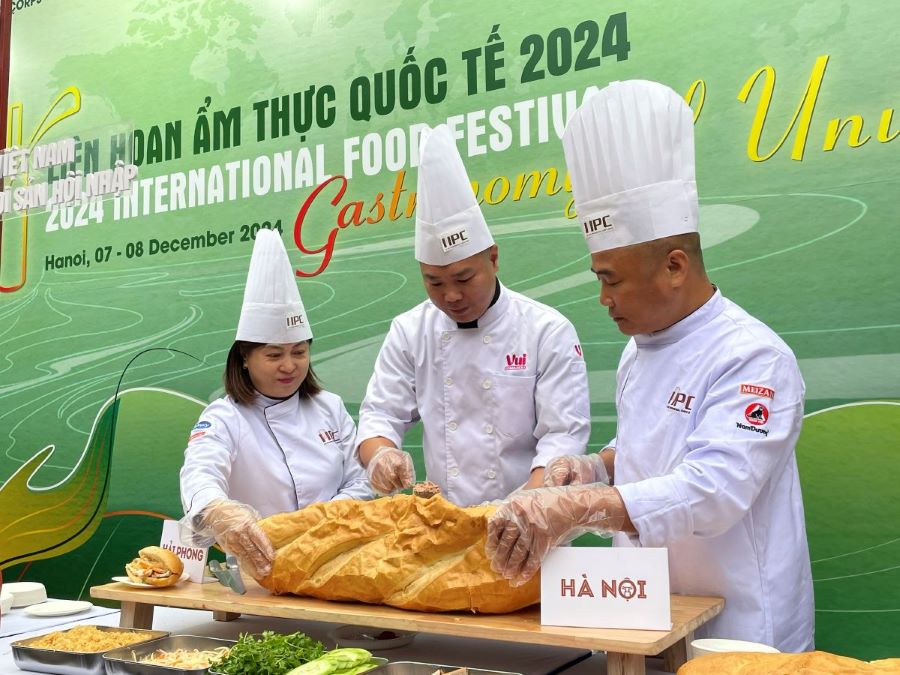
On the promotional side, the government has actively highlighted Vietnamese culinary icons like pPhở, banh mi, and bun cha through international food festivals, tourism campaigns, and collaborations with global media and digital platforms.
These festivals are held both abroad and domestically, involving local Vietnamese restaurants as well. Major cities like Hanoi and Ho Chi Minh City are now positioned as friendly, affordable culinary destinations. On the regulatory side, the government has implemented quality and food safety standards, particularly for key export products like fish sauce (nuoc mam) and coffee.
Global Recognition: Michelin in Viet Nam
Viet Nam’s inclusion in the Michelin Guide in 2023 marked a major milestone in the international recognition of its culinary excellence. Originating in France, the Michelin Guide is the world’s most prestigious culinary rating system, and its arrival in Viet Nam reflects the remarkable achievements of local food industry players.
In 2023, Michelin released its guide for Hanoi and Ho Chi Minh City. Anăn Saigon in Ho Chi Minh City became the first restaurant in Viet Nam to receive a One Michelin Star.
The number of Michelin-awarded restaurants in Viet Nam has continued to grow. As of 2025, there are nine One Michelin Star restaurants: Gia, Hibana by Koki, and Tăm Vi in Hanoi; Anăn Saigon, Long Trieu, Coco Dining, Akuna, and CieL in Ho Chi Minh City; and La Maison 1888 in Da Nang. Additionally, two restaurants have received the Michelin Green Star for sustainable practices: Lamai Garden in Hanoi and Nén Danang in Da Nang.
These local Vietnamese restaurants offer world-class quality and service—from using fresh, high-quality ingredients, to maintaining flavor consistency, mastering cooking techniques, and upholding elevated service standards—all while preserving traditional Vietnamese flavors. Many are led by chefs who studied abroad and have returned to Viet Nam, bringing fresh perspectives to the country’s cuisine.
Vietnamese gastrodiplomacy began with the strength of grassroots communities. Through close collaboration between diaspora, local citizens, and the government, Viet Nam has proven that food is not just about taste—it’s about storytelling. A story that has the power to reshape perceptions, build national image, and foster pride.
If Thailand has its "Global Thai" program to spread Thai restaurants worldwide, South Korea exports culture through the Korean Wave, and Japan promotes washoku through official diplomacy and professional chefs—then Viet Nam started its journey more quietly, yet just as powerfully.
Resources:
https://vietnamtourism.gov.vn/en/statistic/international
https://tradingeconomics.com/vietnam/tourist-arrivals
This article was created by Seasians in accordance with the writing rules on Seasia. The content of this article is entirely the responsibility of the author.



