

The Southeast Asia tiger population is among the most threatened in the world. Tigers belong to the Felidae family, the same as domestic cats. Despite their distant kinship with house pets, tigers are among the most powerful apex predators in the wild.
Apex predators are species at the top of the food chain with no natural predators of their own. They help regulate population sizes of prey animals, which in turn maintains the balance and health of ecosystems.
In the absence of apex predators, ecosystems can become unstable and experience cascading negative effects. Their distinctive striped coats, while visually stunning, have unfortunately made them targets for illegal hunting and poaching. This relentless exploitation has pushed several subspecies toward extinction.
The Siberian tiger, also known as the Amur tiger, is native to Russia and holds the record as the largest tiger species in the world. Russia remains the only country outside of Asia that serves as a natural habitat for wild tigers. In Asia, however, the tiger's presence is far more rooted and complex.
Indonesia, for instance, was once home to three subspecies of tiger: the Javan tiger, the Bali tiger, and the Sumatran tiger. Today, only the Sumatran tiger survives, a critically endangered member of the Panthera subfamily.
Once widespread across Southeast Asia, tiger populations are now confined to fragmented habitats, increasingly threatened by deforestation, illegal trade, and human-wildlife conflict.
Southeast Asia: Once a Stronghold, Now a Struggle for Survival
Southeast Asia has historically been one of the richest regions for tiger diversity. But in recent decades, the region has witnessed a dramatic decline in wild tiger populations.
Habitat destruction from logging and agricultural expansion, along with the illegal wildlife trade, have severely impacted tiger survival in countries like Malaysia, Thailand, and Myanmar.
Even protected areas often lack the necessary enforcement to prevent poaching. The forests that once echoed with the roars of tigers are now falling silent. The loss is not just ecological but also cultural, as many communities in Asia consider tigers as sacred animals or national symbols.
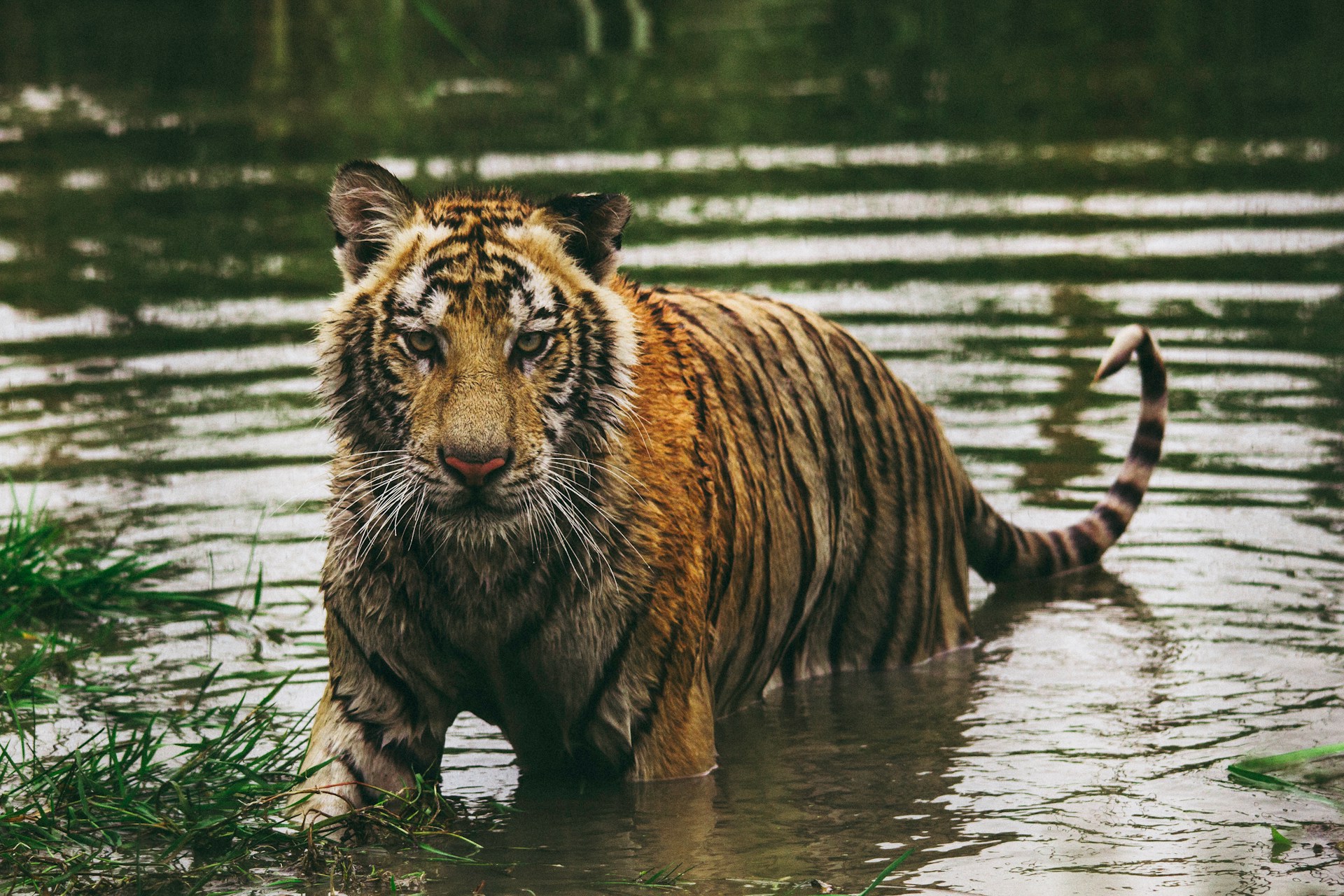
Top Tiger Countries in Asia
The following data is sourced from Moneycontrol and represents the most recent population estimates of wild tigers across Asia. These numbers are critical in understanding which countries still serve as tiger habitats and how conservation efforts are distributed across the region.
Population (Estimates by Moneycontrol)
- India (3,167 tigers)
- Russia (750 tigers)
- Indonesia (400 tigers)
- Nepal (355 tigers)
- Thailand (189 tigers)
- Bhutan (151 tigers)
- Malaysia (150 tigers)
- Bangladesh (146 tigers)
- Myanmar (22 tigers)
- China (20 tigers)
Among these, Southeast Asian countries such as Indonesia, Thailand, Malaysia, and Myanmar are struggling to maintain viable tiger populations in the face of increasing environmental threats.
What Happens If Tigers Disappear?
Tigers are apex predators, which means they sit at the very top of the food chain. Their survival ensures balance in ecosystems by keeping herbivore populations in check. Without tigers, herbivore numbers could increase uncontrollably, leading to overgrazing and forest degradation.
The disruption doesn’t stop there. A surge in herbivore populations can also lead to food competition with domesticated animals like cows and goats. If livestock can't find enough food, it affects human access to protein sources, particularly in communities reliant on animal farming.
Furthermore, losing tigers would destabilize forest ecosystems. With no natural predators, some animal populations would grow unchecked, damaging plant life and altering the natural environment in ways that are difficult to reverse. Biodiversity would suffer, and the health of forests, which are vital carbon sinks, would decline.
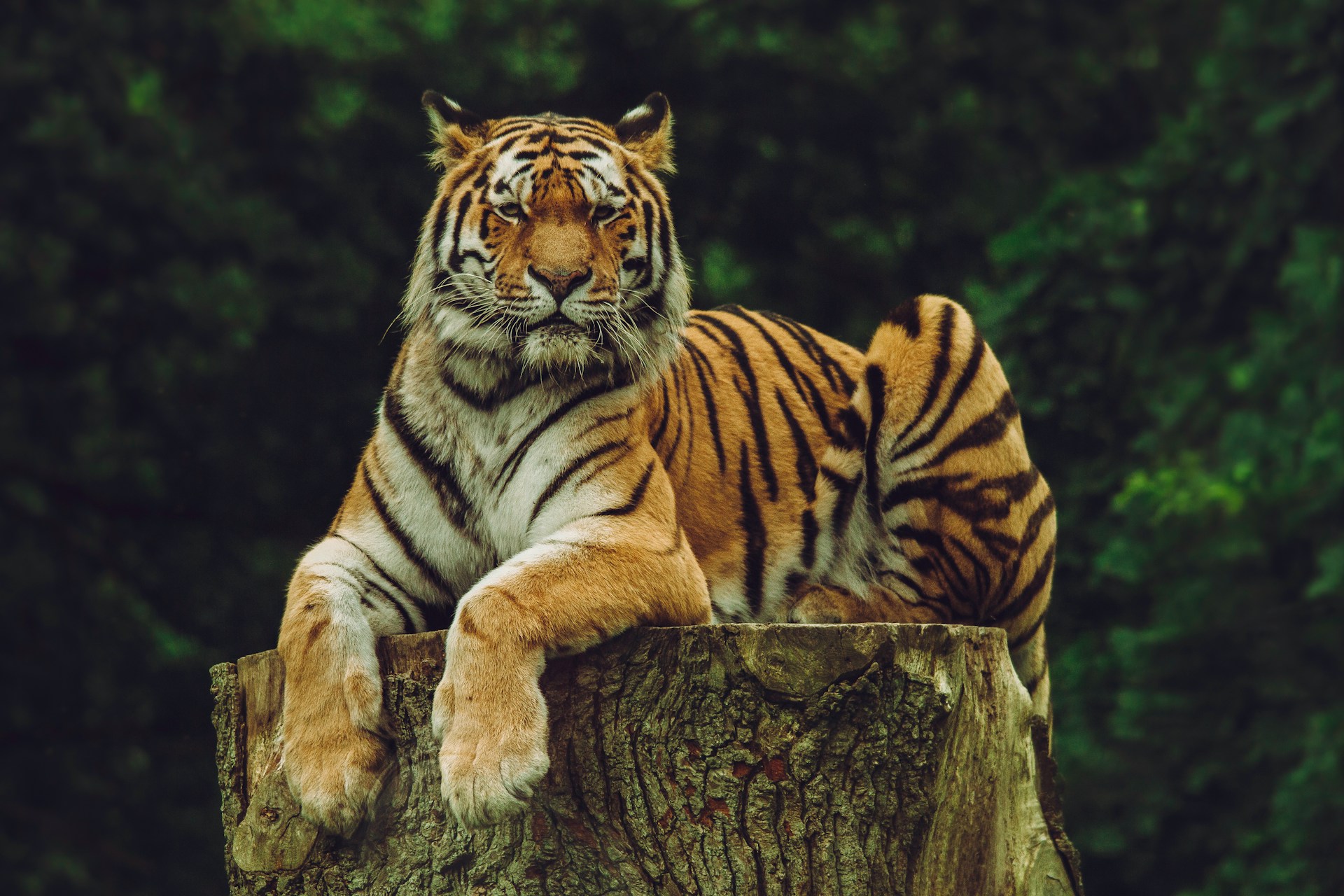
Tigers Are More Than Just Icons
The decline of wild tigers is not just a tragedy of numbers. It is a warning sign about the health of our environment. Southeast Asia still has a chance to protect what remains of its tiger heritage, but that opportunity is shrinking fast.
If we lose tigers, we don’t just lose a species. We lose a keystone guardian of our ecosystems.
What can be done? Support local conservation programs, oppose illegal wildlife trade, and raise awareness about the importance of keeping our ecosystems intact.
Let’s not wait until their roars are only heard in legends. Share this story and help spread the call for tiger conservation.



