


In many countries, language is more than just a method of communication, it is a symbol of identity, history, and culture. While most nations have one or two official languages, some have embraced linguistic diversity on a broader scale, granting official status to multiple languages.
These countries often do so to reflect their multicultural societies, recognize indigenous or minority communities, and ensure inclusivity in governance and public life. Below are some of the countries with the most official languages in the world.
Bolivia, 37 Official Languages

Bolivia stands as a global leader when it comes to the number of official languages. The country recognizes 37 languages in total, including Spanish and 36 indigenous languages such as Quechua, Aymara, Guarani, and Chiquitano.
This policy was formalized in the 2009 Bolivian Constitution under President Evo Morales, the country’s first indigenous leader.
The decision to elevate indigenous languages to official status was deeply symbolic, aimed at reversing centuries of marginalization faced by Bolivia’s indigenous populations.
While Spanish remains the dominant language in most aspects of public life, the recognition of these other languages represents a strong commitment to cultural inclusion and indigenous rights.
Efforts have also been made to integrate native languages into the education system and government services, though implementation remains a work in progress.
India, 22 Official Languages
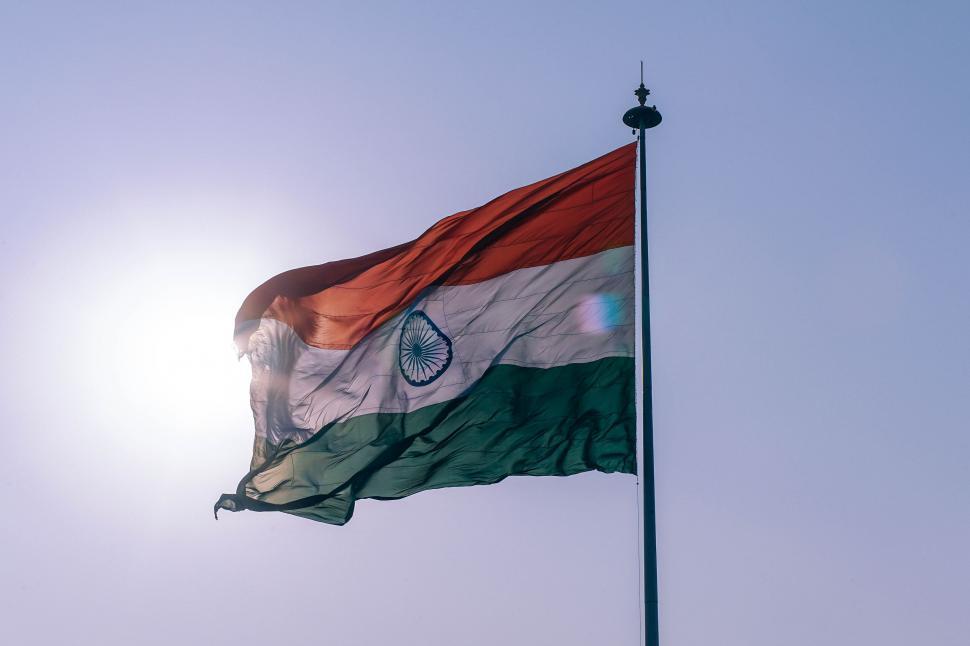
India is a linguistic mosaic, with 22 officially recognized languages under the Eighth Schedule of its Constitution.
These include widely spoken languages such as Hindi, Bengali, Tamil, Telugu, Marathi, and Urdu, as well as regional and minority languages like Manipuri, Bodo, and Santali.
Hindi and English are used as the primary languages for national government communication, but each Indian state is free to designate its own official languages based on local demographics.
The country’s multilingual policy reflects its deep commitment to federalism and cultural diversity. In everyday practice, most people in India are multilingual.
They often speaking their native tongue at home, using a regional language in social or professional settings, and interacting with government institutions in Hindi or English. This linguistic pluralism, while complex, is a key aspect of India's democratic and cultural fabric.
Zambia, 16 Official Languages
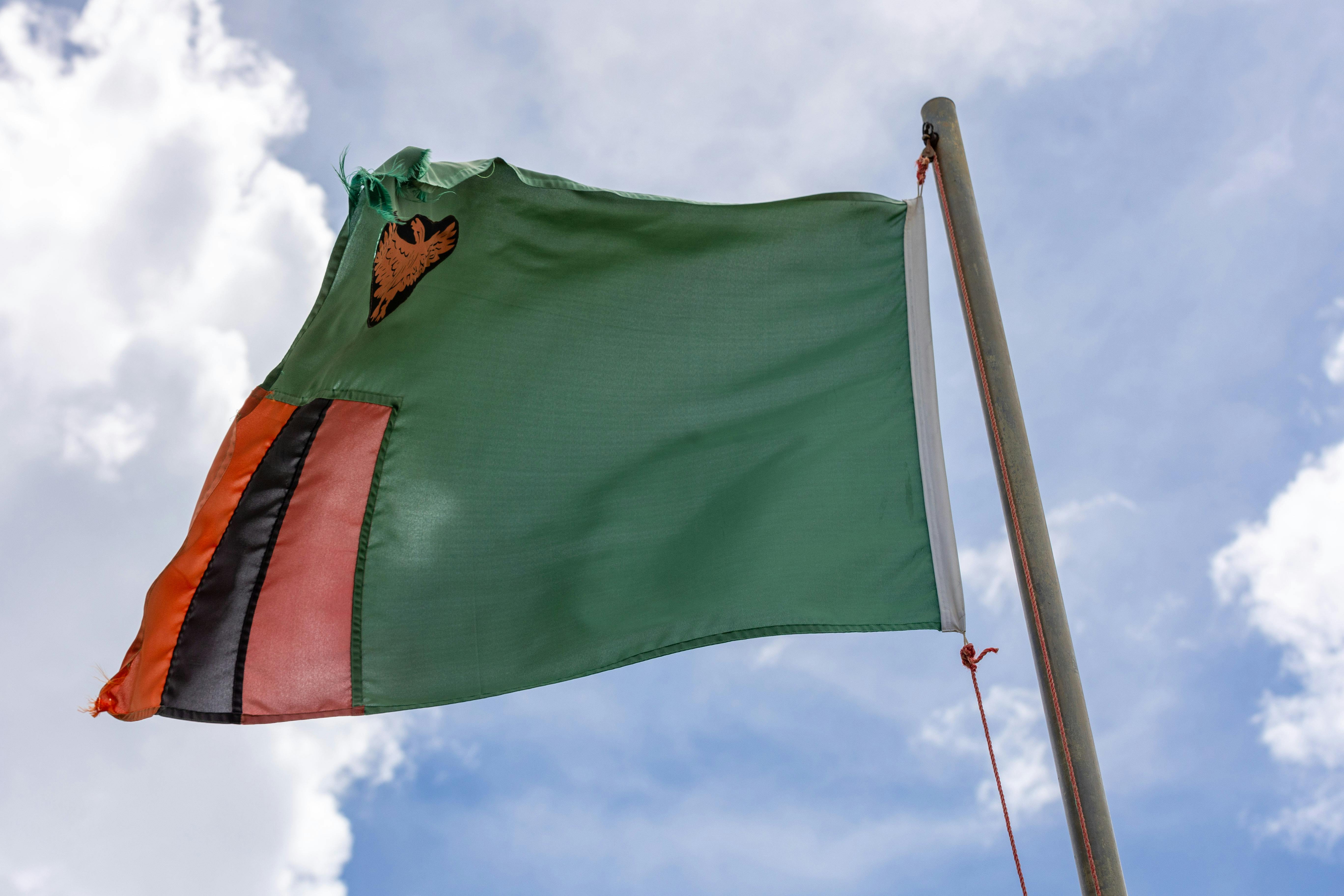
Zimbabwe is another African country with a notably high number of official languages. The 2013 Constitution of Zimbabwe recognizes 16 official languages.
This is including Shona, Ndebele, English, and others such as Chewa, Chibarwe, Kalanga, Koisan, Nambya, Ndau, Shangani, Sotho, Tonga, Tswana, Venda, Xhosa, and Sign Language.
English remains the primary language of government and education, but the recognition of other languages is meant to preserve Zimbabwe’s rich cultural heritage.
Significantly, Zimbabwe is one of the few countries in the world to officially recognize Sign Language as a full official language, reflecting a progressive approach to inclusivity.
As with other multilingual nations, practical implementation of language rights remains uneven, but the legal framework is broad and ambitious.
South Africa, 11 Official Languages
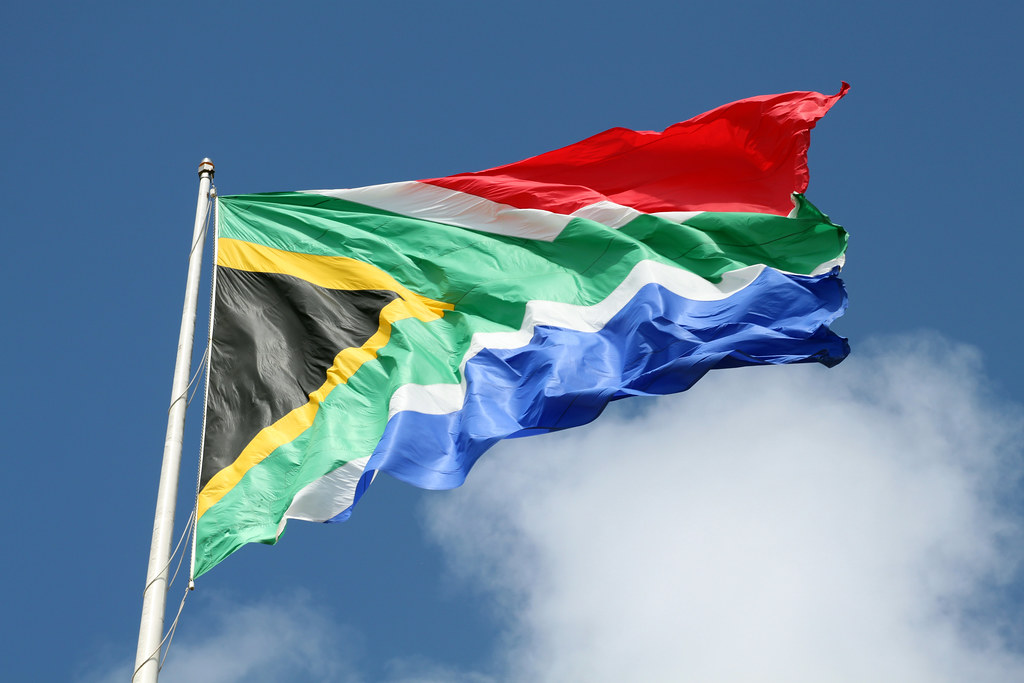
South Africa has 11 official languages, making it one of the most linguistically inclusive countries in Africa. These languages include English, Afrikaans, Zulu, Xhosa, Sesotho, Setswana, Sepedi, Tshivenda, Xitsonga, siSwati, and Ndebele.
This policy was introduced after the end of apartheid in 1994, as a way to unite the country’s diverse population and recognize the cultural importance of all ethnic groups.
English is the dominant language in government, business, and education, but the constitution guarantees equal status for all 11 official languages.
Public institutions are encouraged to use multiple languages where feasible, and there are language policies in place to ensure access to services in a citizen’s preferred language.
While full equality in language use remains a challenge, South Africa’s multilingual framework is a powerful statement of inclusiveness and diversity.
Switzerland, 4 Official Languages

Though not as high in number as others on this list, Switzerland’s language policy is notable for how effectively it manages its four national languages: German, French, Italian, and Romansh.
The country’s multilingualism is rooted in its federal system and respect for regional autonomy. Different cantons use different languages, and federal government documents are routinely produced in all four.
German is the most widely spoken language, followed by French and Italian. Romansh, spoken by a small minority, holds official status at the national level but is only required in federal communications when needed.
Switzerland’s approach to multilingualism is considered a model for peaceful coexistence and equal representation in a diverse society.


