


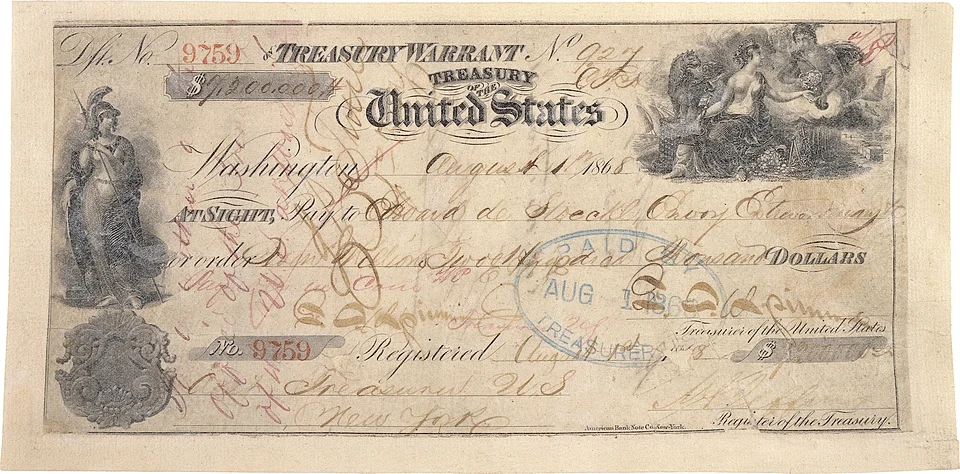
Imagine buying an enormous piece of land — larger than France, Spain, Italy, and the UK combined — for less than the price of a luxury resort in Bali or a penthouse overlooking the Petronas Towers in Kuala Lumpur today. Hard to believe, right? Yet that’s exactly what happened on March 30, 1867, when the United States purchased Alaska from the Russian Empire for only $7.2 million, or about two cents an acre.
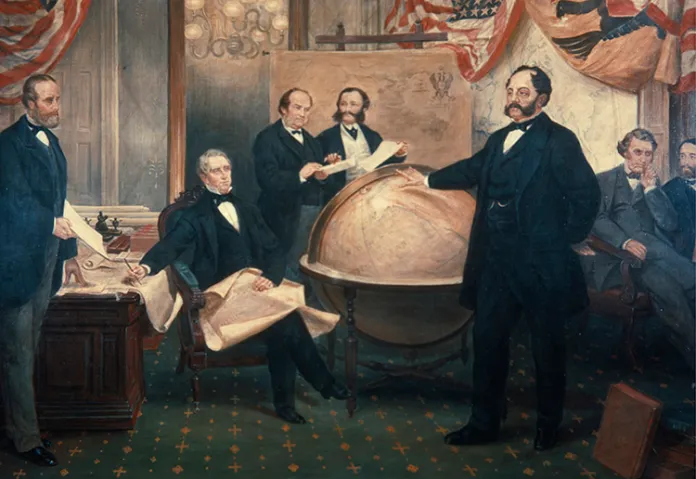
The deal, signed in Washington D.C. and sealed with a check and a handshake, transferred a territory twice the size of Sumatra Island. At the time, many Americans mocked the move, calling it a waste of money on a barren wasteland. But history would flip that narrative. What critics once ridiculed as “Seward’s Folly” would become one of the greatest bargains in modern history.
Why Russia Let Go of Alaska
For Russia, Alaska was a remote and expensive outpost. Known then as Russian America, it sat thousands of kilometers away from Moscow and required costly supply lines across the Pacific. After losing the Crimean War, Russia’s finances were bleeding, and defending Alaska against Britain — which controlled nearby Canada — seemed impossible. Rather than risk losing the land for nothing, Russia decided to sell.
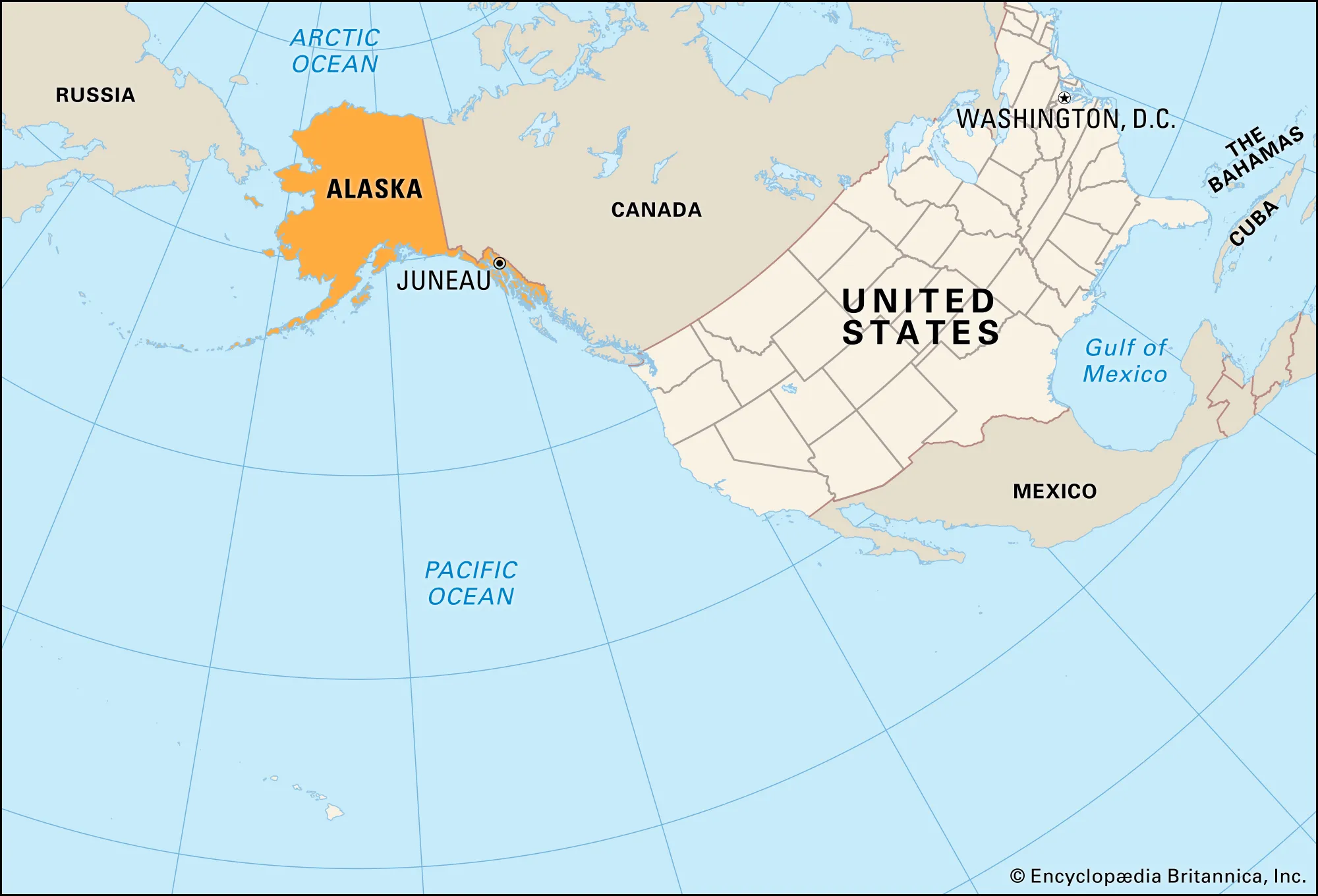
Negotiations were led by Eduard de Stoeckl, Russia’s ambassador in Washington, and William H. Seward, the U.S. Secretary of State. Seward was a firm believer in expanding America’s reach — the 19th-century vision of “Manifest Destiny.” For just $7.2 million, the United States acquired a territory almost five times the size of the entire Indonesian island of Java.
From “Seward’s Icebox” to Strategic Goldmine
When news broke, Americans laughed. Newspapers ridiculed the deal as “Seward’s Icebox” and “Johnson’s Polar Bear Garden,” suggesting that the U.S. had just purchased an endless block of snow and ice. Imagine the skepticism if today a government announced spending millions to buy Antarctica. That was how Alaska was viewed.
But within decades, Alaska revealed its hidden riches. The Klondike Gold Rush of 1896 drew tens of thousands of prospectors, and later discoveries of oil and natural gas cemented its importance. Beyond resources, its geography proved critical: during World War II, Alaska was a defensive stronghold, and during the Cold War, it became the frontline between the U.S. and the Soviet Union — just across the Bering Strait, narrower than the distance between Batam and Singapore.
A $7.2 Million Deal That Changed History
Looking back, the Alaska Purchase stands as one of the smartest land deals in history. For Russia, it was a quick fix for financial and political problems. For the United States, it was a jackpot — a territory rich in resources, natural beauty, and military significance.
Today, Alaska is known for its glaciers, mountains, and wildlife, but also for its vital role in energy and defense. Its landmass alone is staggering: if Alaska were a country, it would be the 18th largest in the world, bigger than Malaysia, Thailand, Vietnam, and the Philippines combined. And all of that was bought for a sum that today might not even cover a prime office building in central Jakarta.
More than 150 years later, the deal reminds us that sometimes the most mocked investments — the ones people laugh at — turn out to be the most brilliant.


