


Every August, the Kuantan River in Kuantan Singingi (Kuansing), Riau, Indonesia, transforms into a sea of people. The cheers of the crowd, the spirit of the rowers, and the beat of traditional music blend into one grand cultural celebration: Pacu Jalur.
This year, the festival—held on 20–24 August 2025—carries the theme "Pacu Jalur Mendunia UMKM Semakin Jaya" or “Pacu Jalur Goes Global, Empowering Local Enterprises” and is once again set to be one of the most spectacular cultural events in Indonesia.
More than just a traditional sporting competition, Pacu Jalur has been recognized as part of the Karisma Event Nusantara (KEN) and even made it into the Top 10 KEN 2024. Today, it is gaining more global attention thanks to social media.
The viral trend of “aura farming”, sparked by the lively dance of a child performer (Anak Tari) standing at the bow of the boat, has made this festival a global sensation, inspiring celebrities worldwide and putting Riau on the international stage.
Behind the vibrant scenes, there are many unique stories that make Pacu Jalur truly special. Here are some fun facts you might not know:
1. From Village River to Global Stage
Pacu Jalur is more than a rowing race, it is a collective celebration that has crossed village, provincial, and now international boundaries.
The competition begins with qualifying rounds held across 15 sub-districts, divided into 4 regions. The winners then advance to higher levels, culminating in the main event on the Kuantan River.
Each year, the competition grows fiercer, with participants not only from Kuansing but also from neighboring provinces and even associations of migrants living in Kuansing.
2. Giant Boats, Symbol of Unity
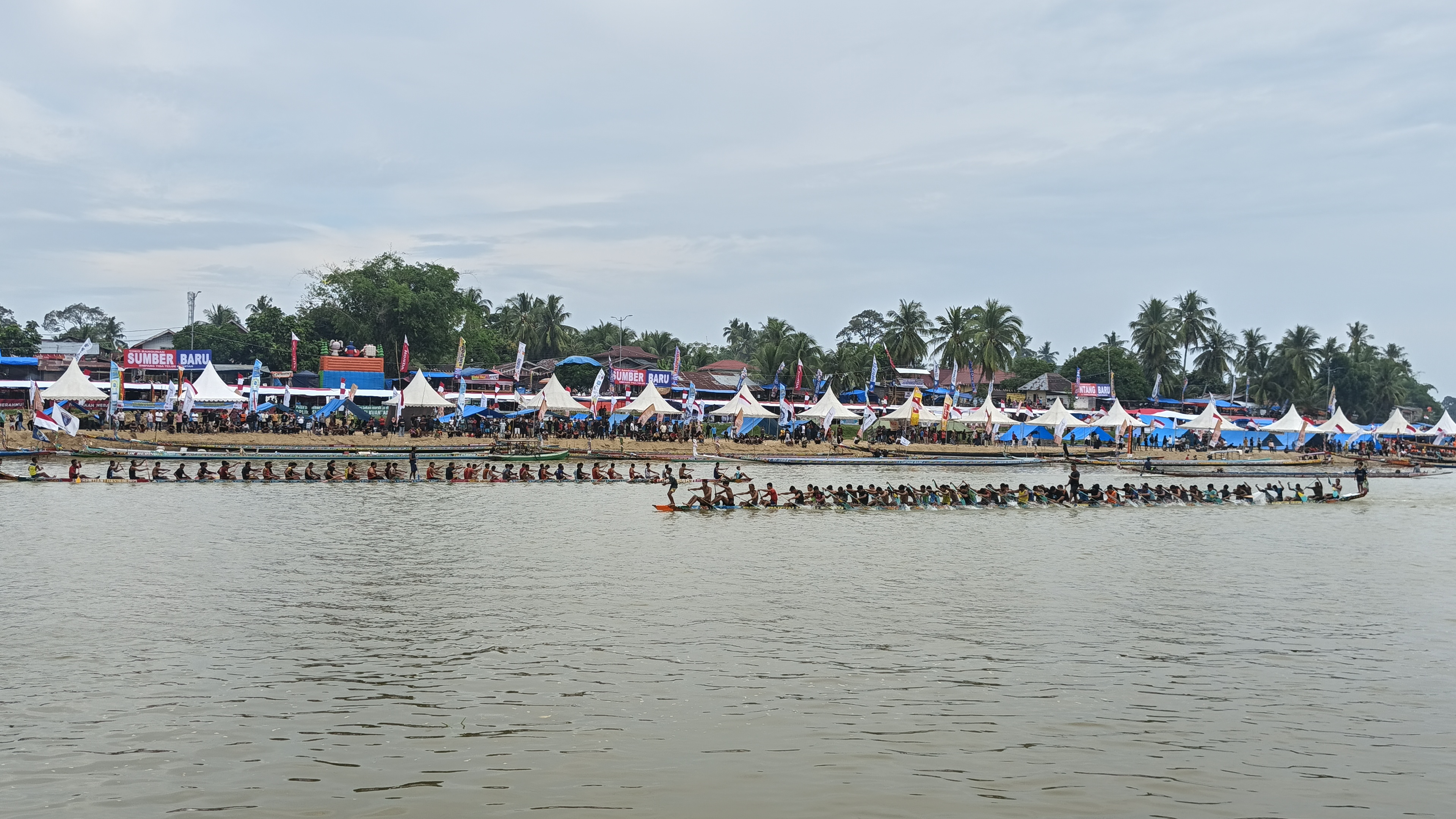
The Pacu Jalur boat is no ordinary vessel. The boat is known simply as a "Jalur", its length can reach 45–60 meters—almost the size of a 20-story building laid on its side.
The race has two categories: the large jalur with up to 75 rowers, and the small jalur with 15 rowers.
But the main attraction is always the large jalur. When dozens of rowers paddle in perfect unison, water splashes high, cheers erupt from the banks, and the spirit of togetherness fills the air, a living harmony between humans and the river.
3. Sacred Wood from Customary Forests
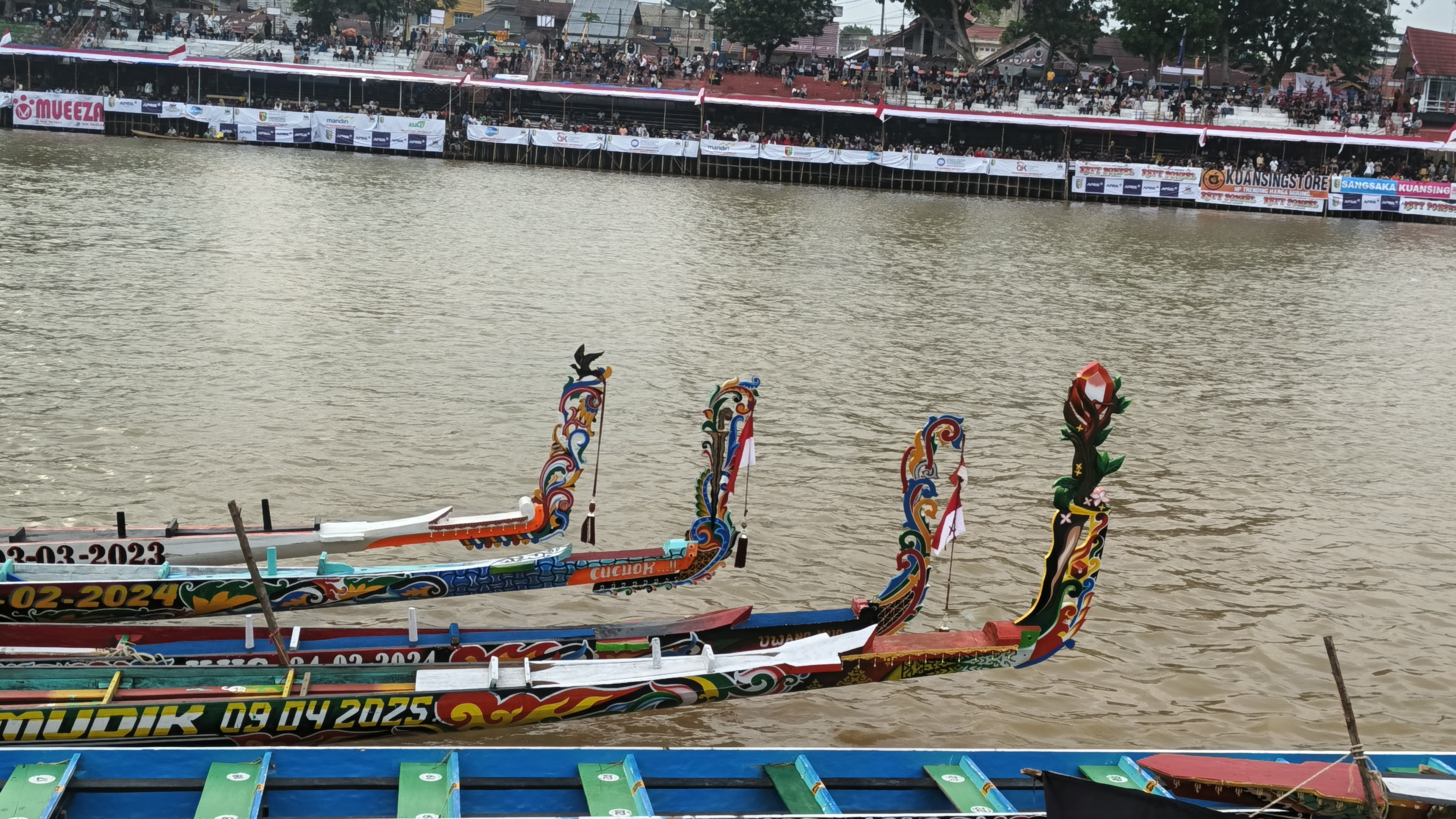
Building a jalur is no simple task. The wood used can only be taken from customary forests, which are strictly protected by local communities.
The reason is clear: finding the right tree is not easy. Each jalur must be carved from a single massive tree trunk—never a combination of several trees. The wood must also meet specific requirements in both length and diameter. This makes every suitable tree a rare and treasured find.
Moreover, customary forests cannot be exploited freely. They may only be used for building jalur, a tradition that reflects both respect for nature and reverence for ancestral heritage.
4. One Jalur for Many Generations
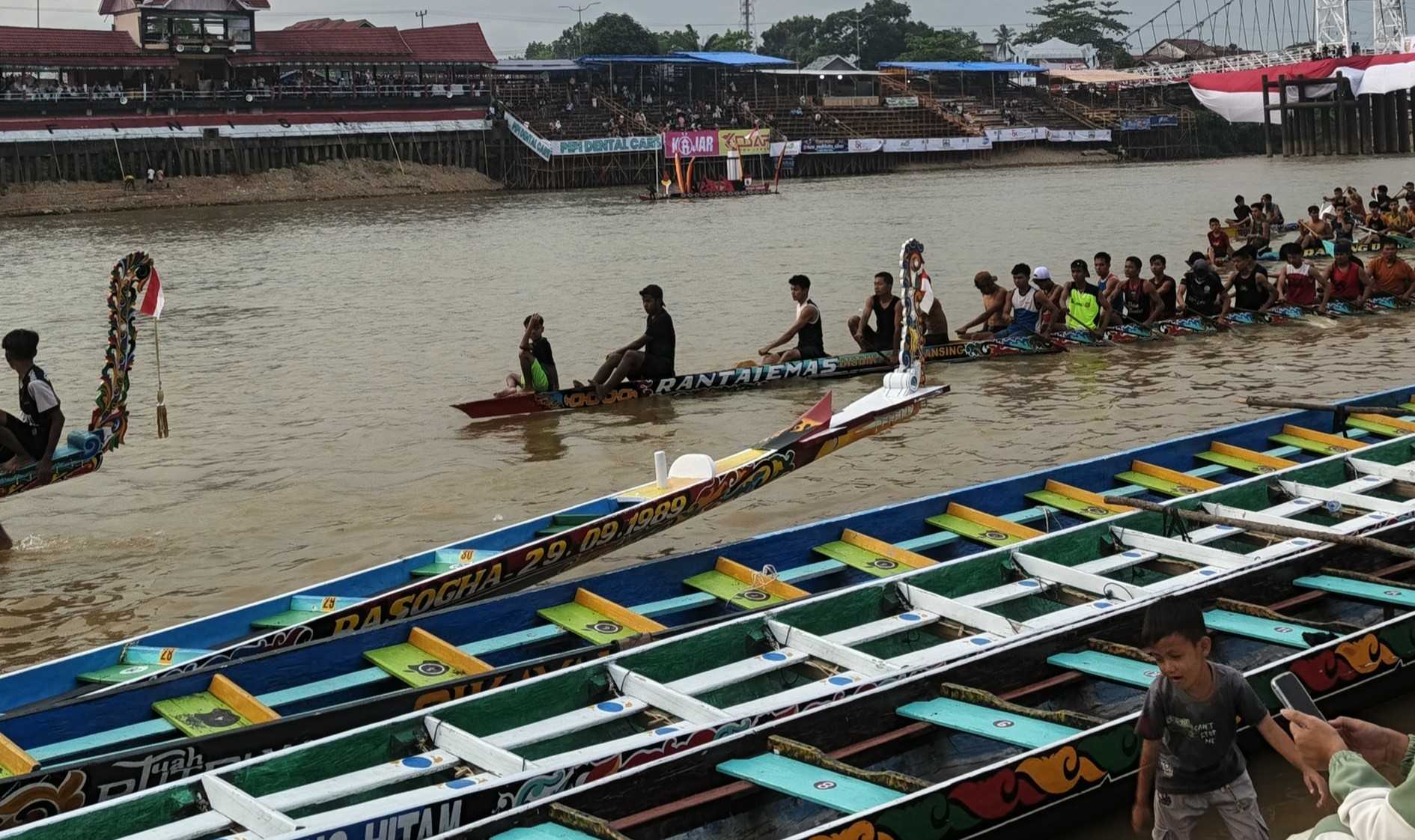
Uniquely, a jalur is not made for one-time use. As long as it remains sturdy, the same boat will continue to be used year after year. In fact, at this year’s Pacu Jalur, you can still find a boat built in 1989 gracefully gliding on the Kuantan River.
Each jalur carries with it the stories of generations—standing as a witness to the journey of its village, the enduring spirit of unity, and the pride passed down from seasoned rowers to the younger ones who take their place.
5. Special Houses for the Jalur
Yes, you read that right—every village has a special house built to store its jalur. This is no ordinary building; it is designed to keep the massive boat in good condition and protected from the elements.
More than that, the jalur house is a symbol of pride. It is where villagers care for the vessel that unites them, a reminder that each jalur is not just a boat, but a shared identity.
6. Magical Rituals Before the Race
Before taking to the river, each jalur must undergo traditional rituals. A local shaman or elder is believed to be able to “read” the fate of the boat—its opponents, and even how the race might unfold.
For the rowers, this ritual serves as a prayer for safety. For the community, it is a spiritual bond linking humans, the river, and their ancestors.
7. Zero Sponsor Logos
Unlike most large events covered with sponsor banners, Pacu Jalur is different. There is a strict rule: no logos, no advertisements, and certainly nothing that blocks the view on the boats.
Why? Because the true spirit of Pacu Jalur lies in "gotong royong", or communal cooperation. Almost all costs and preparations are shouldered by the people themselves, not by commercial sponsors.
8. Unusual Prizes
Winning Pacu Jalur does come with cash rewards, but what makes it truly memorable are the other prizes prepared by the organizers: livestock, farming tools, even aid packages for the village.
These may sound simple, but they are far more useful in daily life. They reflect the festival’s philosophy: born from the people, and given back to the people.
9. Anak Tari: The Little Spirit of the Race
On every jalur, there is always one figure who steals the spotlight: the anak tari. Standing proudly at the bow, this child performer moves rhythmically, giving signals that ignite the rowers’ spirit.
Not just anyone can become an anak tari. The child is chosen through community deliberation, and must be brave, able to swim, and possess a natural sense of artistry. Typically, elementary school children are selected because their light bodies don’t slow down the boat.
The anak tari is also the one who went viral recently for what netizens call “aura farming.” Their energetic movements inspire not only the rowers but also the spectators—and even viewers around the world online.


