


Metro Manila, home to nearly 14 million people today, is racing against time. By 2030, its population could exceed 15 million, straining infrastructure already ranked among the most congested on the planet. In a region where Singapore markets itself as a “global city,” Bangkok is modernizing its mass transit, and Ho Chi Minh City is attracting record investment, the Philippine capital faces a daunting question: can it catch up?
The government’s answer lies in an unprecedented wave of megaprojects — from a $10-billion subway to a $50-billion reclaimed smart city. Together, these investments aim to transform Manila from a byword for gridlock and floods into a competitive, sustainable metropolis.
But whether Manila can pull it off remains an open question.
A City of History and Contradictions
Manila is no stranger to reinvention. Founded in 1571 as a Spanish colonial stronghold, it has endured centuries of upheaval — from wars and colonization to rapid globalization. The legacy is visible in the cobblestone streets of Intramuros, in Rizal Park’s political symbolism, and in the culinary mash-up of Spanish adobo, Chinese pancit, and American-style fast food.
This cultural richness gives Manila an identity few cities can match. Yet for many residents, daily life is defined less by heritage than by survival in a city struggling with inequality, congestion, and environmental risk. It is this contradiction — rich history, hard realities — that Manila’s planners must reconcile as they promise a world-class future.
Economic Growth Meets Infrastructure Bottlenecks
The Philippines has been one of Asia’s fastest-growing economies, with GDP rising 5.5% in Q2 2025, outpacing several ASEAN peers. The services sector, especially the $30-billion business process outsourcing (BPO) industry, has been a major growth engine.
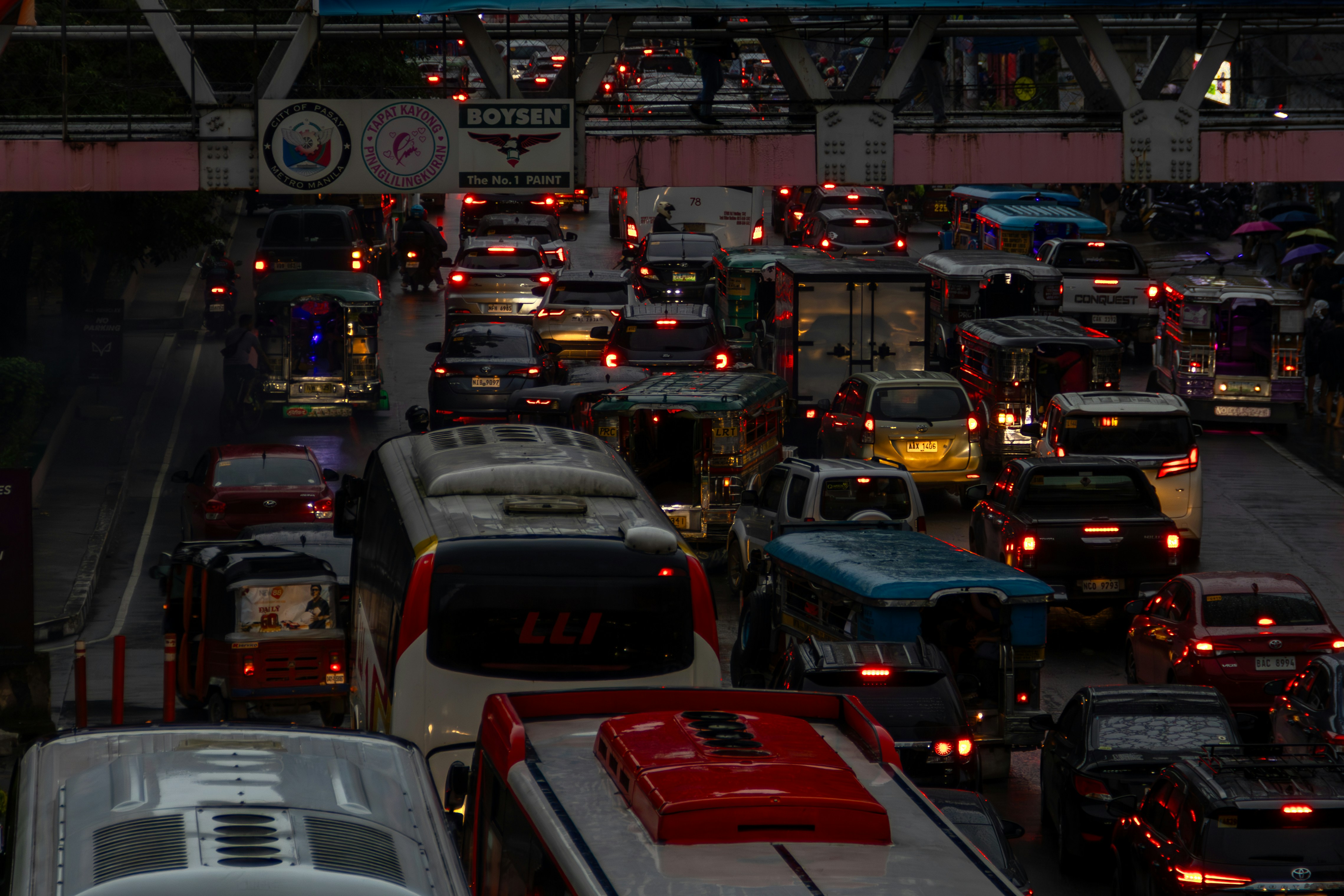
But infrastructure lags remain a drag. Manila regularly tops traffic congestion indexes, with commuters losing an estimated 240 hours a year in gridlock. “The growth story is real, but it risks being undermined by infrastructure gaps,” said an Asian Development Bank economist. “If Manila cannot fix these bottlenecks, investors will look elsewhere — to Bangkok, to Jakarta, or even to Ho Chi Minh City.”
The Megaproject Push
Several flagship projects symbolize Manila’s reinvention bid:
- Metro Manila Subway ($10B, completion by 2029): A 36-kilometer underground rail expected to carry nearly 400,000 passengers daily.
- Skyway Stage 3 & MRT-7: New expressways and mass transit corridors to ease north–south travel across the capital.
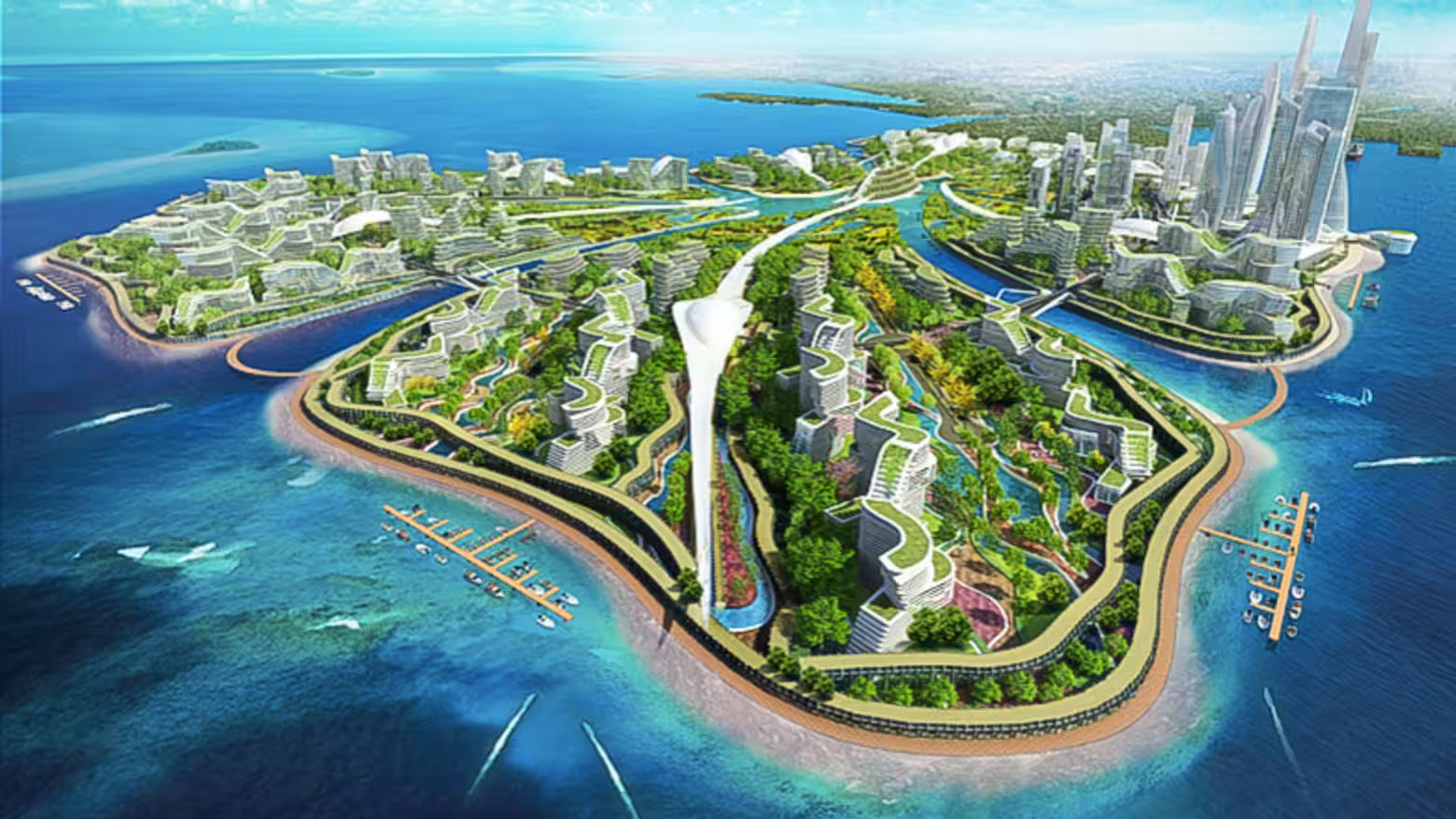
- City of Pearl ($50B): A 407-hectare reclamation project promising futuristic residences, green boulevards, and tech-driven industries — but facing sharp criticism from environmental groups.
- Smart City & E-Governance Programs: Digital platforms and sensors to modernize governance, improve traffic management, and attract tech firms.
If delivered as promised, these initiatives could radically change Manila’s competitiveness in Southeast Asia.
Sustainability and Climate Risks
Yet megaprojects alone won’t guarantee success. Manila is ranked among the world’s most climate-vulnerable cities. Rising sea levels threaten billions of dollars in assets. Typhoons and floods regularly paralyze the capital. Informal settlements, where millions live without secure housing, are especially at risk.
To mitigate this, officials are promoting transit-oriented development, expanding green infrastructure like flood-absorbing parks, and upgrading wastewater treatment. Programs such as UN-Habitat’s Achieving Sustainable Urban Development (ASUD) are helping local governments design resilience strategies.
But implementation is uneven, and funding remains uncertain.
Catching Up With Asia’s Hubs
Compared with its peers, Manila is still playing catch-up. Singapore leads on sustainability and global competitiveness. Kuala Lumpur boasts efficient infrastructure and real estate development. Bangkok has steadily expanded its metro system. Ho Chi Minh City, once behind, is rapidly modernizing with strong foreign investment inflows.
For Manila, the advantage lies in demographics: a young, growing workforce and rising consumer demand. If its infrastructure drive succeeds, the city could reposition itself as a hub for services, technology, and logistics in ASEAN. If not, it risks being left behind.
The Road Ahead
Manila’s urban transformation is not just about building subways or skyscrapers. It’s about redefining a city that has too often been seen as chaotic and ungovernable.
“The opportunity is historic,” said Sheila Navarro, an urban planner. “But unless reforms reach the people in informal communities as much as the business districts, the transformation will be incomplete.”
The Philippines is betting big that Manila can reinvent itself. The world is watching to see if it will finally catch up — or fall further behind.


