

Imagine a creature just a few millimeters long, yet able to survive in some of the harshest environments imaginable, meet the tardigrade, also known as the “water bear.”
Despite their minuscule size and near-invisibility to the naked eye, tardigrades can withstand freezing cold, scorching heat, crushing pressures of the ocean depths, and even the vacuum of outer space.
Their extraordinary survival abilities make them one of the most fascinating subjects of scientific research today.
Tardigrades: Tiny Furry Marvels
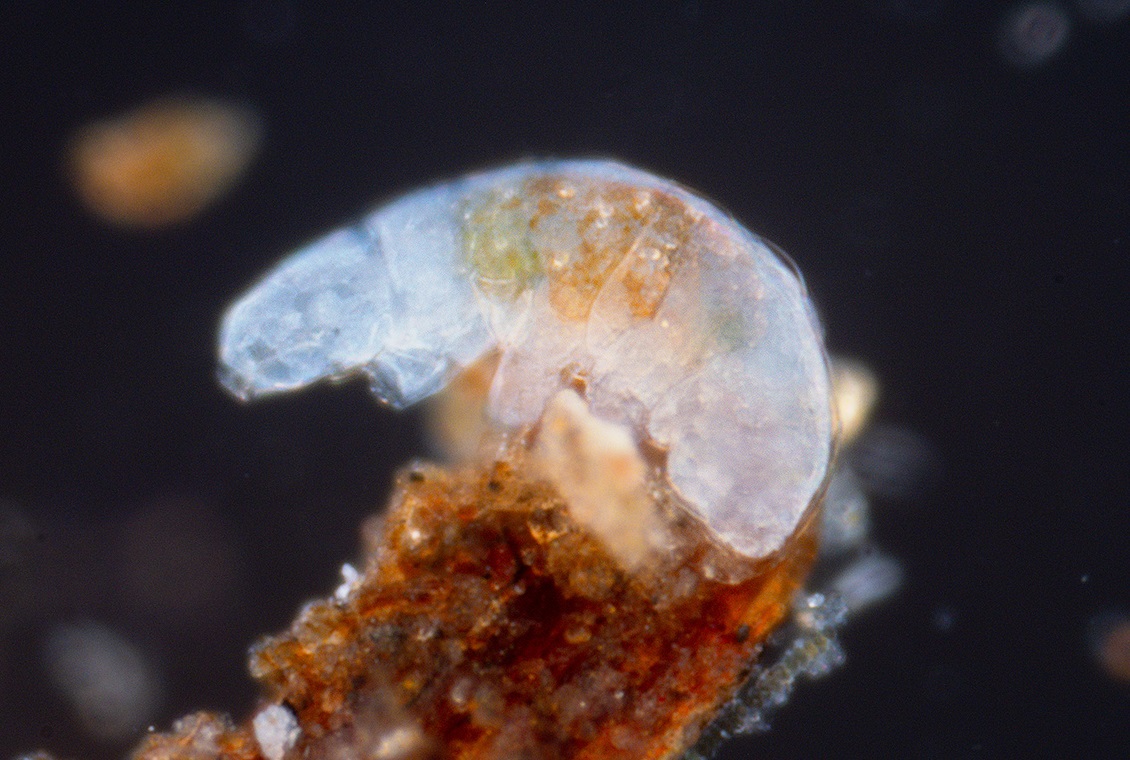
Tardigrades are eight-legged microscopic animals with plump, rounded bodies, giving them the appearance of miniature bears. Though small, measuring only a few millimeters, they possess remarkable adaptability.
Scientists have identified over 1,300 tardigrade species worldwide, demonstrating their ecological diversity and ability to thrive in a wide range of habitats.
While technically aquatic organisms that require a thin layer of water to prevent dehydration, tardigrades can inhabit very different environments. They are found in forest mosses, lichen on rocks, the deep sea, and even hot springs. Their frequent presence in freshwater moss has earned them the nickname “moss piglets.”
Habitat and Extraordinary Survival Skills
According to National Geographic, tardigrades owe much of their resilience to a unique protein called Dsup (damage suppressor). This protein acts as a shield for their DNA, protecting it from harmful environmental radiation found in soil, water, and plant matter.
Beyond this biological protection, tardigrades can endure extreme temperatures, from near-freezing to near-boiling. They withstand pressures six times greater than those at the deepest ocean trenches.
Most astonishingly, tardigrades have survived exposure to space, enduring vacuum, high radiation, and oxygen deprivation, highlighting their status as one of Earth’s most adaptable and tenacious organisms.
Tardigrades and Humans: Are They Dangerous?
Despite their extreme survival capabilities, tardigrades pose no threat to humans. Their tiny size makes them harmless, and they do not transmit diseases.
On the contrary, their extreme adaptations make them a valuable model organism for scientific study.
Tardigrades are also passive creatures. They do not exhibit aggressive behavior and focus solely on surviving within their microscopic habitats. This makes them safe to observe while offering invaluable lessons on survival strategies under extreme conditions.
Scientific Value of Tardigrades
The study of tardigrades provides significant insights for science. Research on the Dsup protein helps scientists understand how DNA can be protected from radiation damage, with potential applications in biotechnology, medicine, and space exploration.
Additionally, tardigrades’ ability to enter cryptobiosis, a state similar to extreme hibernation, opens opportunities for research into biological preservation and technologies that support survival in harsh environments.
In essence, tardigrades are not only remarkable for their resilience but also serve as a source of practical scientific inspiration.
Fascinating Fact: Surviving in Space
Tardigrades have gained international attention for their ability to survive in outer space. NASA experiments demonstrated that they could withstand high radiation, lack of oxygen, and extreme temperatures without losing viability.
This achievement proves that tardigrades are not just ordinary terrestrial organisms, they possess extraordinary biological adaptations, even beyond Earth.
Lessons from a Microscopic Survivor
Tardigrades demonstrate that small size does not limit resilience. These microscopic animals symbolize toughness, flexibility, and remarkable adaptability, from moss on Earth to the vacuum of space.
They offer valuable lessons in endurance, adaptation, and perseverance, relevant to facing everyday challenges.
If you’re curious and want to explore the microscopic world, consider observing tardigrades under a microscope or studying them through research papers. Who knows? Inspiration from these tiny super survivors might encourage us to face life’s challenges with greater resilience.