

When people hear the words fried spider, the first reaction is often horror or disbelief. Yet in Cambodia, these eight-legged creatures are not just edible, they are a beloved snack.
Known locally as a-ping, fried tarantulas have become one of the most iconic examples of Cambodian street food, attracting both curious tourists and locals who grew up eating them.
What’s A-Ping?
In Cambodia, the term a-ping refers to fried spiders that have become one of the country’s most talked-about street foods. But what exactly are they?
Locals know them simply as large, ground-dwelling spiders, while scientists point to a more complex picture. Some sources identify them as Haplopelma longipes or Haplopelma albostriatum, both members of the tarantula family.
According to arachnologist Norman I. Platnick, at least 11 species of Haplopelma can be found across Southeast Asia, with several—including H. albostriatum, H. lividum, and H. minax—living in Cambodia and its neighboring countries. Experts caution that the spiders sold in markets may not belong to a single species and could even include as-yet-undescribed varieties.
On the streets, however, scientific classification takes a back seat to culinary tradition. Vendors typically fry the spiders in hot oil with garlic, sugar, salt, and MSG until their legs stiffen and their bodies crisp up. The result is a crunchy, aromatic snack, often served with herbs, rice, or noodles.
What Does Fried Spider Taste Like?
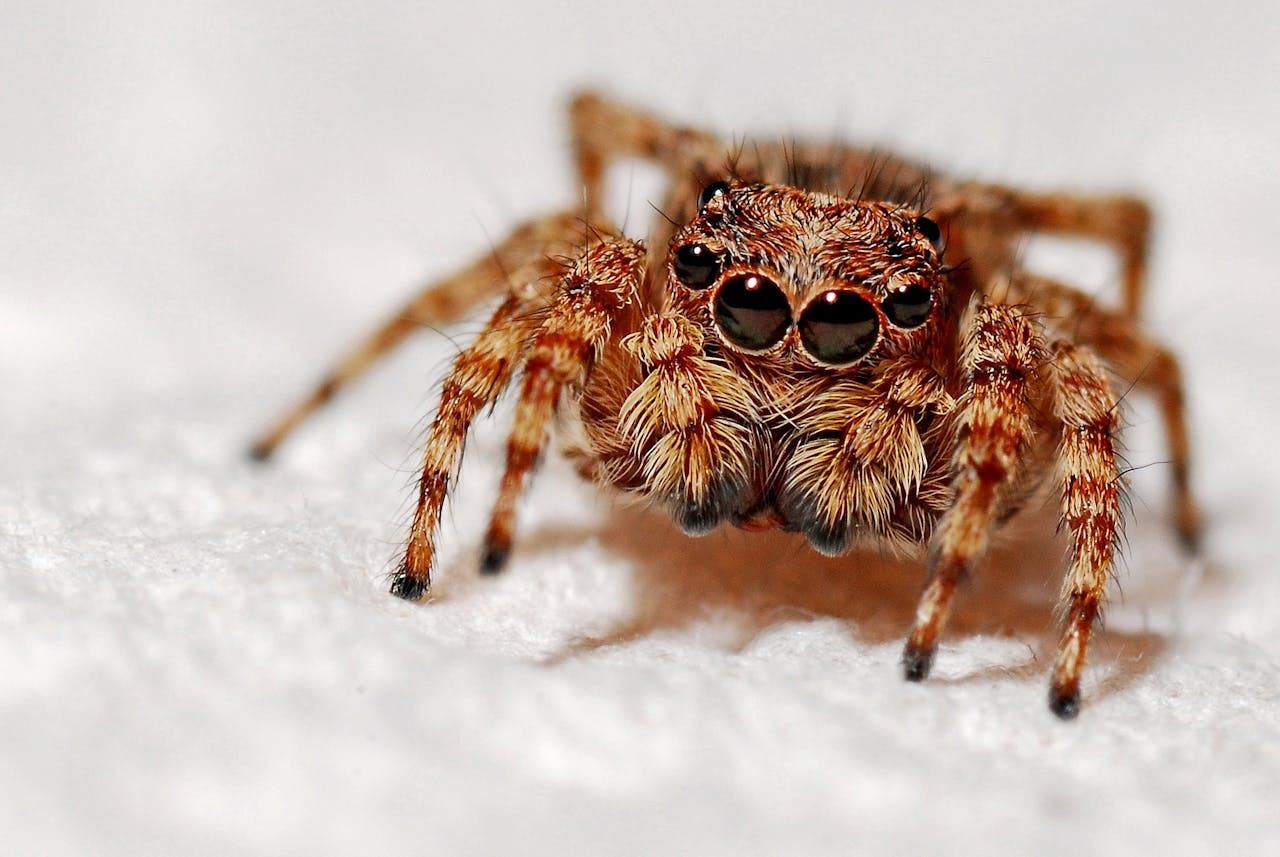
While opinions on tarantula flavor vary, locals often describe it as somewhere between chicken and cod. Echoing that, ABC News highlights the legs as the standout feature, crispy like potato chips or tempura.
The body, in contrast, is softer and tends to absorb the spices used during frying, offering a more aromatic bite. The abdomen, however, is a divisive element. It contains the spider’s internal organs and bodily fluids, which can taste slightly bitter and are not for everyone.
Some adventurous eaters claim the eggs inside are surprisingly flavorful. Still, most tourists play it safe and stick to the legs.
Why Do Cambodians Eat Fried Spiders?
In Cambodia, eating tarantulas isn’t just a unique habit. It’s part of a long history of survival and strength.
After gaining independence from France in 1953, hopes ran high for a brighter future in Cambodia. But as Food & Wine recounts, the years that followed were marked by deep unrest and hardship. The country was drawn into a long and painful chapter of political turmoil.
By the mid-1970s, under the brutal Khmer Rouge regime, life became a daily struggle for survival. Families were torn apart, forced into labor camps, and left starving as food supplies vanished.
In desperation, people turned to the forests, searching for anything that could keep them alive. Lizards, geckos, insects—and even tarantulas—became vital sources of protein in a time when there was little else.
No one knows exactly who first realized that tarantulas, known locally as a-ping, were safe to eat. But these spiders were easy to catch, rich in protein and nutrients like zinc, and simple to cook. Over time, they became a regular part of the Cambodian diet.
By the 1990s, fried tarantulas were being sold by roadside vendors. They were no longer just emergency food but had become a popular street snack.
Today, fried tarantulas are a well-known part of Cambodian cuisine. In Skuon, a small town about 50 miles north of Phnom Penh, vendors sell crispy spiders for just a few cents per plate.
TasteAtlas reports that the town is now known as “Spider Town,” drawing visitors who are intrigued by a dish that’s both surprising and historically meaningful
Is Fried Tarantula Safe?
Many people understandably wonder whether eating tarantulas is dangerous. While tarantulas do have venom, their toxins are not harmful to humans. A bite might feel like a painful wasp sting, but once the spider is cooked, the venom becomes harmless.
Surprisingly, tarantulas offer nutritional benefits. Research from the University of Copenhagen shows that a-ping contains high amounts of protein, folic acid, and zinc. These nutrients can help improve children's health and reduce malnutrition when added to everyday meals.
According to the journal "The sale of tarantulas in Cambodia for food or medicine: is it sustainable?" by Alan L. Yen and Sophoanrith Ro, tarantulas have long been used in Cambodia for their perceived medicinal value as well as their nutritional benefits.
Some believe that spiders can relieve back pain, improve breathing, and even spark romantic desire. In certain traditions, rice wine infused with male spiders is thought to cure asthma and other ailments.
It’s also said that women who eat tarantulas will appear more beautiful, while men who consume them are believed to gain strength and extraordinary energy.
That belief helped a-ping grow from survival food into a favorite street food amongs Cambodians. Today, fried tarantulas are more than just food. They embody resilience, culture, and the distinct flavors of Cambodia.
Sources:
https://www.abc.net.au/news/2019-07-27/tarantula-trade-in-cambodia-faces-uncertain-future/11248328
https://www.tasteatlas.com/fried-spider
https://www.researchgate.net/publication/275425942_The_sale_of_tarantulas_in_Cambodia_for_food_or_medicine_is_it_sustainable
https://www.foodandwine.com/news/how-eating-fried-tarantulas-saved-lives
This article was created by Seasians in accordance with the writing rules on Seasia. The content of this article is entirely the responsibility of the author.



