


I still remember vividly the moment Whoosh (Indonesia’s High-Speed Rail) officially began operations in October 2023, Southeast Asia’s very first high-speed rail. It felt like leaping into a new chapter of Indonesia’s transportation history.
Until then, the phrase “high-speed rail” was synonymous with Japan, China, or Europe. Suddenly, Indonesia was on that list. The Jakarta–Bandung trip, which used to take up to three hours, could now be completed in just 45 minutes.
For me, it was more than just steel tracks and sleek train cars. It was a symbol of ambition, proof that we wanted to play in the big leagues.
But once the initial pride faded, a nagging question emerged: what is the price of such ambition, and can we truly afford it?
Mounting Costs
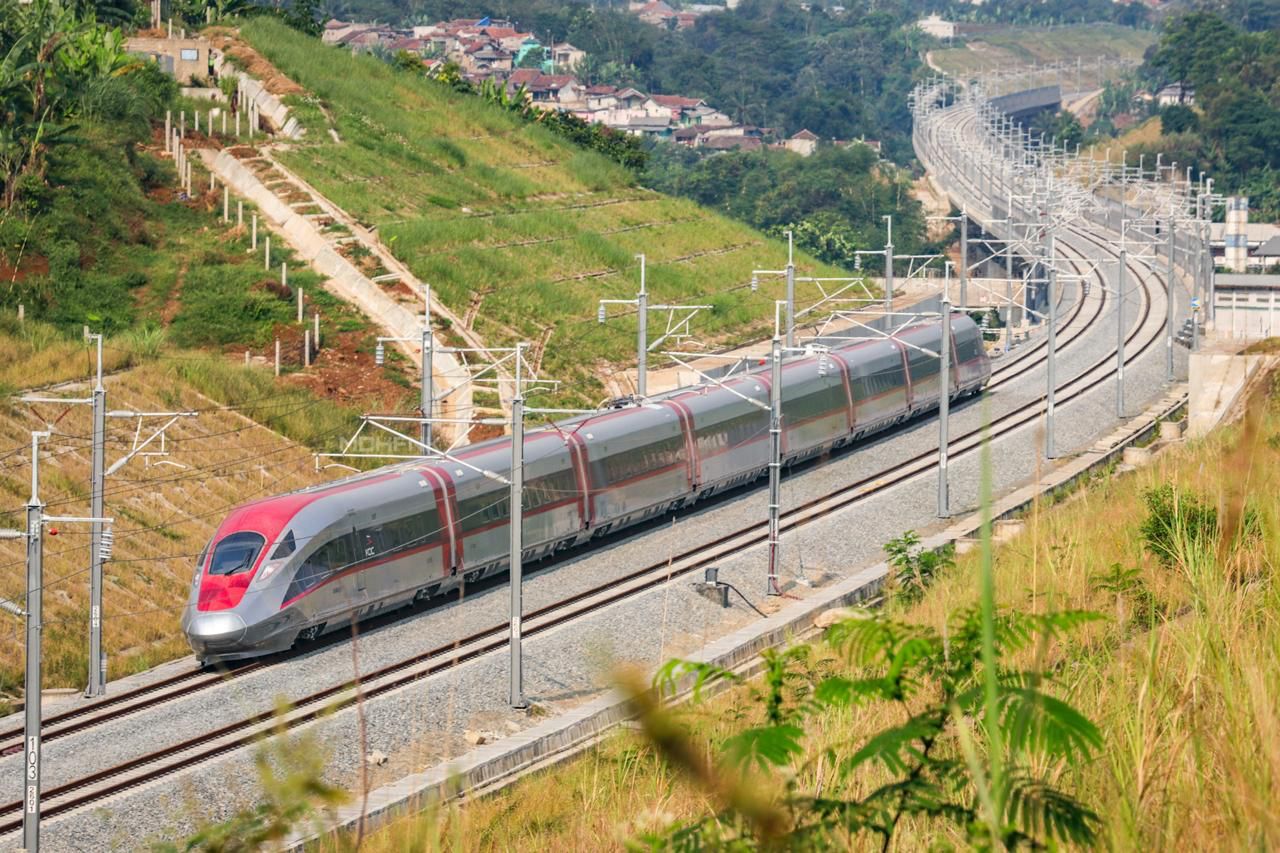
Whoosh came with an enormous price tag. From the initial estimate of around US$6–7 billion, the project’s cost ballooned with a US$1.2 billion cost overrun, roughly IDR 18 trillion.
By mid-2025, KCIC’s (Indonesia’s High-Speed Rail) losses had reached IDR 1.6 trillion (US$102 million), with the Indonesian state-owned railway operator (PT KAI) bearing nearly IDR 951 billion (US$61 million) of that amount. The previous year, the state-owned consortium’s losses were even higher, IDR 4.2 trillion (US$268 million).
These figures leave many wondering: are we writing a success story, or digging a long-term fiscal hole?
Drama Behind the Tracks
It’s hard to believe that such an advanced train could be disrupted by something as simple as a kite stuck on a power line. But in reality, incidents like this once caused up to 50 service disruptions in a single month.
There have also been power outages, as well as a more familiar problem: poorly synchronized feeder transport. Even if the train arrives on time, passengers often struggle at the start or end of their journey because feeder services are not fully operational, intercity connections remain inadequate, and supporting infrastructure is less than optimal.
The Data Tells a Different Story
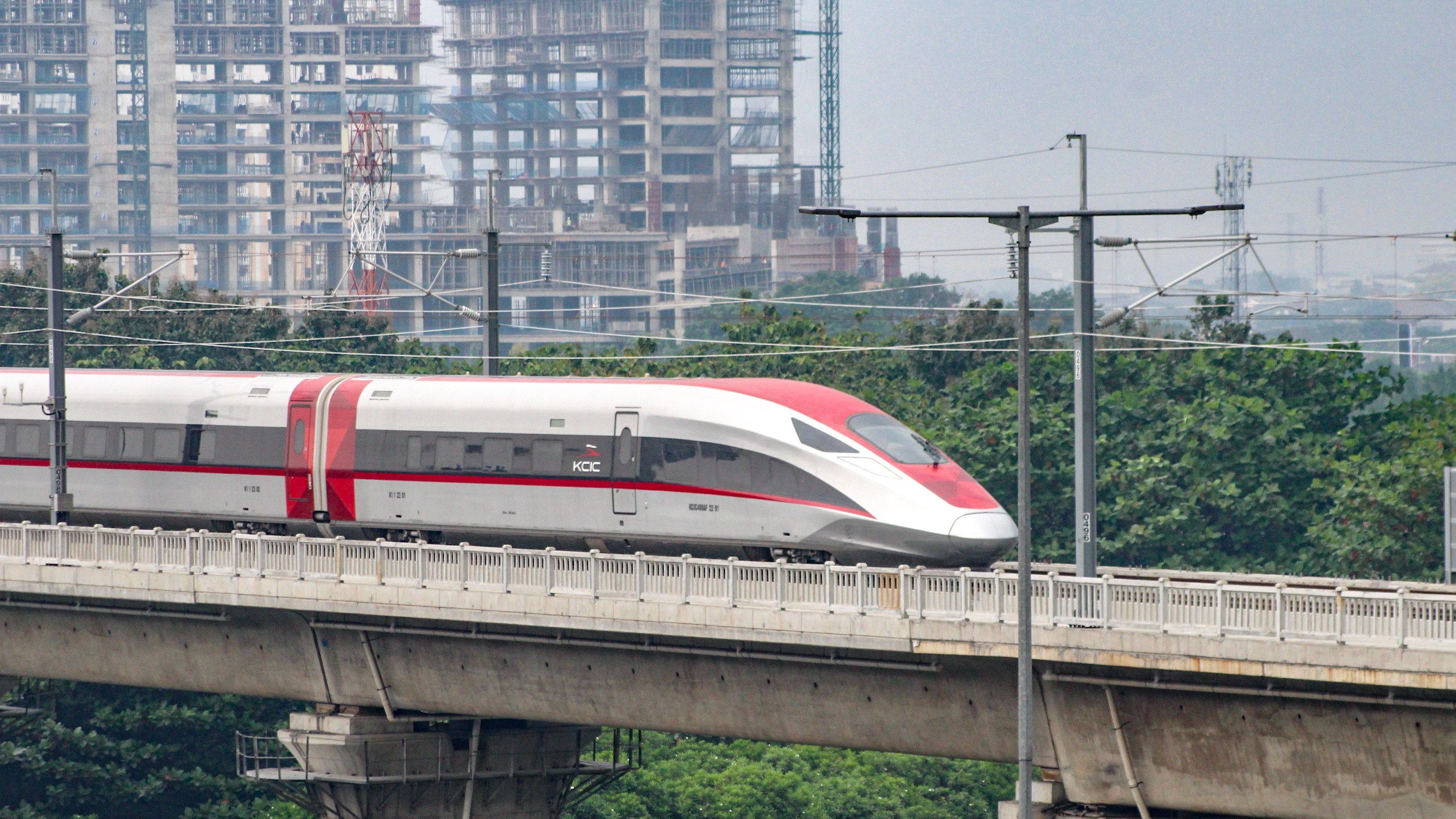
However, calling Whoosh a “white elephant” would be premature. The data paints a different picture.
As of April 2025, Whoosh had transported over 9 million passengers, averaging 16,000–23,000 per day, with a record peak of 24,000 in a single day. The number of daily trips has surged from 14 in 2023 to 62 by early 2025.
Its impact is also tangible: Bandung’s tourism industry is seeing a boost, land values in Tegalluar and Karawang have risen, and new hotels and real estate developments are emerging. There is also an intangible legacy, the transfer of technology and experience to local workers, which could prove vital for the success of future infrastructure projects.
Learning from Japan and China
Looking abroad, Indonesia is not alone in facing this dilemma. Japan faced heavy criticism when it launched the Shinkansen in 1964, which cost around ¥380 billion (roughly ¥1.8 trillion in today’s value, about US$11.8 billion).

Even though the Tōkaidō line became an instant hit, Japan National Railways still ran deficits, accumulating debt of ¥25–37 trillion (US$165–245 billion) before it was eventually privatized in 1987. It took nearly 30 years for the system to become financially sound. Today, the Tōkaidō line is one of the busiest in the world, carrying over 420,000 passengers per day.
China’s story has striking parallels, especially with the Beijing–Shanghai High-Speed Railway. The 1,318 km line was completed in 2011 at a cost of about 208.8 billion yuan (US$28.7 billion).
Initially seen as a financial burden, it turned profitable in just three years. By 2014, it posted a net profit of roughly 1.2 billion yuan (US$165 million) from around 100 million passengers, much faster than expected. In 2015, net profit surged to about 6.58 billion yuan (US$905 million) from gross revenue of more than 23 billion yuan (US$3.1 billion), with annual ridership reaching around 130 million passengers.
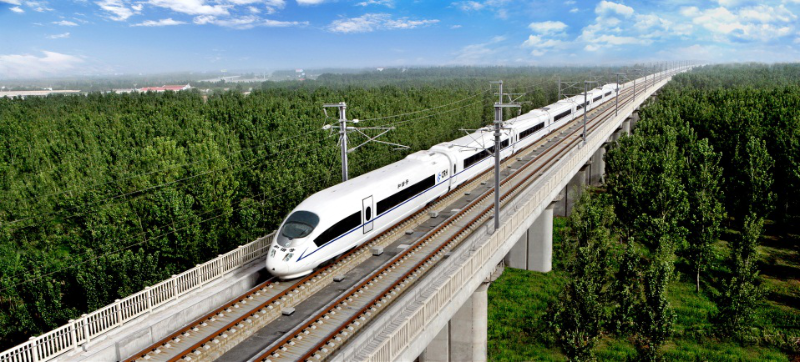
However, it’s important to note that not all of China’s high-speed rail lines are profitable. Many routes in the country’s central and western regions still lose money due to lower population density, weaker demand, and investment and operational costs that outweigh revenues. The Beijing–Shanghai line works because of several key factors: a highly strategic route connecting densely populated megacities, relatively efficient management, and a massive user base.
The lesson here is clear: high-speed rail needs time to 'mature'. Initial losses are not the end of the story, but rather part of a long-term investment. The question is whether Indonesia is patient enough and willing to implement the necessary reforms to follow this path.
Three Major Homework Assignments
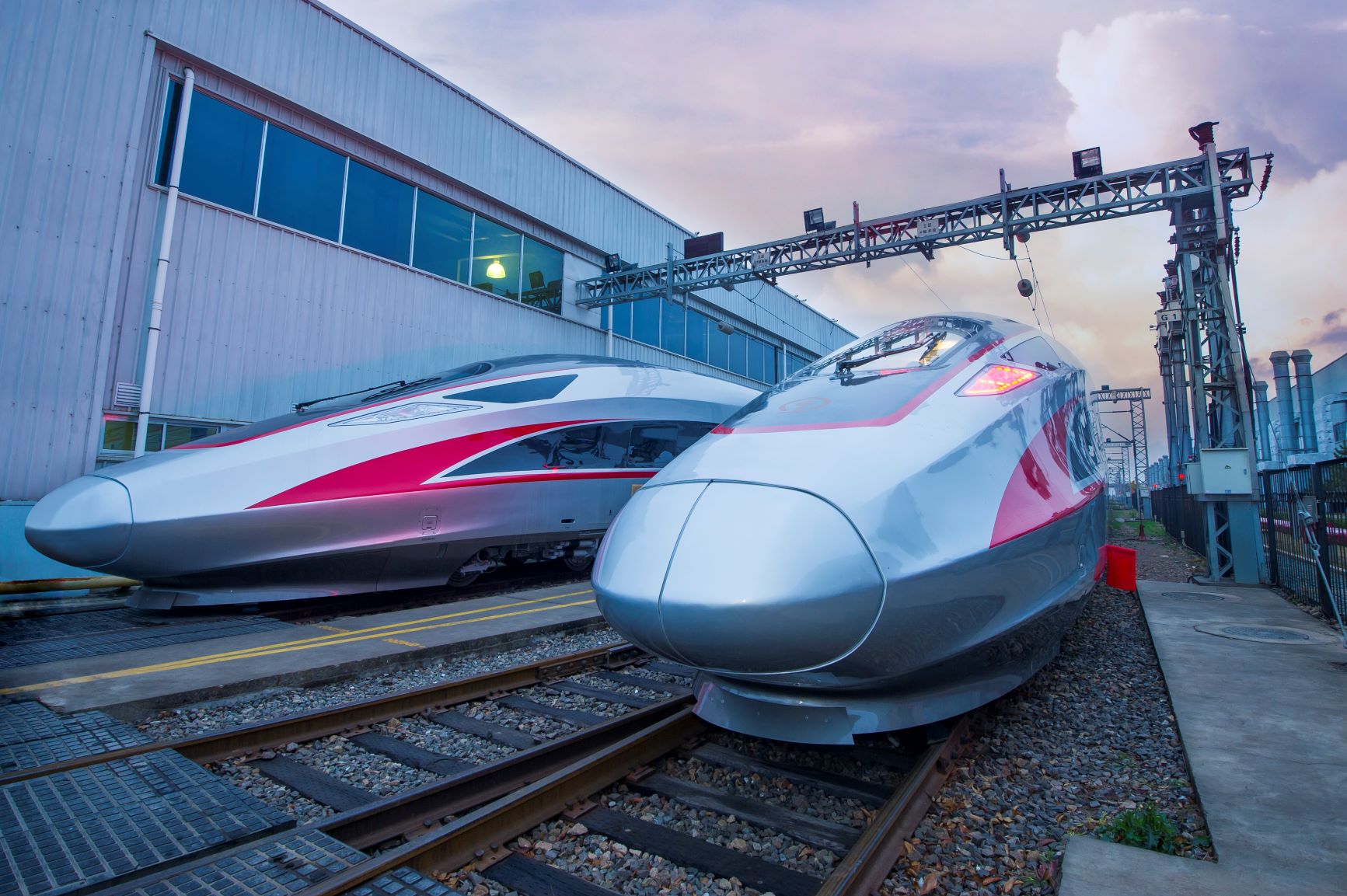
To answer that question, there are at least three critical tasks that cannot be postponed.
1. Financial Restructuring
The mounting losses are not just abstract numbers in an accounting report. In the end, taxpayers may be the ones who have to foot the bill, either through higher taxes or state subsidies.
This burden must be distributed clearly, between the government, state-owned enterprises, and foreign partners. Each stakeholder’s share must be defined.
2. Transport Integration
A 45-minute trip from Jakarta to Bandung means little if passengers are left stranded at the station trying to figure out how to reach their final destination. I have personally experienced the hassle of finding last-mile transport, and to be honest, that experience dulls the “wow” factor that Whoosh promises.
3. Flexible Pricing Models
If tickets are too expensive, people will be discouraged from riding. If they are too cheap, the project risks becoming a permanent burden on the state. A middle ground must be found (and that is no easy task).
Without creative pricing, Whoosh risks becoming a train for the privileged few. Picture a more diverse pricing system offering discounts to students, alumni associations and daily commuters, as well as integrated tickets with commuter rail (KRL) and TransJakarta. Such schemes would make the service more affordable and ensure that seats are filled every day.
In the end, Whoosh is not just about speed, it’s about whether we have the courage to nurture our ambition. If we can solve these pressing issues, this high-speed rail has the potential to truly belong to everyone, not just as a symbol of prestige.


