

Malaysia is home to some of the world’s most unique geological natural treasures, cemented by the recognition of UNESCO Global Geopark in Malaysia. These geoparks strengthen local communities and culture through sustainable tourism and education.
During the 10th UNESCO Global Geoparks Council Meeting on September 5-6, 2025, Malaysia received new recognition for Lenggong Geopark, Perak, and the Sarawak Delta as a UNESCO Global Geopark. These recognitions add to the UNESCO Global Geopark list that Malaysia previously had.
What is a UNESCO Global Geopark?
Briefly, a UNESCO Global Geopark is a designated place that holds important geological features, including rocks, landscapes, or fossils.
The purpose of this recognition is to protect nature, educate people, and support sustainable development. Moreover, local communities are often involved, which brings benefits to tourism, culture, and jobs.
Langkawi UNESCO Global Geopark
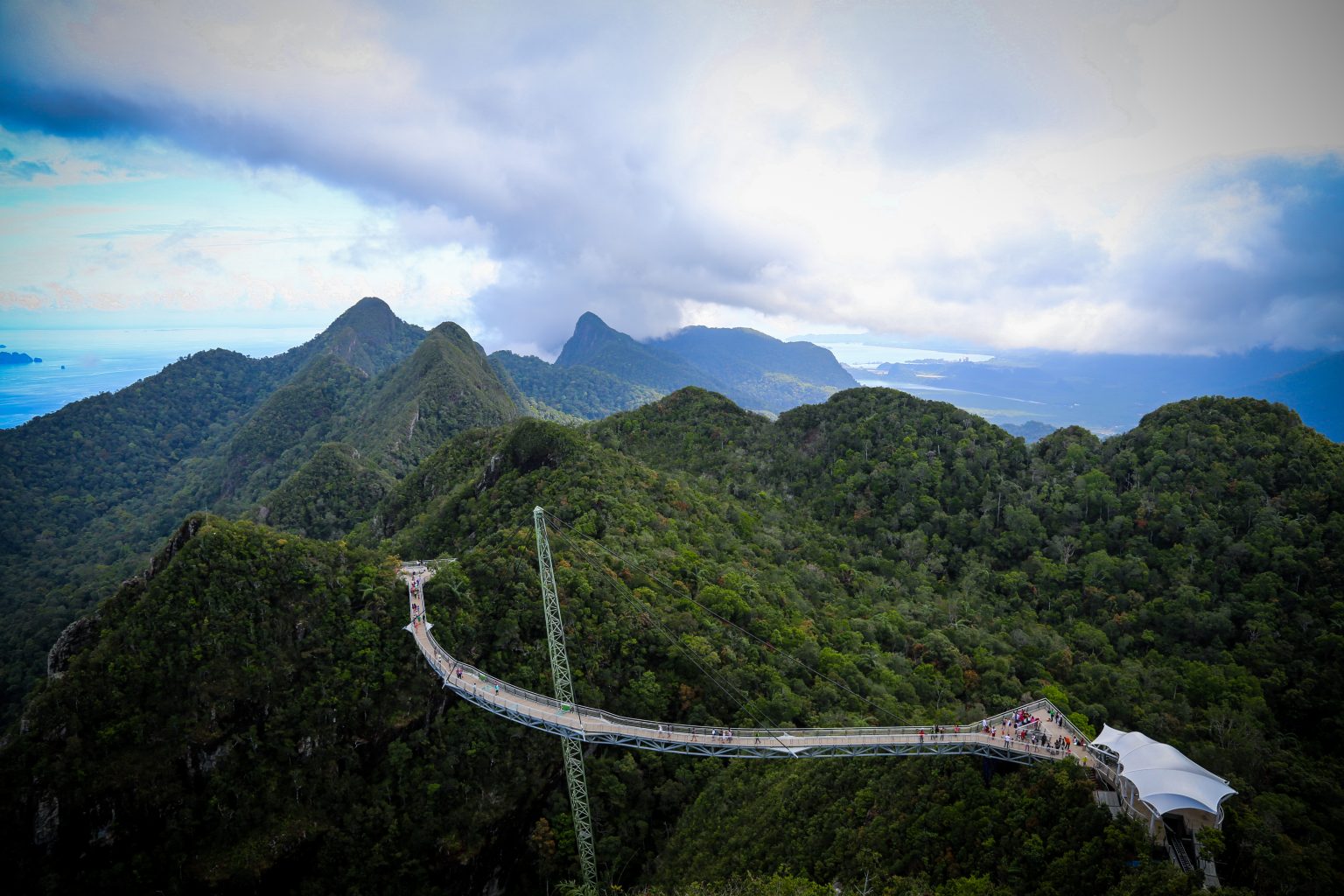
Langkawi became the first UNESCO Global Geopark in Malaysia and even in Southeast Asia. This geopark was recognized by UNESCO back in 2007 and remains one of Malaysia’s most popular natural destinations.
The Langkawi Geopark is located in the northwestern part of Peninsular Malaysia, specifically on the islands of the Langkawi Archipelago. It is home to some of the oldest and most complete Palaeozoic sedimentary rock formations in the country.
Those sediments are estimated to date back more than 540 million years. Several remarkable sites in this geopark are the Machinchang Cambrian, the Kilim Karst, the Dayang Bunting Marble, and the Kubang Badak BioGeo Trail.
UNESCO recognized Langkawi as a Global Geopark because of its unique combination of geology, biodiversity, and cultural heritage. Additionally, Langkawi is also regarded as the “birthplace of Malaysia,” which means it holds a significant cultural and historical value.
Kinabalu UNESCO Global Geopark
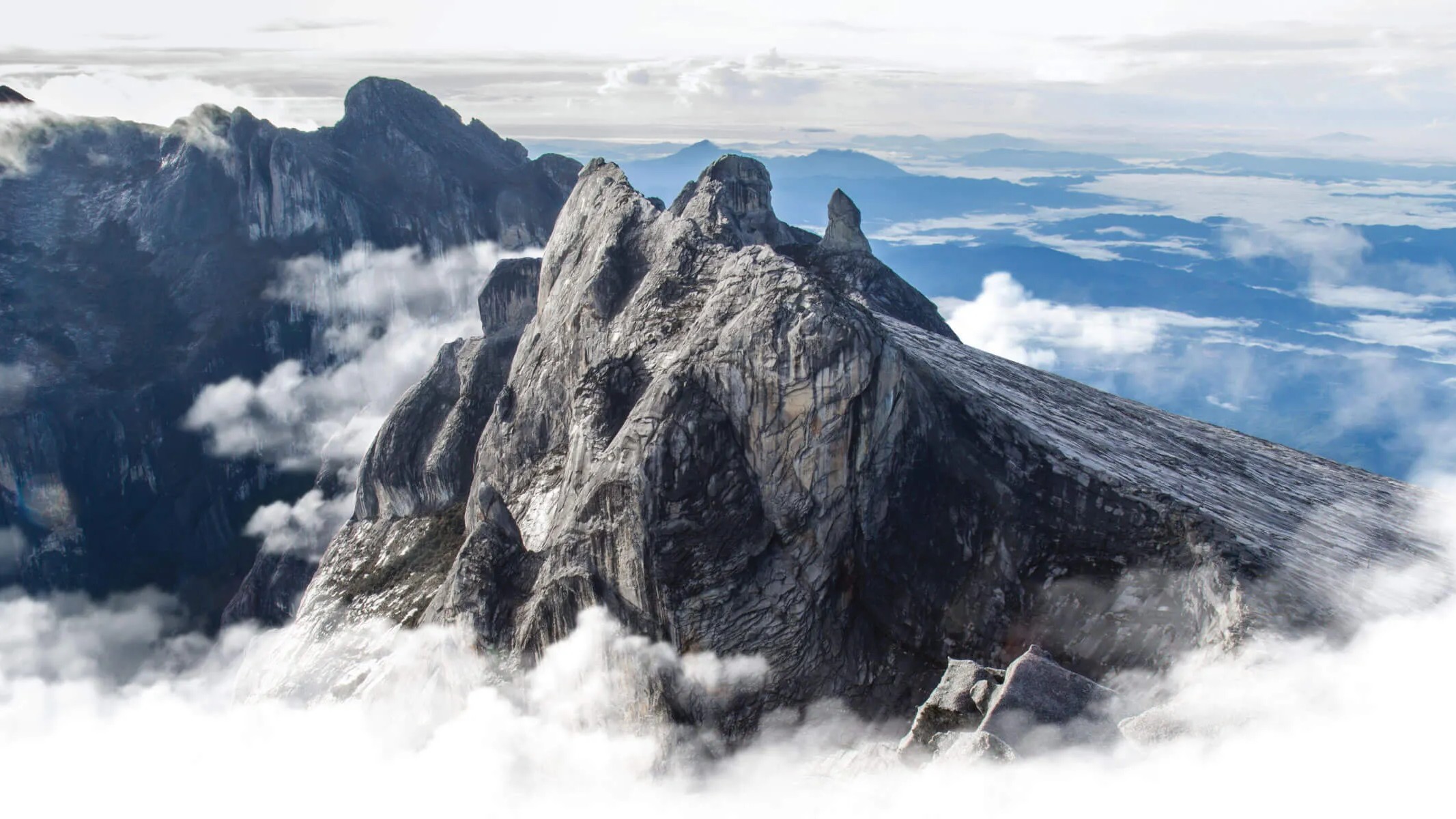
Kinabalu is the second geopark in Malaysia to be recognized as a UNESCO Global Geopark. Besides that, this geopark is also designated as a World Heritage Site and a Man and the Biosphere Reserve, earning it the “Triple Crown” status.
The Kinabalu UNESCO Global Geopark is located in Sabah, Malaysia. It encompasses Mount Kinabalu and is known for its extraordinary landscapes, which feature ancient ultramafic rocks, granite intrusions, hot springs, and folded sedimentary formations.
In fact, this geopark is also one of the most biodiverse areas in the world. Because of that, it is no wonder that you found rare plant species, birds, and mammals here. Indigenous communities, such as the Kadazan-Dusun and Murut, also inhabit this region.
The reason for UNESCO's recognition of Kinabalu is its exceptional blend of geology, biodiversity, and cultural heritage. The geopark plays a vital role in raising awareness about issues such as climate change, resource management, and cultural preservation.
Lenggong UNESCO Global Geopark
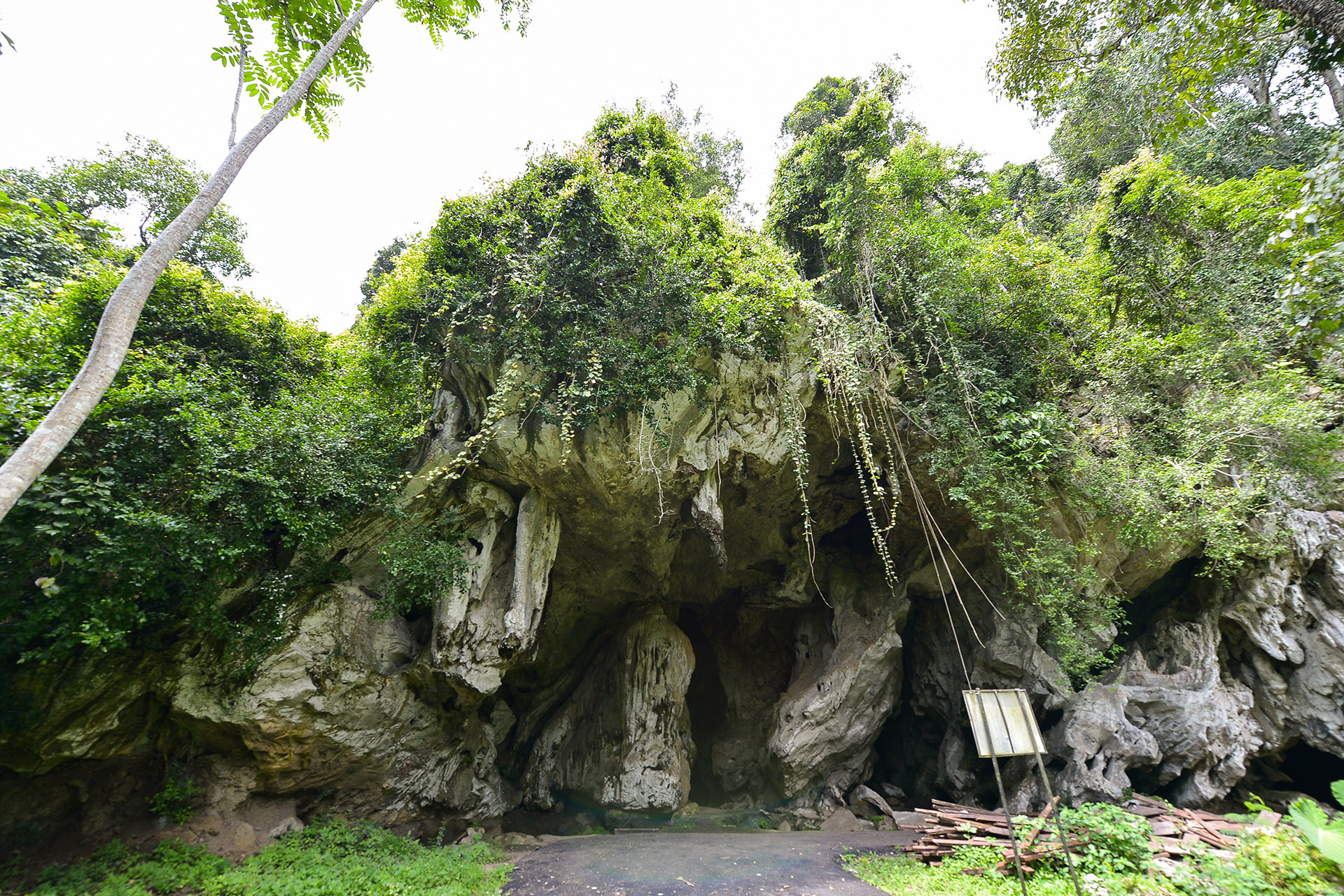
Declared in September 2025, Lenggong Geopark is among the newest UNESCO Global Geoparks in Malaysia. In addition, Lenggong is also recognized as one of the most significant prehistoric sites in Southeast Asia, with archaeological treasures that date back thousands of years.
Lenggong Geopark is located in Perak, Malaysia. It covers a wide area of limestone caves, river valleys, and hills with amazing landscapes. It is also home to some of the oldest prehistoric sites in Southeast Asia, making it a unique destination for both nature and history enthusiasts.
By visiting this site, you can explore caves, enjoy hiking, photography, and educational tours that are tightly related to Malaysia’s ancient past.
UNESCO recognized Lenggong for its outstanding archaeological value and cultural heritage. It cemented the previous recognition this geopark received as a World Heritage Site in 2012.
“Perak Man,” the famous, oldest human skeleton ever found, is also located here. This significant find provides crucial evidence of early human life in the region.
Sarawak Delta UNESCO Global Geopark
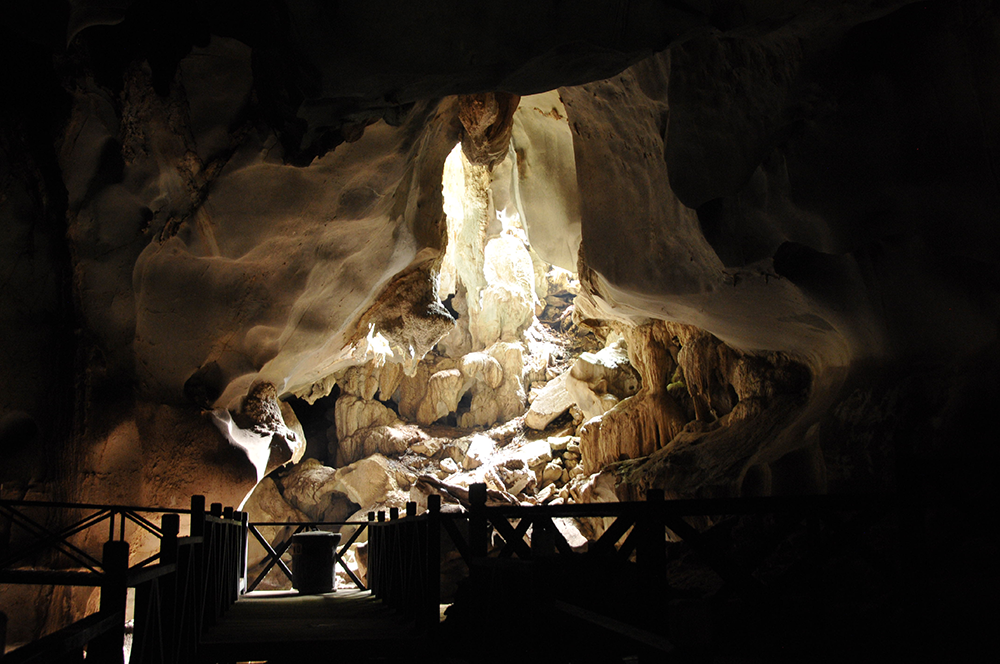
Following the Lenggong Geopark, the Sarawak Delta became the UNESCO Global Geopark in Malaysia. This recognition emphasizes geological significance, the vital role of local communities in conservation, and sustainable development.
The Sarawak Delta UNESCO Global Geopark is located in Sarawak, Malaysia, and covers 28 rock geosites. Among its highlights are Bako National Park and Santubong National Park. They showcase striking geological formations, like limestone caves, granite intrusions, and ultramafic rocks that date back billions of years.
UNESCO recognized the Sarawak Delta as a Global Geopark due to its international geological significance, rich biodiversity, and strong community involvement in conservation. The geopark also integrates education, sustainable tourism, and local community participation, striking a balance between natural preservation and cultural and economic benefits.
The recognition of these natural landscapes as UNESCO Global Geoparks in Malaysia showcases the country’s remarkable natural and cultural heritage. These sites also stand as symbols of pride and opportunity, ensuring that future generations can celebrate and benefit from their extraordinary value.
This article was created by Seasians in accordance with the writing rules on Seasia. The content of this article is entirely the responsibility of the author.



