


In most countries, the capital city also happens to be the largest in terms of population, economic activity, and international recognition.
However, there are several countries around the world where the capital is not the most populous or economically dominant city.
In these cases, capitals are often chosen for historical, political, or geographical reasons, while the largest city becomes the commercial or cultural hub.
Australia: Canberra vs. Sydney

Australia’s largest city is Sydney, located on the southeastern coast. It is a global metropolis, famous for its iconic landmarks like the Sydney Opera House and Harbour Bridge, and is the financial and cultural center of the country. Despite its prominence, Sydney is not the capital.
The capital of Australia is Canberra, a planned city located between Sydney and Melbourne. Canberra was selected in 1908 as a compromise between the two rival cities.
It was designed specifically to serve as the political heart of the nation and is home to the federal government, Parliament House, and the High Court of Australia. Though smaller in population, Canberra holds symbolic and administrative importance.
Brazil: Brasilia vs. São Paulo
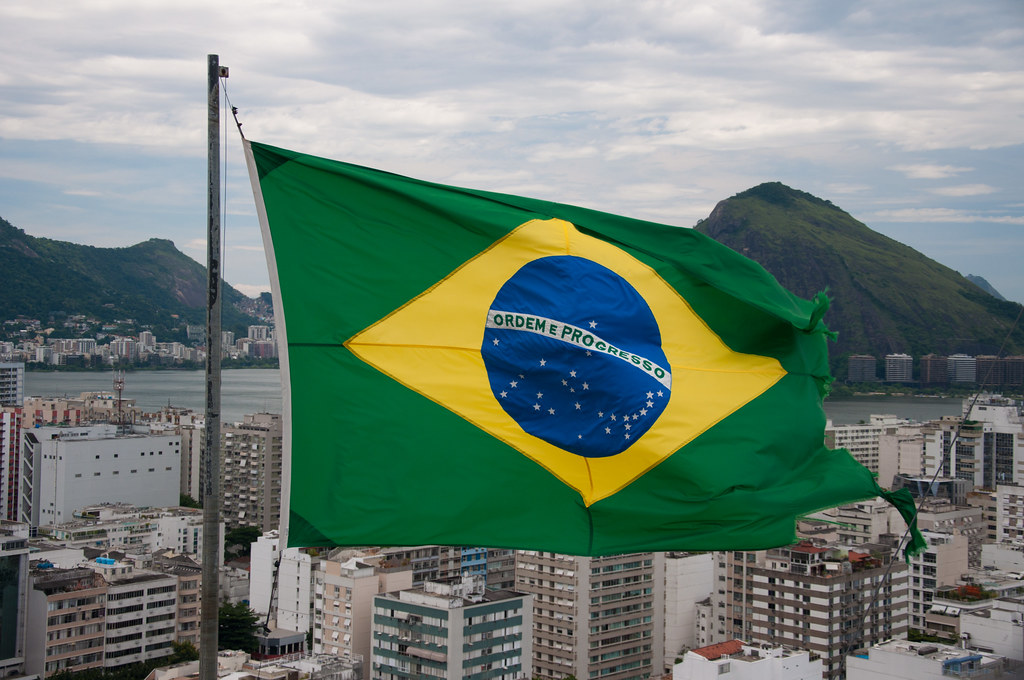
São Paulo is Brazil’s largest city and one of the most populous urban centers in the world. It serves as the country’s financial and industrial powerhouse and is a major center for commerce, media, and international business.
However, the capital of Brazil is Brasília, a city that was built from scratch in the late 1950s and officially inaugurated in 1960.
Designed by architect Oscar Niemeyer and urban planner Lúcio Costa, Brasília was intended to promote development in the interior of the country and reduce the concentration of political power in coastal cities like Rio de Janeiro and São Paulo.
Despite its smaller population, Brasília houses the government’s executive, legislative, and judicial branches.
Canada: Ottawa vs. Toronto

Toronto, located in the province of Ontario, is Canada’s largest city. It is the country’s financial and cultural capital and often serves as a symbol of Canadian urban life in the international imagination. It is home to the Toronto Stock Exchange and many national media organizations.
Ottawa, also located in Ontario but closer to the border with Quebec, is the capital of Canada. It was chosen in 1857 by Queen Victoria due to its strategic location between English- and French-speaking regions and its defensible position.
Ottawa may be smaller and quieter than Toronto, but it is the seat of the Canadian government and home to Parliament Hill and official residences.
United States: Washington D.C. vs. New York City

New York City is the most populous and economically influential city in the United States. It is a global financial center and a cultural powerhouse, known for Wall Street, Broadway, and its diverse population.
Despite New York’s prominence, the capital of the United States is Washington, D.C. The city was established in 1790 along the Potomac River and was specifically created to serve as the nation’s capital.
It is a federal district rather than part of any state, designed to prevent any single state from having undue influence over national politics. Washington, D.C. is home to the White House, the Capitol, and the Supreme Court.
Viet Nam: Hanoi vs. Ho Chi Minh

Ho Chi Minh City, formerly known as Saigon, is Viet Nam’s largest city and its economic engine. Located in the southern part of the country, it is a vibrant metropolis known for its dynamic business environment, bustling markets, and rapid urban development.
The city plays a leading role in Viet Nam’s manufacturing, finance, and tourism sectors, making it the commercial heart of the nation.
Despite Ho Chi Minh City’s size and economic dominance, the capital of Viet Nam is Hanoi. Situated in the northern region, Hanoi serves as the political and administrative center of the country.
It became the capital of North Viet Nam during the division of the country following the First Indochina War, and later of the unified Socialist Republic of Viet Nam after the Viet Nam War ended in 1975.
New Zealand: Wellington vs. Auckland

Auckland is the largest city in New Zealand and is often mistaken for the capital due to its size and prominence. It is the country’s economic and cultural hub, home to a third of the population and the busiest international airport.
The capital, Wellington, is located at the southern tip of the North Island. It was made the capital in 1865, replacing Auckland. The decision was influenced by Wellington’s more central location and its accessibility to both islands.
While smaller than Auckland, Wellington remains important as the seat of government and the location of national institutions.
Switzerland: Bern vs. Zürich

Zürich is Switzerland’s largest city and its main financial center. Known for its high quality of life and global banking influence, Zürich is the most internationally recognized Swiss city.
Bern, however, is the de facto capital of Switzerland, officially referred to as the “federal city.” While not formally designated as the capital in the Swiss constitution, Bern houses the federal government, parliament, and administrative offices.
It was chosen in 1848 due to its neutral location and symbolic value in uniting the country’s diverse linguistic and cultural regions.


