


The history of human civilization is deeply intertwined with the development of written language. Some of the earliest written scripts have vanished over time, while others have managed to survive for thousands of years, adapting to new eras and cultures.
Here is a look at some of the world’s oldest writing languages that are still in use today, each with a rich legacy that continues to shape literature, religion, administration, and identity.
Greek

Greek is another ancient language with a continuous written tradition stretching back more than 3,000 years. The earliest Greek texts appear in the Linear B script used by the Mycenaean civilization around 1400 BC.
The modern Greek alphabet, derived from the Phoenician script, emerged around the 8th century BC and has remained in use, with modifications, ever since.
Classical Greek, used by philosophers like Plato and Aristotle, transitioned into Koine Greek, the lingua franca of the eastern Mediterranean during the Hellenistic and Roman periods.
Koine Greek was the language of the New Testament and laid the groundwork for Modern Greek.
Today, Greek is the official language of Greece and Cyprus, spoken by around 13 million people. Its alphabet and literary heritage have influenced countless other languages and cultures.
Chinese
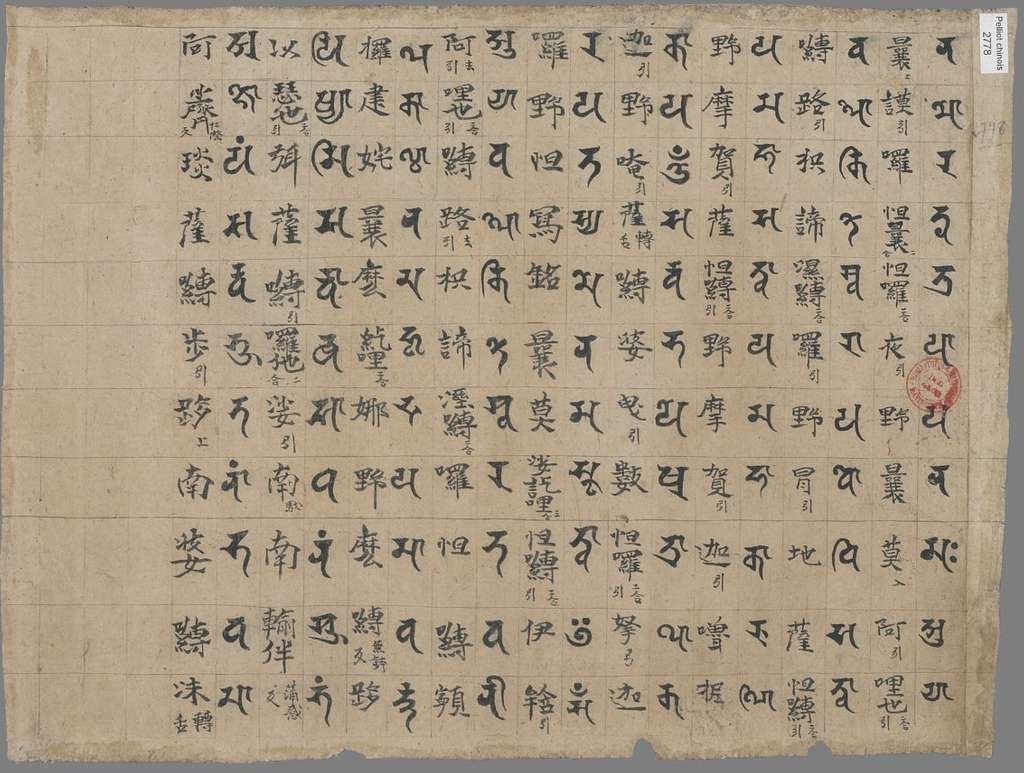
Chinese is one of the world’s oldest written languages that is still in use today. Its origins can be traced back more than 3,000 years to oracle bone inscriptions from the Shang Dynasty, around 1200 BC.
These early symbols evolved into what we now recognize as Chinese characters, or Hanzi. Despite the radical transformations in pronunciation and grammar over millennia, the writing system has maintained a strong sense of continuity.
Classical Chinese, once used as a standard for literature and official documents, is no longer used for daily communication, but many of its phrases, idioms, and structures remain embedded in Modern Standard Chinese (Mandarin).
The Chinese script is unique in its use of logograms, characters that represent whole words or morphemes, rather than a phonetic alphabet.
Today, Chinese is spoken by over a billion people and remains central to culture, governance, and education in China and other East Asian countries.
Hebrew

Hebrew has a complex history of use, revival, and reinvention. Its earliest known inscriptions date to around the 10th century BC, and it was the primary language of the ancient Israelites.
Hebrew served as the medium for much of the Hebrew Bible (Tanakh) and religious scholarship for centuries.
However, by the 4th century AD, Hebrew had largely fallen out of everyday spoken use and was maintained primarily as a liturgical and scholarly language among Jewish communities.
In the late 19th and early 20th centuries, Hebrew underwent a remarkable revival, led by figures like Eliezer Ben-Yehuda, who adapted it for modern use.
It was declared the official language of the State of Israel in 1948, and today, Modern Hebrew is a thriving spoken and written language used in all aspects of Israeli life.
Tamil
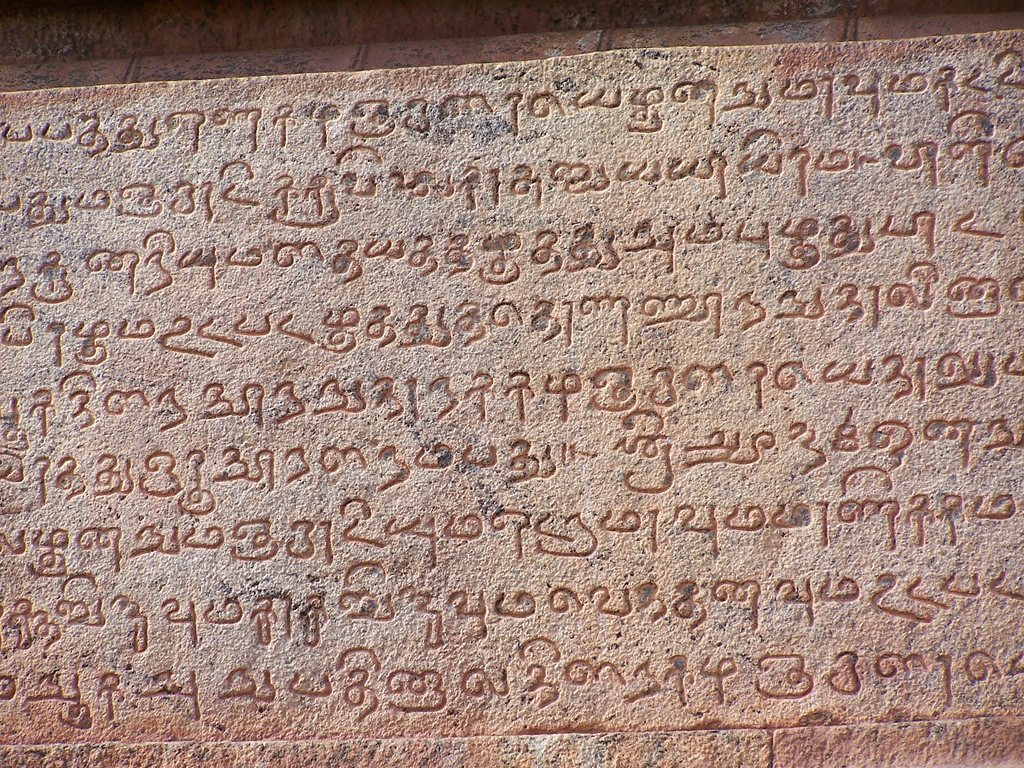
Tamil is one of the oldest living languages with a continuous literary tradition. It dates back over 2,000 years, with inscriptions from the 3rd century BC found in southern India and Sri Lanka.
The earliest form of Tamil writing is found in the Tamil-Brahmi script, which evolved into the modern Tamil script used today.
Unlike many ancient languages that have fallen into disuse, Tamil has maintained a vibrant and evolving literary culture. The Sangam literature, composed between 300 BC and 300 AD, forms the foundation of classical Tamil literature.
Today, Tamil is spoken by over 80 million people and is an official language in the Indian state of Tamil Nadu, as well as in Sri Lanka and Singapore.
It is used in government, education, media, and everyday communication, making it a rare example of an ancient language that has remained both spoken and written without interruption.
Arabic
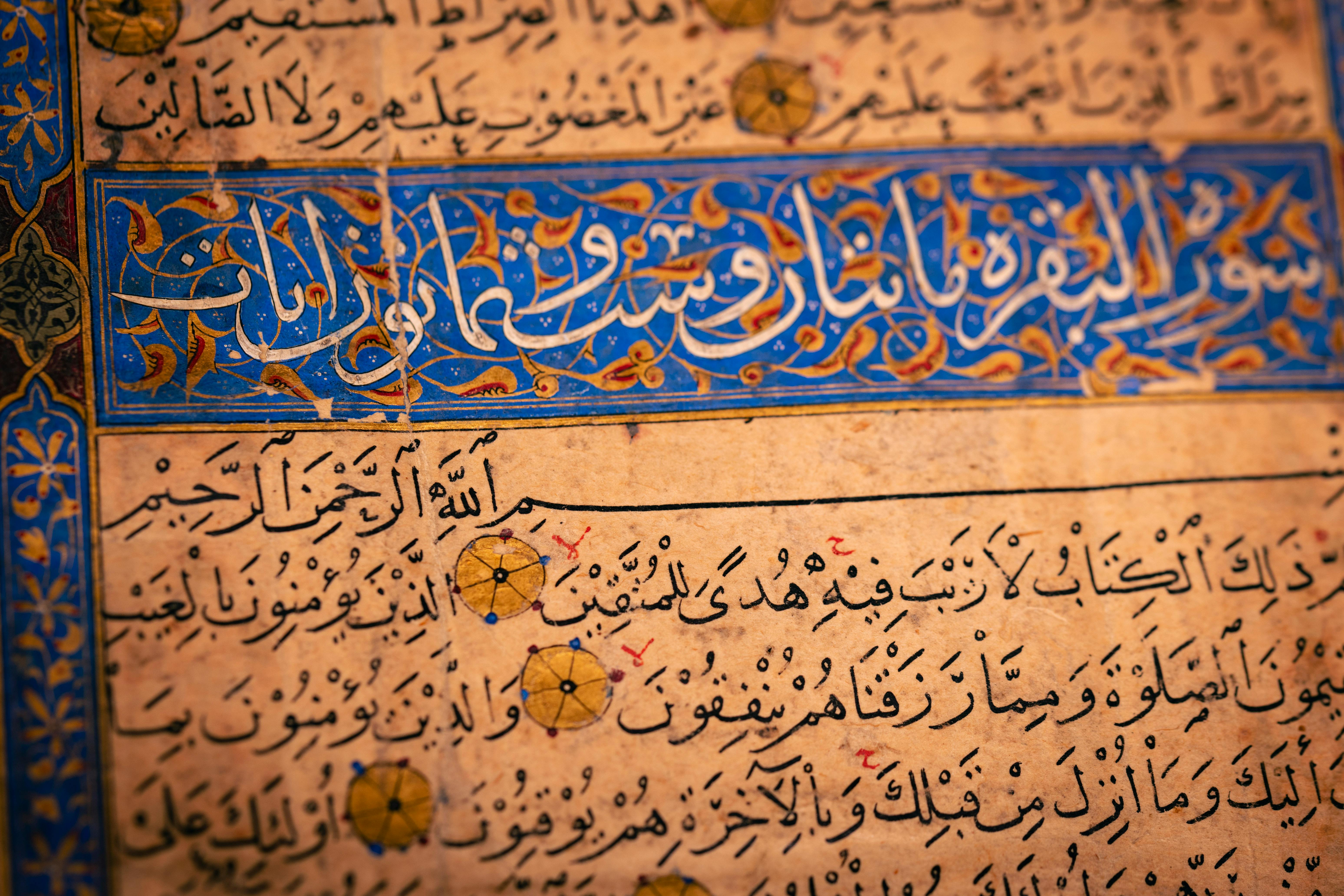
Arabic first appeared in written form in the early 4th century AD, though its oral tradition is older. The script likely evolved from the Nabataean script, which itself descended from Aramaic.
The language gained prominence with the rise of Islam in the 7th century, as the Quran was revealed in Arabic.
Classical Arabic, the language of the Quran, remains the liturgical and literary standard across the Islamic world. Modern Standard Arabic, derived from Classical Arabic, is used in formal writing and speech, including media, education, and government.
While regional dialects vary widely, the written form has remained a unifying force across over 20 Arabic-speaking countries. Arabic continues to be one of the most influential languages globally, deeply tied to religion, identity, and culture.


