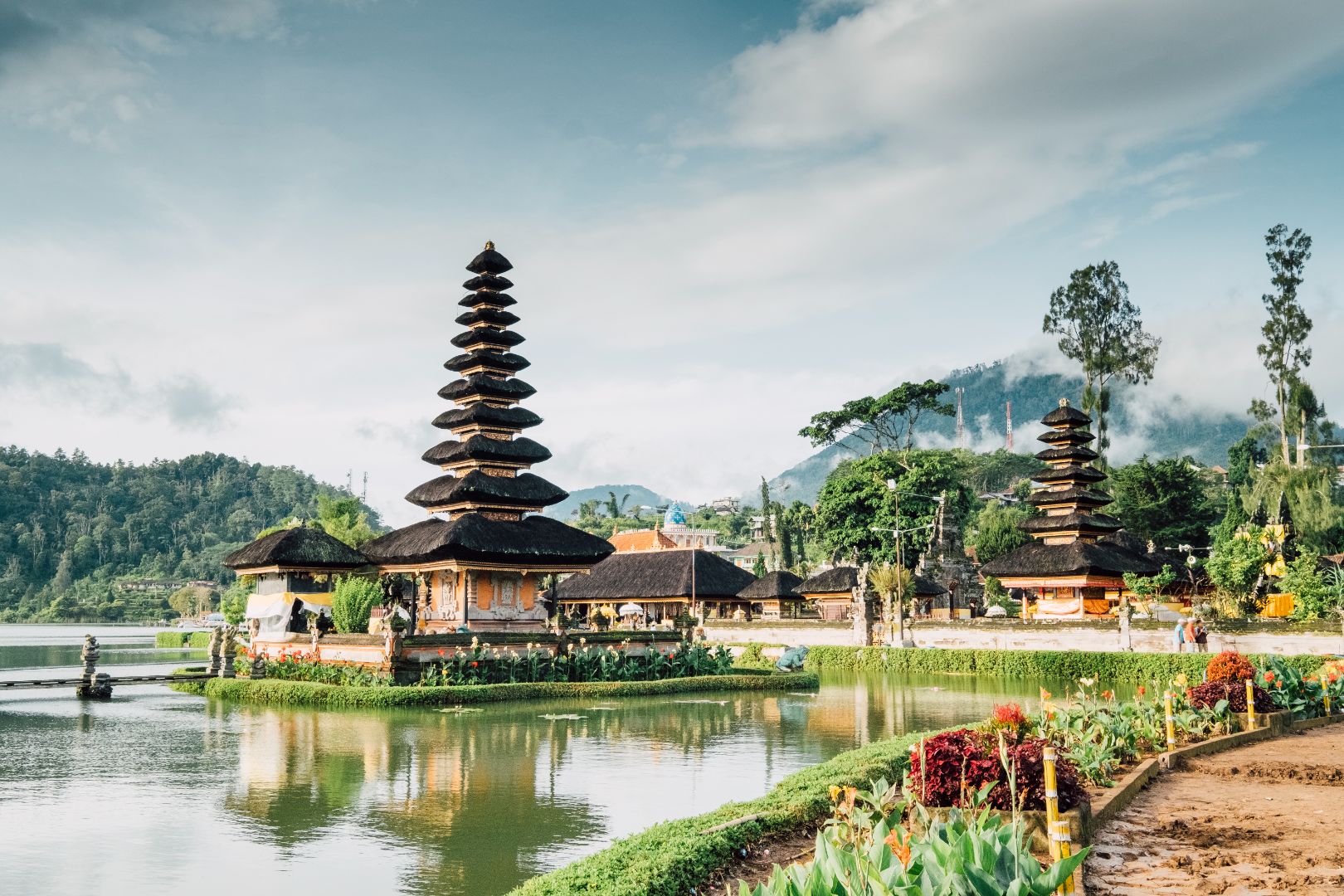
Once a year, the Indonesian island of Bali does something no other place on Earth dares to do. It stops. No cars, no lights, no sound, and no people on the streets. For 24 hours, the world-famous tourist island falls into absolute silence. This is Nyepi, a sacred day that calls for introspection over celebration. In a modern world that rarely pauses, Bali chooses to press reset.
A New Year Unlike Any Other
Nyepi is not just any holiday. It marks the beginning of the Saka New Year (Isakawarsa), a tradition rooted in the Balinese Hindu calendar. It falls one day after Tilem Kesanga, on the first day of Sasih Kedasa.
According to the Buleleng Regency Cultural Office, Bali, Nyepi is more than a cultural custom. It is a spiritual cleansing, a time when Hindus retreat into silence to connect more deeply with Sang Hyang Widhi Wasa, or God Almighty. It is a moment to purify both the Bhuana Alit, the microcosm of the human self, and the Bhuana Agung, the macrocosm of the universe. While many cultures welcome the new year with celebration, Nyepi invites a full-day pause, a ritual of stillness that speaks louder than fireworks ever could.
A Day Governed by Silence
From six in the morning on Nyepi Day until six in the morning the following day, Bali becomes eerily and beautifully quiet. Airports shut down, roads are deserted, beaches are off-limits, and even internet and broadcast signals are reduced. Locals stay in their homes, tourists remain in their hotels, the stars shine brighter than usual, and the world slows to a halt.
The silence is not just social but spiritual. This is guided by Catur Brata Penyepian, or the Four Abstinences, which every Balinese Hindu observes. These include refraining from fire, electricity, and light as symbols of anger and passion; avoiding entertainment, indulgence, and distractions; staying indoors with no travel or movement allowed; and ceasing all forms of work and labor.
As noted by the Buleleng Regency Cultural Office, Bali, these restrictions aim to create true sepi, an outer silence free from worldly chaos and an inner silence free from desire and ego. It is both a personal and cosmic purification.
The Rituals Leading to Silence
Nyepi is not a standalone event. It is the culmination of a series of rituals rich in symbolism and communal meaning. The Buleleng Regency Cultural Office, Bali, outlines the sequence beginning with Melasti, a purification ceremony held at the sea or other sacred water sources to cleanse sacred objects and the soul. This is followed by Tawur Kesanga, a ritual performed on the eve of Nyepi involving offerings and symbolic battles to restore balance between good and evil forces.
Then comes Pengerupukan, highlighted by the Ogoh-Ogoh parade where giant effigies representing negative traits or demons are marched through villages and later burned. Nyepi itself is the day of silence, introspection, and non-activity, followed by Ngembak Geni, the day after Nyepi when families and communities reconnect, seek forgiveness, and begin the new year with purified hearts. This sequence is deeply philosophical: first cleanse the body and the world, then silence the senses and mind, and finally re-enter society with renewed clarity and harmony.
Experiencing Nyepi as a Visitor
For travelers in Bali, Nyepi may come as a surprise and a challenge. All movement is restricted. No restaurants are open and no excursions are allowed. The world, for a moment, is unplugged. But those who lean into the stillness often find something rare—the sound of their own breath, the stars in full view, a reconnection with self, and a sense of shared reverence with millions practicing the same pause. Hotels usually offer special Nyepi programs such as silent yoga, journaling kits, or candlelit dinners to help guests embrace the experience respectfully.
If you plan to experience Nyepi, it is important to check the date each year since Nyepi follows the Balinese Saka calendar and typically falls in March. Because many hotels fill up well in advance, booking accommodations early is highly recommended. Preparing meals and supplies the day before is essential as shops and restaurants will be closed during Nyepi.
Respecting local customs is crucial—this means staying indoors, keeping noise to a minimum, and limiting the use of lighting. One of the most magical experiences during Nyepi is looking up at the night sky, which, free from light pollution, becomes a breathtaking canvas over Bali.
In the end, Nyepi is more than a holiday. It is an act of sacred stillness, a tradition passed down for generations, shaped by faith, guided by discipline, and embraced by an entire island. On this one day, Bali does not just rest; it reminds the world how to breathe.
References:
https://disbud.bulelengkab.go.id/informasi/detail/artikel/23_makna-hari-raya-nyepi
This article was created by Seasians in accordance with the writing rules on Seasia. The content of this article is entirely the responsibility of the author.