

The waste crisis threatening the sustainability of Indonesia's Island of the Gods has found its answer through sustainable innovation from Bali Waste Cycle (BWC). Operating under CV. Bakti Bumi Berseri, this company proves that waste management can align with environmental sustainability goals while providing significant economic and social impact for Bali's communities.
BWC, which carries the motto "Solusi Sampah Bali" (Bali Waste Solution), was established in 2019 with the vision of becoming an integrated waste management solution from upstream to downstream. The company focuses not only on waste collection and processing but also on educating the community from the source. BWC's identity, closely associated with sustainable environmental efforts, reflects their commitment to waste recycling, waste generation reduction, and local community empowerment.
Integrated Solutions with Tangible Results
As a sustainable waste management solution, BWC has demonstrated impressive performance in its operations. The company manages an average of 80-100 tons of waste per month, with a total of more than 1,800 tons of waste handled since 2019. This significant volume consists of various types of waste, particularly plastic packaging waste and other inorganic waste that undergoes collection, sorting, and recycling processes.
BWC's achievement in managing hundreds of tons of waste demonstrates a real contribution to reducing waste accumulation that ends up in Final Disposal Sites (TPA). Thus, BWC helps maintain Bali's environmental cleanliness while extending the lifespan of existing TPAs, making it a sustainable solution to waste challenges on the Island of the Gods.
Sustainable Innovation Through Circular Economy
BWC applies circular economy principles by developing various product innovations that add value from waste. The company successfully processes multilayer plastic into various useful products, ranging from boards for making cabinets, tables, and souvenirs, to products that provide significant social impact such as prosthetic legs.
The innovation of creating prosthetic legs from plastic waste represents one of BWC's most remarkable sustainable solutions. One board measuring one by one meter requires approximately 22 kilograms of plastic waste. This prosthetic leg product not only provides an environmental solution but also brings new hope to people with disabilities in Bengkala village, Buleleng, demonstrating how sustainable waste management can provide broad social impact.
BWC also develops a sustainable business ecosystem through PT. KARFA Mulia Indonesia, which transforms plastic waste into high-quality environmentally friendly products in collaboration with disability communities in Buleleng. Additionally, the company manages residual waste using Indonesian-made technology through PT Cahaya Terang Bumi Lestari (CTBL) with Refuse-Derived Fuel (RDF) mechanisms, converting residual waste into sustainable alternative fuel.
Global Recognition for Local Solutions
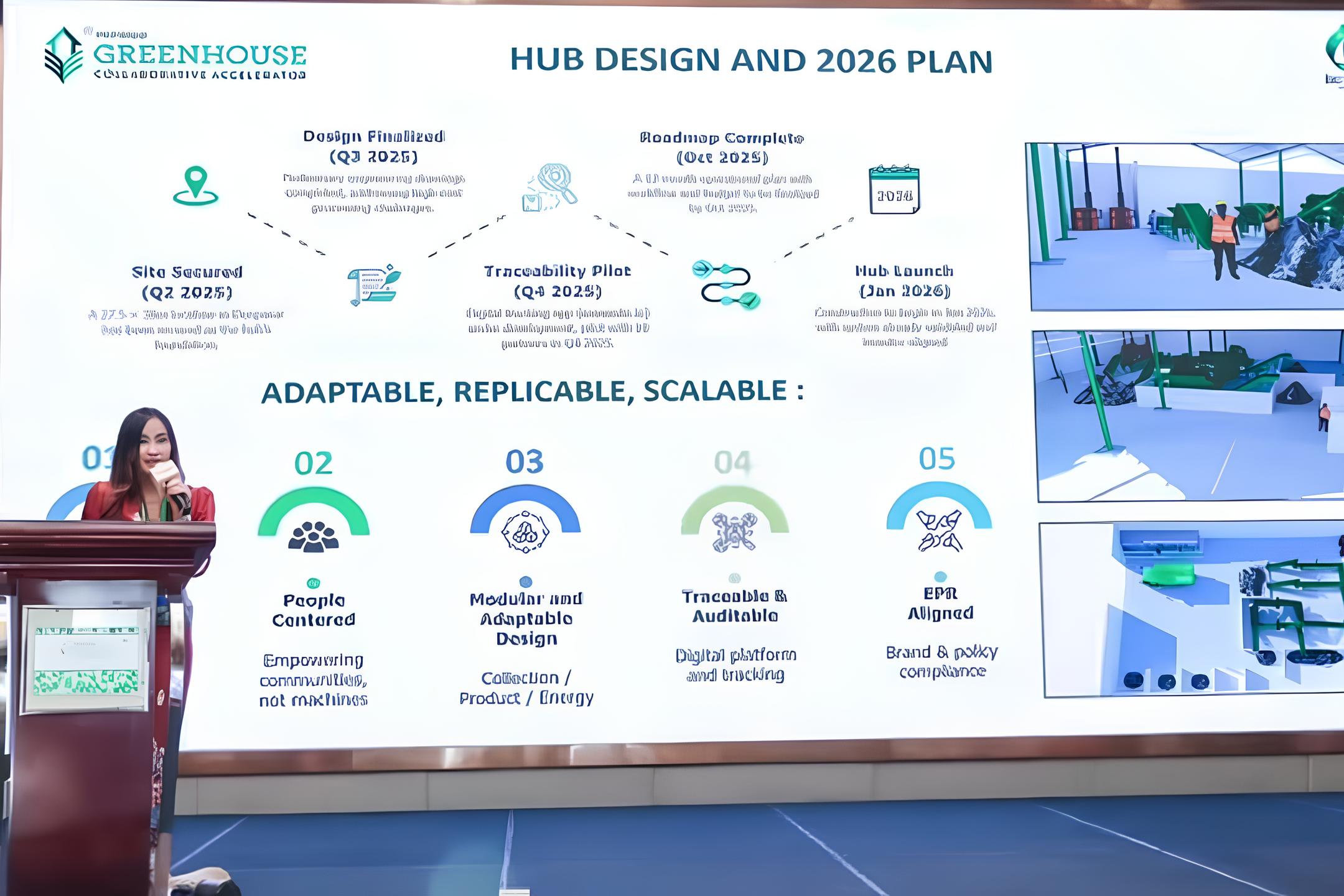
BWC's commitment as a sustainable waste management solution received international recognition through its achievement as a finalist in the prestigious PepsiCo Greenhouse Accelerator APAC 2025 and People's Choice Award Winner. This prestigious award was given in an international forum as appreciation for BWC's steps in implementing sustainable technologies and practices in waste management.
BWC's achievement as "People's Choice Award" in a competition involving votes from 19 countries confirms that BWC's efforts in Bali receive positive attention and assessment not only at the local level but also nationally and globally. This recognition proves that sustainable solutions developed by BWC can serve as a model for other regions in addressing waste problems.
BWC also received appreciation from various parties, including special praise from Minister of Tourism and Creative Economy Sandiaga Uno as an initiative supporting sustainable tourism in Bali. All these awards and appreciations further encourage BWC to continue innovating and improving performance as a sustainable waste management solution.
Global Collaboration for Local Impact
As a sustainable solution, BWC does not limit its reach to the local scope only. The company has established collaborations with global-scale parties to handle waste in Bali. One example is the collaboration with Danone Indonesia in a glass bottle waste collection program implemented at 19 international-standard hotels and restaurants in Bali, including famous hotel chains such as Alila and Hyatt.
Through this partnership, BWC engages international communities, especially tourists and tourism industry players, to participate in sustainable waste management efforts. BWC also appears in various international forums and initiatives to share Bali's experience in addressing waste problems, showing that BWC's mission aligns with the global agenda to reduce plastic pollution and support sustainable development.
Challenges in Implementing Sustainable Solutions
Despite successfully becoming a sustainable waste management solution, BWC faces major challenges in changing community mindset and habits in handling waste. Many residents are still not accustomed to sorting waste from the source or lack awareness of the long-term impact of waste on the environment. This behavioral change requires consistent education and collective awareness within the community.
To overcome this challenge, BWC conducts sustainable community assistance and education. The company provides training and guidance to residents, waste bank managers, and environmental activists at the village level on how to manage household waste with 3R (Reduce, Reuse, Recycle) principles. This approach shows that sustainable solutions are not only about technology but also about community behavioral change.
In addition to social challenges, BWC also faces technical and infrastructure constraints in implementing sustainable solutions, ranging from handling very large waste volumes, ensuring effective recycling chains work, to limitations in processing facility capacity. These obstacles are overcome through recycling technology innovation and establishing partnerships with government and private sectors to increase waste management capacity.
Bali's Sustainable Vision Through Waste Management
Bali Waste Cycle (BWC) envisions a clean, sustainable Bali by fostering a culture of individual responsibility from reducing single-use plastics and using reusable bags and bottles to disciplined waste sorting at home. Grounded in Tri Hita Karana values of harmony among humans, nature, and the divine, BWC aims to help Bali achieve government targets of a 30% reduction in waste generation and effective processing of 70% of waste by 2025.
Through ongoing education, community empowerment, technological innovation, and global partnerships, BWC seeks to transform Bali into a model of integrated, sustainable waste management that balances tourism-driven economic growth with environmental preservation.
This article was created by Seasians in accordance with the writing rules on Seasia. The content of this article is entirely the responsibility of the author.



