


In 2024, global coffee exports reached a value of about US $51.2 billion, marking a substantial rise from previous years.
There are top five exporting countries which together accounted for more than half of all coffee exports by value. Below we explore each of these countries, according to World’s Top Export.
1. Brazil

Brazil remains the undisputed leader in coffee exports. In 2024 its coffee export value was around US $11.4 billion, representing some 22.2 % of the world total.
The country’s vast plantations in regions such as Minas Gerais, São Paulo and Espírito Santo produce both Arabica and Robusta beans, giving Brazil flexibility to supply diverse global markets.
With economies of scale, mature logistics and long‑standing relationships with importers, Brazil has built deep infrastructure for processing, shipping and trading coffee.
The country’s dominant position means that shifts in Brazilian weather, yield or policy often ripple across global coffee markets.
2. Viet Nam

Viet Nam is the second‑largest coffee exporter by value in 2024, with exports amounting to around US $4.2 billion (8.1 % of world total).
Although Viet Nam is not as large as Brazil in absolute value, its growth in recent years has been notable and it has emerged as a key supplier especially of Robusta coffee.
The nation’s expansive coffee plantations, combined with efficient harvesting and export systems, have enabled it to serve price‑sensitive markets with large volumes.
As global demand shifts and consumers diversify their sources, Viet Nam’s role remains important in balancing supply.
3. Switzerland

Switzerland ranks third among coffee exporters in 2024, with export values around US $3.95 billion (7.7 % of world exports).
Unlike many of the other top exporters, Switzerland’s significance derives not from growing large volumes of raw coffee bean but from value‑added activities — roasting, packaging, branding and re‑exporting processed coffee to global markets.
Switzerland’s sophisticated economy, global trade networks and reputation for quality products have enabled it to occupy a niche in the coffee supply chain where premium or specialty coffees are re‑exported to consumers in higher‑income markets.
4. Germany
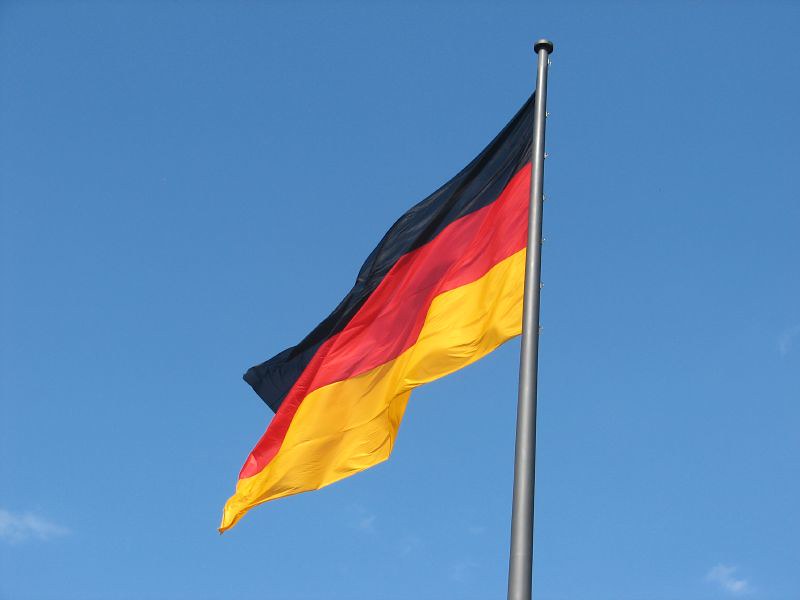
Germany holds the fourth position in coffee exports for 2024 with a value of about US $3.79 billion (7.4 % of world total).
Like Switzerland, Germany plays a major role not just in raw coffee commodity trading but in processing, blending, roasting and distribution to European and other global markets.
Its strong industrial base, logistics infrastructure and access to both EU and international shipping routes give Germany a strategic position in the global coffee trade.
While not a large grower of coffee beans itself, Germany’s role in the value‑chain makes it critical in global supply and export of finished coffee products.
5. Colombia

Colombia rounds out the top five exporters in 2024, with exports amounting to about US $3.55 billion (6.9 % of world value) in that year. Colombia is renowned globally for its high‑quality Arabica coffee beans, often grown in mountainous regions with favorable climates.
The nation’s brand strength in specialty coffee and its long‑standing international recognition give it a competitive edge in premium coffee segments.
Colombian producers face challenges such as climate change and labor constraints, but the country remains a key player in the international coffee market.


