


Malaysia is shaping ASEAN’s next chapter around one core idea: sustainable growth. As the region’s economies emerge from global uncertainty, Malaysia’s leadership has positioned ASEAN not only as a center for trade and investment but as a driving force for green transformation and inclusive development.
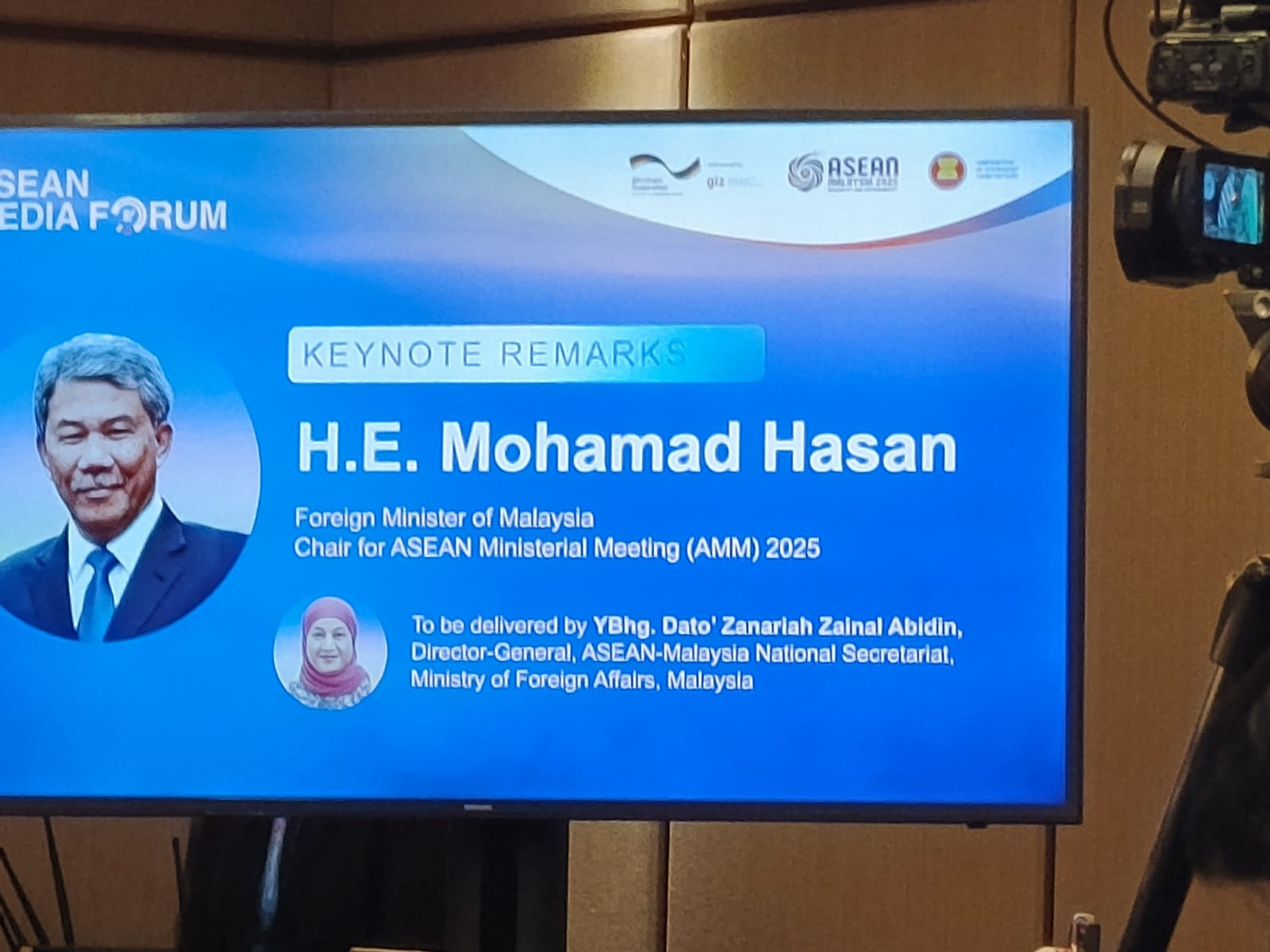
At the ASEAN Media Forum 2025 in Kuala Lumpur, YBhg. Dato’ Zanariah Zainal Abidin, Director-General of the ASEAN–Malaysia National Secretariat, outlined how ASEAN’s economic agenda is evolving to match the challenges of a rapidly changing world. “ASEAN’s progress this year will accelerate the region’s trajectory to drive regional and global economic growth,” she said. “We must embrace greener and more sustainable pathways that attract investment, create quality jobs, and strengthen regional resilience.”
Her remarks reflected a broader regional shift, one that blends economic ambition with environmental responsibility. Under Malaysia’s 2023 chairmanship, ASEAN launched a series of initiatives that deepened trade integration, expanded cooperation in renewable energy, and strengthened the region’s position in global supply chains.
Among the milestones, ASEAN advanced key trade frameworks, including the ASEAN Trade in Goods Agreement and the ASEAN–China Free Trade Area 3.0, while fully implementing the Regional Comprehensive Economic Partnership (RCEP), now the world’s largest free trade deal. These frameworks are not merely bureaucratic upgrades; they are the foundation for a more interconnected ASEAN economy that can adapt to global market disruptions.
The forum also highlighted the ASEAN Power Grid, an ambitious cross-border infrastructure project linking national electricity networks to improve energy security and support renewable energy exchange. The initiative embodies ASEAN’s vision of balancing economic growth with environmental protection, a message that resonates as the region faces increasing pressure to meet global climate targets while sustaining development.
Under the ASEAN Community Vision 2045, the bloc envisions a future built on sustainability, innovation, and inclusivity. Malaysia has championed this direction, prioritizing digital transformation, green technology, and equitable growth as engines of regional progress.
For Malaysia, leading ASEAN’s transformation means demonstrating that economic growth and environmental responsibility can move together. “ASEAN must continue to lead with innovation, inclusivity, and sustainability,” Dato’ Zanariah noted, reaffirming that green growth is not a policy add-on but a strategic pathway.
As global supply chains diversify and competition intensifies, ASEAN’s unified stance on sustainability could redefine its economic identity. By focusing on renewable energy, circular economy models, and digital connectivity, the bloc aims to position itself as a hub for sustainable growth, one that not only powers its own future but also contributes solutions to the world’s energy and climate challenges.
Malaysia’s leadership over the past year demonstrated that ASEAN’s strength lies in cooperation and adaptability. Its ability to align economic opportunity with sustainability may well determine the region’s influence in the decades ahead.


