


In the summer of 1816, on the shores of Lake Geneva, a group of renowned literary figures gathered in an atmosphere far from pleasant. The sky was overcast, the air was cold, and relentless rain kept them confined indoors.
Amidst that darkness, an 18-year-old young woman named Mary Shelley began writing a story that would someday become one of the most famous novels in history: “Frankenstein; or, The Modern Prometheus.” Yet behind the creation of this iconic monster tale lies a real event no less extraordinary.
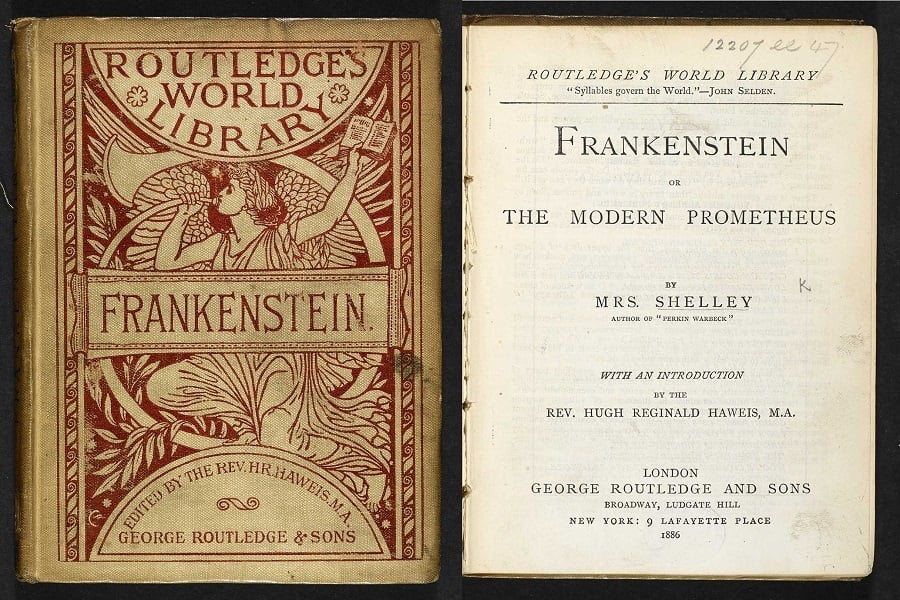
Far across the world, in the Indonesian archipelago, Mount Tambora on the island of Sumbawa had violently erupted on April 10, 1815. It was the largest volcanic eruption in recorded human history, ejecting around 36 cubic miles (150 km³) of volcanic ash into the Earth’s atmosphere.
The explosion not only devastated surrounding regions but also altered the global climate, triggering what became known as “The Year Without a Summer.”
The Year Without a Summer
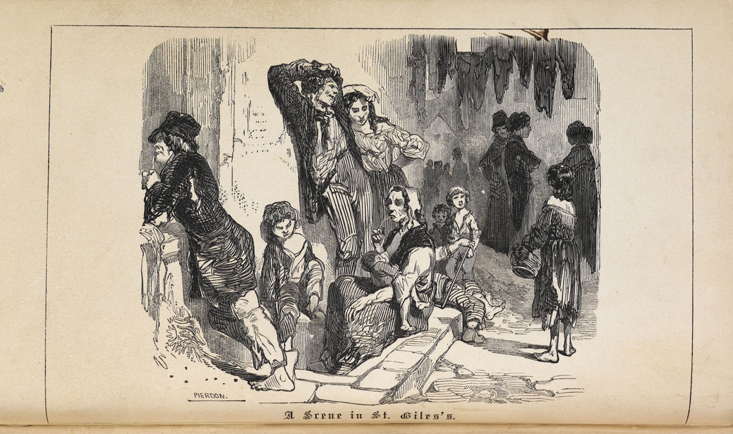
The impact of Tambora’s eruption was felt thousands of kilometers away. In the following year, 1816, sunlight in North America and Europe was blocked by volcanic ash hanging in the atmosphere.
Temperatures dropped by as much as 3 degrees Celsius, causing crop failures, famine, and disease outbreaks in many countries. In some parts of Canada, snow even fell in June, while in Europe, wheat prices soared as agriculture collapsed.
Similar conditions struck Switzerland, where Mary Shelley and her companions—the poet Lord Byron, Percy Bysshe Shelley, physician John Polidori, and Claire Clairmont—spent their gloomy summer.
They had come for a holiday, but the cold and darkness kept them indoors. To pass the time, they read a collection of German ghost stories and eventually challenged one another to write their own frightening tale.
From that simple challenge, two major works were born. Polidori wrote the first vampire story that would later inspire the legend of Count Dracula, while Mary Shelley conceived the idea of a scientist who creates life from human body parts, a story that would go on to shake the literary world.
The Dream That Created a Monster
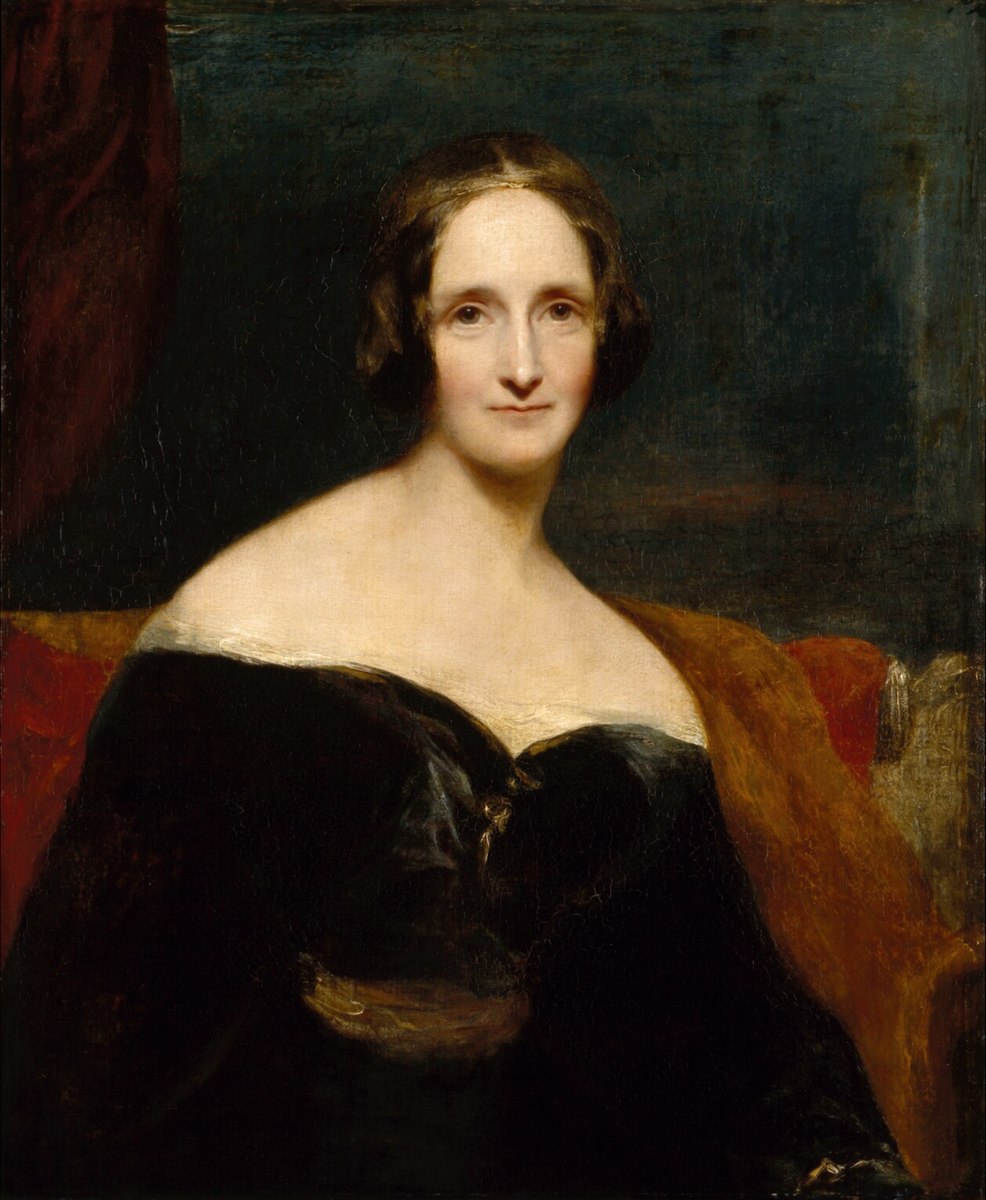
Shelley initially struggled to find inspiration, until one night she experienced a strange vision she later described as a “waking dream.” In that dream, she saw:
“The pale student of unhallowed arts kneeling beside the thing he had put together. I saw the hideous phantasm of a man stretched out, and then, on the working of some powerful engine, show signs of life…”
From that haunting image, she began writing the story of Frankenstein, which was first intended as a short tale but eventually developed into a full novel two years later. The book is not only regarded as one of the greatest literary works ever written but is also often considered the foundation of the science fiction genre.
However, a widespread misconception persists to this day: many people believe that Frankenstein is the name of the monster.
In reality, Frankenstein is the name of the creator, Victor Frankenstein, while his creation remains nameless. Throughout the novel, the scientist refers to his creation as “monster,” “creature,” or even “devil.”
Who Is the Real Monster?
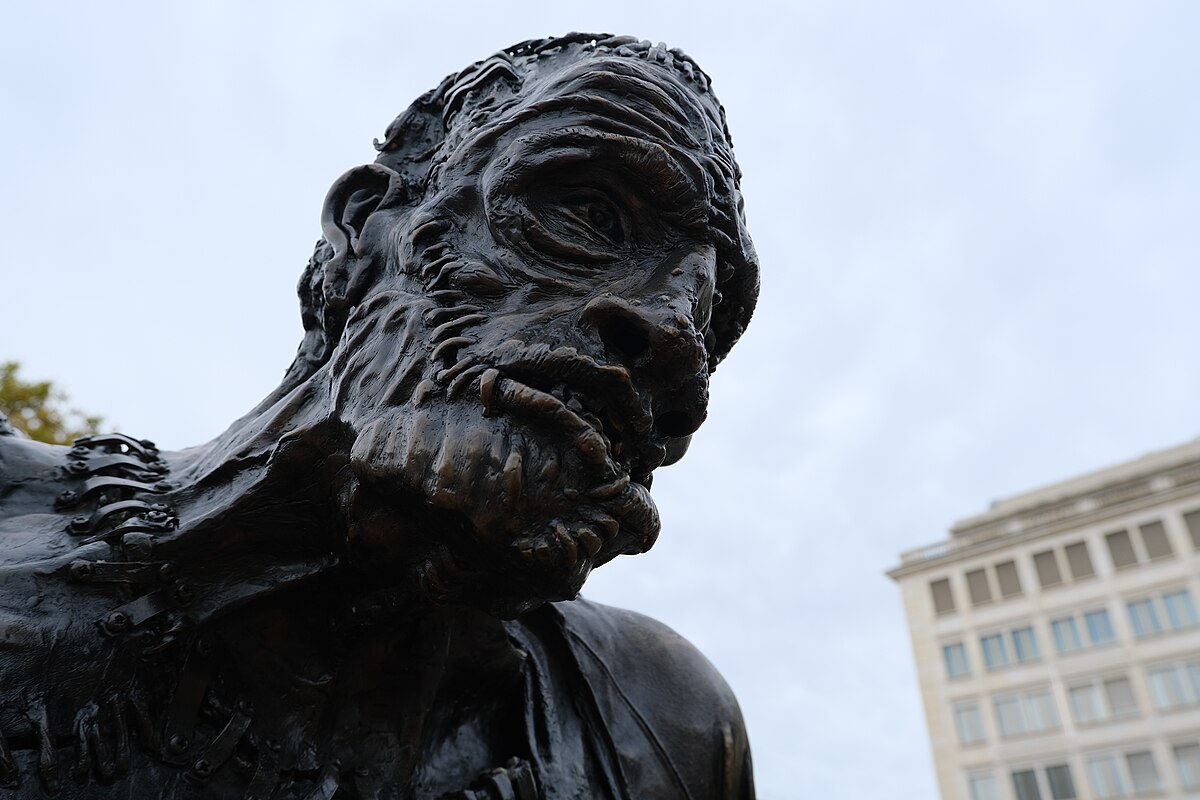
Mary Shelley portrays Frankenstein as an ambitious scientist who seeks to create life not for the sake of science, but for personal glory. Yet when his experiment succeeds, he is overwhelmed by disgust and fear, abandoning the very being he brought to life.
The creature, intelligent but unbearably lonely, eventually rebels after facing constant rejection from humans and, most painfully, from his own creator.
Did Tambora Really Inspire Frankenstein?
For the past two centuries, many scholars and writers have linked the eruption of Tambora to the creation of Frankenstein. They argue that the gloomy atmosphere of the “Year Without a Summer” played a role in inspiring Shelley.
Major media outlets such as The New York Times, CNN, and The Guardian have highlighted this connection—especially whenever major volcanic eruptions occur around the world.
However, some historians believe that the link between Tambora and Frankenstein is an exaggerated myth. Studies suggest that the harsh weather in Europe in 1816 was not solely caused by Tambora’s eruption, but was also influenced by other factors, including the long-term effects of the Napoleonic Wars (1803–1815), which had devastated Europe’s economy and agriculture.
Moreover, Shelley’s inspiration was likely shaped more strongly by the social conditions of the time: the Luddite uprisings against industrial machines, the scientific revolution that raised new moral anxieties, and Shelley’s own personal experiences with loss and birth.


