


The question of why Brunei chose not to join Malaysia in 1963 has intrigued historians, political observers, and regional scholars for decades.
While the Federation of Malaysia was formed through the merger of Malaya, Singapore, Sabah, and Sarawak, Brunei—despite initial discussions—ultimately remained apart.
This decision was shaped by a blend of political, economic, social, and historical considerations that made independence more appealing than federation. Understanding these reasons helps illuminate the distinct path Brunei took in shaping its national identity and future.
Control of Oil Wealth

Perhaps the most decisive factor behind Brunei’s reluctance to join Malaysia was its immense oil wealth.
As early as the 1920s, petroleum had become the backbone of Brunei’s economy, and by the mid-twentieth century, revenues from oil and gas ensured that Brunei enjoyed one of the highest standards of living in Southeast Asia.
Joining Malaysia raised concerns about how oil revenues would be redistributed under a federal structure. Brunei feared contributing disproportionately to the federal budget while receiving less control over its own economic future.
Negotiations surrounding taxation and revenue-sharing ultimately stalled, as Brunei insisted on retaining greater autonomy over its finances than the proposed arrangement allowed.
The Sultan and his advisers were not willing to compromise control over resources that formed the foundation of Brunei’s prosperity and stability. Maintaining independence, therefore, guaranteed uninterrupted authority over oil income and long-term economic security.
The Sultan’s Political Autonomy and Authority

Another significant reason Brunei declined membership in Malaysia was concern over political autonomy. The Sultanate had ruled for centuries and valued its tradition of centralized monarchical governance.
The Malaysian federal system, although offering state-level powers, nonetheless required each state to operate within national political structures and share decision-making authority with a federal parliament.
Brunei’s leadership feared that joining Malaysia would dilute the Sultan’s authority and complicate governance by introducing political parties and federal oversight.
This concern was heightened in the early 1960s, a period when Brunei had just experienced the 1962 Brunei Revolt—a rebellion by the Brunei People’s Party that favored joining Malaysia but under a democratic framework that would significantly reduce monarchical power.
The uprising underscored the risks of political instability and encouraged the Sultan to maintain direct control over Brunei’s political system. Independence provided the safest path to preserve the monarchy’s authority and avoid potential internal conflicts linked to federal integration.
Cultural and Religious Considerations
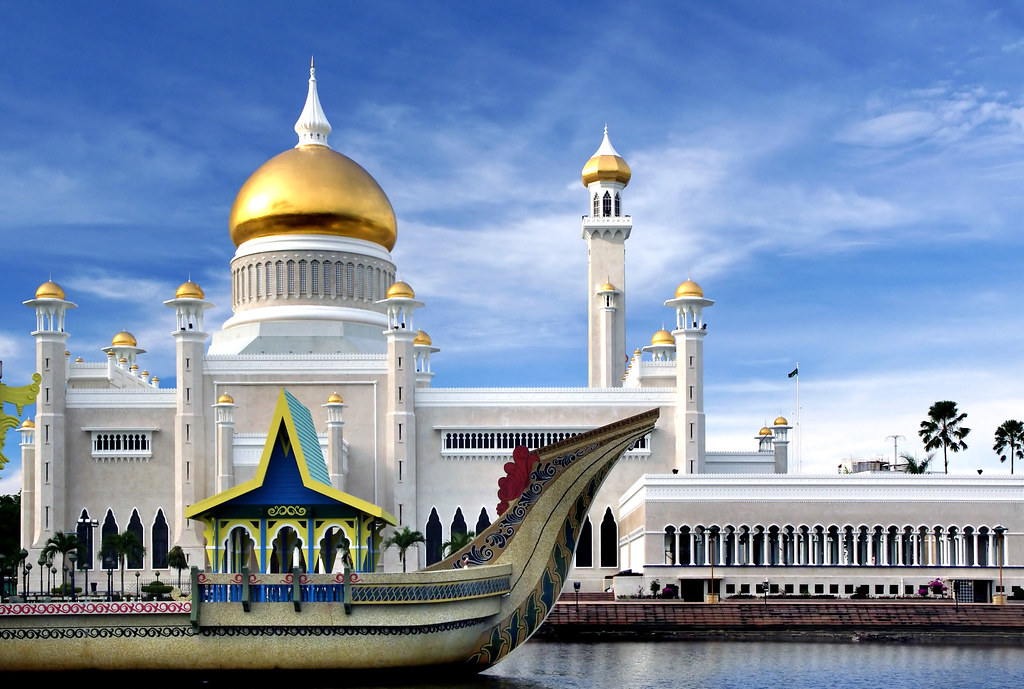
Brunei’s national identity, deeply rooted in Malay Islamic Monarchy, also influenced its decision. While Malaysia is similarly grounded in Malay and Islamic principles, Brunei sought to preserve a particularly conservative interpretation of Islamic governance.
The prospect of joining a federation with diverse political ideologies and a more complex ethnic composition raised concerns about cultural dilution and reduced religious autonomy.
Remaining independent allowed Brunei to advance its unique national philosophy, Melayu Islam Beraja (Malay Islamic Monarchy), without compromise.
This ideology, formalized in later years, emphasizes the integration of Malay culture, Islamic faith, and monarchical rule—an identity Brunei believed could be best protected outside a federation.
Historical Relations and Regional Dynamics

Historically, Brunei had once been a powerful regional empire whose territory extended across much of Borneo. Although its influence had waned over centuries, the legacy of sovereignty remained central to Bruneian pride.
Joining Malaysia, therefore, was perceived by some elites as symbolically diminishing Brunei’s historical independence.
Additionally, the geopolitical context of the early 1960s—marked by Indonesia’s opposition to the formation of Malaysia and internal tensions within the region—made Brunei cautious.
External pressures and regional uncertainties encouraged leaders to pursue a more isolated and controlled path.
A Very Thorough Decision
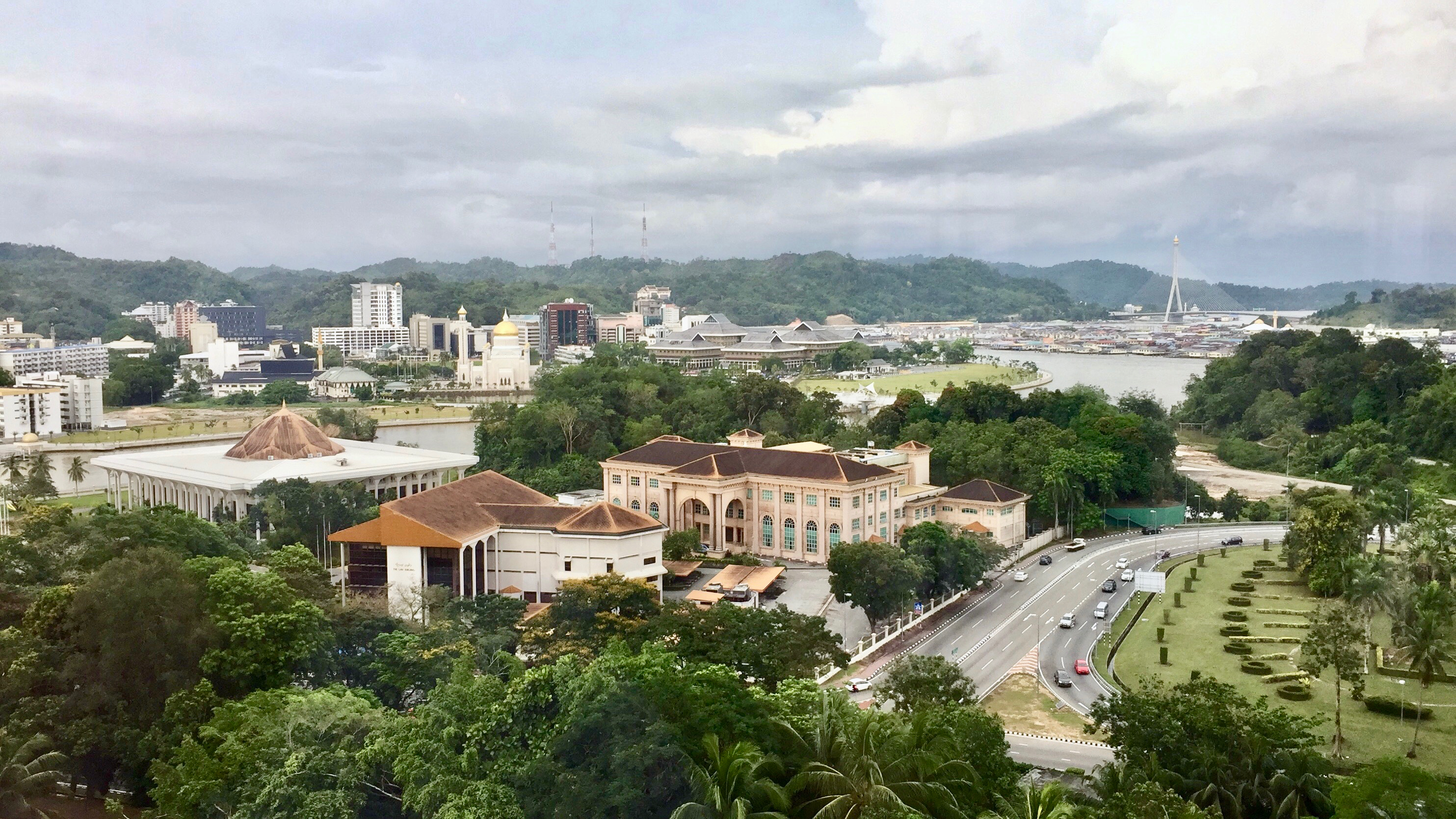
Brunei’s decision not to join Malaysia in 1963 was neither sudden nor simple. It resulted from a careful balancing of economic interests, political autonomy, cultural identity, and historical consciousness.
The Sultanate recognized that its oil wealth granted it the financial independence necessary to stand alone, while its unique system of governance made federation less attractive.
By choosing independence, Brunei secured the stability and continuity that remain hallmarks of its modern statehood.
Today, the decision is widely seen as a pivotal moment that shaped Brunei’s distinct national trajectory and preserved the sovereignty it continues to cherish.


